
Avoiding a Winter Breakdown with the Most Thorough Furnace Tune Up in Farmington Hills
When your furnace fails during a Farmington Hills winter, you don’t just lose heat. You risk frozen pipes, water damage, and dangerous carbon monoxide exposure. The good news is that most breakdowns are preventable with a thorough annual tune-up from certified HVAC technicians who understand local conditions. The Best Local AC Installation Specialists for Homeowners in Royal Oak.
A complete furnace tune-up in Farmington Hills goes far beyond changing a filter. It involves testing safety controls, inspecting heat exchangers for cracks, calibrating thermostats, and checking combustion efficiency. These steps keep your system running reliably through Michigan’s harshest months and can cut your energy bills by up to 30%.
Why Farmington Hills Homes Need Special Winter Preparation
Farmington Hills experiences some of the most extreme temperature swings in the Detroit metro area. Winter lows regularly drop below zero, while summer humidity can exceed 80%. This constant expansion and contraction puts unique stress on furnace components, especially in older homes built before 1980.
Many Farmington Hills neighborhoods feature mid-century construction with original ductwork that develops leaks over decades. Homes in the Wood Creek and Fox Run areas often have basements where furnaces sit directly on concrete floors. This setup exposes equipment to moisture and temperature fluctuations that can corrode heat exchangers faster than in newer homes.
The city’s location in Oakland County also means higher clay content in soil, which can shift foundations slightly over time. Even small foundation movements can misalign furnace components, causing vibration, noise, and eventual failure. A tune-up addresses these local vulnerabilities before they become emergencies.
The 20-Point Furnace Tune-Up Checklist Every Farmington Hills Homeowner Should Know
Professional HVAC technicians follow a comprehensive checklist that covers every critical system. Here’s what happens during a thorough tune-up: Fast and Professional Boiler Repair Services in Corktown and Midtown Detroit.
- Safety System Testing
Technicians test all safety controls including flame sensors, limit switches, and pressure switches. They check for proper ignition sequence and ensure the system shuts down correctly if problems occur.
- Heat Exchanger Inspection
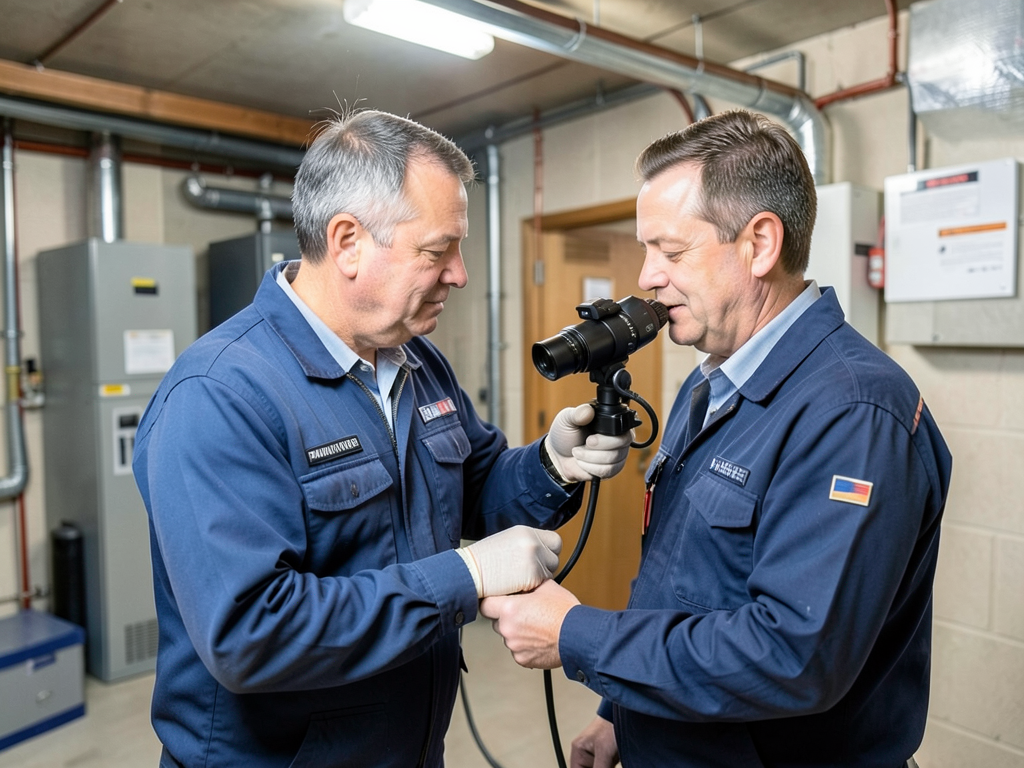
Using specialized cameras, technicians examine the heat exchanger for cracks or corrosion. Even small cracks can allow carbon monoxide to leak into your home, creating a serious health hazard.
- Combustion Analysis
A digital combustion analyzer measures oxygen levels, carbon monoxide production, and efficiency. This test ensures your furnace burns fuel cleanly and efficiently.
- Burner Cleaning and Adjustment
Technicians remove and clean burners, adjusting gas pressure and air mixture for optimal combustion. Dirty burners waste fuel and create uneven heating.
- Blower Motor Service
The blower motor gets lubricated, belt tension checked, and electrical connections inspected. A failing blower motor can cause the furnace to overheat and shut down.
- Thermostat Calibration
Technicians test and calibrate your thermostat to ensure it accurately controls temperature. They also check for proper communication between the thermostat and furnace.
- Air Filter Replacement
A clean filter improves airflow and efficiency. Technicians check the filter size and type to recommend the best option for your system.
- Electrical Component Testing
All electrical connections get tightened, and voltage and current draw measurements ensure components aren’t failing.
- Gas Pressure Adjustment
Proper gas pressure ensures efficient combustion and prevents sooting or incomplete burning.
- Flue and Vent Inspection
Technicians check the flue pipe for blockages, corrosion, or improper venting that could cause dangerous gases to back up into your home.
- Carbon Monoxide Testing
Using calibrated detectors, technicians test for carbon monoxide around the furnace and in living spaces to ensure safe operation.
- Condensate Drain Cleaning
For high-efficiency furnaces, technicians clear the condensate drain to prevent water backup and system shutdown.
- Ductwork Inspection
Technicians check accessible ductwork for leaks, proper insulation, and secure connections that could waste heated air.
- Airflow Measurement
Using an anemometer, technicians measure airflow to ensure your system moves enough air for proper heating.
- Control Board Testing
The furnace’s control board gets tested for proper operation and error code history.
- Ignition System Check
Whether you have a pilot light or electronic ignition, technicians test the system to ensure reliable starting. How to Find Reliable Emergency Furnace Repair in Detroit Before the Next Deep Freeze.
- Fan Control Testing
Fan controls get tested to ensure proper cycling and prevent short cycling that wastes energy.
- Gas Valve Operation
Technicians test the gas valve to ensure it opens and closes properly and maintains correct pressure.
- Transformer Testing
The transformer gets tested to ensure it provides correct voltage to all components.
- Final System Performance Test
After all adjustments, technicians run the system through a complete heating cycle to verify everything works correctly.
Safety First: Heat Exchanger Testing and Carbon Monoxide Prevention
The heat exchanger is the most critical safety component in your furnace. It separates the combustion process from your indoor air. When cracks develop, carbon monoxide can leak into your home without warning. EPA carbon monoxide safety guidelines.
During a tune-up, technicians use specialized inspection cameras to examine every inch of the heat exchanger. They look for hairline cracks, rust holes, or corrosion that could compromise safety. Even small cracks can expand when the metal heats up, creating dangerous leaks.
Technicians also test for carbon monoxide using calibrated detectors. They measure levels around the furnace and in living spaces. The EPA recommends keeping indoor carbon monoxide levels below 9 parts per million for long-term exposure.
If your furnace fails these tests, replacement is the only safe option. Continuing to operate a cracked heat exchanger puts your family at risk of carbon monoxide poisoning, which can cause headaches, dizziness, confusion, and even death.
Energy Efficiency Improvements That Pay for Themselves
A tune-up does more than prevent breakdowns. It can significantly reduce your energy bills. A furnace that’s dirty, out of adjustment, or has airflow problems can use 20-30% more energy than a properly maintained system.
Common efficiency issues include dirty burners that don’t mix fuel and air properly, blower motors that run too slowly, and ductwork leaks that waste heated air. During a tune-up, technicians identify and fix these problems.
Many Farmington Hills homeowners qualify for DTE Energy and Consumers Energy rebates when they upgrade to high-efficiency furnaces or make efficiency improvements. These rebates can cover 20-50% of the cost of new equipment or major repairs. DTE Energy HVAC rebates.
Beyond immediate savings, a well-maintained furnace lasts 3-5 years longer than a neglected one. That means you avoid the cost of premature replacement and get more value from your initial investment.
Common Farmington Hills Furnace Problems and Warning Signs
Knowing what to watch for can help you catch problems early. Here are the most common issues we see in Farmington Hills homes:
- Short Cycling – The furnace turns on and off frequently without completing a full heating cycle. This often indicates thermostat problems, dirty filters, or overheating.
- Strange Noises – Banging, popping, or screeching sounds usually mean loose components, failing bearings, or ignition problems.
- Yellow Pilot Light – A healthy pilot light should burn blue. Yellow indicates incomplete combustion and potential carbon monoxide production.
- Uneven Heating – Some rooms stay cold while others overheat. This often means ductwork problems or airflow restrictions.
- Higher Energy Bills – A sudden increase in heating costs without rate changes usually means your furnace is working harder than necessary.
- Age Over 15 Years – Furnaces typically last 15-20 years. Older units become less efficient and more prone to breakdowns.
If you notice any of these signs, schedule a tune-up immediately. Waiting until winter hits means you might face emergency repair costs that are 2-3 times higher than scheduled maintenance.
Comparing Tune-Up vs. Repair vs. Replacement
Understanding when to choose each option helps you make smart decisions about your heating system.
| Service Type | Cost Range | Best For | Timeline |
|---|---|---|---|
| Tune-Up | $89 – $149 | Preventative maintenance, efficiency improvement | 1-2 hours |
| Repair | $150 – $800 | Fixing specific component failures | 2-4 hours |
| Replacement | $3,500 – $7,500 | Furnaces over 15 years old, major failures | 1-2 days |
A tune-up is always the most cost-effective choice for furnaces under 10 years old that are running properly. Repairs make sense for specific component failures in furnaces 10-15 years old. Replacement becomes the best option when repair costs exceed 50% of replacement cost or the unit is over 15 years old.
Local Utility Rebates and Energy Efficiency Programs
Farmington Hills residents have access to several rebate programs that can significantly reduce HVAC costs. DTE Energy offers rebates up to $450 for high-efficiency furnace installations and $50 for tune-ups performed by certified contractors.
Consumers Energy provides similar programs with rebates up to $400 for efficient equipment and special rates for off-peak heating. These programs change annually, so checking current offers before scheduling service is important.
The Michigan Saves program offers low-interest financing for energy efficiency improvements, including HVAC upgrades. Qualified homeowners can finance new equipment with payments often lower than their energy savings.
Many Farmington Hills homes built before 1980 qualify for additional rebates due to their higher energy consumption. Older homes typically have less insulation and more air leakage, making efficiency upgrades even more valuable.
Emergency vs. Scheduled Maintenance Response Times
Understanding the difference between emergency and scheduled service helps you plan appropriately. Emergency service in the 48331, 48334, 48335, and 48336 zip codes typically costs 50-100% more than scheduled maintenance.
During peak winter months, emergency response times can extend to 24-48 hours due to high demand. Scheduled tune-ups booked in early fall usually get completed within 48-72 hours.
Many Farmington Hills HVAC companies offer priority service agreements for customers who schedule annual maintenance. These agreements often include same-day emergency service, discounted rates, and extended warranties.
Planning ahead by scheduling your tune-up in September or October ensures you get the best rates and fastest service before the winter rush begins.
Frequently Asked Questions
How often should I schedule a furnace tune-up in Farmington Hills?
Annual tune-ups are recommended for all furnaces, preferably in early fall before heating season begins. Homes with pets, allergies, or in older construction may benefit from twice-yearly service.
What’s included in a standard furnace tune-up?
A standard tune-up includes safety system testing, heat exchanger inspection, burner cleaning, blower motor service, thermostat calibration, air filter replacement, and a complete system performance test. Most tune-ups take 1-2 hours.
Can I perform my own furnace maintenance?
Homeowners can change filters and keep the area around the furnace clean, but professional tune-ups require specialized tools and training. DIY maintenance misses critical safety checks and efficiency tests.
How much does a furnace tune-up cost in Farmington Hills?
Most companies charge $89-$149 for a complete tune-up. Some offer seasonal specials as low as $69. Emergency or after-hours service typically costs more.
What are the signs my furnace needs immediate attention?
Signs include strange noises, yellow pilot light, uneven heating, higher energy bills, or age over 15 years. If you smell gas or suspect carbon monoxide, evacuate immediately and call emergency services.
Call (313) 552-7177 Today to Schedule Your Furnace Tune-Up
Don’t wait until your furnace fails on the coldest night of the year. A thorough tune-up now can prevent emergency breakdowns, improve efficiency, and extend your system’s life. Our certified technicians understand Farmington Hills’ unique heating challenges and provide comprehensive service that covers every critical component.
Call (313) 552-7177 today to schedule your furnace tune-up. We offer flexible appointment times, competitive pricing, and a satisfaction guarantee. Protect your home and family from winter’s worst with professional HVAC maintenance from technicians who know the Farmington Hills area inside and out.
Pick up the phone and call (313) 552-7177 before the next storm hits. Your comfort and safety are worth the investment. Storm Damage HVAC Repair.
{
“@context”: “https://schema.org”,
“@type”: “BlogPosting”,
“headline”: “Avoiding a Winter Breakdown with the Most Thorough Furnace Tune Up in Farmington Hills”,
“description”: “Prevent furnace failure this winter in Farmington Hills with expert HVAC tune-ups. Learn the 20+ point inspection checklist, safety checks, and local rebates available now.”,
“wordCount”: 1934,
“datePublished”: “2026-03-09T16:29:00.000Z”,
“dateModified”: “2026-03-09T16:29:00.000Z”,
“inLanguage”: “en-US”,
“mainEntityOfPage”: {
“@type”: “WebPage”,
“@id”: “https://acehvacdetroit.com”
},
“publisher”: {
“@type”: “LocalBusiness”,
“name”: “Ace HVAC Detroit”,
“url”: “https://acehvacdetroit.com”
},
“author”: {
“@type”: “Organization”,
“name”: “Ace HVAC Detroit”,
“url”: “https://acehvacdetroit.com”
},
“image”: {
“@type”: “ImageObject”,
“url”: “https://acehvacdetroit.com/wp-content/uploads/2026/03/avoiding-a-winter-breakdown-with-the-most-thorough-1-1.png”
}
}
{
“@context”: “https://schema.org”,
“@type”: “HVACBusiness”,
“name”: “Ace HVAC Detroit”,
“url”: “https://acehvacdetroit.com”,
“address”: {
“@type”: “PostalAddress”,
“addressLocality”: “Detroit”
},
“areaServed”: {
“@type”: “City”,
“name”: “Detroit”
}
}
{
“@context”: “https://schema.org”,
“@type”: “FAQPage”,
“mainEntity”: [
{
“@type”: “Question”,
“name”: “How often should I schedule a furnace tune-up in Farmington Hills?”,
“acceptedAnswer”: {
“@type”: “Answer”,
“text”: “Annual tune-ups are recommended for all furnaces, preferably in early fall before heating season begins. Homes with pets, allergies, or in older construction may benefit from twice-yearly service.”
}
},
{
“@type”: “Question”,
“name”: “What’s included in a standard furnace tune-up?”,
“acceptedAnswer”: {
“@type”: “Answer”,
“text”: “A standard tune-up includes safety system testing, heat exchanger inspection, burner cleaning, blower motor service, thermostat calibration, air filter replacement, and a complete system performance test. Most tune-ups take 1-2 hours.”
}
},
{
“@type”: “Question”,
“name”: “Can I perform my own furnace maintenance?”,
“acceptedAnswer”: {
“@type”: “Answer”,
“text”: “Homeowners can change filters and keep the area around the furnace clean, but professional tune-ups require specialized tools and training. DIY maintenance misses critical safety checks and efficiency tests.”
}
},
{
“@type”: “Question”,
“name”: “How much does a furnace tune-up cost in Farmington Hills?”,
“acceptedAnswer”: {
“@type”: “Answer”,
“text”: “Most companies charge $89-$149 for a complete tune-up. Some offer seasonal specials as low as $69. Emergency or after-hours service typically costs more.”
}
}
]
}
{
“@context”: “https://schema.org”,
“@type”: “HowTo”,
“name”: “Complete Furnace Tune-Up Process”,
“step”: [
{
“@type”: “HowToStep”,
“position”: 1,
“name”: “Safety System Testing”,
“text”: “Technicians test all safety controls including flame sensors, limit switches, and pressure switches. They check for proper ignition sequence and ensure the system shuts down correctly if problems occur.”
},
{
“@type”: “HowToStep”,
“position”: 2,
“name”: “Heat Exchanger Inspection”,
“text”: “Using specialized cameras, technicians examine the heat exchanger for cracks or corrosion. Even small cracks can allow carbon monoxide to leak into your home, creating a serious health hazard.”
},
{
“@type”: “HowToStep”,
“position”: 3,
“name”: “Combustion Analysis”,
“text”: “A digital combustion analyzer measures oxygen levels, carbon monoxide production, and efficiency. This test ensures your furnace burns fuel cleanly and efficiently.”
},
{
“@type”: “HowToStep”,
“position”: 4,
“name”: “Burner Cleaning and Adjustment”,
“text”: “Technicians remove and clean burners, adjusting gas pressure and air mixture for optimal combustion. Dirty burners waste fuel and create uneven heating.”
},
{
“@type”: “HowToStep”,
“position”: 5,
“name”: “Blower Motor Service”,
“text”: “The blower motor gets lubricated, belt tension checked, and electrical connections inspected. A failing blower motor can cause the furnace to overheat and shut down.”
},
{
“@type”: “HowToStep”,
“position”: 6,
“name”: “Thermostat Calibration”,
“text”: “Technicians test and calibrate your thermostat to ensure it accurately controls temperature. They also check for proper communication between the thermostat and furnace.”
},
{
“@type”: “HowToStep”,
“position”: 7,
“name”: “Air Filter Replacement”,
“text”: “A clean filter improves airflow and efficiency. Technicians check the filter size and type to recommend the best option for your system.”
},
{
“@type”: “HowToStep”,
“position”: 8,
“name”: “Electrical Component Testing”,
“text”: “All electrical connections get tightened, and voltage and current draw measurements ensure components aren’t failing.”
},
{
“@type”: “HowToStep”,
“position”: 9,
“name”: “Gas Pressure Adjustment”,
“text”: “Proper gas pressure ensures efficient combustion and prevents sooting or incomplete burning.”
},
{
“@type”: “HowToStep”,
“position”: 10,
“name”: “Flue and Vent Inspection”,
“text”: “Technicians check the flue pipe for blockages, corrosion, or improper venting that could cause dangerous gases to back up into your home.”
},
{
“@type”: “HowToStep”,
“position”: 11,
“name”: “Carbon Monoxide Testing”,
“text”: “Using calibrated detectors, technicians test for carbon monoxide around the furnace and in living spaces to ensure safe operation.”
},
{
“@type”: “HowToStep”,
“position”: 12,
“name”: “Condensate Drain Cleaning”,
“text”: “For high-efficiency furnaces, technicians clear the condensate drain to prevent water backup and system shutdown.”
},
{
“@type”: “HowToStep”,
“position”: 13,
“name”: “Ductwork Inspection”,
“text”: “Technicians check accessible ductwork for leaks, proper insulation, and secure connections that could waste heated air.”
},
{
“@type”: “HowToStep”,
“position”: 14,
“name”: “Airflow Measurement”,
“text”: “Using an anemometer, technicians measure airflow to ensure your system moves enough air for proper heating.”
},
{
“@type”: “HowToStep”,
“position”: 15,
“name”: “Control Board Testing”,
“text”: “The furnace’s control board gets tested for proper operation and error code history.”
},
{
“@type”: “HowToStep”,
“position”: 16,
“name”: “Ignition System Check”,
“text”: “Whether you have a pilot light or electronic ignition, technicians test the system to ensure reliable starting. How to Find Reliable Emergency Furnace Repair in Detroit Before the Next Deep Freeze.”
},
{
“@type”: “HowToStep”,
“position”: 17,
“name”: “Fan Control Testing”,
“text”: “Fan controls get tested to ensure proper cycling and prevent short cycling that wastes energy.”
},
{
“@type”: “HowToStep”,
“position”: 18,
“name”: “Gas Valve Operation”,
“text”: “Technicians test the gas valve to ensure it opens and closes properly and maintains correct pressure.\nTransformer TestingThe transformer gets tested to ensure it provides correct voltage to all components.”
},
{
“@type”: “HowToStep”,
“position”: 19,
“name”: “Final System Performance Test”,
“text”: “After all adjustments, technicians run the system through a complete heating cycle to verify everything works correctly.”
}
],
“image”: “https://acehvacdetroit.com/wp-content/uploads/2026/03/avoiding-a-winter-breakdown-with-the-most-thorough-1-1.png”
}
{
“@context”: “https://schema.org”,
“@type”: “BreadcrumbList”,
“itemListElement”: [
{
“@type”: “ListItem”,
“position”: 1,
“name”: “Home”,
“item”: “https://acehvacdetroit.com”
},
{
“@type”: “ListItem”,
“position”: 2,
“name”: “Blog”,
“item”: “https://acehvacdetroit.com/blog”
},
{
“@type”: “ListItem”,
“position”: 3,
“name”: “Avoiding a Winter Breakdown with the Most Thorough Furnace Tune Up in Farmington Hills”
}
]
}
{
“@context”: “https://schema.org”,
“@type”: “Service”,
“serviceType”: “HVAC”,
“provider”: {
“@type”: “LocalBusiness”,
“name”: “Ace HVAC Detroit”,
“url”: “https://acehvacdetroit.com”
},
“areaServed”: {
“@type”: “City”,
“name”: “Detroit”
},
“description”: “Prevent furnace failure this winter in Farmington Hills with expert HVAC tune-ups. Learn the 20+ point inspection checklist, safety checks, and local rebates available now.”
}