Menu

Heat Pump vs. Furnace Guide for Detroit Homes – Make the Right Choice for Michigan Winters

Detroit's subzero temperatures and high summer humidity demand the right heating solution. This comprehensive Heat Pump vs. Furnace Guide breaks down efficiency, cost, and performance for Southeast Michigan's unique four-season climate.

Slider Image 1
Slider Image 2
Slider Image 3
Slider Image 4
Slider Image 5
Slider Image 7
Slider Image 8
Slider Image 9
Slider Image 10
Slider Image 11

Why Detroit Homeowners Face a Tough Heating Decision

You need reliable heat when January temperatures drop to 15 degrees and wind chills hit minus 20. You also need cooling when July humidity climbs to 70 percent. The heat pump vs furnace comparison is not academic in Detroit. It is a practical decision that affects your comfort and your utility bills for the next 15 to 20 years.

The difference between heat pump and furnace performance becomes stark when temperatures fall below 25 degrees. Heat pumps extract warmth from outdoor air, but they lose efficiency as temperatures drop. Gas furnaces burn fuel to create heat, maintaining consistent output regardless of outdoor conditions. In Metro Detroit, where winter lows average in the teens, this distinction matters.

Many homeowners ask, heat pump or furnace? The answer depends on your home's insulation quality, your utility costs, and your tolerance for temperature fluctuations. Natural gas prices in Detroit average lower than the national median, which affects the heat pump vs furnace pros and cons calculation. The heat pump vs gas furnace debate also involves upfront equipment costs, which can differ by thousands of dollars.

Detroit's older housing stock adds complexity. Many homes in neighborhoods like Palmer Woods and Indian Village have original radiator systems or aging ductwork. These factors influence which system will perform best. You need accurate information specific to Southeast Michigan's climate patterns and infrastructure, not generic advice written for California or Texas.

Why Detroit Homeowners Face a Tough Heating Decision
How Heat Pumps and Furnaces Work in Cold Climates

How Heat Pumps and Furnaces Work in Cold Climates

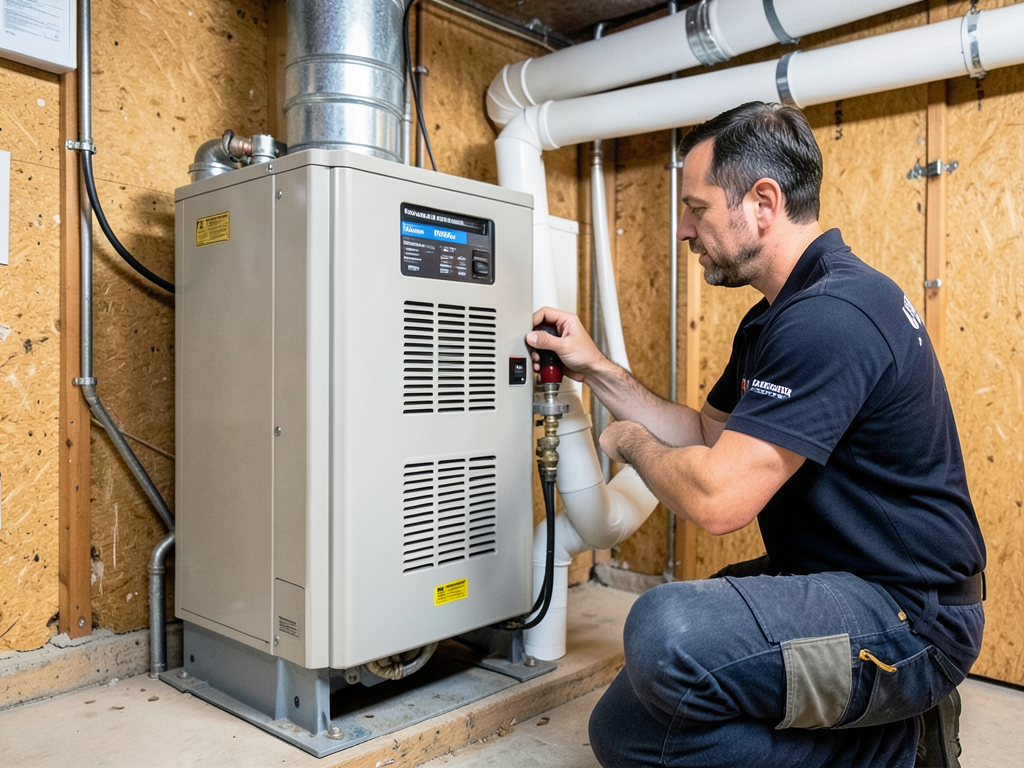
A gas furnace uses a burner assembly to ignite natural gas inside a combustion chamber. The heat exchanger transfers warmth to air passing through your ductwork, while exhaust gases vent outside through a flue pipe. Annual Fuel Utilization Efficiency (AFUE) ratings measure how much fuel converts to usable heat. Modern furnaces achieve 95 to 98 percent AFUE, meaning almost all the gas you pay for becomes warmth inside your home.

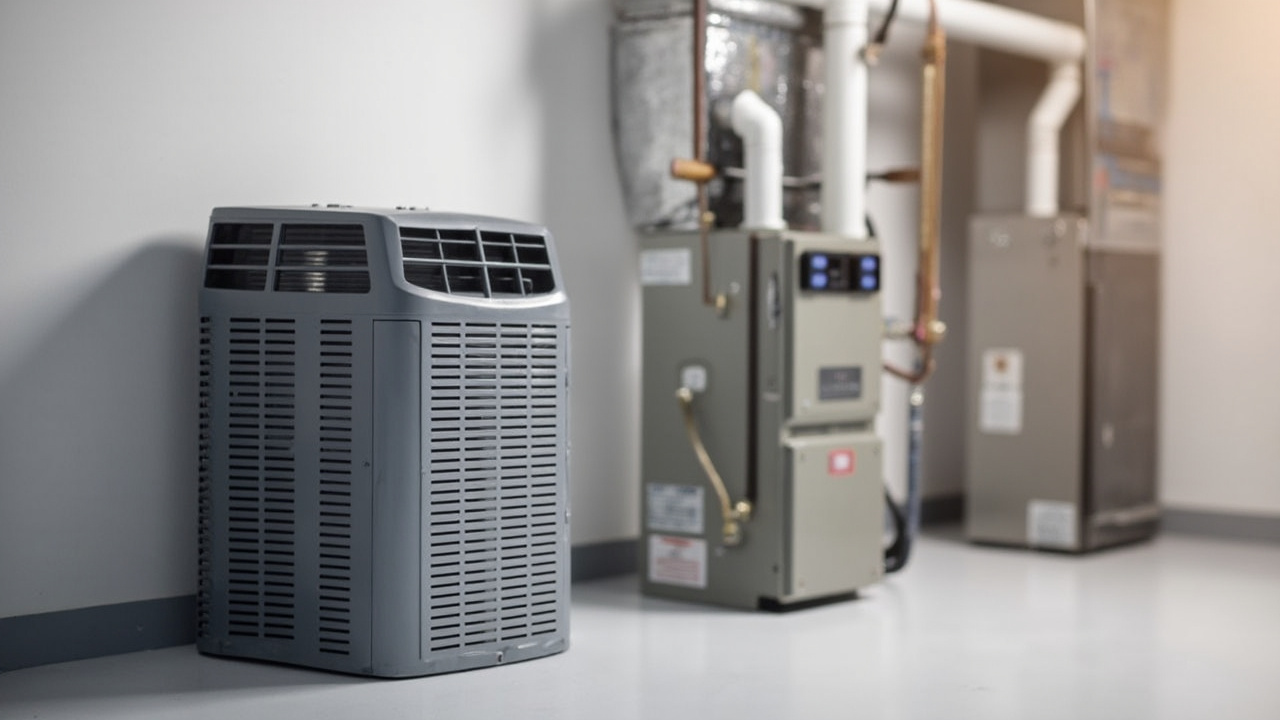
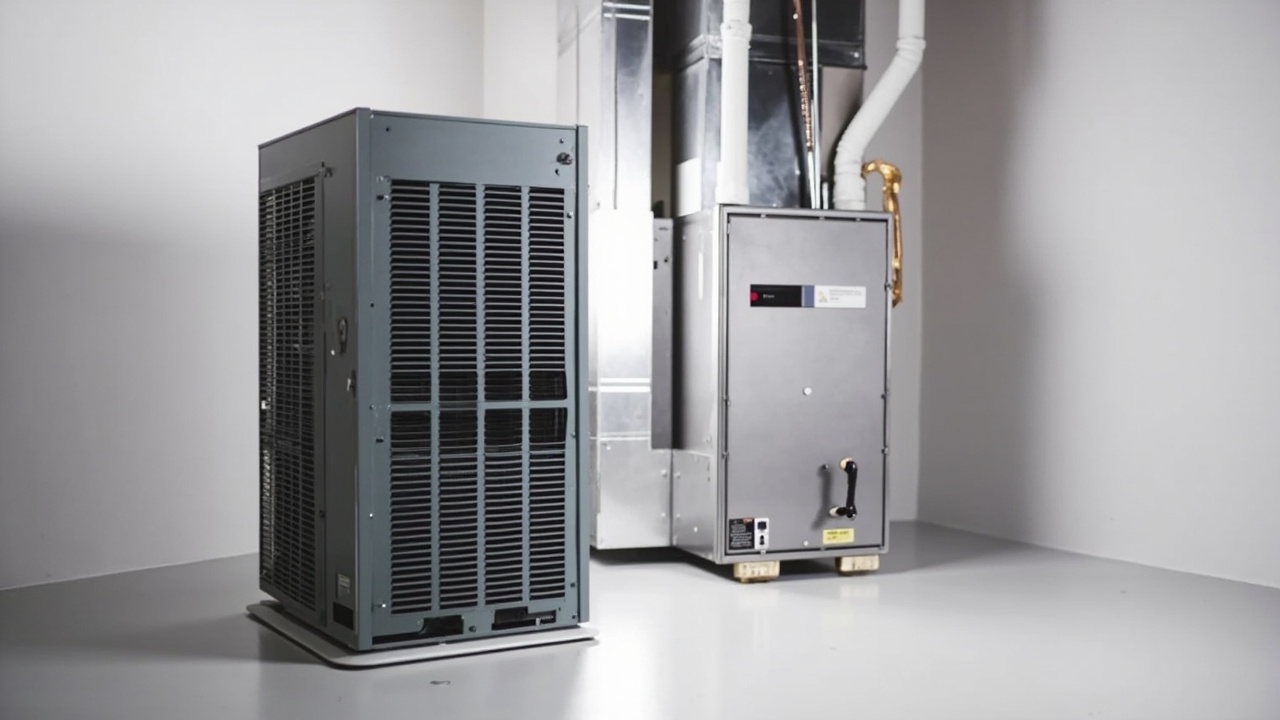
Heat pumps use refrigerant and a compressor to move heat rather than create it. In winter, the outdoor coil absorbs heat from outside air (yes, even cold air contains heat energy). The system compresses this refrigerant, raising its temperature, then releases the warmth inside through your indoor coil. In summer, the cycle reverses to provide air conditioning. Heat Pump Seasonal Energy Efficiency Ratio (HSER) and Heating Seasonal Performance Factor (HSPF) ratings measure efficiency.

The challenge for Detroit homes is the heat pump balance point. When outdoor temperatures fall below this threshold (usually 25 to 35 degrees), the heat pump requires backup heat strips. These electric resistance elements are expensive to run, often costing three times more per BTU than natural gas. Cold weather heat pumps with enhanced vapor injection technology push this balance point lower, some functioning efficiently down to negative 10 degrees. These units cost more upfront but maintain performance through Michigan winters.

Furnaces deliver consistent heat output regardless of outdoor temperature. A 100,000 BTU furnace produces 100,000 BTU whether it's 40 degrees or negative 10 degrees outside. Heat pump output capacity drops as temperatures fall, sometimes to 60 percent of rated capacity in extreme cold.

Comparing Your Heating Options the Right Way

Heat Pump vs. Furnace Guide for Detroit Homes – Make the Right Choice for Michigan Winters
01

Calculate Your Heat Load

Accurate Manual J heat load calculations determine how many BTUs your home needs on the coldest day of the year. Detroit's 99 percent design temperature is 4 degrees Fahrenheit. Your home's insulation R-value, window quality, air infiltration rate, and square footage all factor into this number. Oversized equipment short cycles and wastes energy. Undersized equipment runs constantly and cannot maintain comfort during temperature extremes.
02

Compare Operating Costs

Natural gas prices in Detroit currently average lower than electricity costs per BTU delivered. Calculate your actual utility rates, then multiply by the heating degree days your home experiences annually. Factor in equipment efficiency ratings to project annual heating costs. Include maintenance expenses, which tend to run higher for heat pumps due to more complex components. Add potential repair costs over the system's lifespan.
03

Evaluate Long-Term Value

Consider equipment lifespan (15 to 20 years for furnaces, 12 to 15 for heat pumps), replacement costs, and resale value. Heat pumps provide both heating and cooling, eliminating the need for a separate air conditioner. Furnaces require an AC unit for summer comfort, which adds upfront cost but allows independent replacement schedules. Include potential utility rate changes and equipment rebates in your decision process.

Why Detroit Climate Demands Local HVAC Expertise

Southeast Michigan experiences temperature swings from 95 degrees in summer to negative 10 in winter. This 105-degree range stresses HVAC equipment in ways milder climates never experience. Humidity levels shift dramatically between seasons, affecting indoor comfort and system performance. Equipment sized for Atlanta or Phoenix will fail in Detroit.

Local contractors understand Michigan's building codes, which require specific ventilation rates and combustion air requirements. Detroit's mix of older brick homes and newer construction demands different approaches. A 1920s bungalow in Rosedale Park has different ductwork constraints than a 2015 colonial in Novi. Homes near the Detroit River face different humidity challenges than properties in northern Oakland County.

We evaluate your specific situation before recommending a system. That includes inspecting your existing ductwork for proper sizing, checking insulation levels in your attic and walls, and assessing your electrical service capacity. Heat pumps require larger electrical circuits than furnaces. Older homes may need panel upgrades, which affects total project cost.

Gas line sizing matters for furnace installations. Undersized gas pipes restrict fuel flow and reduce efficiency. We measure your current gas line capacity and calculate pressure drop to ensure adequate supply. Water heaters, gas ranges, and other appliances share your gas service. Proper sizing prevents performance problems.

Ace HVAC Detroit has installed and serviced both heat pumps and furnaces across Metro Detroit since we opened. We know which brands hold up to Michigan weather and which ones fail prematurely. We know which local suppliers stock parts quickly. We know how to navigate DTE Energy rebate programs and municipal inspection requirements.

What to Expect When Choosing Your Heating System

Equipment Selection Timeline

Plan to spend two to four weeks researching options if you are replacing a functioning system. Emergency replacements during winter cold snaps require faster decisions. We stock common furnace models and can complete installations within 48 hours when your heat fails. Heat pump installations take longer due to electrical work and refrigerant line installation. Schedule installations during shoulder seasons (spring or fall) to avoid premium pricing and scheduling delays. Lead times for specific heat pump models can extend to four weeks during peak demand periods.

In-Home Assessment Process

A proper evaluation takes 60 to 90 minutes. We measure your home's square footage, assess insulation quality, inspect existing ductwork, check electrical panel capacity, and evaluate your current equipment's condition. We use Manual J software to calculate your accurate heat load. We review your utility bills to establish baseline costs. We discuss your comfort preferences, any problem areas in your home, and your budget parameters. You receive a written proposal with multiple equipment options at different price points and efficiency levels.

Installation Quality Standards

Furnace installations take one day for straightforward replacements. We remove old equipment, install the new furnace, connect ductwork and gas lines, upgrade thermostats, and test all safety controls. Heat pump installations require one to two days depending on electrical service upgrades and refrigerant line routing. We pressure test refrigerant lines, verify proper airflow across coils, calibrate thermostatic expansion valves, and program outdoor temperature lockout settings. All installations include city inspections where required. You receive documentation for rebate applications and future service reference.

Service and Maintenance Plans

Furnaces require annual maintenance including burner cleaning, flame sensor inspection, heat exchanger examination, and flue draft testing. Heat pumps need twice-yearly service due to year-round operation. Spring maintenance focuses on cooling components while fall service addresses heating elements. Maintenance plans include priority scheduling, discounted repairs, and extended parts coverage. Regular service extends equipment life by three to five years and maintains efficiency ratings. Neglected systems lose 5 percent efficiency annually and face higher breakdown risk during temperature extremes when you need them most.

Frequently Asked Questions

You Have Questions,
We Have Answers

How Detroit's Freeze-Thaw Cycles Affect Heat Pump Performance

Detroit averages 25 to 35 freeze-thaw cycles each winter, when daytime temperatures climb above freezing before dropping back below 32 degrees at night. These cycles cause ice buildup on heat pump outdoor coils. The defrost cycle reverses refrigerant flow to melt this ice, but it temporarily stops heating your home and draws heat from your indoor air. Older heat pumps defrost inefficiently, running defrost cycles too frequently or not often enough. This affects comfort and increases operating costs. Cold climate heat pumps use demand-defrost controls that monitor actual ice buildup rather than time or temperature alone.

Southeast Michigan's combination of cold winters and high summer humidity makes dual-fuel systems worth considering. These pair an electric heat pump with a gas furnace backup. The heat pump handles mild weather (above 30 to 35 degrees) efficiently while the furnace takes over during deep cold. This approach delivers year-round efficiency, reduces electric heating costs during January and February, and provides redundancy if one system fails. Local contractors understand equipment sizing for dual-fuel applications and can program switchover temperatures based on your specific utility rates.
HVAC Services in The Detroit Area

We invite you to explore our service area and locate our business on the map. Ace HVAC is strategically positioned to efficiently serve all residential and commercial clients within the Detroit metropolitan area and surrounding communities, ensuring prompt response times and convenient access to our expert heating and cooling solutions whenever you need us.

Address:
Ace HVAC Detroit, 7300 Woodward Ave, Detroit, MI, 48202

Additional Services We Offer

Our news updates

Latest Articles & News from The Blogs

Why Financing Your Detroit HVAC System Makes Sense Detroit homeowners face extreme seasonal swings. Winter lows can drop below zero…

How to Choose an HVAC Financing Plan That Won't Break Your Monthly Budget

Why Financing Your Detroit HVAC System Makes Sense Detroit homeowners face extreme seasonal swings. Winter lows can drop below zero…

Why Your New Center Apartment Smells Like Burning Dust Every Time the Heat Kicks On

Why Your New Center Apartment Smells Like Burning Dust Every Time the Heat Kicks On That burning dust smell when…

Comparing the Most Reliable Furnace Brands for the Harsh Winters in Shelby Township

Comparing the Most Reliable Furnace Brands for the Harsh Winters in Shelby Township\n\nWhen a January Polar Vortex hits Shelby Township…

Contact Us

Stop guessing which system fits your home best. Call Ace HVAC Detroit at (313) 552-7177 for a thorough evaluation. We provide accurate heat load calculations, real cost comparisons, and honest recommendations based on your specific situation and Detroit's climate demands.