Menu

HVAC Maintenance & Tune-Ups in Detroit – Protect Your System Before Michigan's Extreme Seasons Hit

Comprehensive heating and cooling tune ups designed for Detroit's brutal winters and humid summers, preventing breakdowns when you need your system most and extending equipment life by years.

Slider Image 1
Slider Image 2
Slider Image 3
Slider Image 4
Slider Image 5
Slider Image 7
Slider Image 8
Slider Image 9
Slider Image 10
Slider Image 11

Why Detroit's Climate Demands Year-Round HVAC Preventative Maintenance

Detroit's weather punishes HVAC systems harder than most cities in the country. You face sub-zero January nights where furnaces run 18 hours straight, then switch to sweltering July humidity that forces air conditioners into overdrive. This temperature swing from negative 10 to 95 degrees creates constant expansion and contraction in ductwork, stress on compressor components, and accelerated wear on blower motors.

Most Detroit homeowners wait until something breaks. The furnace dies at 2 AM on a 15-degree night. The AC quits during a Fourth of July heat wave. Emergency repairs cost three times more than preventative maintenance, and you lose days of comfort waiting for parts.

A seasonal HVAC check up catches the problems before they cascade. Dirty flame sensors cause furnaces to short-cycle and waste gas. Refrigerant leaks drop cooling capacity by 20 percent before you notice. Clogged condensate drains back up and flood basements, a common issue in older Detroit homes with original ductwork from the 1950s.

The freeze-thaw cycle in Metro Detroit is particularly brutal on outdoor condenser units. Ice builds up around coils, restricts airflow, and forces compressors to work harder. Without an AC and furnace maintenance plan, you are gambling with a system that costs thousands to replace. Regular HVAC system inspections identify worn contactors, frayed wiring, and failing capacitors while they are still cheap to fix. You get consistent comfort, lower utility bills, and you avoid the panic of a midnight breakdown when every other house on your block is calling for the same emergency service.

Why Detroit's Climate Demands Year-Round HVAC Preventative Maintenance
How Professional Heating and Cooling Tune Ups Extend System Life

How Professional Heating and Cooling Tune Ups Extend System Life

Most companies rush through maintenance visits in 20 minutes and call it good. That approach misses the issues that cause expensive failures six months later. A real HVAC preventative maintenance visit takes 60 to 90 minutes because we test system performance under load, not just when it is sitting idle.

We start by measuring actual airflow at the registers, not just at the blower. Restricted airflow from clogged filters or collapsed ductwork forces your system to work 30 percent harder. We check static pressure across the blower to verify your ducts are sized correctly for your equipment. Many Detroit homes have undersized return ducts that starve the system of air and cause premature compressor failure.

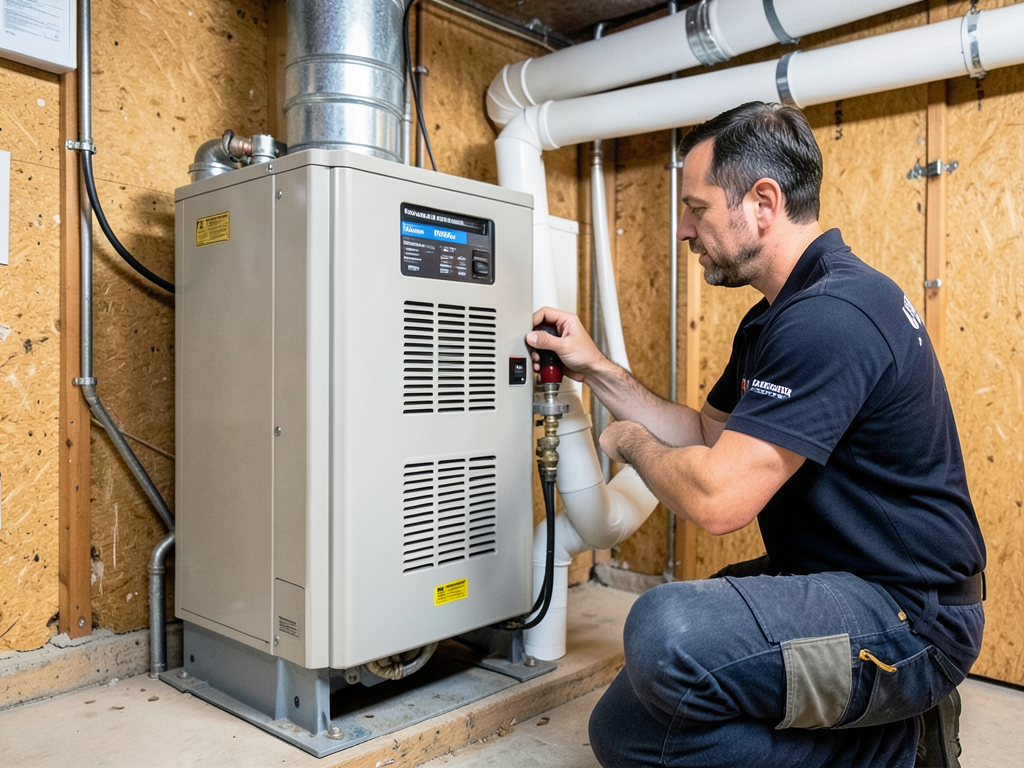
On the heating side, we test combustion efficiency with a flue gas analyzer. Your furnace should run at 80 percent efficiency or higher. If it drops below that, you are wasting gas and risking carbon monoxide buildup. We inspect the heat exchanger for cracks using a video camera, check the inducer motor for bearing wear, and verify the pressure switches are operating within spec.

For cooling, we measure superheat and subcooling to verify refrigerant charge. An overcharged system runs high head pressure and burns out compressors. An undercharged system freezes the evaporator coil and floods your basement. We clean the condenser coils, check amp draw on the compressor, and test the contactor for pitting.

We also inspect electrical connections, tighten terminal screws, and test capacitors under load. A weak capacitor causes hard starting, which spikes your electric bill and shortens compressor life. You get a written report with photos of any issues we find, amperage readings, and temperature splits so you can see exactly how your system is performing.

What Happens During Your Seasonal System Check Up

HVAC Maintenance & Tune-Ups in Detroit – Protect Your System Before Michigan's Extreme Seasons Hit
01

Complete System Diagnostics

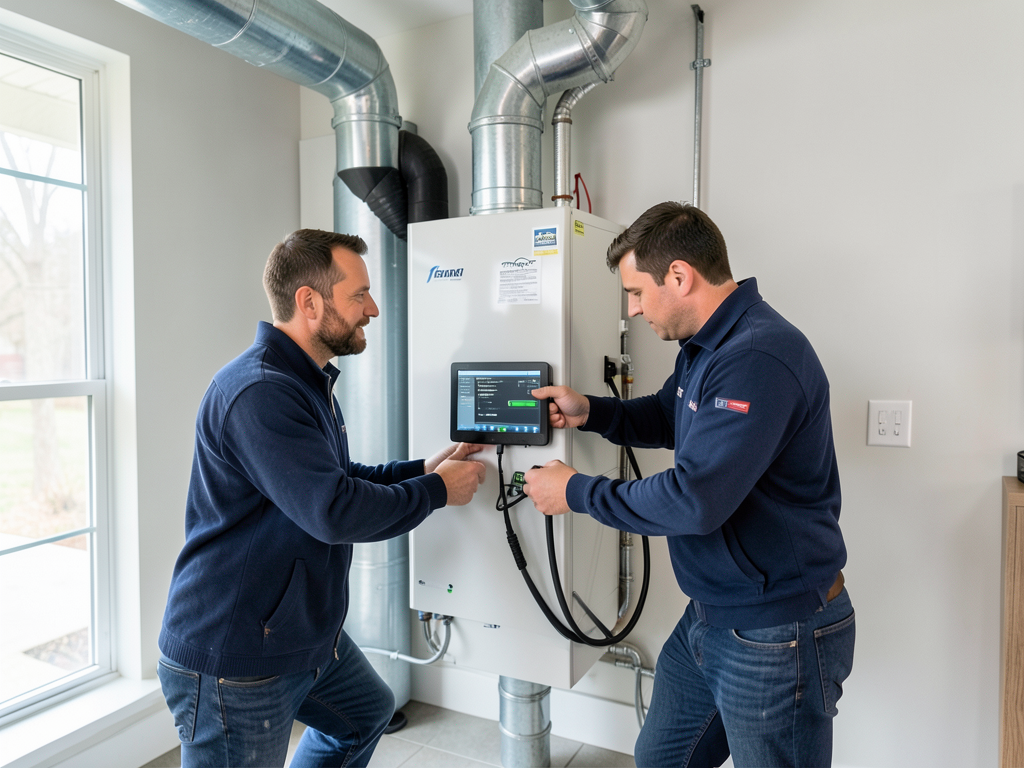
We begin by running your system through a full heating and cooling cycle while measuring voltage, amperage, and temperature differentials. This reveals issues like weak capacitors, failing contactors, or refrigerant leaks that only show up when the system is under load. We test thermostat calibration and verify your system responds correctly to call signals. You receive baseline performance data to track system health over time.
02

Deep Component Cleaning

We clean the condenser coils, evaporator coils, and blower wheel using professional-grade coil cleaners and brushes. Detroit's cottonwood season clogs coils with debris that blocks airflow and kills efficiency. We flush condensate drains with a wet vacuum, clean flame sensors, and remove dust buildup from blower motors. This step alone can improve efficiency by 15 percent and prevent the majority of mid-season breakdowns.
03

Performance Verification and Reporting

After service, we retest all performance metrics to confirm improvements. You get a detailed report showing before and after readings, photos of any worn components, and a priority list of recommended repairs. We explain what needs attention now versus what can wait until next season. If your system is running efficiently, we document that too so you have proof your equipment is well maintained.

Why Detroit Homeowners Choose Ace HVAC Detroit for System Maintenance

You need a company that knows how Detroit's housing stock and climate affect HVAC systems. We work on everything from 1920s bungalows in Corktown with gravity furnaces to modern builds in Rochester Hills with zoned systems. That range of experience means we have seen every failure mode and know how to prevent them.

Detroit's older neighborhoods have unique challenges. Many homes still have original cast iron radiators paired with newer forced-air systems. Ductwork often runs through uninsulated attics or crawl spaces, causing massive heat loss in winter. We identify these inefficiencies during maintenance visits and provide solutions that actually work in older construction.

We also understand local building codes and permit requirements. If your furnace or AC needs replacement, we pull permits and schedule inspections correctly the first time. That matters because unpermitted work can kill a home sale and void your homeowner's insurance if something goes wrong.

Our technicians are trained on the brands you actually have in your home. Detroit homes commonly have Lennox, Carrier, Trane, and Rheem equipment. We stock parts for these systems and can get what we need from local suppliers in Warren or Taylor the same day. You are not waiting a week for a capacitor to ship from across the country.

We also respond to the reality that Detroit winters are not forgiving. If your furnace is marginal during an October tune up, we will tell you straight. You have time to budget for a repair or replacement before the first hard freeze. We do not upsell, but we also will not let you limp through January with a cracked heat exchanger. Your safety and comfort matter more than a quick sale.

What to Expect From Your HVAC Maintenance Visit

Same-Day and Next-Day Scheduling

We offer flexible scheduling Monday through Saturday with same-day appointments often available. Most maintenance visits take 60 to 90 minutes depending on system size and accessibility. We arrive in a marked vehicle with all necessary tools and common replacement parts already on board. You receive a call 30 minutes before arrival so you are not waiting around all day. If we find an issue that requires immediate attention, we can often handle it the same visit with your approval.

Comprehensive 28-Point System Inspection

Your inspection covers every component that affects system performance and safety. We test electrical connections, measure refrigerant pressures, inspect ductwork for leaks, check thermostat operation, and verify proper combustion on gas furnaces. You get a written checklist showing what we tested and what we found. If your system passes every test, we document that so you have proof of proper maintenance. If we find issues, we explain what is urgent and what can wait, with photos and data to back up our recommendations.

Improved Comfort and Lower Utility Bills

After service, your system runs quieter, heats and cools more evenly, and uses less energy to maintain temperature. Clean coils and proper airflow reduce runtime by 15 to 25 percent, which shows up immediately on your DTE Energy bill. You also get better humidity control, which matters during Detroit's muggy summers. Rooms that were always too hot or too cold balance out once airflow is corrected. The result is consistent comfort without constantly adjusting the thermostat.

Priority Service and Maintenance Records

Maintenance customers get priority scheduling if you ever need emergency service. Your system history is saved in our database, so we know exactly what equipment you have and what service has been performed. This speeds up diagnosis and parts ordering if you need a repair. We also send maintenance reminders twice a year so you never forget to schedule your seasonal tune up. Regular maintenance keeps most manufacturer warranties valid and provides documentation if you ever need to file an insurance claim for system failure.

Frequently Asked Questions

You Have Questions,
We Have Answers

What does an HVAC tune-up include? +

A professional HVAC tune-up includes inspecting and cleaning your furnace and air conditioner components. Technicians check the thermostat calibration, tighten electrical connections, and measure refrigerant levels. They clean or replace air filters, inspect the condensate drain, and lubricate moving parts. The blower motor, heat exchanger, and evaporator coils get examined for wear. In Detroit's humid climate, technicians pay special attention to drainage systems to prevent water damage. They test safety controls, check gas connections for leaks, and measure airflow. You receive a full system performance report with recommendations for repairs before problems escalate during extreme Michigan weather.

How much is a HVAC tune-up? +

HVAC tune-up costs vary based on system type and service scope. Most Detroit homeowners pay between one price point and another for a standard maintenance visit covering both heating and cooling systems. Older homes in neighborhoods like Corktown or Indian Village may need additional work due to aging ductwork or vintage systems. Costs increase if refrigerant needs adding or parts require replacement. Many local companies offer annual maintenance plans that bundle tune-ups at reduced rates. The investment prevents expensive emergency repairs during Detroit's harsh winters and humid summers. Always verify what the service includes before scheduling.

What is the $5000 rule for HVAC? +

The $5000 rule helps you decide between repairing or replacing your HVAC system. Multiply your system's age by the repair cost estimate. If the result exceeds $5000, replacement makes better financial sense. For example, a 15-year-old furnace needing a $400 repair equals $6000, suggesting replacement. This rule accounts for efficiency losses in aging systems and frequent future breakdowns. Detroit's temperature extremes stress HVAC equipment heavily, accelerating wear. Newer systems offer better energy efficiency, reducing utility bills significantly. Consider replacement if your system uses R-22 refrigerant, which is being phased out and costs more each year.

How often should HVAC be tuned up? +

Schedule HVAC tune-ups twice yearly in Detroit. Service your furnace each fall before heating season and your air conditioner each spring before cooling demands spike. Michigan's weather extremes require systems to work harder than moderate climates, creating more wear. Homes with older systems, pets, or residents with allergies benefit from quarterly filter changes between professional visits. Commercial properties with constant operation need more frequent maintenance. Skipping tune-ups reduces efficiency by up to 20 percent and voids most manufacturer warranties. Regular maintenance catches small problems before they become expensive failures during January cold snaps or August heat waves.

What is the average cost of a full tune-up? +

Full HVAC tune-up costs depend on whether you service heating only, cooling only, or both systems together. Detroit-area pricing varies by company and service detail level. Expect to invest more for comprehensive maintenance covering both furnace and air conditioner compared to single-system service. Homes with heat pumps or dual-fuel systems may pay slightly more due to additional components. Many contractors offer maintenance agreements that reduce per-visit costs while including priority emergency service. The expense prevents much larger repair bills and extends equipment lifespan. Annual maintenance saves money on utility bills through improved efficiency.

What are the four types of maintenance HVAC? +

The four HVAC maintenance types are preventive, predictive, corrective, and emergency. Preventive maintenance includes scheduled tune-ups and filter changes to stop problems before they start. Predictive maintenance uses diagnostics and performance data to identify failing components early. Corrective maintenance addresses minor issues discovered during inspections before they worsen. Emergency maintenance responds to sudden breakdowns requiring immediate attention. Detroit homeowners benefit most from preventive maintenance due to harsh seasonal demands. Regular fall and spring tune-ups reduce the need for emergency calls during extreme weather. Commercial buildings often combine all four approaches based on usage patterns and equipment complexity.

What is the 3 minute rule for AC? +

The 3-minute rule prevents compressor damage after your air conditioner cycles off. Wait at least three minutes before restarting the system. This pause allows refrigerant pressures to equalize throughout the system. Restarting too quickly forces the compressor to work against high pressure, causing strain and potential failure. The rule applies when adjusting thermostats, after power outages, or during troubleshooting. Detroit's frequent summer storms and power fluctuations make this rule critical. Most modern thermostats include built-in delay timers. Ignoring this guideline shortens compressor lifespan and leads to expensive repairs. Always let the system rest between cooling cycles.

How much is HVAC for a 1200 square foot house? +

HVAC costs for a 1200 square foot home depend on system type, efficiency rating, and installation complexity. Detroit homes typically need both strong heating for winter and adequate cooling for humid summers. Older homes in neighborhoods like Rosedale Park or Palmer Woods may require ductwork modifications or electrical upgrades, increasing total investment. Higher efficiency systems cost more upfront but reduce monthly utility bills substantially. Two-stage or variable-speed equipment provides better comfort control in Michigan's variable climate. Get multiple quotes and verify proper load calculations. Undersized systems struggle during temperature extremes while oversized units cycle inefficiently.

What is the lifespan of an HVAC system? +

HVAC systems last 15 to 20 years with proper maintenance in Detroit's climate. Furnaces typically outlive air conditioners because they run fewer total hours annually. Michigan's temperature swings and humidity stress components more than moderate climates, potentially shortening lifespan. Systems receiving twice-yearly tune-ups reach the upper end of this range. Neglected equipment often fails before 12 years. Heat exchangers, compressors, and blower motors are common failure points in aging systems. Homes near industrial areas or with poor air quality experience faster filter clogging and component wear. Plan replacement budgets when systems reach 12 to 15 years old.

Is a new HVAC system tax deductible in 2025? +

New HVAC systems may qualify for federal tax credits in 2025 if they meet efficiency standards. The Inflation Reduction Act provides credits for Energy Star certified equipment including heat pumps, central air conditioners, and high-efficiency furnaces. Credit amounts vary by equipment type and efficiency rating. You must own your Detroit home and install qualifying equipment to claim the credit. Manufacturers provide certification documents needed for tax filing. Consult a tax professional about Michigan state incentives and DTE Energy rebate programs that stack with federal credits. Keep all receipts and manufacturer specification sheets for documentation.

How Detroit's Freeze-Thaw Cycles Accelerate HVAC System Wear

Detroit experiences an average of 45 freeze-thaw cycles per winter, where temperatures swing from below freezing overnight to above freezing during the day. This constant expansion and contraction stresses outdoor condenser units, causes refrigerant line fittings to leak, and cracks plastic drain pans on indoor coils. Ice buildup around condenser units is common from January through March, blocking airflow and forcing compressors to run at dangerously high pressures. HVAC preventative maintenance catches these issues early by inspecting refrigerant lines for stress cracks, verifying proper drainage, and cleaning ice buildup before it damages components. Systems in Metro Detroit need seasonal check ups more frequently than warmer climates because winter wear accumulates fast.

Local HVAC companies understand the quirks of Detroit's housing stock. Many homes were built between 1920 and 1960 with ductwork added decades later during retrofits. This often results in undersized returns, long duct runs through uninsulated spaces, and mismatched equipment that struggles to keep up. A tech who works exclusively in Detroit knows how to optimize these systems instead of recommending complete duct replacement. We also stay current on Wayne County mechanical codes and city inspection requirements, which matter if you are selling your home or need permits for equipment replacement. Choosing a local company means you get expertise tailored to your neighborhood, not generic advice from a national chain.
HVAC Services in The Detroit Area

We invite you to explore our service area and locate our business on the map. Ace HVAC is strategically positioned to efficiently serve all residential and commercial clients within the Detroit metropolitan area and surrounding communities, ensuring prompt response times and convenient access to our expert heating and cooling solutions whenever you need us.

Address:
Ace HVAC Detroit, 7300 Woodward Ave, Detroit, MI, 48202

Additional Services We Offer

Our news updates

Latest Articles & News from The Blogs

Why Financing Your Detroit HVAC System Makes Sense Detroit homeowners face extreme seasonal swings. Winter lows can drop below zero…

How to Choose an HVAC Financing Plan That Won't Break Your Monthly Budget

Why Financing Your Detroit HVAC System Makes Sense Detroit homeowners face extreme seasonal swings. Winter lows can drop below zero…

Why Your New Center Apartment Smells Like Burning Dust Every Time the Heat Kicks On

Why Your New Center Apartment Smells Like Burning Dust Every Time the Heat Kicks On That burning dust smell when…

Comparing the Most Reliable Furnace Brands for the Harsh Winters in Shelby Township

Comparing the Most Reliable Furnace Brands for the Harsh Winters in Shelby Township\n\nWhen a January Polar Vortex hits Shelby Township…

Contact Us

Do not wait until your system fails. Call Ace HVAC Detroit at (313) 552-7177 to schedule your heating and cooling tune up today. Same-day and next-day appointments available. Protect your investment and avoid emergency breakdowns.