
Menu

Signs of Carbon Monoxide in Detroit – Recognize the Warning Signs Before It's Too Late

Learn to identify carbon monoxide symptoms, carbon monoxide poisoning symptoms, and indicators of carbon monoxide in your Detroit home before this silent killer threatens your family's safety.

Slider Image 1
Slider Image 2
Slider Image 3
Slider Image 4
Slider Image 5
Slider Image 7
Slider Image 8
Slider Image 9
Slider Image 10
Slider Image 11

Detroit Homes Face Hidden Carbon Monoxide Risks Year-Round

Carbon monoxide poisoning symptoms show up in Detroit homes more often than you think. This colorless, odorless gas builds up when heating systems malfunction, and Detroit's harsh winters mean furnaces run constantly from November through March. Older homes in neighborhoods like Corktown and Indian Village were built before modern ventilation standards, which increases the risk of carbon monoxide accumulation.

The warning signs of carbon monoxide poisoning mimic the flu. You feel tired, dizzy, nauseous, or develop a headache that won't quit. The difference is that everyone in your home feels sick at the same time, and symptoms improve when you leave the house. These carbon monoxide warning signs appear because the gas binds to your red blood cells and prevents oxygen from reaching your organs.

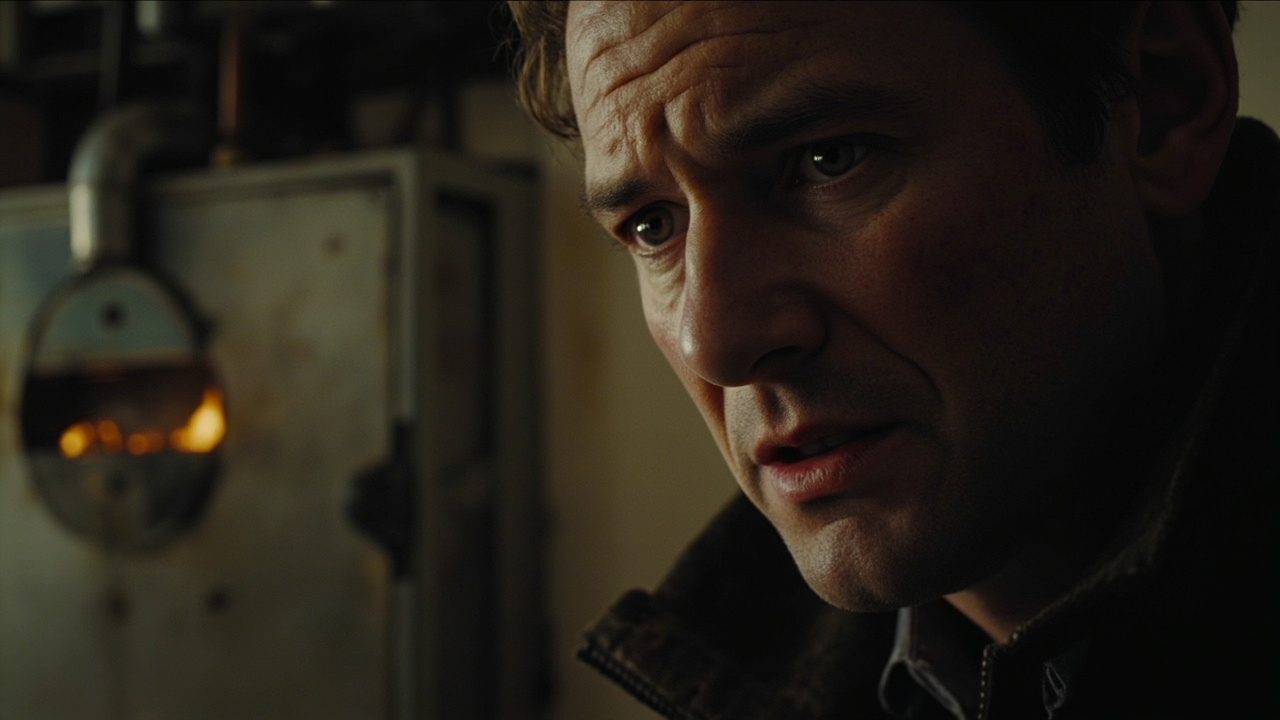
Detroit's aging housing stock compounds the problem. Many furnaces in the city are 15 to 20 years old, and heat exchangers crack over time. When a heat exchanger fails, combustion gases leak into your home instead of venting outside. The signs of a carbon monoxide leak include soot buildup around your furnace, yellow or orange flames instead of blue, and moisture on windows near heating equipment.

Most Detroit residents run their furnaces at full capacity during winter cold snaps. This is exactly when cracked heat exchangers and blocked flue pipes cause carbon monoxide to seep into living spaces. The indicators of carbon monoxide exposure progress from mild headaches to confusion, loss of consciousness, and death if you ignore the symptoms.

Detroit Homes Face Hidden Carbon Monoxide Risks Year-Round
How Professional HVAC Technicians Detect Carbon Monoxide Sources

How Professional HVAC Technicians Detect Carbon Monoxide Sources

Identifying carbon monoxide symptoms in your family is just the first step. You need to find the source and fix it immediately. Professional technicians use calibrated electronic sensors that measure carbon monoxide in parts per million. These tools detect trace amounts that standard home CO detectors miss until concentrations reach dangerous levels.

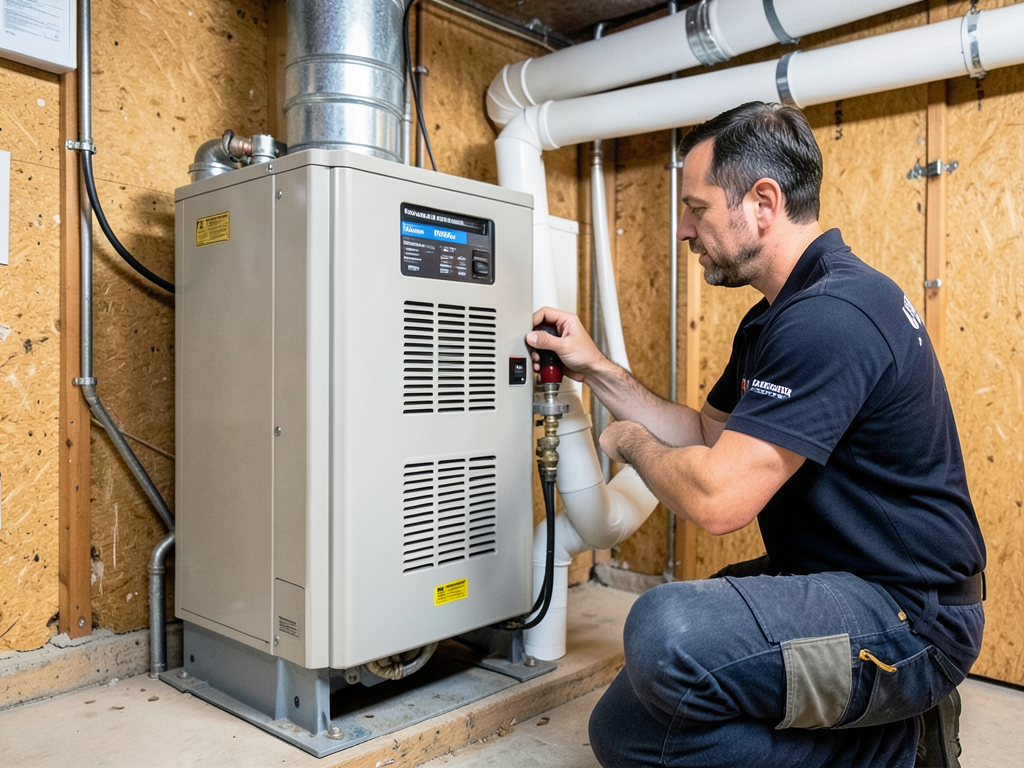
The inspection starts at your furnace. Technicians examine the heat exchanger for cracks, rust, or corrosion. A cracked heat exchanger allows combustion gases to mix with the air circulating through your ductwork. We use a combustion analyzer to measure flue gas composition and draft pressure. If the numbers are off, your furnace is not venting properly.

Next, we check your flue pipe and chimney. In Detroit, freeze-thaw cycles cause masonry chimneys to deteriorate. Mortar joints crack, and flue tiles separate. Birds nest in unused chimneys during summer, then homeowners fire up furnaces in October without checking for blockages. A blocked flue forces carbon monoxide back into your home instead of exhausting it outside.

Gas water heaters and kitchen ranges also produce carbon monoxide. Technicians inspect burner flames, pilot lights, and vent pipes. A yellow or flickering flame means incomplete combustion, which generates higher carbon monoxide levels. We measure ambient CO concentrations throughout your home to map where the gas accumulates.

The testing process includes pressure testing your ductwork for leaks. If return ducts in your basement or crawl space have gaps, they pull combustion gases from the furnace area into your breathing air. Detroit's older homes often have unsealed duct connections that create negative pressure zones near heating equipment.

What Happens During a Carbon Monoxide Safety Assessment

Signs of Carbon Monoxide in Detroit – Recognize the Warning Signs Before It's Too Late
01

Baseline Ambient Testing

We measure carbon monoxide levels in every room before touching your HVAC equipment. This establishes a baseline and identifies hot spots where CO accumulates. The readings tell us whether you have an active leak or residual contamination from a previous incident. We pay special attention to bedrooms and enclosed spaces where sleeping residents would not notice carbon monoxide symptoms until exposure becomes severe.
02

Combustion Equipment Analysis

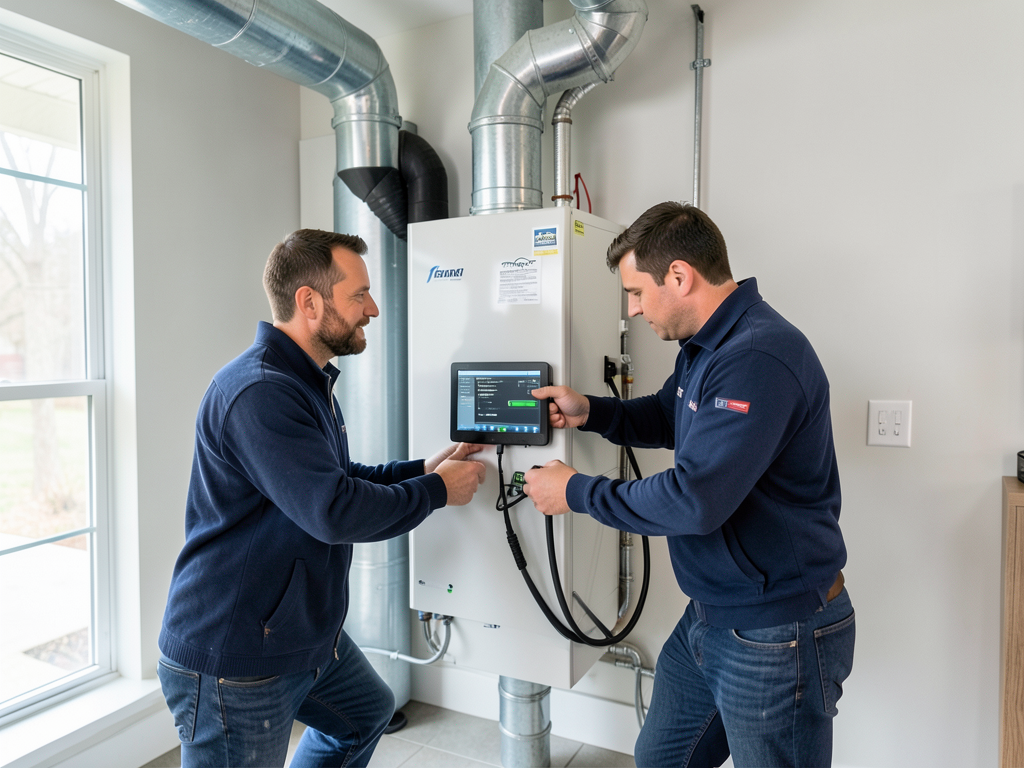
Every fuel-burning appliance gets tested with a digital combustion analyzer. We measure oxygen levels, carbon monoxide output, and flue draft pressure while your furnace runs through a full heating cycle. The analyzer shows whether combustion is complete and if exhaust gases vent properly. This data reveals heat exchanger failures, burner problems, and venting issues that standard visual inspections miss.
03

Ventilation and Airflow Verification

We verify that your home has adequate fresh air supply and proper exhaust ventilation. Tight weatherization without makeup air creates negative pressure that pulls combustion gases from water heaters and furnaces. We check flue pipes for corrosion, separation, and proper pitch. You receive a detailed report showing carbon monoxide readings at each appliance and recommendations prioritized by safety risk.

Why Detroit Homeowners Trust Local HVAC Experts for Carbon Monoxide Safety

Carbon monoxide detection requires technicians who understand how Detroit's climate and housing stock affect HVAC systems. Ace HVAC Detroit trains specifically on the equipment and construction methods common in this region. We work on furnaces in century-old homes and modern high-efficiency systems in new construction. This breadth of experience means we recognize carbon monoxide warning signs that less experienced companies miss.

Detroit's building codes require carbon monoxide detectors within 10 feet of sleeping areas, but code compliance is just the starting point. Detectors only alert you after CO reaches 70 parts per million for extended periods. Our testing equipment detects problems at 9 ppm, giving you advance warning before concentrations become life-threatening.

We know Detroit's neighborhoods. Homes in Palmer Woods have large gravity furnaces that require specialized venting analysis. Bungalows in Warrendale often have undersized flue pipes that cause backdrafting. The masonry chimneys in Boston-Edison homes deteriorate from the inside, and you can't see the damage without a camera inspection. Local knowledge matters when carbon monoxide symptoms could be caused by any number of regional-specific issues.

Emergency response matters when you detect signs of a carbon monoxide leak. Our trucks carry replacement heat exchangers, vent pipes, and CO alarms so we can restore safety the same day. You won't wait three days for parts while your family sleeps in a hotel. Detroit winters are brutal, and you need heat immediately.

We also understand that many Detroit homeowners are on fixed incomes. Carbon monoxide testing is affordable, and we explain repair options at different price points. Safety comes first, but we work within your budget to protect your family.

What to Expect During Carbon Monoxide Testing and Remediation

Same-Day Service Availability

If you call with carbon monoxide poisoning symptoms or a detector alarm, we respond immediately. Carbon monoxide emergencies get priority scheduling because delay increases exposure risk. Standard safety assessments for concerned homeowners typically happen within 48 hours. The actual testing takes 60 to 90 minutes depending on how many fuel-burning appliances you have. We work around your schedule and explain everything we find in plain language. You get written documentation with carbon monoxide readings at each location and prioritized repair recommendations.

Comprehensive Multi-Point Assessment

The evaluation covers every potential carbon monoxide source in your home. We inspect your furnace, water heater, gas range, dryer vent, and fireplace. Each appliance gets tested under operating conditions to measure actual carbon monoxide output. Technicians check flue pipes for corrosion, disconnection, and proper slope. We examine your chimney liner if you have one. The combustion analyzer measures oxygen content, carbon monoxide, and draft pressure. This data reveals whether combustion is complete and if exhaust gases vent safely outside.

Clear Safety Documentation

You receive a written report showing carbon monoxide measurements throughout your home. The report includes photos of problem areas and explains what we found in language you can understand. If we discover indicators of carbon monoxide production, the report details the source, the risk level, and repair options. Critical safety issues get flagged for immediate attention. Lower-priority items get categorized as maintenance recommendations you can schedule later. You keep the documentation for your records and can share it with future buyers when you sell your home.

Ongoing Monitoring and Prevention

After resolving carbon monoxide issues, we install properly placed CO detectors if you don't have them. You need one detector on each level of your home and one within 10 feet of bedrooms. We recommend annual furnace maintenance that includes combustion testing to catch problems before they create carbon monoxide hazards. Heat exchangers crack gradually, so yearly inspections reveal deterioration early. Our maintenance plans include priority scheduling and discounted service calls. Consistent monitoring prevents carbon monoxide symptoms before they start.

Frequently Asked Questions

You Have Questions,
We Have Answers

What are signs of carbon monoxide in the house? +

Carbon monoxide is odorless and invisible, so you cannot detect it directly. Watch for physical symptoms in yourself and others: persistent headaches, dizziness, nausea, confusion, shortness of breath, or flu-like illness without fever. Pay attention to environmental clues. Does your gas furnace have a yellow or orange flame instead of blue? Do you see soot buildup around appliances? Does condensation appear on windows near your water heater? In Detroit homes with older heating systems, these visual indicators often appear before symptoms worsen. If multiple people feel sick simultaneously, evacuate immediately and call 911.

How long after carbon monoxide exposure do you get symptoms? +

Symptoms can appear within minutes or take hours, depending on concentration levels. High concentrations cause dizziness, headache, and nausea within 10 to 30 minutes. Lower levels produce mild symptoms after one to two hours of exposure. Detroit residents using gas furnaces during cold snaps face prolonged exposure risk if equipment malfunctions overnight. You may wake feeling tired or headachy without realizing the cause. Children, elderly individuals, and those with heart conditions show symptoms faster than healthy adults. If you suspect exposure, get fresh air immediately and seek medical evaluation, even if symptoms seem minor.

How can I check if I have carbon monoxide? +

Install battery-powered carbon monoxide detectors on every level of your home, especially near sleeping areas. Test detectors monthly and replace batteries twice yearly. For Detroit homes built before 1990, place detectors near your furnace and water heater. If you lack a detector, watch for physical symptoms: headache, dizziness, weakness, or confusion. Check appliance pilot lights for yellow or orange flames instead of blue. If your detector alarms or you suspect exposure, evacuate immediately, call 911 from outside, and do not re-enter until emergency responders clear your home. Never ignore alarm signals.

Can a small gas leak make you feel sick? +

Yes. Even small natural gas leaks can cause headaches, fatigue, dizziness, nausea, and breathing difficulties. Natural gas contains trace amounts of carbon monoxide, but the primary danger comes from oxygen displacement in confined spaces. Detroit homeowners with older gas lines may experience slow leaks that worsen over time. If you smell rotten eggs (the odor additive in natural gas), feel suddenly ill at home but better when outside, or notice dead houseplants near gas appliances, evacuate and call your utility company immediately. Small leaks escalate into explosion hazards without warning.

Can a phone app detect carbon monoxide? +

No. Phone apps cannot detect carbon monoxide. Your smartphone lacks the specialized electrochemical sensors required to measure CO concentrations in air. Apps claiming this ability are dangerous misinformation. Carbon monoxide is odorless, colorless, and undetectable without proper equipment. Detroit residents must install UL-listed carbon monoxide detectors with digital displays showing parts-per-million readings. These devices cost $20 to $50 and save lives. Do not trust gimmicks or shortcuts. If you suspect exposure, evacuate immediately and call 911. Proper detectors are the only reliable early warning system for this silent killer.

How can I detect carbon monoxide without a detector? +

You cannot reliably detect carbon monoxide without a detector, which is why it kills hundreds annually. Watch for indirect signs: sudden onset of flu-like symptoms without fever, pets acting lethargic or sick, yellow or orange appliance flames instead of blue, excessive moisture on windows, or soot accumulation around your furnace. In Detroit, older homes with original heating systems show visible corrosion or rust on vent pipes. If multiple household members feel ill simultaneously or symptoms improve when you leave home, evacuate and call 911. Never gamble with carbon monoxide. Install detectors immediately.

Can I go to sleep after carbon monoxide exposure? +

No. Never go to sleep after carbon monoxide exposure. CO remains in your bloodstream for hours, and symptoms worsen as you continue breathing contaminated air. Sleeping reduces your oxygen intake and accelerates poisoning. Detroit winters tempt residents to sleep near malfunctioning heaters, which proves fatal. If you suspect exposure, get fresh air immediately, call 911, and seek medical evaluation. Emergency responders will test your blood carboxyhemoglobin levels and administer oxygen therapy if needed. Even mild exposure requires professional assessment. Carbon monoxide continues poisoning you while you sleep, potentially causing brain damage or death.

Is a small amount of carbon monoxide ok? +

No. There is no safe carbon monoxide level for prolonged exposure. OSHA workplace limits allow 50 parts per million for eight hours, but residential exposure should trigger immediate action. Detroit homes should maintain zero detectable CO. Even low concentrations cause cumulative damage over time, affecting cognitive function, cardiovascular health, and fetal development in pregnant women. Your detector should read zero in normal conditions. Readings above 9 ppm indicate a problem requiring professional inspection. Chronic low-level exposure mimics other conditions, making diagnosis difficult. Any measurable carbon monoxide presence means your heating system or appliances need immediate repair.

Can you recover from mild carbon monoxide poisoning on your own? +

Mild poisoning victims often recover after getting fresh air and rest, but medical evaluation remains critical. Carbon monoxide binds to hemoglobin 200 times stronger than oxygen, starving tissues of oxygen for hours after exposure ends. Detroit emergency rooms provide oxygen therapy to speed recovery and prevent delayed neurological damage. Symptoms like headache and nausea may resolve within hours, but cognitive impairment can persist for weeks. Children, elderly individuals, and those with heart conditions face higher complication risks. Never assume you are fine without medical clearance. Blood tests confirm carboxyhemoglobin levels and guide treatment decisions.

What's the most common household thing to cause a carbon monoxide leak? +

Malfunctioning furnaces cause most residential carbon monoxide leaks. In Detroit, aging gas furnaces with cracked heat exchangers allow combustion gases to escape into living spaces. Other common sources include gas water heaters with blocked vents, attached garages where cars idle, portable generators used indoors during power outages, and gas stoves used for heating. Detroit homes built before 1980 often have original HVAC systems past their 15 to 20 year lifespan. Annual furnace inspections by licensed technicians prevent most leaks. Never use outdoor equipment indoors, and ensure proper ventilation for all fuel-burning appliances.

Why Detroit's Aging Furnaces Create Higher Carbon Monoxide Risks

Detroit's housing stock is among the oldest in the Midwest, and many homes still run original furnaces from the 1970s and 1980s. These older units lack the safety features built into modern equipment. Heat exchangers crack after 20 years of expansion and contraction during heating cycles. Detroit's temperature swings from subzero winter nights to mild fall days force furnaces to cycle on and off constantly, accelerating metal fatigue. The result is more cracked heat exchangers per capita than cities with newer housing or milder climates. This makes recognizing carbon monoxide warning signs critical for Detroit residents.

Local HVAC technicians understand the specific equipment installed throughout Metro Detroit. We recognize the furnace brands that dominated local installations in each decade and know their common failure points. Wayne County building codes require carbon monoxide detectors in residential properties, but enforcement is inconsistent in older neighborhoods. Ace HVAC Detroit works with homeowners to bring properties up to current safety standards affordably. Our technicians live in the same communities we serve, and we take carbon monoxide safety personally because our own families face the same risks.
HVAC Services in The Detroit Area

We invite you to explore our service area and locate our business on the map. Ace HVAC is strategically positioned to efficiently serve all residential and commercial clients within the Detroit metropolitan area and surrounding communities, ensuring prompt response times and convenient access to our expert heating and cooling solutions whenever you need us.

Address:
Ace HVAC Detroit, 7300 Woodward Ave, Detroit, MI, 48202

Additional Services We Offer

Our news updates

Latest Articles & News from The Blogs

Why Financing Your Detroit HVAC System Makes Sense Detroit homeowners face extreme seasonal swings. Winter lows can drop below zero…

How to Choose an HVAC Financing Plan That Won't Break Your Monthly Budget

Why Financing Your Detroit HVAC System Makes Sense Detroit homeowners face extreme seasonal swings. Winter lows can drop below zero…

Why Your New Center Apartment Smells Like Burning Dust Every Time the Heat Kicks On

Why Your New Center Apartment Smells Like Burning Dust Every Time the Heat Kicks On That burning dust smell when…

Comparing the Most Reliable Furnace Brands for the Harsh Winters in Shelby Township

Comparing the Most Reliable Furnace Brands for the Harsh Winters in Shelby Township\n\nWhen a January Polar Vortex hits Shelby Township…

Contact Us

Do not wait until someone in your home shows carbon monoxide poisoning symptoms. Call (313) 552-7177 now for a comprehensive carbon monoxide safety assessment. We respond to emergencies immediately and schedule standard testing within 48 hours. Your family's safety is too important to risk.