Menu

Noisy AC or Heater in Detroit – Expert Diagnosis and Permanent Fixes for Every Sound

When your HVAC system starts rattling, squealing, or banging, you need technicians who can pinpoint the exact cause and repair it right the first time, preventing further damage to your equipment and restoring comfort to your Detroit home.

Slider Image 1
Slider Image 2
Slider Image 3
Slider Image 4
Slider Image 5
Slider Image 7
Slider Image 8
Slider Image 9
Slider Image 10
Slider Image 11

Why Detroit HVAC Systems Develop Unusual Noises

A loud air conditioner or furnace making noise is not just an annoyance. It is a warning sign that something inside your system is breaking down or operating under stress. In Detroit, where HVAC systems work overtime through humid summers and freezing winters, components wear faster than in milder climates. The constant cycling between heating and cooling puts strain on blower motors, compressors, and belt drives.

When you hear a noisy HVAC system, you are listening to metal-on-metal contact, loose mounting hardware, or bearings that have lost lubrication. A loud heater often signals a cracked heat exchanger, delayed ignition, or expanding ductwork. An air conditioner making noise might have a failing compressor, refrigerant flow issues, or debris caught in the condenser unit. The freeze-thaw cycles that Detroit experiences cause expansion and contraction in ductwork, leading to popping and banging sounds as metal flexes.

Older homes in neighborhoods like Corktown and Indian Village have original ductwork that was never designed for modern high-efficiency systems. The increased airflow velocity in undersized ducts creates whistling and rushing sounds. Meanwhile, homes near the Detroit River face higher humidity levels that accelerate rust and corrosion on outdoor units, leading to vibration and rattling as mounting pads deteriorate.

Ignoring these sounds leads to complete system failure, often at the worst possible time. What starts as a minor bearing squeal becomes a seized blower motor. A rattling compressor turns into a refrigerant leak. The cost of neglect is always higher than the cost of diagnosis.

Why Detroit HVAC Systems Develop Unusual Noises
How We Isolate and Eliminate HVAC Noise at the Source

How We Isolate and Eliminate HVAC Noise at the Source

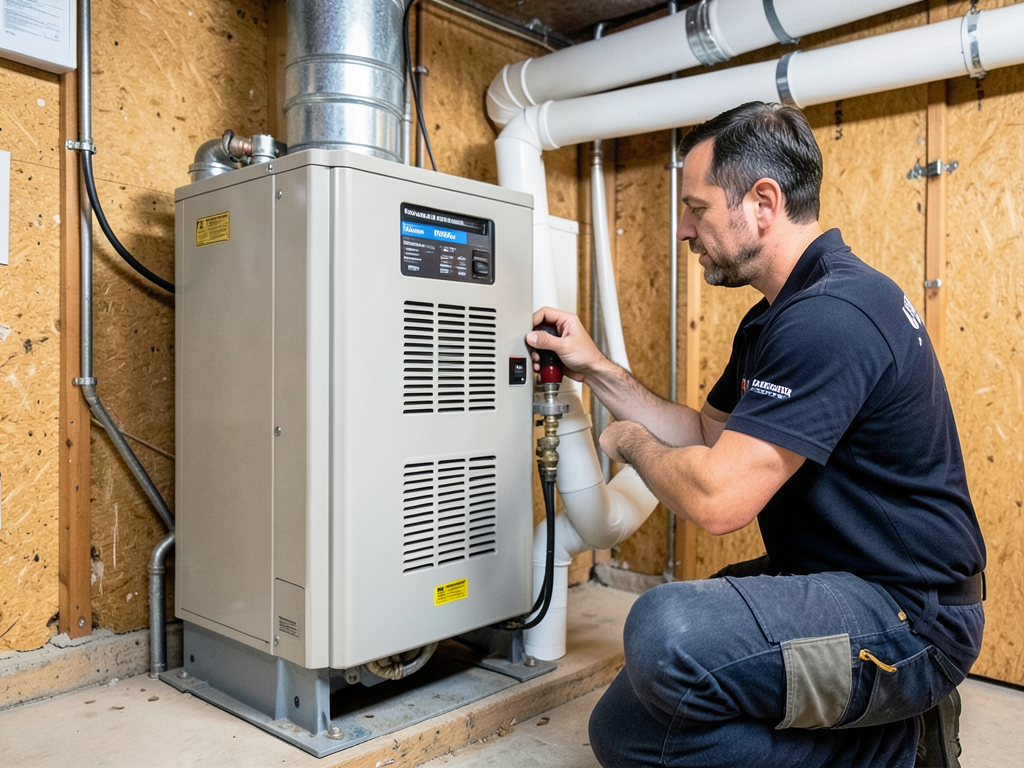
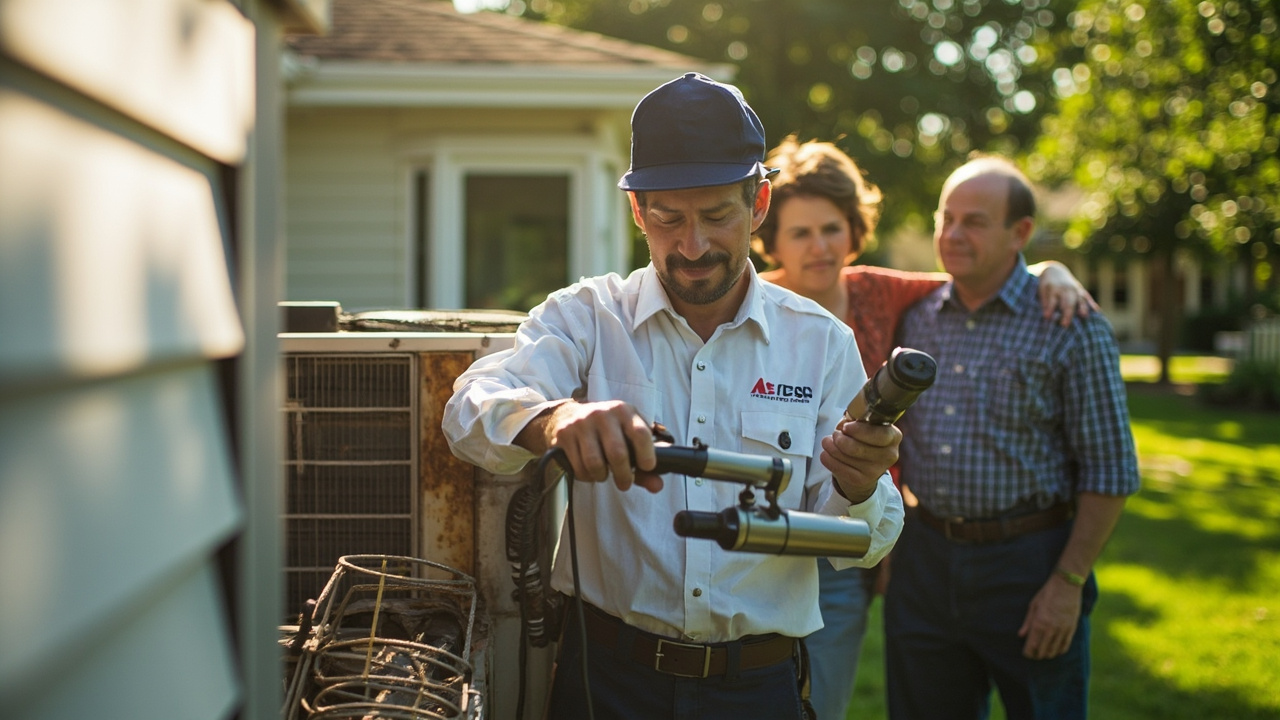
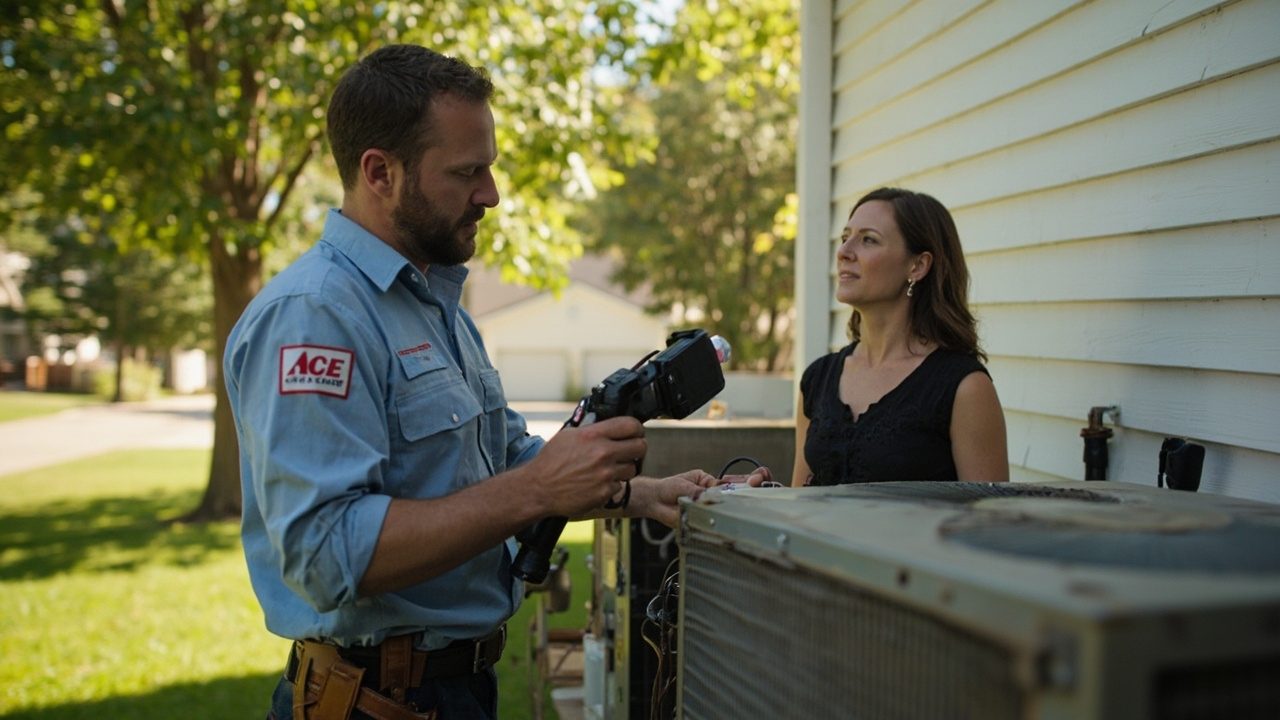
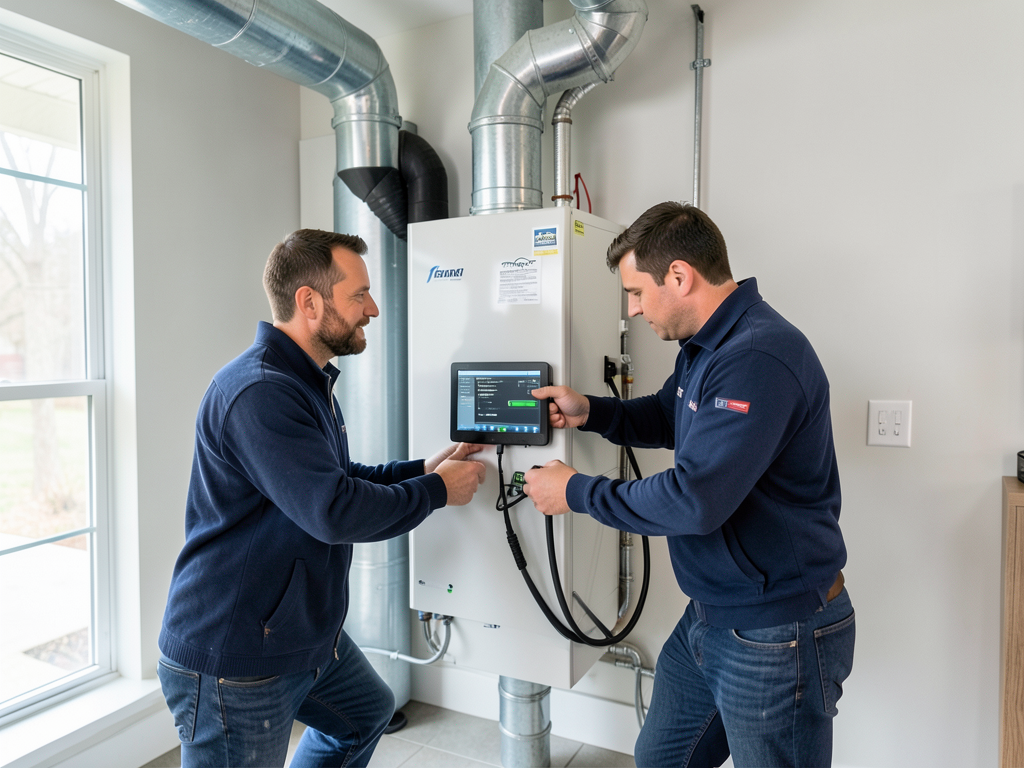
We do not guess. We use systematic diagnostic protocols to identify the exact component causing your loud air conditioner or furnace making noise. Our technicians arrive with calibrated sound measurement tools and thermal imaging cameras to pinpoint heat signatures that indicate bearing failure or electrical resistance issues.

The first step is isolating whether the noise originates in the air handler, the outdoor condenser, or the ductwork. We shut down the system in stages to identify which component is creating the sound. A noisy HVAC system often has multiple small issues compounding into one loud problem. A loose blower wheel combined with worn motor mounts and undersized return ducts creates a symphony of mechanical distress.

For a loud heater, we inspect the heat exchanger for cracks using a combustion analyzer and visual inspection. We check the ignition sequence timing because delayed gas ignition causes a mini-explosion that sounds like a boom. We examine flame sensors and gas pressure to confirm proper combustion. Expanding ductwork gets diagnosed by checking for loose seams, inadequate support hangers, and thermal expansion gaps.

When your air conditioner is making noise, we measure refrigerant pressures, inspect compressor mounting bolts, and check for liquid slugging in the suction line. We verify that the condenser fan is balanced and that the mounting pad is level. We look for bent fan blades, debris in the coil fins, and loose electrical contactors that buzz.

After diagnosis, we make surgical repairs. We do not replace entire systems when a motor mount or a blower capacitor will solve the problem. You get the most cost-effective repair that eliminates the noise permanently.

What Happens During Your Noise Diagnosis Appointment

Noisy AC or Heater in Detroit – Expert Diagnosis and Permanent Fixes for Every Sound
01

Sound Source Identification

Our technician listens to your system while it runs through a complete heating or cooling cycle. We operate the equipment at different speeds and modes to replicate the noise you are hearing. We use a decibel meter to measure sound levels and determine if vibration is transferring through ductwork or structural components. This tells us whether the problem is mechanical, airflow-related, or electrical.
02

Component-Level Inspection

We open the air handler and condenser to inspect belts, bearings, motor mounts, and electrical contactors. We check for loose hardware, worn rubber isolators, and misaligned pulleys. We measure voltage and amperage at the compressor and blower motor to detect electrical issues that cause humming or buzzing. We inspect ductwork joints and hangers for movement. This step identifies the exact failed part.
03

Repair and Verification

We replace the failed component using OEM or equivalent parts. We tighten mounting hardware to manufacturer torque specifications and apply vibration dampening pads where needed. After the repair, we run the system through multiple cycles to verify the noise is eliminated. We measure sound levels again to confirm the system is operating within normal parameters. You hear the difference immediately.

Why Detroit Homeowners Trust Ace HVAC Detroit for Noise Diagnosis

Detroit HVAC systems face unique challenges that out-of-state or inexperienced technicians miss. We understand how the city's temperature swings affect equipment performance. We know that homes in Grosse Pointe and Palmer Woods have different ductwork layouts than newer builds in Midtown. We have diagnosed noise issues in every type of residential system, from gravity furnaces in century-old homes to multi-zone heat pumps in modern construction.

Our technicians carry parts inventory on their trucks because we know which components fail most often in Detroit's climate. Blower motors, capacitors, and contactors are always in stock. We do not make multiple trips or order parts that take weeks to arrive. You get same-day repairs in most cases.

We also understand the building codes and mechanical standards specific to Wayne County. When we repair or replace components, the work meets local inspection requirements. This matters when you sell your home or file an insurance claim. Improper repairs void manufacturer warranties and create liability issues.

Ace HVAC Detroit has built its reputation on diagnostic accuracy. We do not upsell you on equipment you do not need. If your furnace making noise can be fixed with a motor mount replacement, we tell you that instead of pushing a new furnace. If your loud air conditioner needs a compressor, we explain why and show you the failed part.

We also provide written documentation of our findings. You get a detailed report explaining what was wrong, what we repaired, and what preventive maintenance will extend the life of your system. This transparency builds trust and helps you make informed decisions about future repairs or replacements.

What You Can Expect from Our Noise Repair Service

Response Time and Scheduling

We offer same-day diagnostic appointments for Detroit residents dealing with a noisy HVAC system. Our dispatch team coordinates arrival windows and confirms technician en route status by text. Most noise diagnoses are completed within 60 to 90 minutes, depending on system complexity. If the repair requires a specialty part, we source it locally when possible to minimize wait time. You are not left guessing when your system will be quiet again.

Diagnostic Process and Transparency

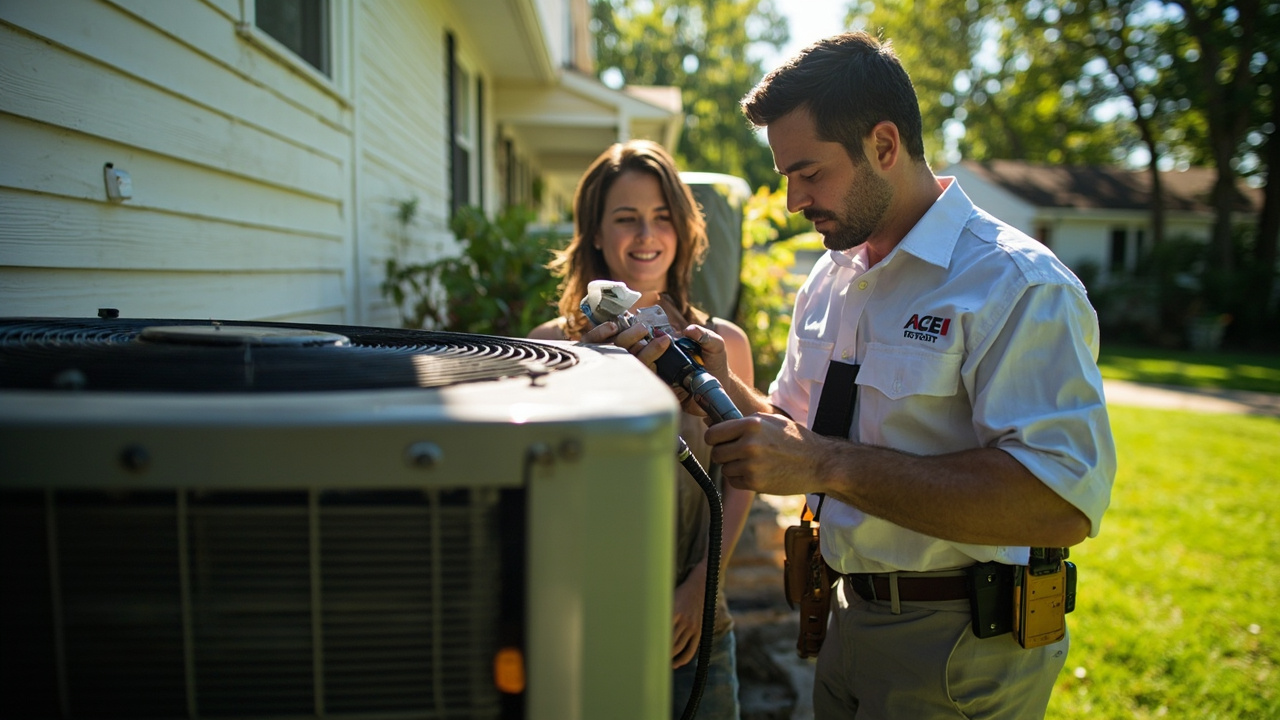
Our technicians explain what they are testing and why. You see the diagnostic tools in action and hear the difference between normal operating sounds and mechanical failure. We show you the failed component and explain how it caused the noise. Before any repair, you receive a written estimate with parts and labor broken out. There are no surprise charges. If multiple issues exist, we prioritize them by urgency and cost so you can decide what to address immediately.

Quality of Repair Work

We use OEM replacement parts when available or high-quality aftermarket equivalents that meet or exceed manufacturer specifications. Our technicians follow torque specs, clearance requirements, and electrical code standards during installation. After the repair, we test the system under load to confirm the noise is gone and the equipment is operating efficiently. You receive documentation of the work performed, including part numbers and serial numbers for warranty tracking.

Ongoing Maintenance Recommendations

After resolving your loud heater or air conditioner making noise, we provide a maintenance plan customized to your system and usage patterns. This includes filter change schedules, lubrication intervals for motor bearings, and ductwork inspection recommendations. Regular maintenance prevents most noise issues from developing. We offer seasonal tune-up packages that include noise and vibration checks as part of the service. This proactive approach saves you money and extends equipment life.

Frequently Asked Questions

You Have Questions,
We Have Answers

Why is my AC so loud all of a sudden? +

A sudden loud noise usually signals a failing component. Loose fan blades rattle against the housing. Worn compressor bearings grind and screech. Debris in the outdoor unit creates banging sounds. In Detroit, freeze-thaw cycles can loosen mounting bolts, causing vibration noise. A failing capacitor makes the motor strain and hum loudly. Refrigerant leaks cause hissing. Ductwork expanding from temperature changes creates popping sounds in older Detroit homes. Turn off your system immediately to prevent further damage. A trained technician can diagnose the exact source and prevent a total breakdown.

What is the 3 minute rule for AC? +

The 3 minute rule prevents compressor damage. After your AC shuts off, wait at least 3 minutes before restarting. This allows refrigerant pressure to equalize between the high and low sides of the system. Restarting too quickly forces the compressor to start against high pressure, which strains the motor and can burn out the capacitor. In Detroit's humid summers, frequent short cycling without this delay wears out your equipment faster. Most modern thermostats have built-in delay protection, but manual restarts require patience to protect your investment.

What is the $5000 AC rule? +

The $5000 rule helps you decide between repair and replacement. If your AC is over 10 years old, multiply the repair cost by the system age. If the result exceeds $5000, replace the unit instead of repairing it. For example, a $600 repair on a 12-year-old system equals $7200, suggesting replacement. Detroit's temperature extremes stress aging equipment. Newer units offer better efficiency for our muggy summers, reducing energy bills. This rule is a guideline, not absolute. Consider refrigerant type, efficiency ratings, and whether your current system uses outdated R-22 refrigerant.

What does an AC compressor sound like when it's going out? +

A dying compressor makes distinct warning sounds. You will hear grinding metal, indicating worn internal bearings. Clicking or chattering means electrical relay problems. Loud humming without the unit starting signals a seized motor or failed capacitor. Rattling suggests loose internal components. In Detroit, compressors work harder during humid summer nights, accelerating wear. Some units make a high-pitched squealing before total failure. If you hear any unusual compressor noise, shut down your system immediately. Running a failing compressor can cause complete motor burnout, turning a repair into a full replacement.

What does a blown blower motor sound like? +

A blown blower motor creates specific failure sounds. You will hear a loud humming or buzzing with no airflow, indicating the motor is receiving power but cannot turn. Screeching or squealing points to seized bearings. Rattling means the fan wheel is loose or damaged. Intermittent clicking suggests electrical failure. Complete silence with no air movement often means total motor death. Detroit homes with central air run blower motors year-round for heating and cooling, wearing them faster. Burning smells accompany electrical failure. Replace a failed blower motor promptly to restore airflow and prevent secondary damage.

How much does it cost to replace a capacitor in an AC unit? +

Capacitor replacement typically costs between $150 and $400 in the Detroit metro area. The part itself runs $10 to $50, but you pay for trained diagnosis and safe electrical work. Prices vary by capacitor type, system accessibility, and service call fees. Dual-run capacitors cost more than single-run versions. Emergency weekend service costs extra. Detroit's humidity can corrode capacitor connections, requiring additional work. Never attempt DIY replacement. Capacitors store lethal voltage even when power is off. A failed capacitor strains your compressor, so quick professional replacement prevents bigger repair bills.

How cool should my house be if it's 100 outside? +

Expect your home to sit around 75 to 80 degrees when outside temps hit 100. Most residential AC units can cool about 20 degrees below outdoor temperature. In Detroit, extreme heat days stress systems designed for our typical climate. High humidity makes it feel warmer than the thermostat shows. Older homes with poor insulation struggle more. Close blinds on south-facing windows. Run ceiling fans to improve air circulation. Avoid setting your thermostat below 72, which forces your system to run constantly without reaching the target, wasting energy and risking breakdown.

How to tell if an AC capacitor is bad? +

A bad capacitor shows clear symptoms. Your outdoor unit hums but does not start. The fan spins slowly or not at all. You smell burning from the outdoor unit. The system cycles on and off rapidly. Your energy bills spike without explanation. In Detroit's humid climate, capacitors fail faster due to moisture and temperature swings. Visually inspect the capacitor for bulging, leaking oil, or a swollen top. These signs mean immediate replacement. Use a multimeter to test capacitance if you have electrical experience, but most homeowners should call a technician for safe diagnosis and replacement.

How do the amish keep cool in the summer? +

The Amish use passive cooling strategies applicable to anyone. They open windows at night to flush hot air, then close them at dawn to trap cool air. They plant shade trees on south and west sides. They use whole-house fans to pull air through. Basements provide natural cooling. They wear light, breathable fabrics. They cook outdoors to avoid heating the house. They schedule heavy work for early morning. Some use propane-powered refrigeration. While Detroit Amish communities are small, these principles work in our climate. Modern homes can combine these passive methods with efficient AC for lower bills.

Can I write off my new AC unit on my taxes? +

You can potentially claim tax credits for qualifying AC units. The Inflation Reduction Act offers credits up to $2000 for high-efficiency central air systems meeting specific SEER2 ratings. The unit must be your primary residence, not a rental. Energy Star certification is typically required. Detroit homeowners should consult a tax professional for current rules, as credits change yearly. Keep all receipts and manufacturer certification statements. Some utility companies offer additional rebates for efficient systems. Medical necessity deductions exist in rare cases with doctor documentation. Standard repairs and replacements are not deductible as home improvements.

How Detroit's Freeze-Thaw Cycles Accelerate HVAC Noise Problems

Detroit experiences some of the most dramatic temperature swings in the Midwest, with winter lows below zero and summer highs in the 90s. This extreme cycling forces your HVAC system to transition rapidly between heating and cooling modes, often multiple times in a single week during spring and fall. The constant expansion and contraction of metal components loosens mounting hardware and stresses blower bearings. Outdoor condensers sitting on concrete pads near the Rouge River or along Jefferson Avenue face additional corrosion from road salt and moisture, accelerating rust on fan blades and coil fins. This creates vibration and rattling that worsens each season.

Ace HVAC Detroit has served neighborhoods from Southwest Detroit to the Grosse Pointes for years, diagnosing noise issues caused by local environmental factors that national chains overlook. We understand how homes built in different eras require different diagnostic approaches. A bungalow in Rosedale Park has different ductwork and airflow dynamics than a colonial in Boston Edison. We know which parts fail most often in Detroit's climate and stock them accordingly. When you call us for a loud air conditioner or furnace making noise, you get a technician who has solved this exact problem in your neighborhood before.
HVAC Services in The Detroit Area

We invite you to explore our service area and locate our business on the map. Ace HVAC is strategically positioned to efficiently serve all residential and commercial clients within the Detroit metropolitan area and surrounding communities, ensuring prompt response times and convenient access to our expert heating and cooling solutions whenever you need us.

Address:
Ace HVAC Detroit, 7300 Woodward Ave, Detroit, MI, 48202

Additional Services We Offer

Our news updates

Latest Articles & News from The Blogs

Why Financing Your Detroit HVAC System Makes Sense Detroit homeowners face extreme seasonal swings. Winter lows can drop below zero…

How to Choose an HVAC Financing Plan That Won't Break Your Monthly Budget

Why Financing Your Detroit HVAC System Makes Sense Detroit homeowners face extreme seasonal swings. Winter lows can drop below zero…

Why Your New Center Apartment Smells Like Burning Dust Every Time the Heat Kicks On

Why Your New Center Apartment Smells Like Burning Dust Every Time the Heat Kicks On That burning dust smell when…

Comparing the Most Reliable Furnace Brands for the Harsh Winters in Shelby Township

Comparing the Most Reliable Furnace Brands for the Harsh Winters in Shelby Township\n\nWhen a January Polar Vortex hits Shelby Township…

Contact Us

Call Ace HVAC Detroit now at (313) 552-7177 to schedule your same-day diagnostic appointment. We will identify the source of your loud air conditioner or furnace making noise and provide a clear repair solution that restores quiet comfort to your home.