Menu

New HVAC System Cost 2026 in Detroit – Complete Pricing Breakdown and Equipment Comparison

Get transparent pricing for new HVAC system cost 2026 installations across Detroit. Compare equipment tiers, understand size requirements, and see exactly what drives your total investment before you commit.

Slider Image 1
Slider Image 2
Slider Image 3
Slider Image 4
Slider Image 5
Slider Image 7
Slider Image 8
Slider Image 9
Slider Image 10
Slider Image 11

Why Detroit Homeowners Are Planning HVAC Replacements Now

Detroit's aging housing stock and brutal seasonal swings are pushing thousands of homeowners toward system replacement decisions in 2026. If your furnace or air conditioner is over 15 years old, you are sitting on borrowed time. The 2026 HVAC replacement cost question is not if, but when.

Detroit winters demand reliable heating. A furnace failure in January is not just uncomfortable; it is dangerous. Summers bring humidity that tests aging compressors. Your system works harder here than in temperate climates, which accelerates wear on critical components like heat exchangers and blower motors.

The average HVAC system price 2026 has shifted due to federal efficiency mandates and supply chain stabilization. Equipment that was scarce in 2022 is now available, but the new minimum efficiency standards mean older budget models are gone. You are choosing between better equipment at higher upfront costs or paying more monthly in energy bills with outdated technology.

New HVAC installation pricing 2026 is also affected by Detroit's mix of home types. Bungalows in neighborhoods like Rosedale Park have different ductwork challenges than newer builds in the suburbs. Split-level homes near Palmer Woods require zoning considerations that ranch homes in Redford do not. Your home's architecture directly impacts the 2026 heating and cooling system cost.

The HVAC replacement price guide 2026 is not one-size-fits-all. You need specifics for Detroit's climate zone, your home's square footage, insulation quality, and whether your ductwork can handle modern high-efficiency equipment. Generic online calculators fail here because they cannot account for Detroit's freeze-thaw cycles that affect duct sealing and refrigerant line integrity.

Why Detroit Homeowners Are Planning HVAC Replacements Now
How System Sizing and Equipment Tiers Determine Your Investment

How System Sizing and Equipment Tiers Determine Your Investment

The biggest mistake Detroit homeowners make is replacing their old system with the same tonnage without running a proper Manual J load calculation. Your contractor should measure your home's actual heating and cooling needs based on insulation levels, window efficiency, air infiltration rates, and orientation. An oversized furnace short-cycles, which destroys efficiency and shortens component life. An undersized unit runs constantly and never reaches comfortable temperatures.

Equipment tier selection drives the 2026 HVAC replacement cost more than any other factor. Entry-level single-stage systems cycle on and off at full capacity. Mid-tier two-stage equipment runs at lower capacity most of the time, which improves efficiency and comfort. Top-tier variable-speed systems modulate output continuously, matching your exact load minute by minute.

SEER2 ratings for air conditioners now start at 14.3 in the North. AFUE ratings for furnaces range from 80 percent for builder-grade units to 98 percent for condensing models. The efficiency gap matters in Detroit because you use both heating and cooling extensively. A 95 percent AFUE furnace saves substantial gas costs over a 15-year lifespan compared to an 80 percent model.

Ductwork condition affects the average HVAC system price 2026 because leaky ducts waste 20 to 30 percent of conditioned air. If your ducts are original to a 1960s home, you need sealing or replacement. We use duct blasters to measure actual leakage rates and prioritize repairs that deliver the highest return.

Refrigerant type matters. R-410A is being phased down. Newer R-454B and R-32 systems require different components and are not backward compatible. If you install R-410A equipment now, you are buying technology on the way out, which complicates future service and refrigerant availability.

What Happens During Your System Replacement Estimate

New HVAC System Cost 2026 in Detroit – Complete Pricing Breakdown and Equipment Comparison
01

In-Home Load Assessment

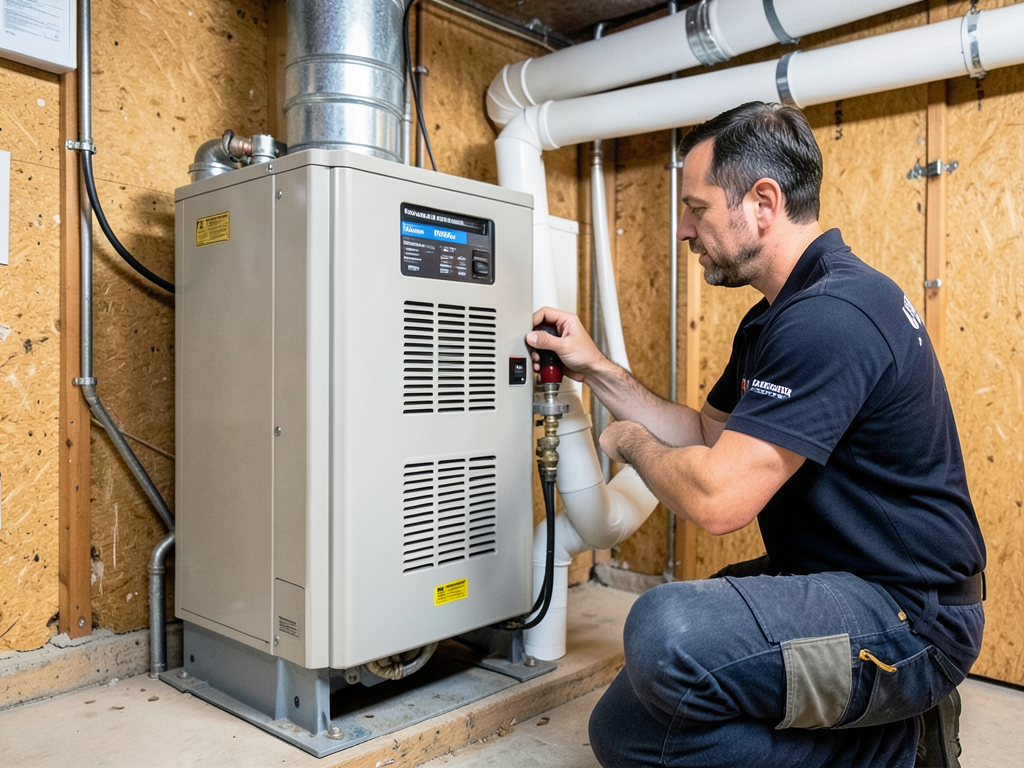
We measure your home's actual square footage, insulation R-values, window types, and air leakage with a blower door test. We calculate your heating and cooling load using Manual J software, which accounts for Detroit's 6,600 heating degree days and summer design temperatures. This determines correct equipment sizing, which prevents the short-cycling and comfort problems that come from contractor rules of thumb.
02

Equipment and Ductwork Evaluation

We inspect your existing ductwork for leaks, crushing, disconnections, and inadequate return air pathways. We test static pressure to see if your ducts can handle modern high-efficiency equipment. We present three equipment tiers with detailed specs on SEER2, AFUE, sound levels, and warranty coverage. You see exactly what the new HVAC installation pricing 2026 includes for each option, including duct modifications if needed.
03

Transparent Cost Breakdown

You receive a written proposal that itemizes equipment costs, labor, duct modifications, electrical upgrades, permits, and disposal fees. We explain what drives the 2026 heating and cooling system cost for your specific home and show you energy savings projections for each efficiency tier. You choose the system that fits your budget and comfort priorities with complete clarity on what you are paying for.

Why Detroit Homeowners Trust Local HVAC Knowledge

Detroit's housing stock spans a century. Homes in Indian Village have plaster walls and cast iron radiators. Post-war ranches in Livonia have slab foundations. Each construction type presents unique installation challenges that out-of-town contractors mishandle. We know which homes have asbestos-wrapped ducts that require abatement protocols. We know which neighborhoods have undersized electrical services that need upgrades before modern equipment can be installed safely.

Local building codes matter. Detroit requires permits for HVAC replacements and inspections for final approval. We handle the permit process and ensure your installation meets current mechanical code requirements, including combustion air provisions, gas line sizing, and condensate drainage. Contractors who skip permits leave you liable during home sales or insurance claims.

We understand Detroit's soil conditions. Homes built on clay shift and settle, which stresses ductwork joints and refrigerant lines. We use flexible connectors and stress loops to accommodate building movement that would otherwise cause leaks. This is not standard practice elsewhere, but it is necessary here.

Our supplier relationships keep your project on schedule. We stock common equipment locally and maintain relationships with regional distributors who prioritize us during high-demand periods. Summer breakdowns and winter failures create equipment shortages. When you need a system now, we have access to inventory that online-only companies cannot secure quickly.

We service what we install. Your relationship with Ace HVAC Detroit does not end at startup. We maintain detailed records of your system specifications, warranty information, and service history. When you call for maintenance or repairs, we already know your equipment and installation details, which speeds diagnosis and reduces repeat visits.

What Your HVAC Replacement Project Includes

Project Timeline and Scheduling

Most Detroit system replacements take one to two days depending on complexity. Simple furnace swaps in accessible basements finish in six to eight hours. Full system replacements with duct modifications, electrical upgrades, or zoning controls take longer. We schedule your installation around your availability and provide a confirmed date after equipment arrives. Emergency replacements during extreme weather receive priority scheduling. We protect your home with drop cloths, remove old equipment responsibly, and clean the work area completely before final walkthrough.

Comprehensive System Commissioning

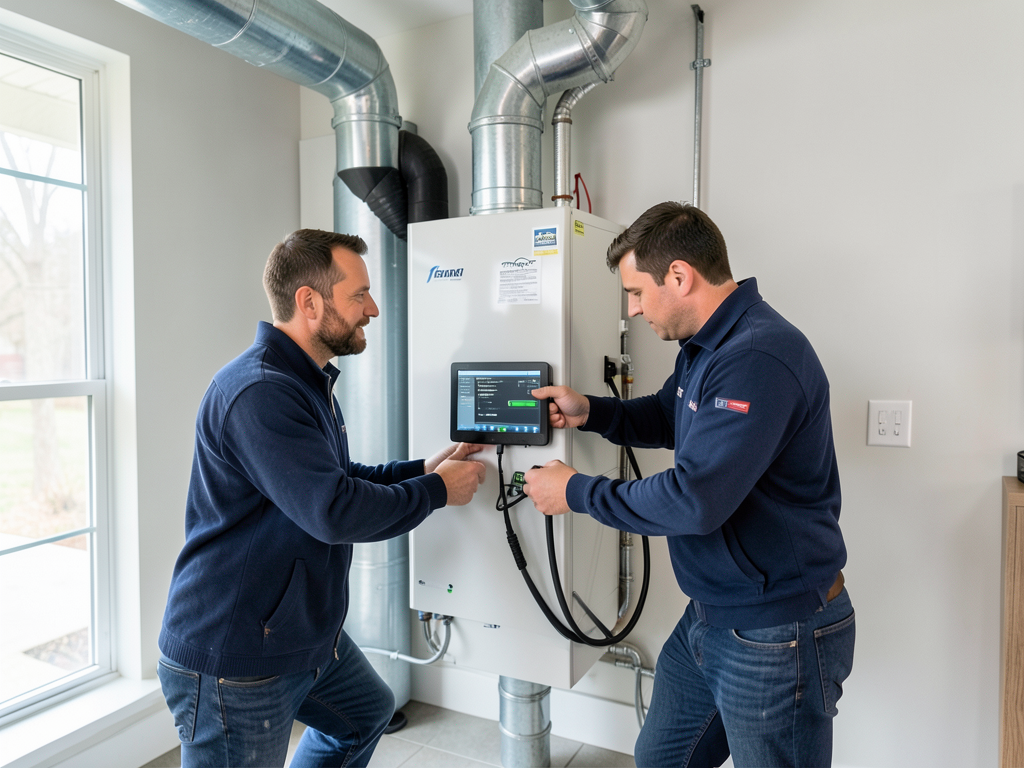
After installation, we verify proper refrigerant charge using superheat and subcooling measurements, not gauge pressures. We measure airflow at the blower and registers to confirm your system delivers design CFM. We check gas pressure at the manifold, measure temperature rise across the heat exchanger, and verify combustion efficiency with flue gas analysis. We test all safety controls including flame sensors, pressure switches, and limit switches. You receive a commissioning report documenting that your new system operates at factory specifications, which protects your warranty and ensures you get the efficiency you paid for.

System Performance Documentation

We provide detailed documentation of your new system including model and serial numbers, warranty registration confirmation, refrigerant type and charge amount, filter sizes and replacement schedules, and thermostat programming instructions. You receive copies of all permits and inspection approvals. We photograph the installation for our records and yours. This documentation is critical if you sell your home or need warranty service later. Many warranty claims are denied because homeowners cannot prove proper installation, which is why we document everything systematically.

Ongoing Maintenance Support

Your new system needs annual maintenance to preserve efficiency and prevent premature failures. We offer maintenance agreements that include priority scheduling, pre-season tune-ups, and discounted repair labor. Spring cooling checks verify refrigerant charge, clean condenser coils, and test compressor performance. Fall heating checks inspect heat exchangers for cracks, test gas valves and ignition systems, and measure combustion efficiency. Regular maintenance catches small problems before they become expensive failures. It also maintains your manufacturer warranty, which often requires documented annual service to remain valid.

Frequently Asked Questions

You Have Questions,
We Have Answers

Will HVAC prices go down in 2026? +

HVAC prices in 2026 will likely remain stable or increase slightly. Manufacturing costs, labor rates, and new refrigerant regulations continue to push prices upward. Detroit contractors face ongoing supply chain adjustments and skilled labor shortages. If you need a replacement now, waiting will not save you money. Older systems cost more to run during harsh Michigan winters. Equipment failure during January cold snaps means emergency pricing. Focus on seasonal promotions and financing options instead of waiting for price drops that may never come.

Will HVAC systems be more expensive in 2025? +

Yes. HVAC systems in 2025 cost more than previous years due to stricter efficiency standards and refrigerant phase-outs. The transition from R-410A to newer refrigerants raises manufacturing costs. Labor rates in Detroit increased as demand for qualified technicians exceeds supply. Supply chain disruptions still affect component pricing. Inflation continues to impact material costs. However, higher upfront costs often mean better efficiency ratings, which reduces utility bills during Detroit's temperature extremes. Improved equipment performance and lower monthly operating costs offset the initial investment over time.

What is the $5000 rule for HVAC? +

The $5,000 rule helps you decide between repair and replacement. If your system age multiplied by repair cost exceeds $5,000, replace the unit. For example, a 12-year-old system needing $450 in repairs equals $5,400. This signals replacement makes better financial sense. Detroit's freeze-thaw cycles stress equipment harder than moderate climates. Older systems lose efficiency, raising heating bills during long winters. This rule simplifies tough decisions when your furnace fails at the worst time. Consider total cost of ownership, not just immediate repair bills.

How much is HVAC to cost in 2025? +

A complete HVAC system in 2025 typically ranges from mid-four figures to low-five figures for Detroit homes. Costs depend on home size, existing ductwork condition, efficiency rating, and system type. Split systems cost less than geothermal installations. Homes with basements require different configurations than crawl spaces. Detroit's older housing stock often needs ductwork modifications, increasing total cost. Two-stage and variable-speed systems cost more upfront but reduce operating expenses during harsh winters. Request multiple detailed quotes to understand true project scope and avoid surprise charges later.

Should I wait until 2026 to buy a home? +

Waiting until 2026 to buy a home solely based on HVAC concerns makes little sense. Mortgage rates, property values, and market inventory matter more than system age. Detroit's housing market shifts independently of HVAC trends. You can negotiate system replacement into purchase agreements or request seller credits. Budget for replacement if the system exceeds 12 years old. A thorough home inspection reveals remaining equipment lifespan. Focus on property location, condition, and long-term value. HVAC systems can be replaced. Prime real estate opportunities in desirable Detroit neighborhoods disappear quickly.

Is a new HVAC system tax deductible in 2025? +

High-efficiency HVAC systems may qualify for federal tax credits in 2025 under the Energy Efficient Home Improvement Credit. Equipment must meet specific SEER2, EER2, and HSPF2 ratings. Qualifying heat pumps and central air systems can earn you credits reducing tax liability. Keep manufacturer certification statements and receipts. Consult a tax professional about your specific situation and equipment eligibility. Detroit homeowners should verify current credit amounts and requirements, as these change annually. Credits reduce what you owe the IRS, making efficient equipment more affordable for Michigan's demanding climate.

How much does a new HVAC system cost 2000 sq ft? +

A new HVAC system for a 2,000-square-foot Detroit home typically requires a three-ton to four-ton unit. Total project cost depends on efficiency rating, system type, ductwork condition, and installation complexity. Homes with poor insulation need larger capacity units, increasing costs. Detroit's temperature swings demand reliable heating and cooling performance. Two-story homes cost more to condition than ranch layouts. Older homes in neighborhoods like Corktown or Indian Village may need ductwork upgrades. Proper load calculations determine correct sizing. Oversized equipment cycles inefficiently, wasting energy during long heating seasons.

What are the HVAC trends for 2026? +

HVAC trends for 2026 focus on electrification, smart controls, and improved efficiency. Heat pump adoption accelerates as technology handles Michigan winters better. Variable-speed compressors and fans provide precise temperature control and lower operating costs. Smart thermostats with learning algorithms optimize comfort and reduce waste. Refrigerants shift to lower global warming potential options. Zoned systems gain popularity in Detroit's diverse housing stock. Indoor air quality products integrate directly into systems. Homeowners prioritize quiet operation and app-based monitoring. Predictive maintenance alerts prevent failures before breakdowns occur during peak heating season.

What is the 3 minute rule for AC? +

The three-minute rule prevents compressor damage. After your air conditioner shuts off, wait three minutes before restarting. This delay allows refrigerant pressure to equalize throughout the system. Starting the compressor under unequal pressure strains components and shortens equipment life. Modern thermostats include built-in delay timers. Never rapidly cycle your system on and off. Detroit's humid summers tempt homeowners to constantly adjust settings. Frequent cycling reduces efficiency and increases wear. Set your desired temperature and let the system maintain it. Patience protects your investment and prevents costly repairs during peak cooling season.

Can you get a tax credit for a new HVAC system? +

Yes. The federal Energy Efficient Home Improvement Credit covers qualifying HVAC equipment through 2032. Systems must meet minimum efficiency thresholds for SEER2, EER2, or HSPF2 ratings. Credits apply to heat pumps, central air conditioners, and natural gas furnaces meeting specifications. You can claim credits when filing taxes, reducing your liability. Save manufacturer certification and installation receipts. Credit amounts and equipment requirements change, so verify current eligibility. Detroit homeowners benefit from these incentives when upgrading to high-efficiency systems that handle Michigan's climate extremes while lowering monthly utility bills.

How Detroit's Temperature Extremes Affect HVAC System Selection

Detroit experiences winter lows near zero degrees and summer highs in the 90s with high humidity. This 100-degree annual temperature swing stresses HVAC equipment more than temperate climates. Your furnace must fire reliably at minus-10 degrees when indoor-outdoor temperature differential exceeds 80 degrees. Your air conditioner must remove humidity effectively when dew points hit 70 degrees in July. Single-stage equipment struggles with these extremes, which is why two-stage or variable-speed systems deliver better comfort in Detroit's climate. The 2026 heating and cooling system cost difference between equipment tiers pays back through comfort and lower operating costs over the system's 15-year lifespan.

Detroit's housing diversity requires local expertise that online contractors cannot provide. Historic homes in Palmer Woods have unique architectural features that affect duct routing. Brick bungalows in Warrendale have limited attic space that constrains equipment options. Understanding these local construction patterns prevents installation errors that compromise performance and efficiency. We have installed systems in every Detroit neighborhood and understand how different home types affect the HVAC replacement price guide 2026. This experience means your system is sized and installed correctly the first time, which eliminates the callbacks and modifications that plague homeowners who choose the lowest bidder.
HVAC Services in The Detroit Area

We invite you to explore our service area and locate our business on the map. Ace HVAC is strategically positioned to efficiently serve all residential and commercial clients within the Detroit metropolitan area and surrounding communities, ensuring prompt response times and convenient access to our expert heating and cooling solutions whenever you need us.

Address:
Ace HVAC Detroit, 7300 Woodward Ave, Detroit, MI, 48202

Additional Services We Offer

Our news updates

Latest Articles & News from The Blogs

Why Financing Your Detroit HVAC System Makes Sense Detroit homeowners face extreme seasonal swings. Winter lows can drop below zero…

How to Choose an HVAC Financing Plan That Won't Break Your Monthly Budget

Why Financing Your Detroit HVAC System Makes Sense Detroit homeowners face extreme seasonal swings. Winter lows can drop below zero…

Why Your New Center Apartment Smells Like Burning Dust Every Time the Heat Kicks On

Why Your New Center Apartment Smells Like Burning Dust Every Time the Heat Kicks On That burning dust smell when…

Comparing the Most Reliable Furnace Brands for the Harsh Winters in Shelby Township

Comparing the Most Reliable Furnace Brands for the Harsh Winters in Shelby Township\n\nWhen a January Polar Vortex hits Shelby Township…

Contact Us

Stop guessing about new HVAC system cost 2026. Call Ace HVAC Detroit at (313) 552-7177 for an in-home assessment that delivers transparent pricing and equipment options specific to your Detroit home. We provide same-day quotes with no pressure sales tactics.