Menu

Furnace Maintenance Checklist Detroit – Prevent Breakdowns Before Michigan Winter Hits

Get a complete preventative heating maintenance guide built for Detroit's freeze-thaw cycles, basement condensation, and old home ductwork—so your furnace runs all winter without emergency calls.

Slider Image 1
Slider Image 2
Slider Image 3
Slider Image 4
Slider Image 5
Slider Image 7
Slider Image 8
Slider Image 9
Slider Image 10
Slider Image 11

Why Detroit Furnaces Need More Than Basic Maintenance

Detroit winters are brutal. When temperatures drop below 10°F for weeks, your furnace runs nonstop. That constant cycling stresses heat exchangers, belts, and igniters faster than in milder climates. Add Detroit's old housing stock—homes built between 1920 and 1950 with undersized ductwork and poor insulation—and you get systems working twice as hard to maintain temperature.

The freeze-thaw cycle creates another problem. Basement furnaces in older Detroit homes deal with condensation from temperature swings. That moisture corrodes metal components and encourages rust on blower housings and burner assemblies. A basic furnace tune-up checklist misses these local vulnerabilities.

Most Detroit homeowners wait until the first cold snap in November to think about heating system maintenance steps. By then, HVAC companies are slammed with emergency calls. Belts snap. Igniters fail. Blower motors seize. You end up waiting two days for service while your pipes freeze.

An annual furnace inspection list designed for Detroit addresses the specific stress points in older systems. It checks for condensation damage, tests ignition reliability under high-cycle conditions, and verifies airflow in cramped ductwork common to Warrendale and Grandmont-Rosedale homes. This preventative heating maintenance guide keeps your system running when you need it most. A seasonal furnace service schedule that starts in September—before the rush—gives you leverage. You avoid the panic. You avoid the markup. You get predictable heat all winter.

Why Detroit Furnaces Need More Than Basic Maintenance
What a Real Detroit Furnace Inspection Should Cover

What a Real Detroit Furnace Inspection Should Cover

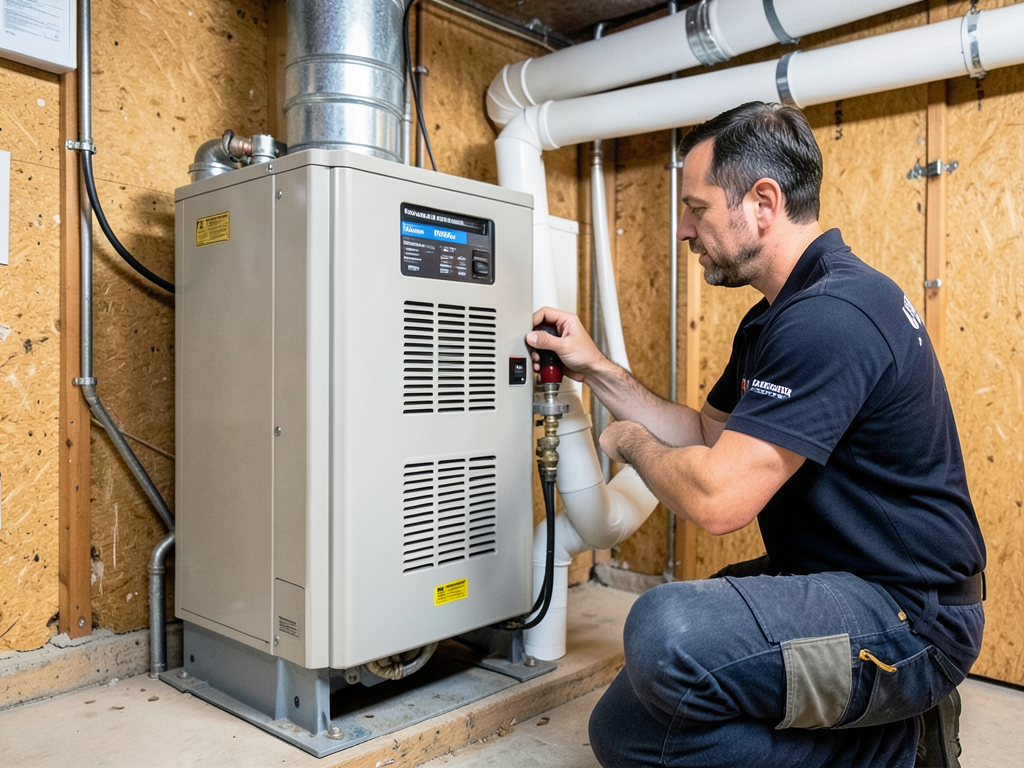
A proper furnace maintenance checklist goes beyond changing the filter and checking the thermostat. In Detroit, the inspection starts with the heat exchanger. Cracks in the heat exchanger allow carbon monoxide to leak into your home. Older furnaces—common in Detroit's historic districts—develop hairline cracks after 15 years of heavy cycling. We use a combustion analyzer to measure flue gas and verify exchanger integrity.

Next is the ignition system. Hot surface igniters fail more often in high-use climates. We test voltage, check for cracks, and verify the flame sensor is clean. A dirty flame sensor causes short cycling, which wastes gas and stresses the blower motor.

Blower assembly maintenance is critical. Detroit basements accumulate dust and moisture. That combination clogs blower wheels and reduces airflow. Restricted airflow causes the furnace to overheat and trip the limit switch. We pull the blower, clean the wheel, check the capacitor, and lubricate motor bearings if accessible.

Ductwork inspection matters in older homes. Undersized or damaged ducts reduce efficiency by 30 percent. We check for leaks at plenum connections, measure static pressure, and verify return air is adequate. Poor return air starves the furnace and shortens its life.

Finally, we test safety controls. The pressure switch, rollout switch, and gas valve all need verification. These components prevent fires and gas leaks. A heating system maintenance checklist that skips safety testing is incomplete. Ace HVAC Detroit follows manufacturer specifications and local code requirements to ensure your system operates safely through the coldest months.

How We Complete Your Furnace Inspection in Detroit

Furnace Maintenance Checklist Detroit – Prevent Breakdowns Before Michigan Winter Hits
01

System Diagnostics and Safety Check

We start by testing the thermostat, verifying voltage, and running a full ignition cycle. Our combustion analyzer measures carbon monoxide levels and flue gas composition to confirm your heat exchanger has no cracks. We inspect the flame pattern, check for rollout, and test all safety switches. This diagnostic phase identifies hidden problems before they cause breakdowns during a cold snap.
02

Component Cleaning and Calibration

We remove the blower assembly, clean the wheel, and inspect the motor bearings. The flame sensor gets cleaned with fine steel wool to ensure proper ignition. We check the inducer motor for cracks, verify belt tension on belt-drive models, and measure amperage draw on the blower motor. Proper calibration prevents short cycling and extends component life through Detroit's demanding heating season.
03

Airflow Testing and Documentation

We measure static pressure at the supply and return plenums to verify ductwork is adequately sized. Temperature rise is checked against manufacturer specifications. You receive a written report documenting all findings, including component conditions, safety test results, and recommended repairs. This annual furnace inspection list becomes your maintenance record, tracking system health year over year and helping you plan for replacement before emergency failure.

Why Detroit Homeowners Trust Ace HVAC for Preventative Maintenance

Detroit's housing stock is different. Homes in Indian Village, Palmer Woods, and Bagley have original boilers converted to forced air. Ductwork was added decades later, often undersized or poorly sealed. Technicians who don't understand these retrofits miss critical issues.

We specialize in older Detroit homes. We know the common problems with converted systems, undersized return ducts, and basement installations prone to condensation. When we inspect a furnace in a 1920s bungalow, we check for things generic checklists ignore—like whether the original coal chute creates a backdraft risk or whether asbestos tape on old ductwork is intact.

Our seasonal furnace service schedule aligns with Detroit's climate. We start booking September inspections because October fills fast. By November, we're handling emergency calls, not scheduled maintenance. Customers who book early get priority scheduling, lower rates, and guaranteed service before the first freeze.

We also understand Detroit's economic reality. Many homeowners are weighing repair costs against replacement. We give honest assessments. If your furnace has a cracked heat exchanger and the unit is 20 years old, we explain why replacement is safer and more economical than a patch job. If the issue is minor—a dirty flame sensor or worn belt—we fix it on the spot and give you years of reliable service.

Local knowledge matters. We know which furnace brands hold up in high-cycle environments and which fail early. We know the permitting requirements in Wayne County and how to navigate inspections for system replacements. You're not getting a technician reading from a corporate script. You're getting someone who understands Detroit homes, Detroit winters, and Detroit homeowners.

What You Get from a Professional Furnace Tune-Up

Same-Day Service Availability

We schedule most furnace inspections within 48 hours. September and early October appointments often happen same-day. Our average inspection takes 90 minutes, depending on system complexity and age. We carry common parts—igniters, flame sensors, capacitors, belts—on every truck. If we find a minor issue during the inspection, we fix it immediately so you don't need a return visit. For major repairs requiring parts orders, we provide temporary solutions to keep your heat running until the work is complete.

Thorough Safety and Efficiency Testing

Our combustion analysis measures oxygen levels, carbon monoxide, and flue gas temperature. This test verifies your furnace burns cleanly and vents properly. We check gas pressure at the manifold, inspect the burner flame pattern, and verify the heat exchanger has no cracks. Static pressure measurements confirm your ductwork delivers adequate airflow. Temperature rise is checked against the furnace rating plate to ensure the system operates within manufacturer specifications. These tests catch problems before they become dangerous or expensive.

Written Report with Findings

You receive a detailed inspection report listing every component checked, test results, and recommendations. Photos document problem areas like rust, cracks, or damaged wiring. If your furnace is in good shape, the report confirms it. If repairs are needed, you get a clear explanation of the issue, the risk of delaying repair, and cost factors. This documentation helps you budget for future work and provides a maintenance record if you sell your home. No surprises. No upselling. Just honest information.

Priority Service for Maintenance Customers

Customers who schedule annual maintenance get priority scheduling for emergency calls. If your furnace fails during a January cold snap, you move to the front of the line. You also get preferred pricing on repairs and system replacements. Annual inspections extend equipment life by catching wear early. Most Detroit furnaces last 15 to 20 years with proper maintenance. Without it, you're looking at replacement by year 12. Regular tune-ups pay for themselves in avoided emergency calls and extended system life.

Frequently Asked Questions

You Have Questions,
We Have Answers

What maintenance should be done on a furnace? +

Your furnace needs annual maintenance to operate safely through Detroit winters. A technician should inspect and clean the burner assembly, check the heat exchanger for cracks, test the ignition system, and verify proper airflow. They will examine the blower motor and belt for wear, lubricate moving parts, and calibrate the thermostat. Carbon monoxide testing is critical for your safety. The technician should also inspect flue pipes for corrosion, test gas pressure, and clean the flame sensor. Given Detroit's freeze-thaw cycles and aging housing stock, these checks prevent mid-winter breakdowns when you need heat most.

What is included in furnace tune up? +

A furnace tune up includes cleaning or replacing the air filter, inspecting the heat exchanger for cracks or rust, and testing the ignition system and flame sensor. The technician cleans the burner assembly, checks gas connections for leaks, and tests the blower motor. They calibrate your thermostat, inspect electrical connections, and verify proper airflow throughout your system. Carbon monoxide testing ensures safe operation. In Detroit homes, technicians also examine the condensate drain for clogs caused by humidity and check ductwork connections that may have loosened due to temperature extremes. This comprehensive service keeps your system running efficiently.

What is the average cost to service a furnace? +

Furnace service costs vary based on your system type, age, and any repairs needed beyond routine maintenance. Annual maintenance typically covers inspection, cleaning, testing, and minor adjustments. Older furnaces common in Detroit's historic neighborhoods may need additional attention due to wear. Costs increase if the technician finds issues like a cracked heat exchanger, faulty ignitor, or worn blower motor. Emergency service during peak winter months costs more than scheduled maintenance. Regular annual tune ups prevent expensive breakdowns and extend your furnace lifespan. Many contractors offer maintenance plans that reduce per-visit costs for Detroit homeowners.

What parts of a furnace need to be cleaned? +

The burner assembly needs cleaning to remove carbon buildup that affects combustion efficiency. The blower compartment and blower wheel collect dust that restricts airflow and forces your motor to work harder. The flame sensor requires cleaning to detect ignition properly. Air filters trap dirt and should be replaced regularly. The heat exchanger needs inspection and cleaning to prevent carbon monoxide leaks. In Detroit homes with older ductwork, supply and return vents accumulate debris that reduces system performance. The condensate drain can clog with algae and needs flushing. Clean components improve efficiency and prevent mid-winter failures.

How Detroit's Freeze-Thaw Cycle Damages Furnace Components Faster

Detroit basements experience dramatic temperature swings. A January thaw brings 40°F air into a basement that was 20°F days earlier. This rapid temperature change causes condensation on cold metal surfaces. Blower housings, gas piping, and burner assemblies develop rust. Moisture also corrodes electrical connections and causes circuit board failures. A preventative heating maintenance guide for Detroit must include corrosion inspection. Technicians who service furnaces in milder climates often miss this damage because they don't see it as frequently. In Detroit, it's a primary failure mode.

Local expertise matters when maintaining older systems. Detroit has thousands of homes with original cast iron radiators converted to forced air. These retrofits often have undersized return ducts or improperly sealed plenums. A technician unfamiliar with these conversions might miss airflow restrictions that cause overheating. Ace HVAC Detroit has worked on these systems for years. We understand the quirks of Detroit's housing stock and tailor our heating system maintenance steps to address the real issues in your home, not just generic checklist items.
HVAC Services in The Detroit Area

We invite you to explore our service area and locate our business on the map. Ace HVAC is strategically positioned to efficiently serve all residential and commercial clients within the Detroit metropolitan area and surrounding communities, ensuring prompt response times and convenient access to our expert heating and cooling solutions whenever you need us.

Address:
Ace HVAC Detroit, 7300 Woodward Ave, Detroit, MI, 48202

Additional Services We Offer

Our news updates

Latest Articles & News from The Blogs

Why Financing Your Detroit HVAC System Makes Sense Detroit homeowners face extreme seasonal swings. Winter lows can drop below zero…

How to Choose an HVAC Financing Plan That Won't Break Your Monthly Budget

Why Financing Your Detroit HVAC System Makes Sense Detroit homeowners face extreme seasonal swings. Winter lows can drop below zero…

Why Your New Center Apartment Smells Like Burning Dust Every Time the Heat Kicks On

Why Your New Center Apartment Smells Like Burning Dust Every Time the Heat Kicks On That burning dust smell when…

Comparing the Most Reliable Furnace Brands for the Harsh Winters in Shelby Township

Comparing the Most Reliable Furnace Brands for the Harsh Winters in Shelby Township\n\nWhen a January Polar Vortex hits Shelby Township…

Contact Us

Don't wait until November when every HVAC company is booked. Call (313) 552-7177 now to schedule your furnace inspection. September and October appointments get priority scheduling and lower rates. Avoid the emergency call. Get predictable heat all winter.