Menu

High Energy Bills in Detroit – Expert HVAC Diagnosis Stops Wasted Money Fast

Tired of skyrocketing energy bills draining your wallet every month? Our Detroit HVAC specialists pinpoint exactly why your system is bleeding cash and fix it right the first time.

Slider Image 1
Slider Image 2
Slider Image 3
Slider Image 4
Slider Image 5
Slider Image 7
Slider Image 8
Slider Image 9
Slider Image 10
Slider Image 11

Why Detroit Homeowners Are Seeing Rising Utility Costs

You open your electricity bill and your stomach drops. Another month, another outrageous charge. You are not imagining it. Expensive electricity bills are hitting Detroit homes harder than ever, and your HVAC system is usually the culprit.

Detroit's extreme temperature swings hit HVAC equipment hard. Summer heat pushes into the 90s while winter cold drops below zero. That freeze-thaw cycle forces your furnace and AC to work overtime. When equipment strains, it burns more fuel. When filters clog with dust from our industrial air, airflow drops and your system compensates by running longer cycles. That drives up costly utility expenses fast.

Older homes in neighborhoods like Corktown and Indian Village were built before modern insulation standards. Leaky ductwork hidden in crawl spaces wastes 20 to 40 percent of heated or cooled air before it reaches your living space. You pay to condition air that escapes into walls and attics. Meanwhile, your thermostat demands more heating and cooling to compensate.

Increased heating and cooling costs also spike when refrigerant levels drop. A slow leak forces your compressor to work harder, burning more electricity for less comfort. Dirty coils covered in grime act like a blanket, trapping heat and forcing longer run times. Faulty thermostats misread temperatures and trigger unnecessary cycles.

The result is the same. Your equipment runs more, uses more energy, and you pay more every single month. Those skyrocketing energy bills are not just bad luck. They are a symptom of underlying HVAC problems that need professional diagnosis.

Why Detroit Homeowners Are Seeing Rising Utility Costs
How We Track Down Energy Waste in Your HVAC System

How We Track Down Energy Waste in Your HVAC System

Most HVAC companies glance at your equipment and guess. We do not guess. We measure, test, and diagnose the exact source of your rising utility costs.

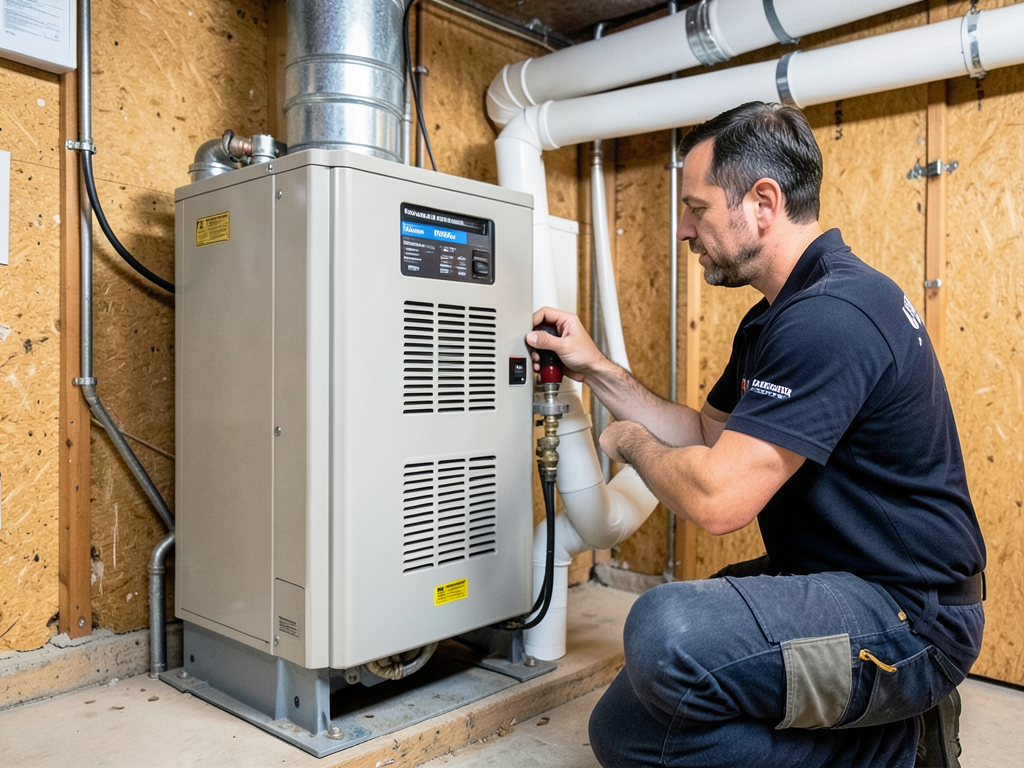
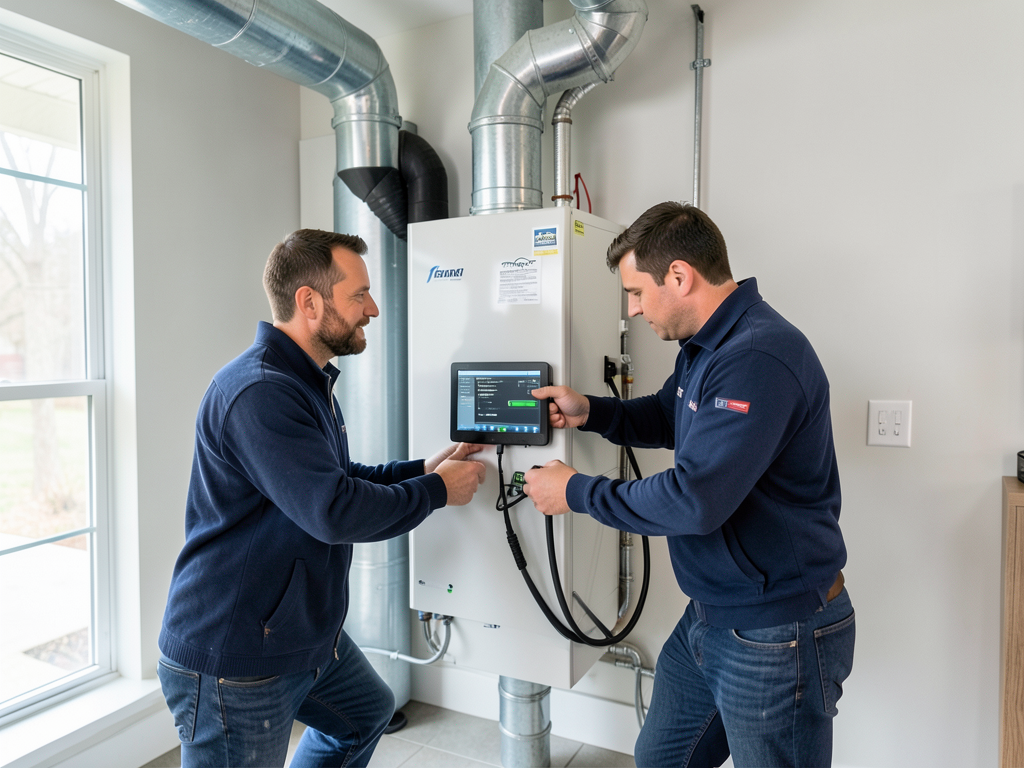
Our technicians start with a blower door test to measure air leakage in your ductwork. We use manometers to check static pressure across your system. High static pressure means your blower motor is straining, which spikes electricity use. We inspect heat exchangers for cracks that waste fuel and measure combustion efficiency with a flue gas analyzer. If your furnace efficiency drops below 80 percent, you are burning money.

We check refrigerant charge with digital manifold gauges. Low refrigerant from a leak makes your compressor work harder and longer. We inspect capacitors that start your compressor and blower motor. When capacitors fail, motors draw excessive amperage and overheat. We verify thermostat calibration and check for short cycling caused by oversized equipment or dirty flame sensors.

Ductwork inspection is critical in Detroit homes. We look for disconnected joints, crushed flex duct, and missing insulation in unconditioned spaces. A single disconnected supply register in your basement can waste hundreds of dollars per year. We use thermal imaging cameras to find temperature loss through walls and around duct boots.

We also evaluate your insulation levels in the attic and walls. Detroit code requires R-49 in attics, but many older homes have R-19 or less. Inadequate insulation forces your HVAC system to run continuously, driving up expensive electricity bills.

After testing, we give you a written report with exact findings and prioritized fixes. You know what is wrong, what it costs to fix, and how much you will save.

What Happens During Your Energy Audit

High Energy Bills in Detroit – Expert HVAC Diagnosis Stops Wasted Money Fast
01

System Performance Testing

We measure airflow at each register using a flow hood and test temperature split across your evaporator coil. Low airflow from a clogged filter or failing blower motor forces longer run times and drives up electricity use. We record baseline amp draw on your compressor and blower to identify motors pulling excessive current. You get hard data on what your system is actually doing.
02

Ductwork and Insulation Inspection

We trace your entire duct system from the air handler to every supply and return register. We look for disconnected joints, torn flex duct, and missing insulation on ducts running through unheated crawl spaces or attics. We check for return air leaks pulling in unconditioned air. Thermal imaging reveals where conditioned air escapes and where outside air infiltrates. These leaks are invisible but cost you every month.
03

Priority Repair Plan

We hand you a written report ranking repairs by potential savings. Sealing ductwork might save 25 percent on heating and cooling costs. Replacing a failing capacitor might cut run time by 15 percent. Adding attic insulation reduces heat loss in winter and heat gain in summer. You decide what fits your budget, and we execute the fixes that deliver the biggest impact first. No guessing, no upselling.

Why Detroit Homeowners Trust Ace HVAC for Energy Diagnostics

Detroit's housing stock is different. We have century-old homes with boiler systems converted to forced air. We have post-war bungalows with undersized ductwork. We have brick homes with no insulation in the walls. Cookie-cutter HVAC companies from the suburbs do not understand these buildings. We do.

We have worked in every Detroit neighborhood from Grandmont Rosedale to East English Village. We know which homes have knob-and-tube wiring that limits electrical upgrades. We know which basements flood in spring and which attics bake in summer. We understand how Detroit's clay soil shifts foundations and pulls ductwork apart at the seams.

Our technicians are trained on legacy equipment. If you have a 30-year-old Lennox furnace or a gravity feed oil furnace in the basement, we know how to evaluate it. We do not automatically push replacements. If your equipment is inefficient but repairable, we tell you the truth about your options.

We also understand Detroit building codes and permit requirements. If your HVAC work requires a permit from the city, we handle it. If your home is in a historic district with special rules, we navigate those regulations. We pull permits, schedule inspections, and make sure everything passes the first time.

You are not hiring a call center dispatching the closest truck. You are hiring Detroit HVAC specialists who have seen every type of energy waste in every type of Detroit home. We diagnose the real problem, explain it in plain language, and fix it right.

When you call Ace HVAC Detroit, you get technicians who understand this city and these homes.

What You Can Expect From Our Energy Bill Reduction Service

Fast Scheduling and Transparent Pricing

We schedule energy audits within 48 hours of your call. Our technicians arrive on time with all diagnostic equipment loaded. The audit takes 90 minutes to two hours depending on home size and system complexity. We quote repair costs on the spot with line-item pricing. You see exactly what each fix costs and what you save. No hidden fees, no surprise charges. If you approve work, we often complete simple fixes the same day. Larger projects like duct sealing or insulation upgrades are scheduled within the week.

Comprehensive System Evaluation

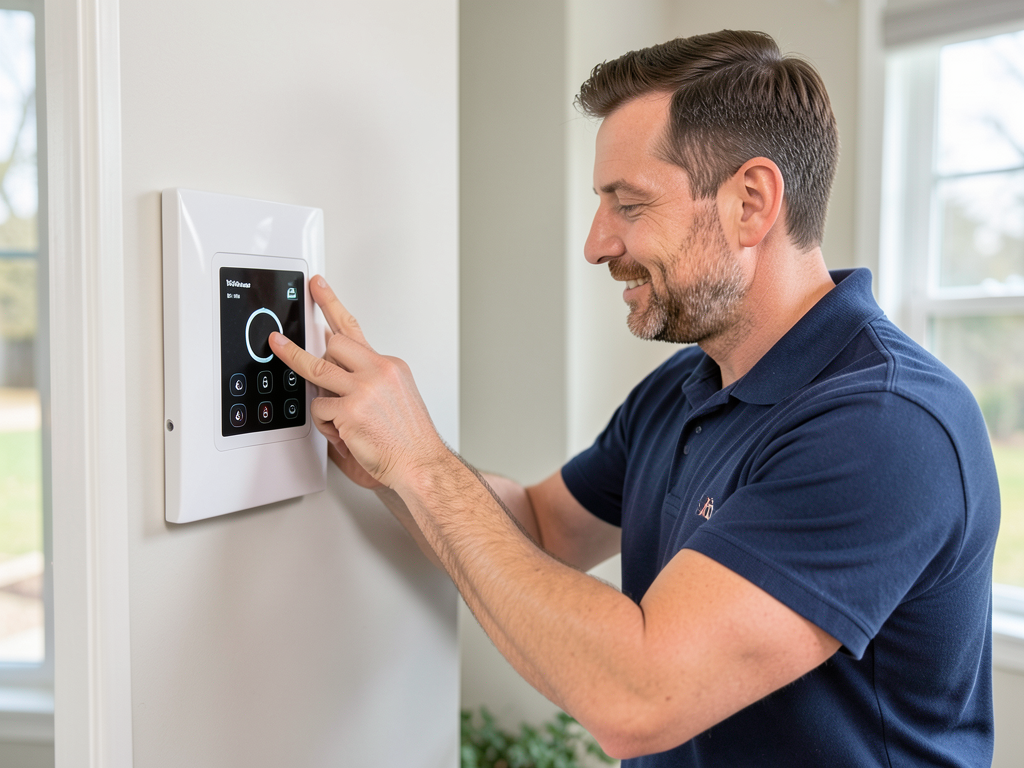
Our audit covers every component that affects energy use. We test your furnace heat exchanger for cracks and measure combustion efficiency. We check refrigerant charge, compressor amp draw, and capacitor microfarad ratings. We inspect all ductwork for leaks and measure static pressure. We evaluate insulation in the attic, walls, and crawl space. We check thermostat accuracy and look for short cycling or incorrect staging. You get a complete picture of where your energy dollars are going and why.

Measured Energy Savings

After repairs, your system runs less and uses less fuel. Sealed ductwork delivers more conditioned air to living spaces and less to your attic. Fixed refrigerant leaks restore cooling efficiency and reduce compressor run time. Proper airflow from clean coils and new filters cuts electricity use by 10 to 30 percent. Improved insulation reduces heating and cooling loads. Most homeowners see noticeable bill reductions within the first month. Over a year, savings add up to hundreds or even thousands of dollars depending on the severity of the original problems.

Ongoing Maintenance Support

Energy efficiency is not a one-time fix. Filters clog, coils get dirty, and refrigerant can develop slow leaks over time. We offer maintenance plans that include seasonal tune-ups, priority scheduling, and discounted repairs. Our technicians clean coils, check refrigerant levels, test capacitors, and inspect ductwork during each visit. Regular maintenance keeps your system running at peak efficiency and prevents small problems from turning into expensive energy waste. You stay ahead of rising utility costs instead of reacting to them.

Frequently Asked Questions

You Have Questions,
We Have Answers

Why is my electric bill so high all of a sudden? +

A sudden spike in your electric bill typically signals an HVAC system working overtime. In Detroit, extreme temperature swings force furnaces and air conditioners to cycle constantly, especially when equipment struggles. Dirty air filters, refrigerant leaks, or failing components make systems run longer to maintain comfort. Rate increases from DTE Energy also contribute. Check your thermostat settings first, then inspect your HVAC system. An aging furnace or AC unit loses efficiency, driving up costs quickly. If your system is over 15 years old or needs frequent repairs, it may be time for a professional inspection.

Why is your energy bill suddenly so much more expensive? +

Energy bills climb when your HVAC system loses efficiency or works against Detroit's harsh climate. Winter cold and summer humidity force equipment to strain. Leaky ductwork wastes conditioned air, making your furnace or air conditioner run nonstop. Thermostat malfunctions, poor insulation, or clogged filters increase runtime. Rate hikes from utility companies add to the problem. Older homes in Detroit often lack proper insulation, forcing HVAC systems to compensate. Compare your current bill to the same month last year. If usage jumped without lifestyle changes, your heating or cooling system likely needs attention before costs spiral further.

What runs your electric bill up the most? +

Your HVAC system dominates electricity consumption, accounting for nearly half of your monthly bill in Detroit. Heating and cooling demand peaks during winter freezes and summer heat waves. Air conditioners, furnaces, and heat pumps cycle frequently to maintain indoor temperatures. Water heaters rank second, followed by appliances like refrigerators and dryers. Inefficient ductwork leaks conditioned air into attics or crawl spaces, forcing your system to work harder. Old thermostats fail to regulate temperatures properly. If your furnace or AC runs constantly, it signals equipment failure or poor maintenance. Regular HVAC tune-ups prevent energy waste and extend equipment life.

How do I know if my energy bill is too high? +

Compare your bill to Detroit averages and your historical usage. A typical Detroit household uses 600 to 900 kilowatt-hours monthly, depending on home size and HVAC efficiency. If your bill exceeds this range without lifestyle changes, investigate your heating and cooling system. Check your cost per kilowatt-hour on your DTE Energy statement, then multiply by usage. Bills over 200 dollars monthly for average-sized homes suggest inefficiency. Look for usage spikes during mild weather when HVAC systems should rest. Sudden jumps of 30 percent or more indicate equipment problems, air leaks, or duct failures requiring professional inspection.

Why is my electric bill over $400? +

A 400-dollar electric bill in Detroit points to HVAC system failure or extreme inefficiency. Older furnaces and air conditioners lose capacity, running nonstop without reaching set temperatures. Refrigerant leaks force AC units to cycle continuously. Failing blower motors, clogged filters, or damaged ductwork waste energy. Extreme weather amplifies these issues. Homes built before 1980 often lack proper insulation, making HVAC systems work triple time. Check your thermostat for programming errors or sensor failures. If usage doubled without adding major appliances, your heating or cooling equipment likely needs replacement. A professional load calculation determines if your system matches your home's needs.

How to figure out what is causing a high electric bill? +

Start by reviewing your DTE Energy usage history online. Look for patterns tied to weather or daily routines. Turn off your main breaker, then check if your meter stops spinning. If it continues, you have a leak or faulty wiring. Flip breakers individually to isolate circuits. Monitor your HVAC system runtime. If your furnace or air conditioner runs constantly, you found the culprit. Infrared cameras detect air leaks around windows and doors. Schedule a professional energy audit. Detroit winters expose poorly insulated attics and basements, forcing HVAC systems to overcompensate and drain your wallet.

How to find out what is using so much electricity? +

Turn off all appliances and lights, then watch your electric meter. If it still moves, something runs in the background. Check your HVAC system first. Listen for your furnace or air conditioner cycling on. Inspect your water heater and refrigerator next. Use a kill-a-watt meter to measure individual appliances. In Detroit homes, hidden culprits include basement dehumidifiers, sump pumps, and space heaters. Ductwork leaks waste energy invisibly. Old thermostats malfunction, causing short cycling. A blower motor stuck in the on position drains power nonstop. Professional HVAC diagnostics pinpoint mechanical failures before they destroy your budget.

What contributes most to my electric bill? +

Heating and cooling account for 40 to 50 percent of your monthly electric bill in Detroit. Furnaces work hardest during January and February cold snaps. Air conditioners strain during July and August humidity. Water heating ranks second at 15 to 20 percent. Refrigerators, washers, dryers, and dishwashers add another 10 to 15 percent combined. Lighting and electronics contribute less than you think. The key factor is HVAC runtime. An inefficient furnace or air conditioner multiplies costs across your entire bill. Proper maintenance, sealed ductwork, and programmable thermostats cut heating and cooling expenses significantly without sacrificing comfort.

What uses the most electricity at home? +

Your HVAC system consumes more electricity than any other equipment in Detroit homes. Central air conditioners and electric furnaces draw massive power during extreme weather. Water heaters run constantly to maintain temperature. Refrigerators cycle 24/7, especially older models. Clothes dryers rank fourth, followed by electric ovens and dishwashers. Desktop computers and entertainment systems add up when left on continuously. Space heaters spike bills instantly. Older homes lack efficient insulation, forcing HVAC equipment to compensate. A 20-year-old furnace uses double the electricity of modern high-efficiency models. Replace aging equipment and seal ductwork to see immediate savings.

What is the biggest energy waster in your home? +

An inefficient HVAC system wastes more energy than anything else in Detroit homes. Leaky ductwork loses 20 to 30 percent of conditioned air before it reaches living spaces. Poor insulation forces furnaces and air conditioners to run nonstop. Dirty air filters restrict airflow, making equipment strain. Programmable thermostats left on constant settings eliminate efficiency gains. Old windows and doors leak air during harsh winters. Basements and attics without proper sealing create thermal bridges. Water heaters set above 120 degrees waste power. If your HVAC system is over 15 years old, it likely operates at half the efficiency of modern equipment.

How Detroit's Brutal Temperature Swings Drive Up HVAC Energy Bills

Detroit swings from subzero winter cold to 90-degree summer heat. That 100-plus degree annual temperature range forces HVAC systems to work at maximum capacity for months at a time. Furnaces run continuously through January and February while air conditioners battle July and August humidity. Equipment designed for moderate climates fails early here. Compressors overheat, heat exchangers crack, and blower motors burn out from constant cycling. Each failure point increases energy waste and drives up your costly utility expenses. Homes near the Detroit River face extra humidity that loads down AC systems and forces longer cooling cycles.

Detroit HVAC work requires city permits for furnace replacements, AC installations, and ductwork modifications. Our teams are familiar with Detroit Building Safety Engineering and Inspections Department requirements. We pull permits, schedule inspections, and ensure code compliance on every job. We also understand the unique construction of Detroit's older housing stock, from balloon framing in Victorian homes to cinder block construction in post-war bungalows. That local knowledge matters when diagnosing energy waste. Out-of-town contractors miss the details that cause expensive electricity bills in Detroit homes.
HVAC Services in The Detroit Area

We invite you to explore our service area and locate our business on the map. Ace HVAC is strategically positioned to efficiently serve all residential and commercial clients within the Detroit metropolitan area and surrounding communities, ensuring prompt response times and convenient access to our expert heating and cooling solutions whenever you need us.

Address:
Ace HVAC Detroit, 7300 Woodward Ave, Detroit, MI, 48202

Additional Services We Offer

Our news updates

Latest Articles & News from The Blogs

Why Financing Your Detroit HVAC System Makes Sense Detroit homeowners face extreme seasonal swings. Winter lows can drop below zero…

How to Choose an HVAC Financing Plan That Won't Break Your Monthly Budget

Why Financing Your Detroit HVAC System Makes Sense Detroit homeowners face extreme seasonal swings. Winter lows can drop below zero…

Why Your New Center Apartment Smells Like Burning Dust Every Time the Heat Kicks On

Why Your New Center Apartment Smells Like Burning Dust Every Time the Heat Kicks On That burning dust smell when…

Comparing the Most Reliable Furnace Brands for the Harsh Winters in Shelby Township

Comparing the Most Reliable Furnace Brands for the Harsh Winters in Shelby Township\n\nWhen a January Polar Vortex hits Shelby Township…

Contact Us

Call Ace HVAC Detroit at (313) 552-7177 right now to schedule your energy audit. We will find exactly what is driving your skyrocketing energy bills and fix it fast. You get lower bills starting next month.