
Menu

Heat Pump Repair & Installation in Detroit | Fast Response for Homes and Businesses

Expert heat pump service across metro Detroit with same-day emergency heat pump repair, precision diagnostics, and complete heat pump system installation tailored to Michigan's extreme temperature swings.

Slider Image 1
Slider Image 2
Slider Image 3
Slider Image 4
Slider Image 5
Slider Image 7
Slider Image 8
Slider Image 9
Slider Image 10
Slider Image 11

Why Detroit Heat Pumps Face Unique Challenges

Detroit's climate puts serious stress on heat pump systems. Winter lows that drop below 0°F force your heat pump to work overtime pulling heat from freezing air. Summer humidity above 70% strains the refrigerant cycle and challenges dehumidification capacity. This constant battle between extreme cold and muggy heat accelerates wear on reversing valves, compressors, and defrost controls.

Older Detroit homes, built before modern insulation standards, compound the problem. Your heat pump struggles to maintain temperature when it's fighting drafts, uninsulated crawl spaces, and single-pane windows. The result? Short cycling, ice buildup on outdoor coils, and skyrocketing electric bills.

When you hear grinding noises from the outdoor unit or notice weak airflow from vents, you're experiencing more than a minor inconvenience. You're looking at potential compressor failure, refrigerant leaks, or faulty reversing valves. These issues demand immediate attention.

Emergency heat pump repair becomes critical during January cold snaps and July heat waves. A failed heat pump in single-digit temperatures puts your family at risk. Frozen pipes, health concerns for elderly family members, and system damage from attempting to run a malfunctioning unit all escalate fast.

Heat pump replacement often makes more financial sense than repeated repairs on units older than 12 years. Modern variable-speed heat pumps deliver 30% better efficiency than systems installed before 2010. Heat pump installers who understand Detroit's climate know how to size systems correctly and position outdoor units away from snow drifts that block airflow.

Why Detroit Heat Pumps Face Unique Challenges
Our Heat Pump Service Methodology

Our Heat Pump Service Methodology

Heat pump system installation starts with a Manual J load calculation specific to your home's envelope. We measure wall insulation R-values, window U-factors, and infiltration rates. Too many heat pump installers guess at sizing. An oversized unit short cycles and never properly dehumidifies. An undersized unit runs constantly and never reaches setpoint on extreme days.

We test refrigerant charge using superheat and subcooling measurements, not just static pressure. Michigan's temperature swings mean charge that looks correct at 70°F can be 15% low at 15°F. Improper charge destroys compressors and cuts efficiency by 20%.

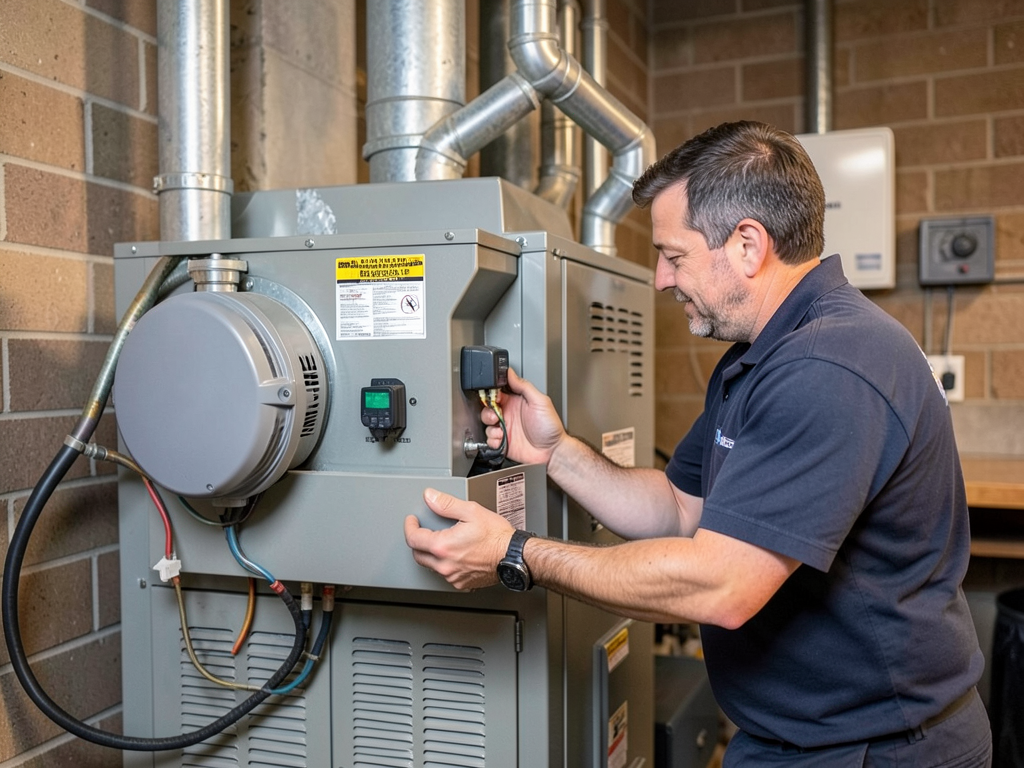
Reversing valve diagnosis requires amperage testing during mode changes. This valve redirects refrigerant flow between heating and cooling. When it sticks partially open, you get simultaneous heating and cooling that wastes energy and confuses your thermostat. We verify valve operation under load, not just at rest.

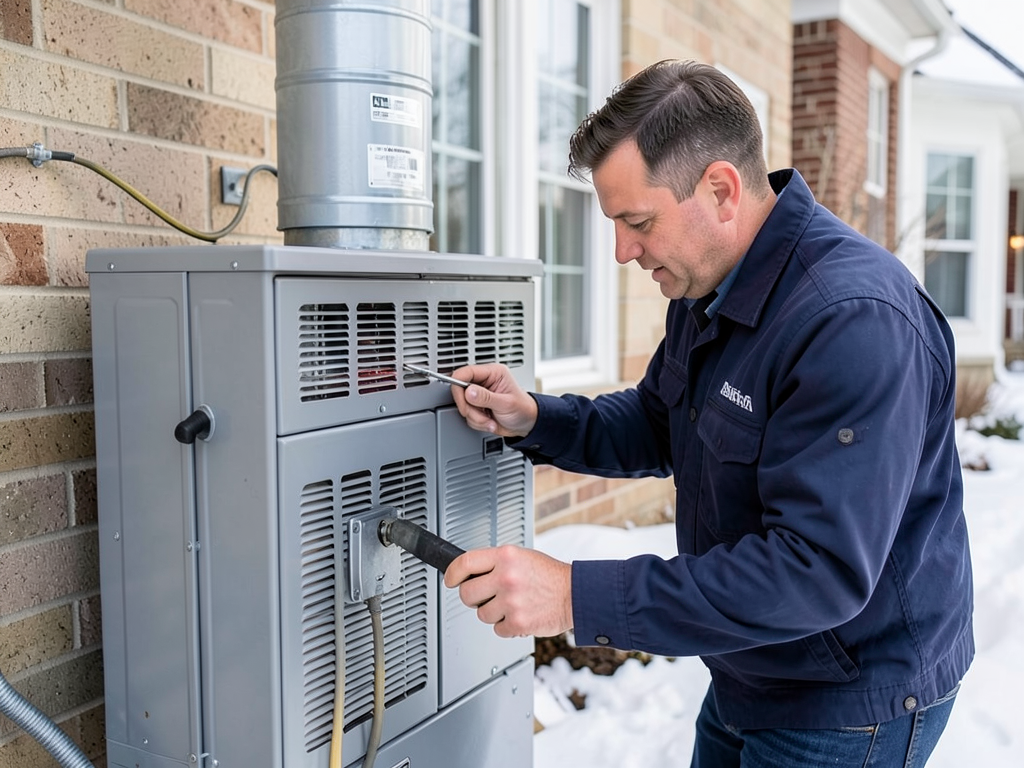
Defrost control testing happens during actual freeze conditions when possible. Your heat pump must periodically reverse to heating mode to melt ice from outdoor coils. If defrost timing is wrong, ice blocks airflow and reduces capacity exactly when you need heat most. We verify defrost initiation temperature, duration, and termination using temperature sensors on the outdoor coil.

For heat pump replacement projects, we evaluate existing ductwork for leaks and proper sizing. Ducts sized for a furnace often have inadequate return air for heat pumps, which move more air at lower temperatures. We seal duct connections with mastic, not tape, and verify airflow at each register matches design specifications.

What Happens During Your Heat Pump Service Call

Heat Pump Repair & Installation in Detroit | Fast Response for Homes and Businesses
01

System Performance Testing

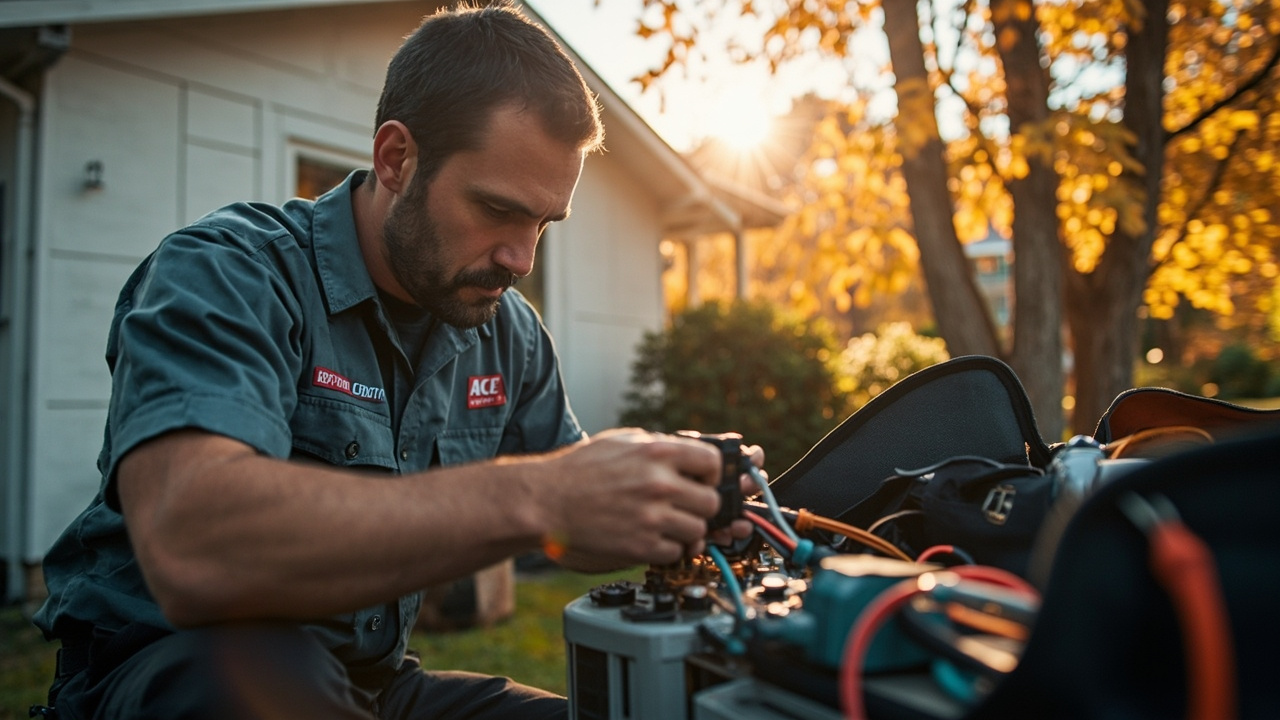
We arrive with calibrated manifold gauges, amp meters, and infrared thermometers. First step is running your system through complete heating and cooling cycles while monitoring suction pressure, discharge pressure, amp draw, and supply air temperature. This baseline reveals compressor health, refrigerant charge accuracy, and airflow problems. We document everything because patterns matter more than single readings.
02

Component-Level Diagnostics

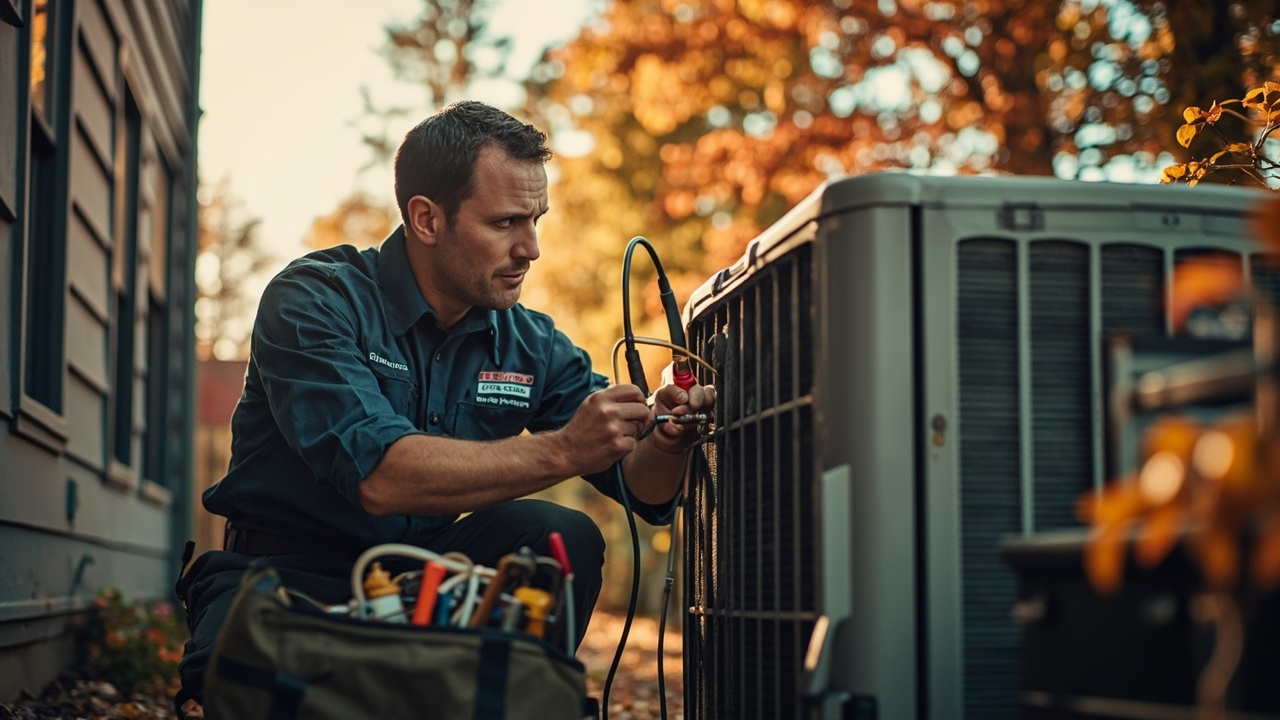
After identifying performance gaps, we test individual components. Capacitor microfarad readings show electrical degradation before failure. Reversing valve solenoid resistance confirms coil integrity. Defrost sensor accuracy gets verified against calibrated thermocouples. We check contactor pitting, wire connections for hotspots using thermal imaging, and drain line flow. Every component that affects reliability gets evaluated, not just the obvious culprits.
03

Repair and Verification

Repairs happen same-visit when parts are available. After component replacement or refrigerant adjustment, we retest system performance through multiple cycles. Supply air temperature must hit target delta T. Amp draw must match nameplate specs. We don't leave until your system delivers rated capacity and efficiency. You receive documentation showing before and after measurements plus specific repairs completed.

Why Detroit Homeowners Choose Ace HVAC

Detroit's housing stock ranges from 1920s brick bungalows in Indian Village to new construction in Midtown. Each building era requires different heat pump installation approaches. Older homes need careful electrical panel evaluation because heat pumps draw more amperage than furnaces. We verify your 200-amp service can handle the load before installation, and we pull permits when adding circuits.

We understand Detroit's residential building codes for HVAC installations. Outdoor unit placement must maintain clearances from property lines, and refrigerant line penetrations through brick require specific flashing techniques to prevent water intrusion. Many heat pump installers skip these details. You discover problems years later when water damage appears around line sets.

Our experience with Detroit's soil conditions matters during heat pump replacement. Clay soil shifts with freeze-thaw cycles. Concrete pads poured directly on grade crack and tilt. We install crushed stone bases with proper drainage so your outdoor unit stays level. A tilted heat pump runs louder and experiences premature compressor failure due to oil circulation problems.

Winter service calls get priority scheduling. When your heat pump fails at 5°F, you need someone who stocks parts for common Detroit-area systems and responds fast. We maintain inventory for major brands because ordering parts during a cold snap means you wait days without heat.

Ace HVAC understands the difference between air-source and mini-split configurations. Older Detroit homes without ductwork benefit from ductless mini-splits. New installations in renovated areas work better with ducted systems. We match technology to your building's reality, not push one solution for every situation.

What Your Heat Pump Service Includes

Response Time and Availability

Emergency heat pump repair requests get same-day response throughout Detroit and surrounding communities including Dearborn, Royal Oak, and Ferndale. We staff technicians during evening hours and weekends because heat pump failures don't wait for business hours. During extreme weather events, we extend hours to handle increased call volume. Standard service appointments schedule within 48 hours. You receive a two-hour arrival window, and we call 30 minutes before arrival. Our trucks stock common components so most repairs complete in one visit without waiting for parts orders.

Comprehensive System Assessment

Every service call includes complete system evaluation, not just the reported symptom. We test both indoor and outdoor units, verify thermostat calibration and programming, inspect electrical connections for corrosion or looseness, and measure refrigerant pressures in heating and cooling modes. Ductwork gets visual inspection for disconnected sections or damaged insulation. We photograph problem areas so you see exactly what we found. Assessment results determine whether repair or heat pump replacement makes better financial sense based on system age, repair costs, and efficiency gains from newer equipment.

Repair Quality and Performance Standards

Completed repairs must meet manufacturer specifications and our internal quality standards. Refrigerant charge gets set using subcooling and superheat methods, not guesswork. Electrical connections receive proper crimping and heat shrink protection, not wire nuts. Replaced components come from OEM suppliers or equivalent quality aftermarket manufacturers. After repairs, we test your system through multiple heating and cooling cycles while monitoring temperatures, pressures, and amp draw. You receive written documentation of all measurements, replaced parts, and system performance. Your heat pump must deliver rated capacity before we consider the job complete.

Ongoing Maintenance and Support

Maintenance plans include spring and fall service visits timed before peak heating and cooling seasons. Spring visits focus on cooling mode preparation including coil cleaning, refrigerant verification, and condensate drain treatment. Fall service emphasizes heating mode readiness with defrost control testing, reversing valve operation, and outdoor coil inspection. Between scheduled visits, plan members receive priority emergency service and discounted repair rates. We maintain service history for your system so technicians arrive knowing your equipment's repair record and previous issues. This historical knowledge speeds diagnosis and prevents repeated problems.

Frequently Asked Questions

You Have Questions,
We Have Answers

What is the average cost of a heat pump installation? +

Heat pump installation costs vary based on system size, efficiency rating, and existing ductwork condition. In Detroit, a standard residential installation typically ranges from moderate to higher investment depending on your home's square footage and insulation quality. Factors like electrical upgrades, refrigerant line runs, and winter-rated models impact the final price. Older homes in neighborhoods like Corktown or Indian Village may need additional ductwork modifications. Energy Star certified models cost more upfront but deliver lower utility bills during Detroit's cold winters. Get a detailed estimate that accounts for your specific heating load and Michigan climate requirements.

What is the $5000 rule for HVAC? +

The $5000 rule helps you decide between repair and replacement. If your system's age multiplied by the repair cost exceeds $5000, replacement makes better financial sense. For example, a 12-year-old system needing a $500 repair equals $6000, suggesting replacement. In Detroit's freeze-thaw climate, older heat pumps work harder during winter temperature swings. This rule accounts for decreasing efficiency and increasing repair frequency. A failing compressor or refrigerant leak on a 10-year-old system often signals replacement time. Consider energy savings from newer models when making your decision.

How expensive is it to fix a heat pump? +

Heat pump repairs range from minor fixes to major component replacements. Simple thermostat issues or clogged filters cost less than compressor or reversing valve repairs. In Detroit, cold-weather performance issues like frozen coils or defrost cycle failures are common service calls. Refrigerant leaks require leak detection, repair, and recharge. Blower motor replacements fall in the mid-range. Emergency service during Detroit's winter cold snaps may cost more. Age matters. Systems over 10 years old often need multiple repairs within short periods. Get a diagnostic assessment before authorizing expensive repairs on older equipment.

What is the labor cost to install a heat pump? +

Labor costs depend on installation complexity and your home's configuration. Basic changeouts where ductwork and electrical are already compatible take less time than full system installations. Detroit homes with basements may need different approaches than crawlspace or slab foundations. Underground refrigerant line runs, electrical panel upgrades, and zone control systems add labor hours. Experienced technicians familiar with Michigan building codes ensure proper installation and warranty compliance. Winter installations may cost more due to weather challenges. Quality installation directly impacts efficiency and lifespan. Never choose based solely on lowest labor bid.

What is the average lifespan of a heat pump? +

Heat pumps typically last 15 to 20 years with proper maintenance. Detroit's climate stresses systems with heavy winter heating loads and humid summer cooling demands. Units running year-round wear faster than furnace-AC combinations that split the workload. Regular filter changes, annual professional maintenance, and keeping outdoor coils clear extend lifespan. Coastal salt air and industrial pollutants in some Detroit areas can accelerate corrosion. Cold-climate models with enhanced compressors handle Michigan winters better. Poor installation shortens lifespan regardless of equipment quality. Budget for replacement after 15 years even with good maintenance.

How much does a heat pump cost for a 2000 square foot home? +

A 2000 square foot home typically needs a 3 to 4 ton heat pump depending on insulation quality, window efficiency, and ceiling height. In Detroit, older homes with poor insulation may need larger capacity or supplemental heating for sub-zero days. Total costs include the outdoor unit, indoor air handler, installation labor, refrigerant line sets, electrical work, and thermostat. Older homes in neighborhoods like Rosedale Park or Palmer Woods often need ductwork upgrades. Cold-climate heat pumps with auxiliary heat strips cost more but perform better during Michigan winters. Get a Manual J load calculation for accurate sizing.

Is a new HVAC system tax deductible in 2025? +

Federal tax credits for energy-efficient HVAC systems change annually. For 2025, check IRS guidelines on qualifying equipment efficiency ratings and maximum credit amounts. Energy Star certified heat pumps often qualify for federal incentives. Michigan may offer additional state rebates or utility company incentives for high-efficiency installations. DTE Energy sometimes runs programs for Detroit residents upgrading to qualifying systems. Keep all receipts, manufacturer certifications, and installation documentation. Tax credits reduce your tax liability, while rebates provide direct payment. Consult a tax professional to maximize available incentives for your specific situation and equipment choices.

What is the 3 minute rule for AC? +

The 3 minute rule prevents compressor damage by requiring a minimum wait between system cycles. When your heat pump shuts off, refrigerant pressure needs time to equalize throughout the system. Restarting too quickly forces the compressor to start against high pressure, causing mechanical stress and potential failure. Modern thermostats have built-in delay timers. Never rapidly flip your thermostat on and off or cycle the breaker during troubleshooting. In Detroit's temperature extremes, this protection becomes critical as systems cycle frequently. If your heat pump short-cycles without the 3 minute delay, call for service immediately.

How much does it cost to install a 4 ton heat pump package unit? +

Package unit installation costs include the complete system, concrete pad, electrical connections, ductwork transitions, and refrigerant line sets. A 4 ton package unit handles approximately 2000 to 2400 square feet depending on insulation and Detroit's climate loads. Package units work well for homes without basement space or where indoor equipment placement is difficult. Installation is typically simpler than split systems, potentially reducing labor costs. However, exposure to Michigan weather requires durable construction and proper weatherproofing. Rooftop installations on commercial buildings cost more due to crane requirements and structural considerations.

What is the most common problem with heat pumps? +

Refrigerant leaks rank as the most common heat pump problem in Detroit. Corrosion from road salt, freeze-thaw cycles, and vibration cause line set failures. Symptoms include reduced heating or cooling capacity, ice buildup on outdoor coils, and hissing sounds. Defrost cycle malfunctions occur frequently during Michigan winters when outdoor coils ice over. Reversing valve failures prevent mode switching between heating and cooling. Dirty filters and clogged coils reduce efficiency and cause premature wear. Thermostat calibration issues create comfort problems. Regular maintenance catches these issues early before they cause complete system failure during extreme temperatures.

How Detroit's Temperature Extremes Impact Heat Pump Performance

Detroit averages 140 days below freezing each winter. Heat pumps lose capacity as outdoor temperature drops. At 0°F, your system delivers only 60% of its rated heating capacity compared to performance at 47°F. This capacity loss happens exactly when you need maximum heat. Supplemental electric resistance heat kicks in to cover the gap, but resistance heating costs three times more than heat pump operation. Proper heat pump system installation includes correctly sizing backup heat and setting balance points where resistance heat engages. Systems sized only for cooling loads struggle during January cold snaps. Michigan winters demand heat pumps rated for low-temperature operation with enhanced vapor injection or two-stage compression.

Detroit's HVAC contractors must understand local mechanical codes and building department requirements. Heat pump replacement projects require permits and inspections in most Detroit neighborhoods. Electrical work must meet NEC standards, and refrigerant handling requires EPA certification. We maintain relationships with Detroit building inspectors and understand their specific concerns about installations in older housing stock. Our familiarity with local utility rebate programs helps you capture available incentives for high-efficiency equipment. DTE Energy offers rebates for qualifying heat pump installations, but paperwork must be submitted correctly before installation begins. Local expertise prevents costly mistakes and ensures your project meets all regulatory requirements.
HVAC Services in The Detroit Area

We invite you to explore our service area and locate our business on the map. Ace HVAC is strategically positioned to efficiently serve all residential and commercial clients within the Detroit metropolitan area and surrounding communities, ensuring prompt response times and convenient access to our expert heating and cooling solutions whenever you need us.

Address:
Ace HVAC Detroit, 7300 Woodward Ave, Detroit, MI, 48202

Additional Services We Offer

Our news updates

Latest Articles & News from The Blogs

Why Financing Your Detroit HVAC System Makes Sense Detroit homeowners face extreme seasonal swings. Winter lows can drop below zero…

How to Choose an HVAC Financing Plan That Won't Break Your Monthly Budget

Why Financing Your Detroit HVAC System Makes Sense Detroit homeowners face extreme seasonal swings. Winter lows can drop below zero…

Why Your New Center Apartment Smells Like Burning Dust Every Time the Heat Kicks On

Why Your New Center Apartment Smells Like Burning Dust Every Time the Heat Kicks On That burning dust smell when…

Comparing the Most Reliable Furnace Brands for the Harsh Winters in Shelby Township

Comparing the Most Reliable Furnace Brands for the Harsh Winters in Shelby Township\n\nWhen a January Polar Vortex hits Shelby Township…

Contact Us

Your Detroit home deserves reliable heating and cooling. Call (313) 552-7177 now for emergency heat pump repair or schedule a heat pump system installation consultation. We respond fast and fix problems right the first time.