Detroit sits in a freeze-thaw zone where temperatures swing from below zero to above freezing multiple times each winter. These swings create condensation inside your furnace cabinet. When warm indoor air meets cold metal surfaces, moisture forms on electrical components. That moisture corrodes wire connections, rusts limit switches, and causes control boards to short out. A furnace blowing cold air in Detroit often traces back to a corroded connection that fails intermittently. Coastal cities deal with salt air corrosion, but Detroit deals with road salt spray that blows into intake vents and accelerates rust on heat exchangers and burner assemblies.
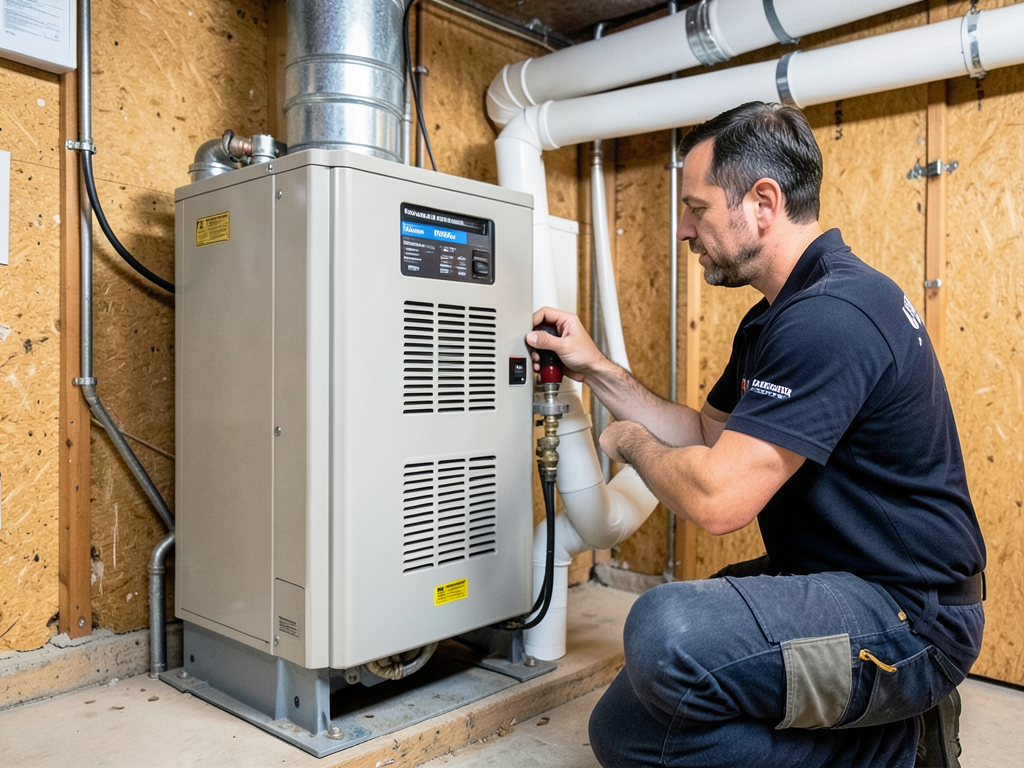
Detroit's housing stock includes thousands of homes built before 1970, many with original or aging HVAC systems. In neighborhoods like Rosedale Park and Palmer Woods, furnaces often sit in damp basements with poor ventilation. These conditions accelerate component failure. When you call a technician who knows Detroit's housing challenges, you get someone who understands how basement moisture affects flame sensors and how old ductwork creates airflow restrictions. Local expertise matters because a technician from the suburbs might not recognize the unique problems that come with Detroit's urban housing density and aging infrastructure.