Menu

No Heat Emergency Service in Detroit – Technicians Dispatched in Under 60 Minutes, 24/7

When your furnace fails in the middle of a Detroit winter night, you need more than promises. You need immediate dispatch, diagnostic speed, and technicians who carry the parts to fix forced-air systems, boilers, and heat pumps on the first visit.

Slider Image 1
Slider Image 2
Slider Image 3
Slider Image 4
Slider Image 5
Slider Image 7
Slider Image 8
Slider Image 9
Slider Image 10
Slider Image 11

Why Losing Heat in Detroit Is Not Just Uncomfortable, It's Dangerous

Detroit winters drop below freezing for weeks at a time. When your heat goes out at 2 a.m. and temperatures are hovering near 10 degrees, you are not dealing with mild discomfort. You are dealing with frozen pipes, potential carbon monoxide risk from improvised heating, and a home that becomes uninhabitable within hours.

The freeze-thaw cycles in Southeast Michigan put additional stress on HVAC systems. Snow loads on rooftop units, ice damming that blocks exhaust vents, and the constant demand on aging furnaces mean emergency furnace repair is not rare in this region. It is expected. Homeowners in neighborhoods like Corktown, Palmer Woods, and Rosedale Park know that when the thermostat goes dark, you need 24 hour heating repair, not a callback the next business day.

Waiting until morning is not an option. Pipes begin freezing when indoor temperatures drop below 55 degrees. That gives you a narrow window before you are dealing with burst lines, water damage, and compounded costs. Urgent heater service is about protecting your home, your family, and your property value.

You need a team that answers the phone immediately, carries diagnostic tools in the truck, and has access to OEM and aftermarket parts for every major brand. You need 24/7 furnace repair that treats your emergency like the crisis it is, not like a service ticket that gets queued for tomorrow.

Why Losing Heat in Detroit Is Not Just Uncomfortable, It's Dangerous
How We Diagnose and Restore Heat Faster Than Standard HVAC Calls

How We Diagnose and Restore Heat Faster Than Standard HVAC Calls

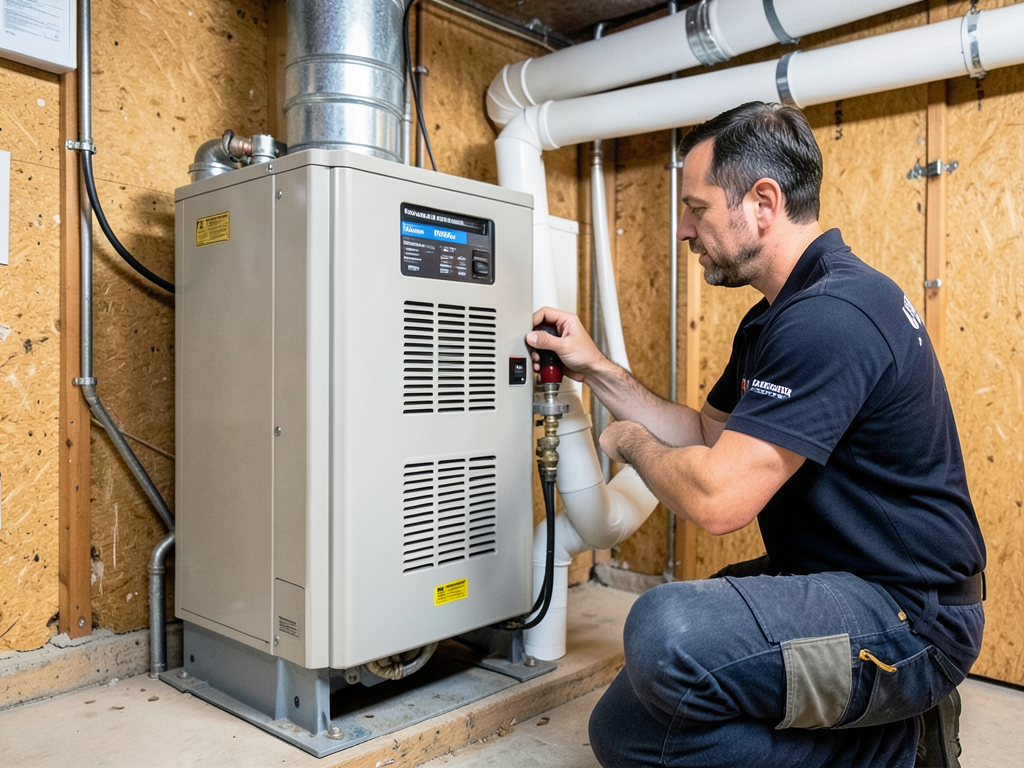
Most HVAC companies treat after hours heating repair like an inconvenience. We treat it like the core of what we do. Our trucks are stocked with ignitors, flame sensors, pressure switches, blower motors, and capacitors for the most common failures in forced-air gas furnaces, electric heat pumps, and hot water boilers.

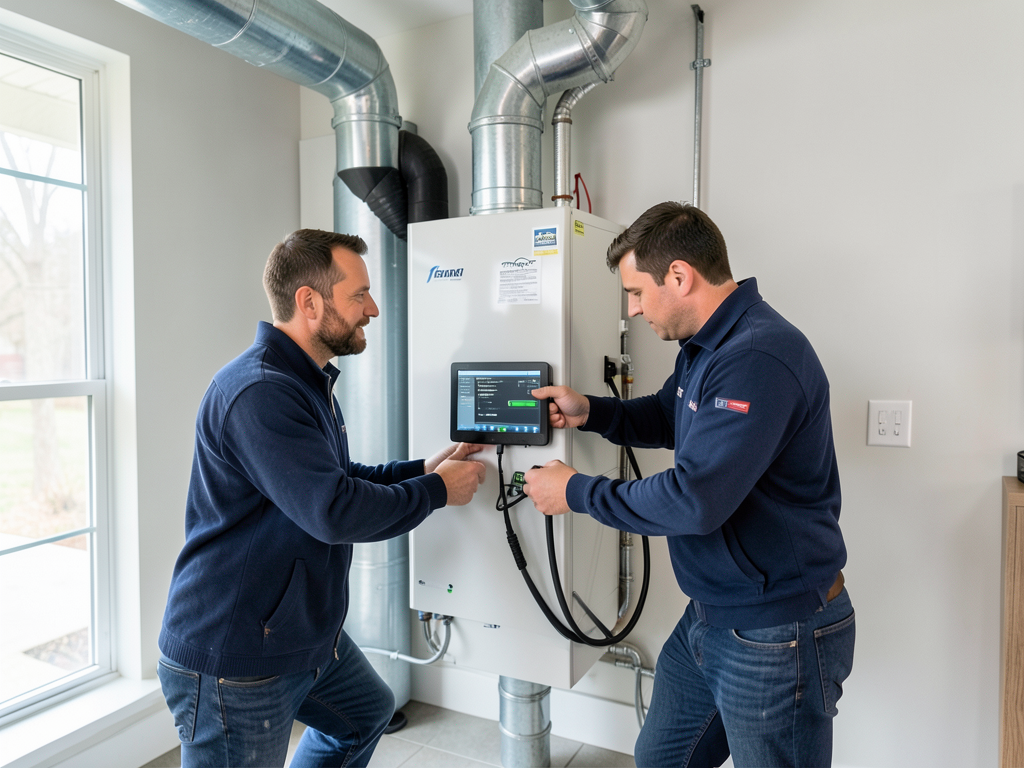
When you call, we dispatch immediately. Our technician arrives with a full mobile diagnostic kit, including a multimeter, manometer for gas pressure testing, and combustion analyzer. We do not guess. We test the thermostat signal, verify voltage at the control board, check for flame rollout or limit switch trips, and inspect the heat exchanger for cracks that could leak carbon monoxide.

If your furnace is not igniting, we check the hot surface ignitor, the flame sensor, and the gas valve in that order. If the blower is not running, we test the capacitor, the blower motor windings, and the control board relay. If the system is short-cycling, we measure the temperature rise across the heat exchanger and check for airflow restrictions caused by a clogged filter or blocked return duct.

We fix the problem on the first visit in most cases. If a part is not on the truck, we source it from our local supplier network and return the same day. You are not waiting 48 hours for a part to ship from a regional warehouse. We prioritize speed without cutting corners on safety or code compliance.

What Happens When You Call for Emergency Heat Restoration

No Heat Emergency Service in Detroit – Technicians Dispatched in Under 60 Minutes, 24/7
01

Immediate Phone Answer and Dispatch

You call our emergency line and speak to a real person, not an answering service. We collect your address, your symptoms, and your furnace type. Within minutes, a technician is dispatched to your location. You receive a text with the technician's name, photo, and estimated arrival time. We treat your call like the emergency it is, not like a scheduled appointment.
02

On-Site Diagnostic and Repair

The technician arrives with tools and parts. We run a full system diagnostic, test all safety switches, measure gas pressure, and inspect the heat exchanger. We explain what failed, why it failed, and what the repair involves. Most repairs are completed within 90 minutes of arrival. If we need a part, we source it locally and return the same day whenever possible.
03

System Test and Safety Verification

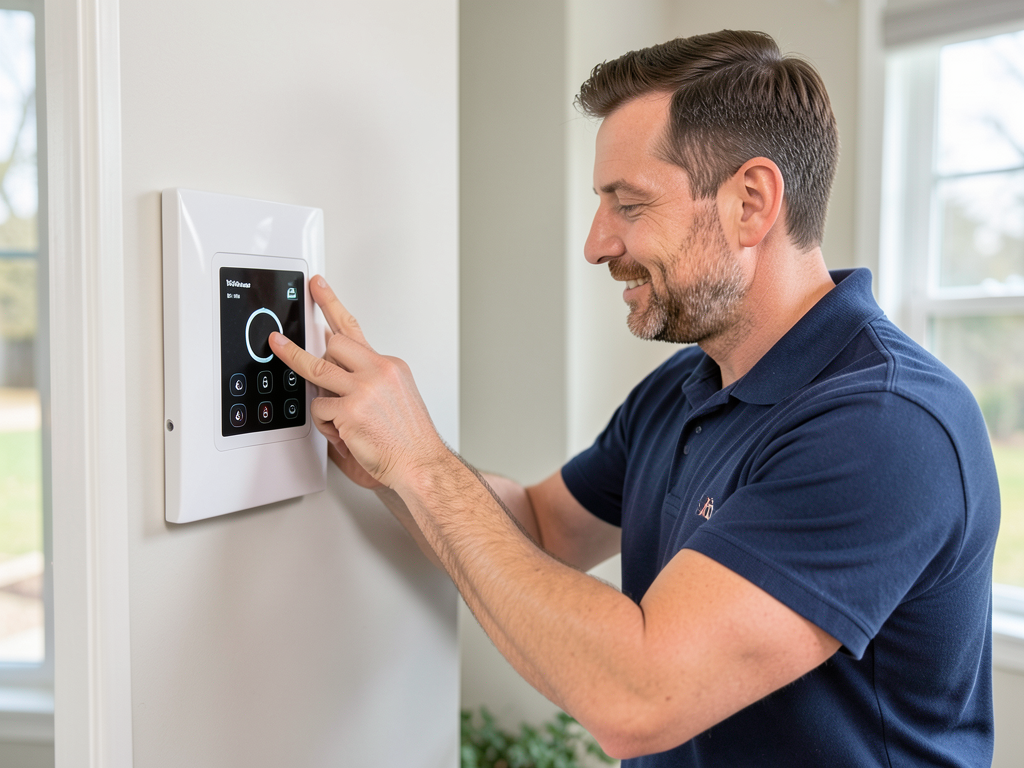
After the repair, we test the furnace through multiple heating cycles. We verify proper ignition, measure temperature rise, check for gas leaks, and test the carbon monoxide output. We adjust the thermostat and ensure airflow is balanced. You get a written summary of what was done, what parts were replaced, and what to monitor going forward.

Why Detroit Homeowners Call Ace HVAC Detroit First

We are not a national chain dispatching subcontractors. Ace HVAC Detroit is locally owned, and every technician on our team has worked through at least three Detroit winter seasons. That means they have seen every failure mode common to this climate, from frozen condensate lines on high-efficiency furnaces to cracked heat exchangers caused by decades of thermal cycling.

We are familiar with the housing stock in Detroit. Many homes in neighborhoods like Indian Village, Grandmont Rosedale, and East English Village were built between 1920 and 1960. That means cast iron radiators, gravity furnaces that have been converted to forced air, and ductwork that was never designed for modern airflow requirements. We do not walk into your home and act surprised by what we find. We know what to expect, and we know how to adapt repairs to older systems without compromising safety.

Detroit's building codes require specific venting standards for gas appliances, especially in homes with newer windows and tighter envelopes. We follow Michigan Residential Code Chapter 24 for combustion air and venting. If your furnace is backdrafting or showing signs of inadequate combustion air, we address it during the repair, not months later when carbon monoxide becomes a problem.

We also understand the urgency. A home without heat in Detroit is not just uncomfortable. It is a safety risk. Frozen pipes, space heater fires, and carbon monoxide poisoning from improvised heating are real threats. We treat every emergency call with the seriousness it deserves, and we do not leave until your heat is restored.

What to Expect When You Call for Emergency Heating Repair

Response Time and Availability

We answer emergency calls 24 hours a day, seven days a week, including holidays. When you call, you speak to a live person who dispatches a technician immediately. Most customers see a truck within 60 minutes during late-night calls and within 30 minutes during evening hours. We prioritize no-heat calls over all other service requests because we know how quickly a home becomes uninhabitable in freezing temperatures. You get a text with the technician's name and arrival window as soon as dispatch is complete.

Diagnostic Process and Transparency

The technician walks you through the diagnostic process step by step. We test the thermostat, check for power at the furnace, inspect the ignition system, and measure gas pressure. We explain what we find in plain language, not jargon. If your furnace needs a part, we show you the failed component and explain why it matters. We provide an upfront estimate before any work begins. There are no surprise charges, and we do not upsell unnecessary repairs during an emergency.

Repair Quality and Safety Standards

Every repair meets or exceeds manufacturer specifications and Michigan mechanical code requirements. We use OEM or equivalent parts, never cheap aftermarket components that fail prematurely. After the repair, we test the furnace through multiple heating cycles, verify combustion efficiency, check for gas leaks with electronic leak detectors, and measure carbon monoxide output at the flue. You receive a written summary of the work completed, including parts replaced and safety checks performed. Your system is not just running. It is running safely.

Follow-Up and Preventive Guidance

After the emergency repair, we provide guidance on preventing future failures. That includes filter change intervals, signs of heat exchanger wear, and when to consider replacement instead of additional repairs. If your furnace is older than 20 years or showing multiple failure points, we discuss your options honestly. We also offer scheduled maintenance plans to catch small issues before they become middle-of-the-night emergencies. Our goal is to keep you warm all winter, not just fix one breakdown.

Frequently Asked Questions

You Have Questions,
We Have Answers

Is not having heat considered an emergency? +

Yes. In Detroit, losing heat during winter is a life-safety emergency. When temperatures drop below freezing, you risk frozen pipes, burst water lines, and dangerous indoor conditions for children and elderly residents. Michigan law classifies heat loss in occupied dwellings as an urgent habitability issue. If your furnace fails, you face potential hypothermia exposure within hours, especially during polar vortex events common to the Detroit metro. Frozen pipes can burst and cause catastrophic water damage to your home. Contact an emergency HVAC technician immediately. Do not wait until morning.

Is heating not working an emergency? +

Yes. A heating system failure in Detroit qualifies as an emergency requiring immediate response. Detroit winters regularly see subzero wind chills and sustained below-freezing temperatures. Without working heat, your home becomes uninhabitable fast. Interior temperatures can drop dangerously low within hours, putting occupants at risk for hypothermia and causing pipes to freeze and burst. You face potential property damage worth thousands of dollars if water lines rupture. Emergency HVAC service operates 24/7 for this exact reason. Call a licensed technician immediately to diagnose and repair your furnace or boiler before conditions worsen.

How long can a house go without heat? +

In Detroit, a house should not go without heat for more than a few hours when outdoor temperatures drop below 32 degrees. Within 4-6 hours of heat loss, interior temperatures fall into the danger zone for pipe freezing. After 12-24 hours without heat during typical January conditions, you risk burst pipes, structural damage, and unsafe living conditions. Homes in older Detroit neighborhoods with poor insulation lose heat faster. Children, elderly residents, and pets face hypothermia risk when indoor temperatures drop below 55 degrees. Treat heat loss as urgent and call emergency HVAC service immediately.

Can I call 911 for no heat? +

No. Do not call 911 for no heat unless you have a medical emergency or someone shows signs of hypothermia. Detroit 911 dispatchers handle life-threatening police, fire, and medical crises. Heat loss is urgent but not a 911 matter. Instead, call a licensed 24/7 emergency HVAC company immediately. If you are a vulnerable resident (elderly, disabled, with infants) and cannot afford emergency repair, contact Detroit's Emergency Solutions Grant program or United Way's 2-1-1 for heating assistance resources. For carbon monoxide detector alarms or gas smell, evacuate immediately and then call 911.

Who do I call if my heat is not working? +

Call a licensed emergency HVAC technician immediately. Do not attempt DIY furnace repair. In Detroit, qualified contractors offer 24/7 emergency service for heating failures. A certified technician can diagnose ignition problems, faulty thermostats, blower motor failures, or cracked heat exchangers that cause system breakdowns. If you rent, contact your landlord first, but Michigan law requires them to restore heat within 24 hours. If they fail to respond, call an HVAC professional yourself and document everything for potential rent abatement. Keep your family safe. Get professional help fast, especially when temperatures drop below freezing.

What is the $5000 rule? +

The $5000 rule is a guideline some HVAC contractors use to decide between furnace repair versus replacement. If your furnace repair cost multiplied by the system's age exceeds $5000, replacement often makes better financial sense. For example, a $400 repair on a 15-year-old furnace equals $6000, suggesting replacement is smarter. This calculation helps Detroit homeowners avoid pouring money into aging equipment that will fail again. However, during emergency winter breakdowns, immediate repair restores heat fast while you plan replacement for spring. Always get a qualified assessment of repair costs versus remaining system lifespan before deciding.

Is it safe to stay in a house with no heat? +

No. Staying in a Detroit house without heat during winter is dangerous and potentially deadly. Indoor temperatures below 55 degrees create hypothermia risk, especially for children, elderly residents, and individuals with health conditions. You also risk frozen pipes that burst and flood your home, causing extensive water damage and mold growth. Carbon monoxide poisoning becomes a risk if you use unsafe heating alternatives like gas stoves or generators indoors. Evacuate to a warm location and contact emergency HVAC service immediately. Do not tough it out. Get your heating system repaired or replaced by a licensed professional.

How long can you leave a tenant without heat? +

In Michigan, landlords must provide adequate heat and cannot leave tenants without working heat for more than 24 hours. Detroit housing codes require landlords to maintain interior temperatures of at least 68 degrees from October through May when outdoor temperatures fall below 65 degrees. If your landlord fails to restore heat within 24 hours, document everything, contact Detroit's Buildings, Safety Engineering, and Environmental Department, and consider calling an emergency HVAC technician yourself. Michigan law allows rent withholding or repair-and-deduct remedies for habitability violations. Protect yourself and your family. Heat loss is a serious landlord code violation.

What to do if you have no heating? +

Call a 24/7 emergency HVAC technician immediately to diagnose and repair your heating system. While waiting, close off unused rooms to concentrate warmth, seal drafts around windows and doors, and use safe supplemental heat sources like electric space heaters. Never use gas stoves, grills, or generators indoors due to carbon monoxide risk. Dress in layers and keep vulnerable family members warm. If temperatures drop dangerously low, relocate to a heated location like a friend's home or warming center. Detroit operates emergency warming centers during extreme cold. Do not delay professional furnace repair.

What temperature is dangerously cold for a house? +

Indoor temperatures below 55 degrees become dangerously cold for occupied homes. At this temperature, hypothermia risk increases significantly for children, elderly residents, and individuals with health conditions. Below 50 degrees, your Detroit home's pipes begin freezing, especially in uninsulated basements, crawl spaces, and exterior walls. Frozen pipes burst and cause catastrophic water damage. Below 40 degrees, your home becomes uninhabitable and structurally at risk. During polar vortex events common to Detroit winters, outdoor temperatures can drop below zero, causing rapid indoor heat loss. Treat any indoor temperature drop below 60 degrees as urgent. Call emergency HVAC service immediately.

How Detroit's Freeze-Thaw Cycles and Aging Housing Stock Drive Emergency Heating Failures

Detroit experiences an average of 140 days below freezing each year, with extended cold snaps that push furnaces to run 18 hours a day. The freeze-thaw cycling causes expansion and contraction in ductwork, which can separate joints and reduce airflow. Older homes in neighborhoods like Warrendale and Sherwood Forest often have undersized ductwork that was never designed for modern forced-air systems. This creates back pressure on the blower motor, leading to capacitor failure and overheating. Emergency furnace repair calls spike during January and February because systems that limp through fall finally fail under sustained load.

Ace HVAC Detroit has worked in Detroit for years, and our technicians know the housing patterns in every neighborhood. We understand the quirks of gravity furnaces that were converted to forced air, the venting challenges in balloon-framed homes, and the electrical limitations of older panels that trip breakers when furnaces and space heaters run simultaneously. Choosing a local provider means you get someone who has seen your exact problem in a dozen other homes on your block. That experience translates to faster diagnosis, fewer return trips, and repairs that last.
HVAC Services in The Detroit Area

We invite you to explore our service area and locate our business on the map. Ace HVAC is strategically positioned to efficiently serve all residential and commercial clients within the Detroit metropolitan area and surrounding communities, ensuring prompt response times and convenient access to our expert heating and cooling solutions whenever you need us.

Address:
Ace HVAC Detroit, 7300 Woodward Ave, Detroit, MI, 48202

Additional Services We Offer

Our news updates

Latest Articles & News from The Blogs

Why Financing Your Detroit HVAC System Makes Sense Detroit homeowners face extreme seasonal swings. Winter lows can drop below zero…

How to Choose an HVAC Financing Plan That Won't Break Your Monthly Budget

Why Financing Your Detroit HVAC System Makes Sense Detroit homeowners face extreme seasonal swings. Winter lows can drop below zero…

Why Your New Center Apartment Smells Like Burning Dust Every Time the Heat Kicks On

Why Your New Center Apartment Smells Like Burning Dust Every Time the Heat Kicks On That burning dust smell when…

Comparing the Most Reliable Furnace Brands for the Harsh Winters in Shelby Township

Comparing the Most Reliable Furnace Brands for the Harsh Winters in Shelby Township\n\nWhen a January Polar Vortex hits Shelby Township…

Contact Us

Do not spend another hour in a freezing home. Call Ace HVAC Detroit now at (313) 552-7177. We dispatch immediately, diagnose accurately, and restore heat fast. Our trucks are stocked, our technicians are ready, and we answer 24/7.