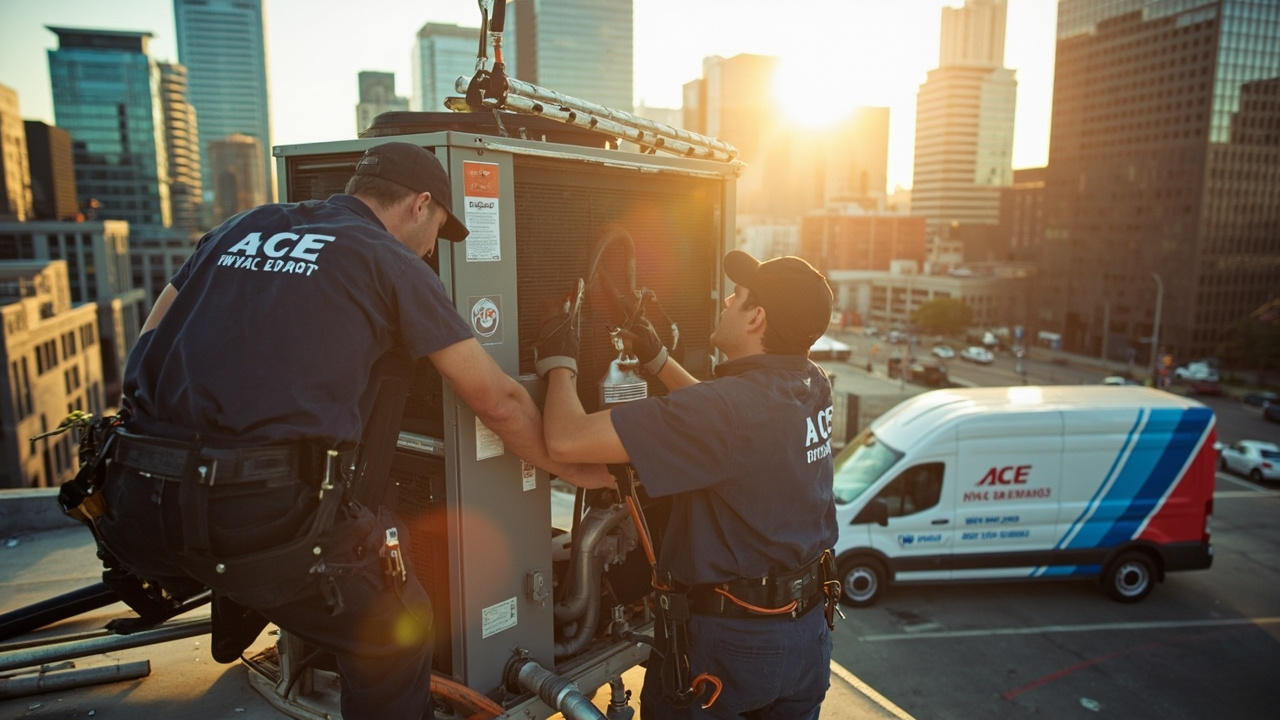
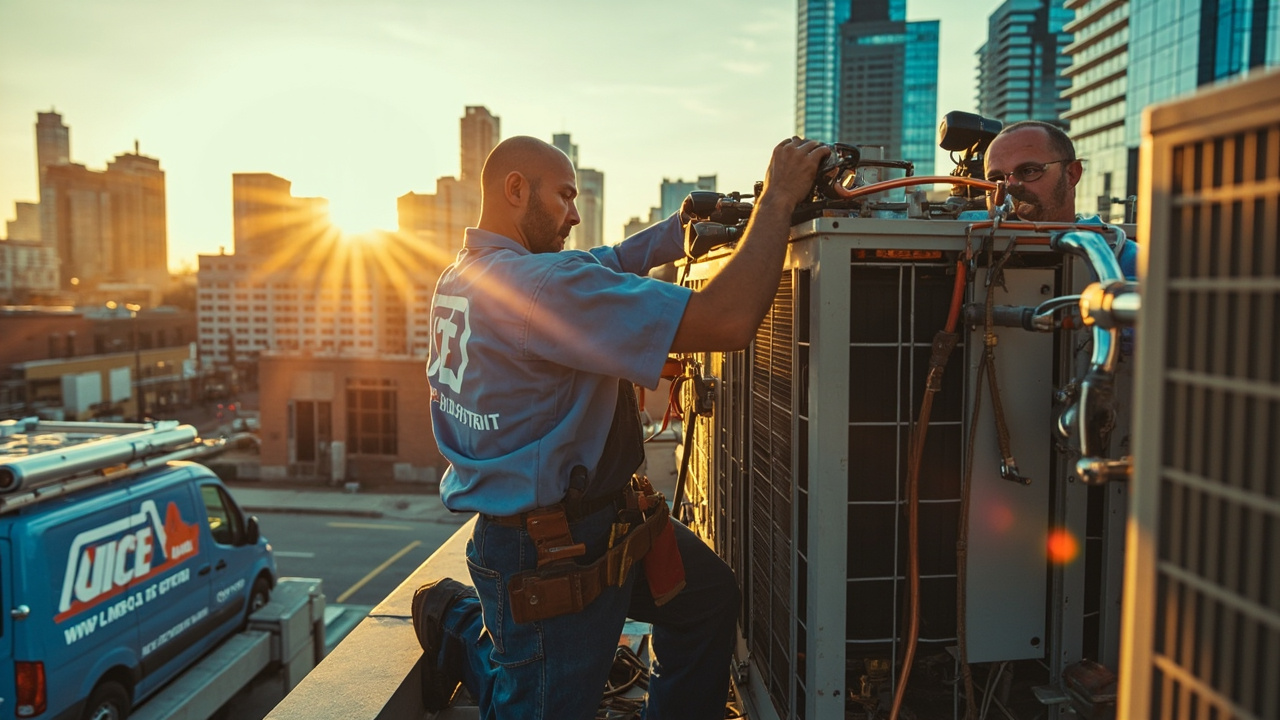

Detroit's manufacturing base creates unique demands for commercial heating and cooling services. Facilities along the I-94 industrial corridor and in Dearborn's automotive supplier district generate substantial process heat from welding operations, injection molding equipment, and assembly line machinery. Commercial HVAC contractors must design systems that handle heat loads 3 to 5 times higher than office buildings of similar square footage. Detroit's older industrial buildings often lack adequate electrical service for modern high-efficiency equipment, requiring coordination with DTE Energy on transformer upgrades and service entrance modifications. The city's brownfield redevelopment projects converting former auto plants into mixed-use spaces demand creative HVAC solutions that work within existing structural constraints while meeting current energy codes.
Commercial mechanical contractors operating in Detroit must navigate the city's permitting process through the Buildings, Safety Engineering and Environmental Department, which enforces stricter interpretations of mechanical codes in historic districts and requires additional documentation for buildings over three stories. Local commercial HVAC companies understand that projects in Downtown Detroit's Central Business District face longer permit review times and need to coordinate utility work with the Downtown Development Authority. Facilities in Detroit's Opportunity Zones may qualify for federal tax incentives on HVAC upgrades, but only if your commercial HVAC service providers document energy efficiency improvements properly. Choosing industrial HVAC contractors with established relationships with Detroit's building department and local utility providers reduces your project timeline and ensures compliance with municipal requirements that out-of-state contractors often miss.