Menu

AC Blowing Warm Air in Detroit – Expert Diagnosis and Same-Day Repair

When your air conditioner blows hot air instead of cooling your home, you need fast answers and experienced technicians who can pinpoint refrigerant leaks, compressor failures, and electrical faults specific to Detroit's demanding summer conditions.

Slider Image 1
Slider Image 2
Slider Image 3
Slider Image 4
Slider Image 5
Slider Image 7
Slider Image 8
Slider Image 9
Slider Image 10
Slider Image 11

Why Your AC Runs But Won't Cool Your Detroit Home

You set the thermostat to 68 degrees. The unit hums. Air moves through the vents. But your central air is blowing warm air instead of the cold relief you expected.

This problem frustrates thousands of Detroit homeowners every summer, and the city's climate makes it worse. When temperatures spike above 90 degrees and humidity climbs, your air conditioning system works harder than it does in drier climates. Detroit's combination of Great Lakes humidity and urban heat island effect puts constant stress on compressors, refrigerant lines, and condenser coils.

When your air conditioner is blowing hot air, the cause usually falls into one of five categories. Refrigerant leaks drain cooling capacity. Compressor failures prevent refrigerant circulation. Dirty condenser coils block heat transfer. Faulty reversing valves send hot refrigerant to the wrong place. Electrical failures interrupt the cooling cycle.

Each of these problems creates the same result: your AC vents blow hot air while your energy bill climbs and your indoor temperature becomes unbearable.

The longer you run an air conditioning system that is not blowing cold air, the more damage you risk. Low refrigerant forces the compressor to work harder, shortening its lifespan. Electrical faults can damage control boards. A failing compressor can contaminate the entire refrigerant system with metal shavings.

Detroit's older housing stock, particularly in neighborhoods like Indian Village and Brush Park, often features outdated electrical panels that cannot handle modern AC loads. Newer subdivisions in areas near Eight Mile and the Grosse Pointes face different challenges, where rapid installation during construction booms sometimes means improper refrigerant charges or inadequate ductwork sizing.

When your AC is running but not cooling, you need someone who understands both the mechanical systems and the specific environmental factors that affect Detroit homes.

Why Your AC Runs But Won't Cool Your Detroit Home
How We Fix Air Conditioners Blowing Warm Air

How We Fix Air Conditioners Blowing Warm Air

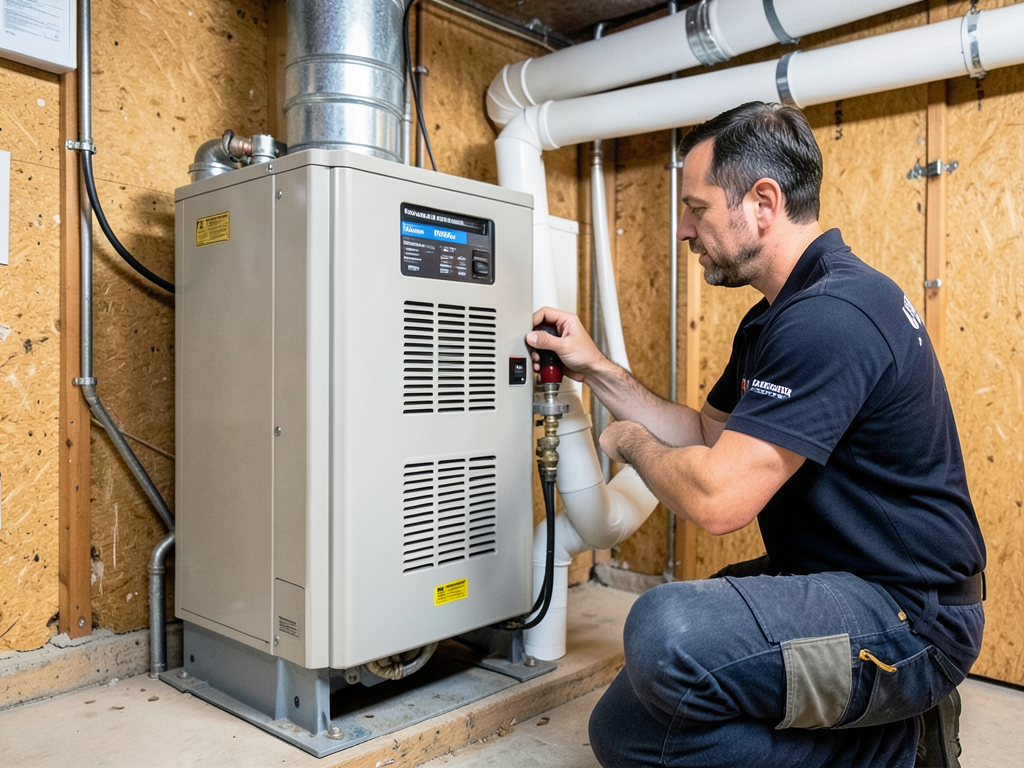
We start every service call with digital manifold gauge testing. This tells us exact refrigerant pressures on both the high side and low side of your system. Normal operating pressures for R-410A refrigerant in Detroit's summer conditions should fall between 115 and 125 psi on the low side and 250 to 300 psi on the high side, depending on outdoor temperature. When your central air is blowing warm air, these numbers reveal the problem.

Low pressure on both sides indicates a refrigerant leak. High pressure on both sides points to a blocked condenser or failed condenser fan. Low suction pressure combined with high discharge pressure signals a restriction in the liquid line or expansion valve. These diagnostic readings eliminate guesswork.

We use electronic leak detectors rated to 0.1 ounces per year sensitivity, combined with UV dye injection when necessary. Most refrigerant leaks in Detroit homes occur at brazed joints where vibration from the compressor causes metal fatigue, or at the service valves where corrosion from road salt carried in the air weakens connections.

For compressor failures, we test amperage draw, start capacitor microfarad ratings, and run capacitor performance. A compressor drawing higher than nameplate amperage while producing warm air has internal damage. We check for acid contamination in the refrigerant oil, which indicates burned motor windings.

Electrical diagnostics include contactor voltage drop testing, control board relay function verification, and thermostat wire continuity checks. Detroit's voltage fluctuations during peak summer demand can damage sensitive control boards, causing erratic operation where your air conditioning system cycles on but never completes a cooling cycle.

When condenser coils are the culprit, we use commercial-grade coil cleaner and low-pressure washing. Detroit's cottonwood trees release seeds that coat outdoor units in white fuzz every June, blocking airflow and causing discharge pressures to skyrocket. This makes your AC blow hot air even when refrigerant levels are correct.

We repair what can be fixed and replace what cannot, explaining the difference clearly.

What Happens During Your Warm Air Service Call

AC Blowing Warm Air in Detroit – Expert Diagnosis and Same-Day Repair
01

System Performance Testing

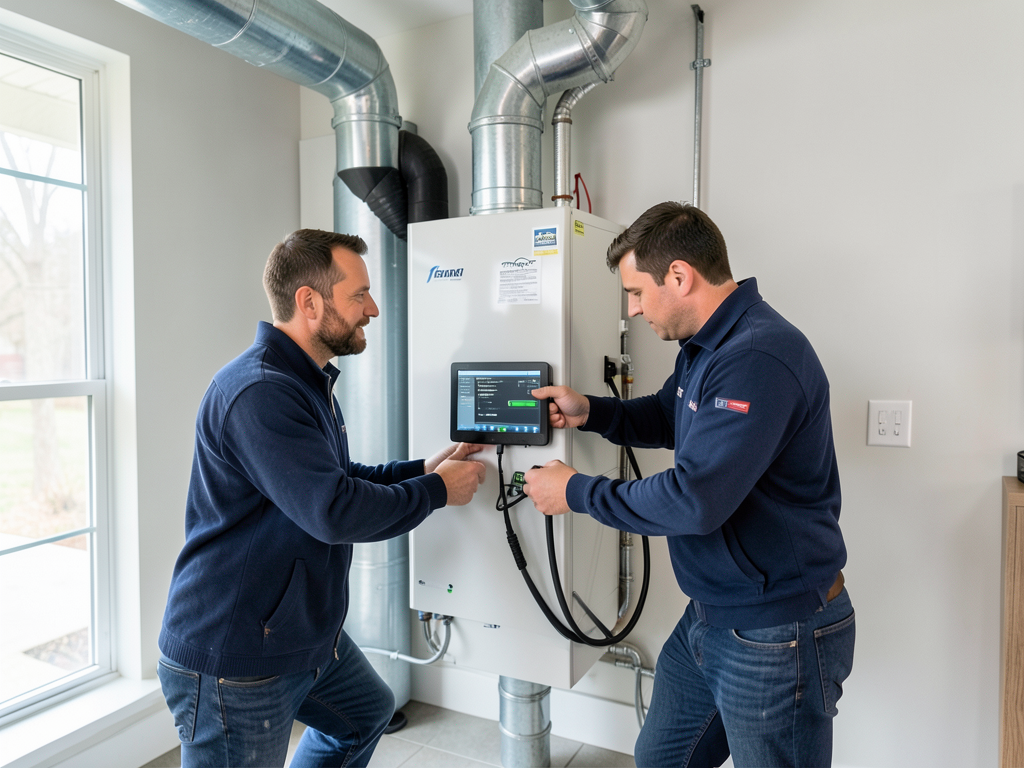
We arrive with digital manifold gauges, clamp meters, and infrared thermometers. Within 15 minutes of connecting our equipment, we know your refrigerant pressures, electrical draw, and temperature split across your evaporator coil. We check supply air temperature at the register and return air temperature at the intake. A properly functioning system in Detroit's summer should produce a 15 to 20 degree temperature difference. Anything less means your system is not cooling effectively.
02

Root Cause Identification

After testing, we trace the specific failure point. If refrigerant is low, we pressurize the system with nitrogen and use electronic detection to find the leak. If electrical components are failing, we test voltage at each connection point. If the compressor is damaged, we analyze oil condition and check for metal contamination. We explain what failed, why it failed, and what risks you face if you delay the repair. You get a written diagnostic report before we proceed.
03

Repair and Verification

We complete the repair using OEM or equivalent parts, then verify performance with the same testing equipment we used for diagnosis. We confirm refrigerant pressures return to manufacturer specifications, electrical draw falls within acceptable range, and supply air temperature drops to 55 degrees or below. We run the system through multiple cooling cycles to ensure stable operation. You see the before and after readings on our gauges before we leave your property.

Why Detroit Homeowners Choose Ace HVAC Detroit

When your air conditioner blows hot air at 9 PM on a Friday in July, you need technicians who answer the phone and show up prepared. We stock R-410A refrigerant, run capacitors in every common microfarad rating, and replacement contactors for the 15 most common residential condensing units in the Detroit metro area. Our trucks carry the parts that fail most often in Michigan's climate.

Detroit's housing presents specific challenges that require local knowledge. Homes built before 1980 in neighborhoods like Rosedale Park and Sherwood Forest often have undersized electrical service and aluminum wiring that creates high resistance connections. Newer construction in areas near the Detroit River faces accelerated corrosion from moisture-laden air. We have worked on AC systems in every type of Detroit structure, from brick bungalows in the Jefferson Chalmers district to modern builds in the revitalized downtown corridor.

We understand Michigan's seasonal patterns. Your air conditioning system sits idle for eight months, then faces immediate high-demand operation when temperatures jump from 60 to 85 degrees in the span of a week. This thermal shock causes start capacitors to fail and compressor lubricant to break down. We see these failures every May and early June.

When we diagnose why your AC is running but not cooling, we check for problems that other companies miss. We inspect the liquid line insulation for damage that allows heat gain before refrigerant reaches the evaporator. We verify proper airflow across the indoor coil, because restricted airflow from dirty filters or closed registers causes refrigerant to return to the compressor as liquid instead of gas, leading to compressor damage.

You get honest assessments. If your 18-year-old condensing unit has a failed compressor and corroded refrigerant lines, we tell you that replacement makes more financial sense than repair. If your three-year-old system has a simple capacitor failure, we fix it for reasonable cost and explain how to prevent future problems.

We explain our findings in plain language, show you the failed components, and give you options ranked by cost and long-term value.

What to Expect When You Call Us

Same-Day Response Availability

We dispatch technicians to Detroit locations within two to four hours for emergency calls when your air conditioning is not blowing cold air during heat waves. For non-emergency service, we schedule appointments within 24 hours. You get a two-hour arrival window, and we call 30 minutes before we arrive. Our average diagnostic visit takes 45 minutes to one hour. If we have the parts on the truck, most repairs finish the same day. Complex repairs requiring special-order components get scheduled as soon as parts arrive, usually within 48 hours.

Thorough Diagnostic Assessment

Every service call includes complete system evaluation with calibrated test equipment. We check refrigerant charge, measure electrical current, test capacitor performance, inspect contactors for pitting, examine refrigerant lines for leaks, and verify thermostat operation. We photograph failed components and show you gauge readings. You receive a written diagnostic report that explains what failed, what caused the failure, and what additional components are at risk. If your system has multiple problems, we prioritize repairs by safety and by impact on cooling performance.

Guaranteed Cooling Restoration

When we finish your repair, your AC vents will blow cold air at the proper temperature. We verify this with digital thermometers that measure supply air temperature. We confirm your system achieves proper refrigerant pressures and electrical draw within manufacturer specifications. We test the system through multiple cooling cycles before we leave to ensure stable operation. If the same problem recurs within 30 days, we return and fix it at no additional diagnostic charge. You get documentation of all work performed, including parts installed and system performance measurements.

Maintenance Plans That Prevent Future Failures

After we restore cooling to your home, we offer maintenance agreements that prevent the most common causes of warm air problems. Our maintenance visits include condenser coil cleaning, refrigerant pressure verification, electrical connection tightening, capacitor testing, and filter replacement. Detroit's environment requires coil cleaning twice per year because cottonwood seeds and pollen accumulate rapidly on outdoor units. Regular maintenance catches refrigerant leaks before they drain your system completely and identifies failing capacitors before they damage your compressor. Members get priority scheduling and discounted repair rates.

Frequently Asked Questions

You Have Questions,
We Have Answers

Why is my AC suddenly blowing warm air? +

Your AC blowing warm air usually points to one of three culprits: low refrigerant from a leak, a dirty or frozen evaporator coil, or a failed compressor. In Detroit's humid summers, dirty coils freeze fast when airflow drops. A clogged filter chokes the system and triggers ice buildup. Refrigerant leaks happen over time, especially in older units exposed to freeze-thaw cycles. The compressor might run but fail to pressurize refrigerant properly. Check your filter first. If it's clean and the problem persists, you need a technician to diagnose refrigerant levels and coil condition.

Should I turn off the AC if it is blowing warm air? +

Yes, turn it off. Running an AC blowing warm air wastes energy and risks damage. If the evaporator coil froze, continued operation can flood the compressor with liquid refrigerant and burn out the motor. If refrigerant leaked out completely, the compressor runs dry and overheats, leading to catastrophic failure. Shut the system down, switch to fan-only mode to thaw any ice, and call a technician. In Detroit's heat, you lose comfort either way, but shutting down prevents a simple fix from becoming a full replacement.

Why is my AC running but not cooling? +

An AC running without cooling usually means refrigerant loss, a faulty compressor, or blocked airflow. Detroit's clay soil shifts foundations and can pinch refrigerant lines over time, causing leaks. Check your filter and outdoor condenser coil for debris. If the compressor hums but doesn't kick on, the capacitor may have failed. If it runs quietly but produces no cooling, refrigerant leaked out or the compressor lost compression. Electrical issues like a tripped breaker or blown fuse can also stop the compressor while the blower fan runs.

How to reset AC not blowing cold air? +

Turn off the thermostat completely. Wait five minutes. Flip the breaker off at the panel, wait another three minutes, then restore power. Turn the thermostat back to cool. This hard reset clears the control board and allows pressure to equalize in the refrigerant system. If a safety switch tripped due to a frozen coil or dirty filter, the reset might restore function temporarily. In Detroit's older homes with undersized electrical panels, power fluctuations trip safeties often. If cooling doesn't return within 15 minutes, the issue requires professional diagnosis.

What is the 3 minute rule for AC? +

The three-minute rule prevents compressor damage during rapid cycling. After your AC shuts off, refrigerant pressure remains high on the discharge side and low on the suction side. The compressor needs three to five minutes for pressures to equalize before restarting. Most modern thermostats have this delay built in. If you manually cycle power or reset the breaker too fast, the compressor tries to start against high pressure, straining the motor and capacitor. This rule protects your equipment, especially critical in Detroit's aging housing stock with older AC systems.

How to fix a warm AC? +

Start with the filter. Replace it if dirty. Check the outdoor condenser unit for debris, grass clippings, or cottonwood seeds, common in Detroit neighborhoods with mature trees. Hose down the coil fins gently from inside out. Inspect the thermostat settings and ensure it's set to cool, not fan-only. If the unit still blows warm, you likely have a refrigerant leak, failed compressor, or frozen evaporator coil that needs professional service. Refrigerant work requires EPA certification and specialized tools. Fixing warm AC without training risks injury and equipment damage.

What are signs of a failing AC compressor? +

A failing compressor makes unusual noises: grinding, squealing, or chattering. The outdoor unit may vibrate excessively or struggle to start, repeatedly clicking on and off. You might notice the circuit breaker trips frequently. Warm air from the vents despite the system running indicates the compressor isn't pressurizing refrigerant. In Detroit's humid climate, a failing compressor often coincides with higher electric bills as the motor works harder. Hard starting, where lights dim when the AC kicks on, signals capacitor or compressor wear. Compressor failure usually requires full replacement.

Should you turn off your AC if it's not cooling? +

Yes. Running an AC that isn't cooling accomplishes nothing and risks compressor burnout. If refrigerant leaked out, the compressor runs without lubrication and overheats. A frozen evaporator coil can flood the compressor with liquid refrigerant, destroying internal components. You pay for electricity with zero comfort gain. In Detroit's summer heat and humidity, the temptation to leave it running is strong, but you're better off using fans and calling a technician. Shut it down, address the root cause, and avoid turning a repair into a replacement.

Will AC shut off if it overheats? +

Yes. Modern AC systems have thermal overload switches that shut down the compressor when it overheats. This happens when airflow is blocked, refrigerant runs low, or the unit runs continuously in extreme heat. Detroit's humid summers stress systems hard, especially undersized units in older homes. The safety switch prevents motor burnout. Once the compressor cools, the switch resets and the system may restart, only to overheat again. If your AC cycles on and off frequently without cooling, overheating is likely. Professional diagnosis prevents permanent damage.

How to tell if AC is low on refrigerant? +

Low refrigerant causes weak airflow, warm air from vents, and ice buildup on the evaporator coil or refrigerant lines. You might hear hissing or bubbling from a leak. The system runs constantly without reaching the set temperature. In Detroit's older housing stock, refrigerant lines corrode from age and moisture exposure. Frost on the outdoor unit's suction line during operation signals low charge. Energy bills climb as the system works harder. Refrigerant doesn't get used up, it leaks out. A technician must find the leak, repair it, and recharge the system properly.

How Detroit's Climate and Housing Create Unique AC Cooling Challenges

Detroit sits less than two miles from the Detroit River and Lake St. Clair, creating higher humidity levels than inland Michigan cities. This moisture-laden air forces your air conditioning system to remove more latent heat, working the compressor harder and increasing refrigerant pressures. When combined with summer temperatures that regularly exceed 85 degrees, this humidity creates ideal conditions for refrigerant leaks at brazed joints. The freeze-thaw cycles that hit Detroit every winter, sometimes dropping below zero before climbing back above freezing within 48 hours, cause metal expansion and contraction that weakens copper refrigerant lines. These environmental stresses explain why Detroit AC systems develop refrigerant leaks more frequently than systems in drier or more temperature-stable climates.

Detroit's diverse housing stock requires technicians who understand different installation challenges. Historic homes in the Boston Edison district feature plaster walls and limited attic access that complicate refrigerant line routing. Post-war bungalows in the Warrendale neighborhood often have inadequate electrical service that cannot support modern high-efficiency condensing units. Newer construction in Midtown and Corktown sometimes features improperly sized ductwork installed during rapid renovation projects. At Ace HVAC Detroit, we have diagnosed and repaired air conditioning systems in every Detroit neighborhood and building type. We understand local building codes, know which permit requirements apply to different repair types, and maintain relationships with inspectors who expedite necessary approvals when system replacements require upgraded electrical service.
HVAC Services in The Detroit Area

We invite you to explore our service area and locate our business on the map. Ace HVAC is strategically positioned to efficiently serve all residential and commercial clients within the Detroit metropolitan area and surrounding communities, ensuring prompt response times and convenient access to our expert heating and cooling solutions whenever you need us.

Address:
Ace HVAC Detroit, 7300 Woodward Ave, Detroit, MI, 48202

Additional Services We Offer

Our news updates

Latest Articles & News from The Blogs

Why Financing Your Detroit HVAC System Makes Sense Detroit homeowners face extreme seasonal swings. Winter lows can drop below zero…

How to Choose an HVAC Financing Plan That Won't Break Your Monthly Budget

Why Financing Your Detroit HVAC System Makes Sense Detroit homeowners face extreme seasonal swings. Winter lows can drop below zero…

Why Your New Center Apartment Smells Like Burning Dust Every Time the Heat Kicks On

Why Your New Center Apartment Smells Like Burning Dust Every Time the Heat Kicks On That burning dust smell when…

Comparing the Most Reliable Furnace Brands for the Harsh Winters in Shelby Township

Comparing the Most Reliable Furnace Brands for the Harsh Winters in Shelby Township\n\nWhen a January Polar Vortex hits Shelby Township…

Contact Us

Your home should be comfortable. When your air conditioner blows warm air, every hour you wait makes the problem worse and the repair more expensive. Call us now at (313) 552-7177 for same-day diagnosis and repair.