Menu

Smart Thermostat Benefits in Detroit – Cut Energy Bills While Surviving Winter Temperature Swings

Detroit homeowners face brutal winter heating costs and unpredictable seasonal shifts. Smart thermostats deliver precise climate control that adapts to your schedule, reduces energy waste, and protects your HVAC system from the strain of Motor City's extreme temperature fluctuations.

Slider Image 1
Slider Image 2
Slider Image 3
Slider Image 4
Slider Image 5
Slider Image 7
Slider Image 8
Slider Image 9
Slider Image 10
Slider Image 11

Detroit's Climate Demands Smarter Heating and Cooling

Detroit winters drop below zero while summers push into the 90s. Your furnace runs overtime from November through March, then your air conditioner battles humidity from June through August. This constant cycling drives up utility bills and wears down equipment faster than in temperate climates.

Traditional thermostats force you to choose between comfort and cost. You either overheat empty rooms during the day or come home to a freezing house. The advantages of smart thermostats eliminate this tradeoff entirely. These connected devices learn your patterns, adjust temperatures room by room, and optimize run cycles to match Detroit's weather patterns.

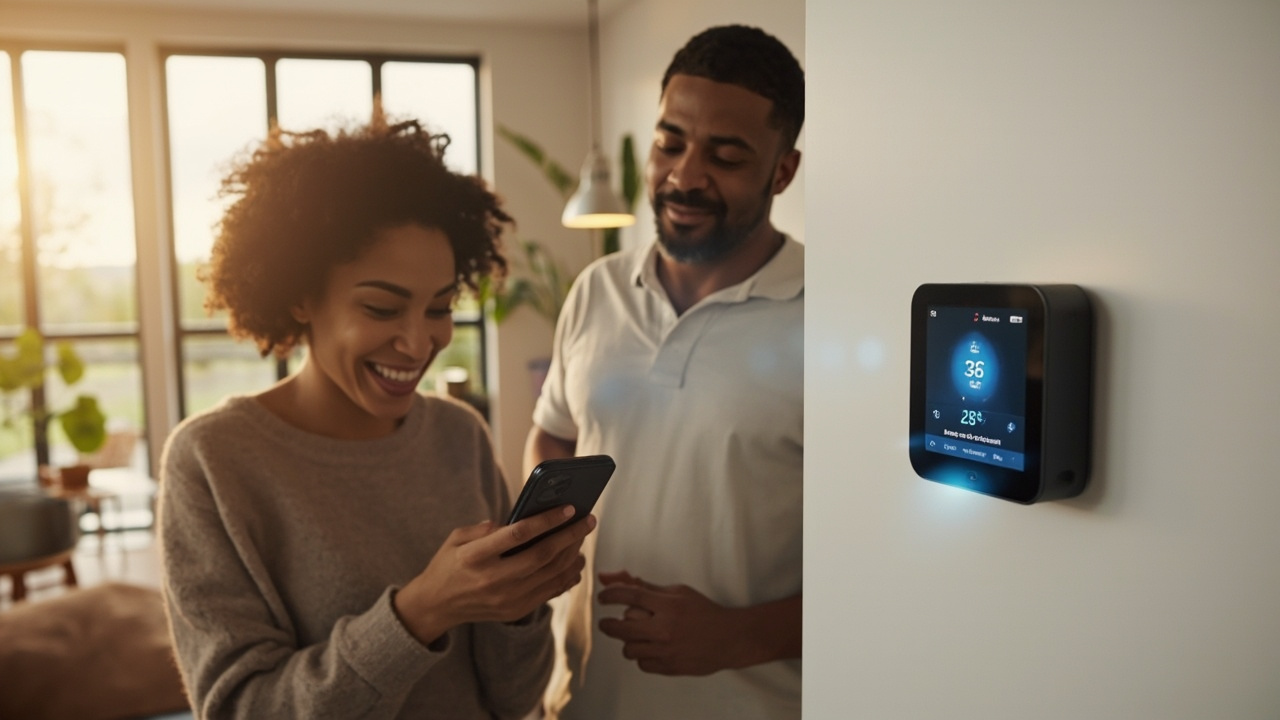
The value of smart thermostats becomes clear when you examine energy data. Homes in Southeast Michigan that upgrade to wifi thermostats typically see heating bills drop by 15 to 23 percent during winter months. The pros of wifi thermostats extend beyond cost savings. Remote access means you can adjust settings from anywhere, preventing frozen pipes during unexpected cold snaps or reducing cooling loads when you leave work early.

Detroit's older housing stock, particularly in neighborhoods like Indian Village and Palmer Woods, often features inefficient ductwork and aging HVAC systems. Benefits of connected thermostats include diagnostic alerts that warn you about maintenance issues before they become expensive failures. You get real-time data on system performance, runtime patterns, and temperature inconsistencies that signal problems with airflow or refrigerant levels.

The reasons to upgrade to a smart thermostat go beyond personal comfort. These devices integrate with Detroit's variable electricity rates, shifting energy consumption to off-peak hours when possible and reducing strain on the regional grid during peak demand periods.

Detroit's Climate Demands Smarter Heating and Cooling
How Smart Thermostats Optimize Performance for Detroit Homes

How Smart Thermostats Optimize Performance for Detroit Homes

Smart thermostats use algorithms that factor in outdoor temperature, humidity levels, and your home's thermal mass to calculate optimal run times. In Detroit, where lake-effect weather from Lake St. Clair creates microclimates across neighborhoods, this precision matters. A home in Grosse Pointe experiences different heating loads than a house in Dearborn, even on the same day.

These devices employ geofencing technology that detects when you leave your property. The system automatically enters an energy-saving mode, reducing heating or cooling output without manual input. When you drive back across Eight Mile or down Woodward Avenue, the thermostat receives your location data and brings your home back to your preferred temperature before you arrive.

Multi-stage heating and cooling systems benefit most from smart controls. If your home uses a two-stage furnace or a variable-speed heat pump, the thermostat determines whether to run the first stage for mild conditions or engage the second stage during extreme cold. This prevents short cycling, which damages compressors and reduces system lifespan.

Zoning capabilities allow different temperature settings for separate areas. Detroit's historic homes often have additions or finished basements with different insulation values than the original structure. A smart thermostat connected to zone dampers directs conditioned air where you need it, rather than heating or cooling spaces you do not use.

Humidity control becomes critical during Detroit summers when dew points climb into the 70s. Smart thermostats monitor indoor humidity levels and adjust fan speeds to maximize dehumidification without overcooling. This prevents mold growth in basements and crawl spaces, which plague older homes in areas near the Detroit River.

The learning function tracks your adjustments over several weeks and creates a schedule that matches your lifestyle. If you work irregular shifts or travel frequently, the system adapts without requiring manual programming.

What Happens During Your Smart Thermostat Upgrade

Smart Thermostat Benefits in Detroit – Cut Energy Bills While Surviving Winter Temperature Swings
01

System Compatibility Assessment

We examine your existing HVAC equipment to verify compatibility with smart thermostat models. This includes checking wire configurations, identifying your heating and cooling stages, and testing voltage levels at the control board. Detroit homes built before 1980 sometimes lack a common wire, which requires adding a power adapter or running new thermostat cable to ensure reliable operation.
02

Installation and Network Configuration

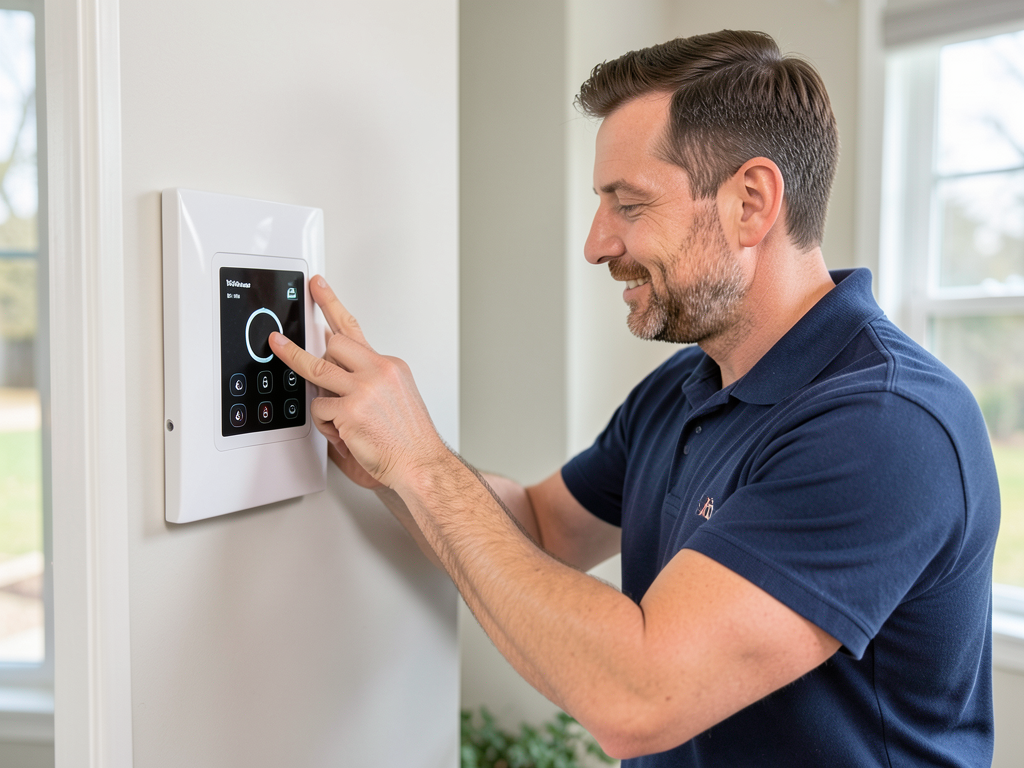
We mount the new thermostat, connect the wiring, and link the device to your home wifi network. The technician configures heating and cooling parameters specific to your equipment type, sets up geofencing boundaries, and creates initial temperature schedules. We test all functions including emergency heat, fan controls, and humidity settings to confirm proper system communication before leaving your property.
03

Optimization and Training

We walk you through the mobile app interface, showing you how to adjust settings remotely, view energy reports, and interpret maintenance alerts. The thermostat enters a learning period where it observes your temperature preferences and occupancy patterns. Within two weeks, the device begins making automatic adjustments that balance comfort with efficiency based on your household's specific usage data.

Why Detroit Homeowners Trust Local HVAC Experts for Smart Upgrades

Installing a smart thermostat requires more than mounting a device on your wall. You need a technician who understands Detroit's building codes, recognizes compatibility issues with older heating systems, and knows how to troubleshoot connectivity problems in homes with thick plaster walls or metal lath that blocks wifi signals.

Ace HVAC Detroit has upgraded hundreds of thermostats across Wayne County. We work with every major brand and recommend models based on your specific equipment, not sales commissions or inventory clearance. If your home uses a boiler system common in Detroit's brick colonials, we install thermostats designed for hydronic heating rather than forcing you into a model built for forced-air systems.

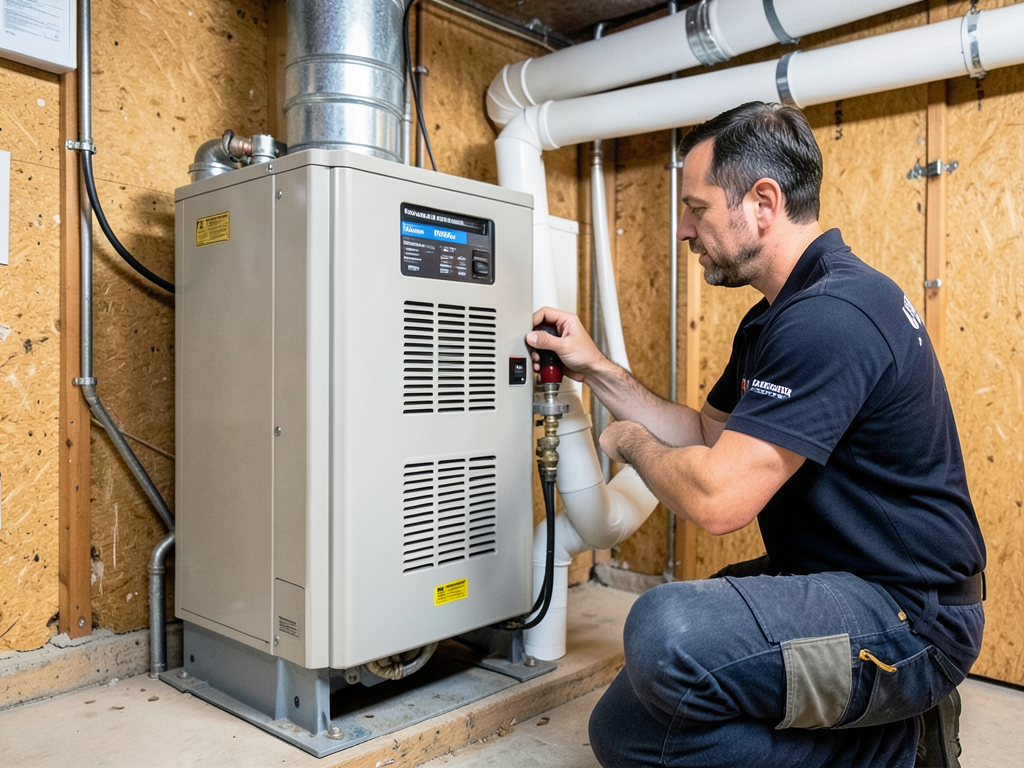
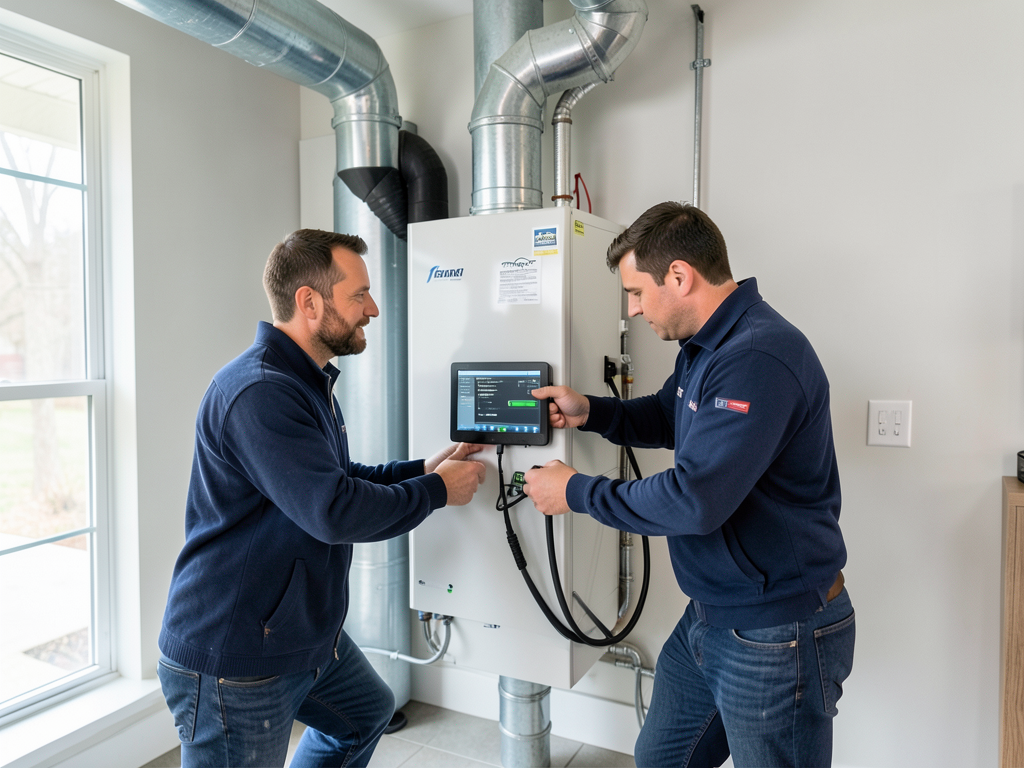
Our technicians carry the diagnostic tools needed to test system performance after installation. We measure temperature differentials, check airflow at registers, and verify that your HVAC equipment responds correctly to thermostat commands. This matters when you have a two-stage furnace or a heat pump with auxiliary heat strips, where incorrect wiring causes comfort problems and wastes energy.

Detroit's neighborhoods present unique challenges. Homes near the riverfront deal with higher humidity. Properties in areas like Rosedale Park or Bagley have steam radiators or gravity furnaces that require specialized controls. We have installed smart thermostats in century-old homes in Corktown and new construction in Midtown. This experience means we anticipate problems before they occur.

Local service matters when you need support. If your thermostat stops communicating with your system during a January cold snap or a July heat wave, you can reach our dispatch line and get same-day service. We stock common replacement parts and maintain relationships with equipment suppliers throughout Metro Detroit, so repairs happen quickly rather than forcing you to wait for shipped components.

What You Get With Professional Smart Thermostat Installation

Same-Day Installation Availability

Most smart thermostat installations take 90 minutes or less when your existing wiring supports the upgrade. We schedule appointments throughout the day to fit your availability, including evening and weekend slots. If your home needs additional wiring or a power adapter, we carry those components on our service vehicles and complete the work during the same visit. You do not wait days for a second appointment or lose climate control during the transition.

Complete System Integration Check

Before we leave your home, we test every function of your HVAC system under thermostat control. This includes running heating and cooling cycles, checking fan operation in auto and manual modes, and verifying that emergency heat engages properly. We inspect your furnace or air handler while the system runs, listening for unusual sounds and checking airflow at supply registers. This diagnostic work often reveals maintenance needs like dirty filters or failing capacitors that would cause problems later.

Energy Usage Optimization

Smart thermostats provide detailed energy reports showing exactly when your system runs and how much it costs. We set up your account to receive monthly summaries and maintenance reminders. The app compares your usage to similar homes in Detroit, helping you identify opportunities for additional savings. You can track how weather changes affect your heating and cooling loads, and adjust settings to reduce waste during mild spring and fall months when Detroit's temperatures fluctuate daily.

Ongoing Technical Support

You get direct access to our service team if you have questions about thermostat features or encounter connectivity issues. We provide guidance on optimizing schedules, adjusting temperature swings, and interpreting diagnostic codes. If your thermostat displays an equipment alert, we can often diagnose the problem remotely and dispatch a technician with the correct parts. This prevents unnecessary service calls and reduces downtime when repairs become necessary. Your smart thermostat stays updated with the latest firmware through automatic updates that improve performance and add features over time.

Frequently Asked Questions

You Have Questions,
We Have Answers

Which is the main benefit of the smart thermostat? +

The main benefit of a smart thermostat is automatic energy savings through adaptive learning. These devices track your schedule and adjust temperatures without manual input. You reduce heating and cooling costs by eliminating wasteful runtime when you are away or asleep. In Detroit, where winters demand heavy furnace use and summers strain air conditioners, smart thermostats cut utility bills by 10 to 23 percent annually. They also provide remote control via smartphone, so you can adjust temperatures from work or vacation. This prevents frozen pipes during cold snaps and keeps your home comfortable year-round.

What are the disadvantages of a smart thermostat? +

Smart thermostats require Wi-Fi and a compatible HVAC system to function fully. Older furnaces or boilers in Detroit's historic neighborhoods may lack the necessary wiring, requiring professional adapter installation. You face a higher upfront cost compared to basic models, and software updates occasionally cause glitches. Privacy concerns exist because these devices collect usage data and connect to the internet. If your Wi-Fi fails, advanced features disappear. Some homeowners find the app interfaces confusing, and not all models work with every HVAC setup. You may also need a C-wire for consistent power, which older homes lack.

Is it worth installing a smart thermostat? +

Yes, if you own your home and plan to stay more than two years. Smart thermostats pay for themselves through lower energy bills, especially in Detroit where heating costs dominate winter budgets. You gain convenience through remote access and automatic scheduling, which prevents energy waste. Rebates from DTE Energy or Consumers Energy often offset the purchase price. If you have an older HVAC system, confirm compatibility first. Renters should check with landlords before installing. For households with predictable schedules and high utility bills, the return on investment is clear. Skip it if you already manually adjust temperatures efficiently.

Is 72 a good temperature for a house? +

72 degrees works for most people during waking hours, but it is not the most efficient temperature. In Detroit winters, you save money by lowering the thermostat to 68 degrees when home and 62 degrees overnight or when away. In summer, set it to 78 degrees to reduce air conditioning costs. Personal comfort varies, but every degree lower in winter or higher in summer cuts energy use by 3 to 5 percent. Smart thermostats automate these adjustments, so you maintain comfort without constantly tweaking settings. Humidity levels also affect perceived temperature, so consider a whole-home humidifier in dry winter months.

What happens to a smart thermostat if Wi-Fi goes down? +

Your smart thermostat reverts to basic programmable functions when Wi-Fi disconnects. You lose remote access, weather-based adjustments, and energy reports. The device continues running your last saved schedule, so heating and cooling do not stop. Manual controls on the unit still work, allowing you to change temperatures directly. In Detroit, where ice storms and power outages disrupt internet service, this failsafe prevents HVAC failure. However, learning algorithms pause until Wi-Fi reconnects. Most models store your preferences locally, so you do not lose custom settings. Extended outages simply mean temporary loss of smart features, not system shutdown.

Do smart thermostats increase home value? +

Smart thermostats provide a modest home value boost by signaling energy efficiency to buyers. In Detroit's competitive real estate market, modern upgrades differentiate your property from older homes. Appraisers rarely assign specific dollar values to thermostats, but they contribute to overall appeal during showings. Buyers appreciate lower projected utility costs, which matter in a climate with harsh winters and humid summers. The return on investment comes more from energy savings during ownership than resale price increases. If you are preparing to sell, highlight the device in listings alongside other efficiency improvements like insulation or new windows for maximum impact.

What is the lawsuit against Nest thermostat? +

Nest faced a class action lawsuit in 2016 alleging the thermostat's software update caused battery drain and system failures. Users reported units shutting down or losing connection, leaving homes without heat or cooling. Google, which owns Nest, settled without admitting fault. The issue affected specific models and firmware versions, not all Nest devices. This lawsuit highlights the risk of relying on internet-connected hardware for critical home systems. In Detroit winters, HVAC failure creates safety risks. Choose thermostats with strong offline functionality and read user reviews about reliability. Regular firmware updates and backup manual controls reduce vulnerability.

Can a thermostat cause a high electric bill? +

Yes, a malfunctioning thermostat drives up electric bills by causing your HVAC system to run excessively. If the sensor reads temperatures incorrectly, your furnace or air conditioner cycles constantly, wasting energy. Short cycling, where the system turns on and off rapidly, indicates thermostat or HVAC problems. In Detroit, where heating dominates energy use, even a one-degree calibration error adds significant cost over winter months. Incorrect placement near drafts or sunlight also skews readings. Check your thermostat's accuracy with a separate thermometer and ensure it sits on an interior wall away from windows and doors for reliable performance.

Can you just replace a thermostat with a smart thermostat? +

Most smart thermostats replace standard programmable models without major changes, but you must verify compatibility first. Check if your HVAC system uses common wire (C-wire) for continuous power. Detroit homes built before 1990 often lack this wire, requiring an adapter or professional installation. Turn off power at the breaker, remove your old thermostat, and photograph the wiring before disconnecting. Match wire labels to the new unit's terminal guide. If your system has unusual components like heat pumps or multi-stage heating, consult an HVAC technician. Incorrect wiring damages equipment and voids warranties, so verify compatibility or hire a professional.

What's the cheapest temperature to keep your house at? +

In Detroit winters, set your thermostat to 68 degrees when home and 62 degrees when away or sleeping. In summer, 78 degrees minimizes air conditioning costs. Each degree adjustment saves 3 to 5 percent on heating and cooling bills. Extreme setbacks below 60 degrees force your furnace to work harder when reheating, reducing efficiency gains. Smart thermostats optimize these transitions by preheating or precooling before you arrive home. Layer clothing and use ceiling fans to maintain comfort at lower settings. Seal air leaks and add insulation to maximize savings without sacrificing warmth during harsh Great Lakes winters.

How Detroit's Temperature Extremes Make Smart Thermostats Essential

Detroit experiences temperature swings exceeding 100 degrees between January lows and July highs. Your HVAC system cycles more frequently than equipment in moderate climates, increasing wear on contactors, relays, and blower motors. Smart thermostats reduce this strain by calculating precise run times that maintain comfort without constant on-off cycling. The devices factor in thermal lag, your home's insulation quality, and outdoor temperature trends to minimize system starts while keeping indoor conditions stable. This becomes critical during shoulder seasons when daytime highs reach the 60s but overnight temperatures drop into the 30s.

Detroit homeowners need HVAC contractors who understand the specific challenges of heating and cooling in Southeast Michigan. We have worked in every neighborhood from Hamtramck to Grosse Ile, installing equipment in homes ranging from 1920s bungalows to modern builds in the New Center area. This local knowledge means we recommend thermostats and settings appropriate for your home's construction, location relative to the Detroit River, and exposure to prevailing winds from the northwest. Choosing a local provider ensures you get support from technicians who understand Detroit's building stock and climate patterns rather than following generic installation protocols designed for national audiences.
HVAC Services in The Detroit Area

We invite you to explore our service area and locate our business on the map. Ace HVAC is strategically positioned to efficiently serve all residential and commercial clients within the Detroit metropolitan area and surrounding communities, ensuring prompt response times and convenient access to our expert heating and cooling solutions whenever you need us.

Address:
Ace HVAC Detroit, 7300 Woodward Ave, Detroit, MI, 48202

Additional Services We Offer

Our news updates

Latest Articles & News from The Blogs

Why Financing Your Detroit HVAC System Makes Sense Detroit homeowners face extreme seasonal swings. Winter lows can drop below zero…

How to Choose an HVAC Financing Plan That Won't Break Your Monthly Budget

Why Financing Your Detroit HVAC System Makes Sense Detroit homeowners face extreme seasonal swings. Winter lows can drop below zero…

Why Your New Center Apartment Smells Like Burning Dust Every Time the Heat Kicks On

Why Your New Center Apartment Smells Like Burning Dust Every Time the Heat Kicks On That burning dust smell when…

Comparing the Most Reliable Furnace Brands for the Harsh Winters in Shelby Township

Comparing the Most Reliable Furnace Brands for the Harsh Winters in Shelby Township\n\nWhen a January Polar Vortex hits Shelby Township…

Contact Us

Stop wasting money on outdated climate control. Call Ace HVAC Detroit at (313) 552-7177 to schedule your smart thermostat installation. Our technicians are ready to upgrade your system and show you exactly how much you can save on heating and cooling costs.