
Dealing With Ice Buildup on Your Outdoor Heat Pump During a Michigan Winter
Your heat pump is supposed to keep your Detroit home warm all winter but when you see a thick layer of ice coating the outdoor unit your first thought might be panic. Ice buildup is common in Michigan winters especially with our high humidity and frequent freeze-thaw cycles but not all ice is normal. This guide explains when that frost is just part of the defrost cycle and when it signals a problem that needs professional attention. Fast and Professional Boiler Repair Services in Corktown and Midtown Detroit.
Normal Frost vs. Dangerous Ice: How to Tell the Difference
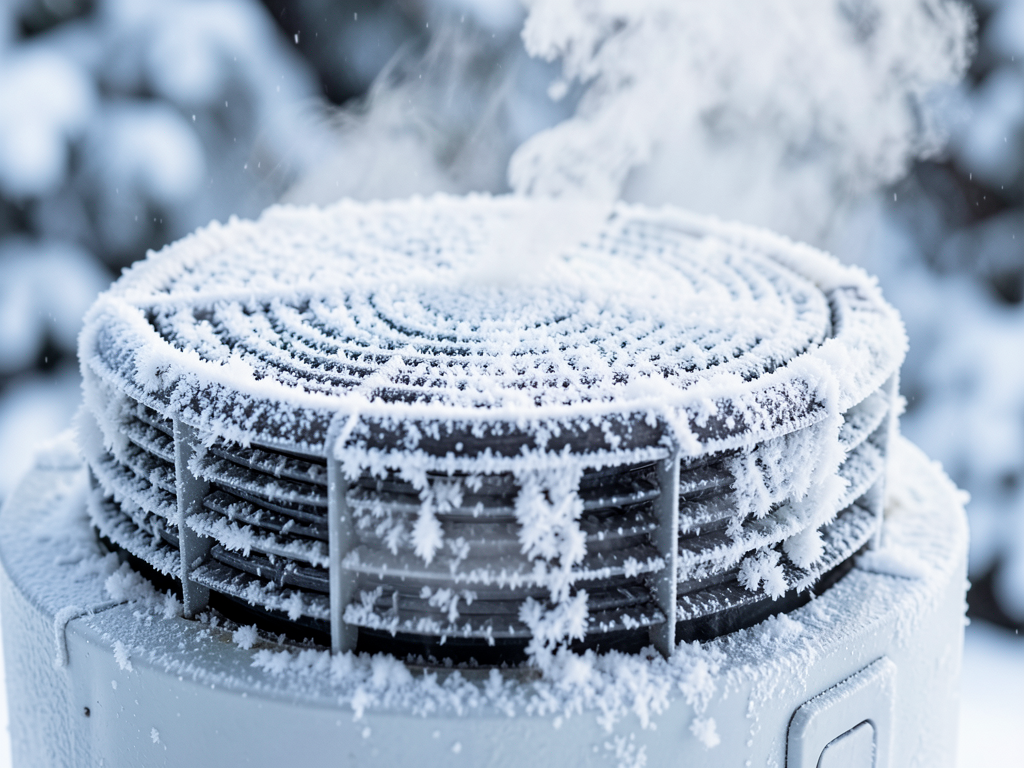
Heat pumps naturally produce frost during cold weather as moisture in the air condenses and freezes on the cold coils. That is why every unit has an automatic defrost cycle that kicks in every 30 to 90 minutes. During defrost the reversing valve switches the system to cooling mode for a few minutes sending hot refrigerant to the outdoor coil to melt the ice. You might see steam rising from the unit and hear a whooshing sound. That is normal. Air Conditioning Contractors of America.
Dangerous ice looks different. If you see a solid block of ice covering the entire coil or ice forming on the fan blades that means the defrost cycle is failing. You might also notice the system running constantly but your home staying cold. That is when you need to act fast.
Quick Diagnostic Checklist
- Is the ice patchy or a solid block? Patchy = likely normal. Solid = likely a problem.
- Can you hear the fan spinning? No sound = possible motor failure.
- Is the ice only on the coil or also on the housing? Ice on housing often means drainage is blocked.
- Has the system been running for more than two hours without a defrost cycle? Call a technician.
Why Your Heat Pump is Freezing Up in Detroit
Detroit winters create the perfect conditions for heat pump freeze-ups. Our proximity to Lake Michigan means high humidity even in sub-zero temperatures. When that moist air hits the cold outdoor coil ice forms quickly. Add in our frequent snowfalls and freeze-thaw cycles and you have a recipe for trouble.. Read more about How to Properly Protect Your Outdoor AC Condenser from Detroit Snow and Ice.
Common causes of excessive ice buildup include:
- Blocked airflow from leaves snow or debris around the unit
- A faulty defrost control board that does not trigger the cycle
- Low refrigerant charge causing the coil to run too cold
- A failed fan motor that stops moving air across the coil
- A stuck reversing valve that cannot switch to defrost mode
Detroit’s older neighborhoods like Sherwood Forest and Palmer Woods often have mature trees that drop leaves well into early winter. Those leaves can block airflow and trap moisture against the coil. In newer suburbs like Canton or Northville heavy snow drifts can bury the bottom of the unit and prevent proper drainage.
Step-by-Step: Safe DIY Ice Removal Methods
If you catch ice buildup early you might be able to clear it safely without calling a technician. Never use sharp tools ice picks or hammers. Those can puncture the fragile coil fins and cost hundreds in repairs. Instead follow these steps: EPA refrigerant handling guidelines.
- Turn Off the System
Switch the thermostat to emergency heat and turn off power at the disconnect box near the unit. This prevents the system from trying to run while iced. How to Find Reliable Emergency Furnace Repair in Detroit Before the Next Deep Freeze.
- Clear Snow and Debris
Gently brush away any snow leaves or debris from around the unit. Maintain at least two feet of clearance on all sides.
- Apply Warm Water
Use a garden hose with lukewarm water to melt the ice. Do not use boiling water as the temperature shock can crack the coil. Start at the top and work down.. Read more about Why Your AC is Leaking Water Into Your Southfield Basement (And How to Stop It).
- Check Drainage
Make sure the unit’s base is not sitting in a puddle. Poor drainage leads to refreezing. If needed elevate the unit on a plastic pad.
- Restore Power
Once the ice is gone restore power and switch back to normal heat. Listen for the defrost cycle to start within the next hour.
If the ice returns within 24 hours or you cannot clear it safely call a professional. Continuing to run a frozen unit can destroy the compressor.
When to Call a Professional Detroit HVAC Technician
Some ice problems need expert help. Call immediately if you notice:
- Ice inside the unit that you cannot see or reach from outside
- The system tripping the circuit breaker repeatedly
- Emergency heat running nonstop but the house still feels cold
- Water leaking inside near the air handler indicating a frozen coil
- A loud buzzing or clicking sound from the outdoor unit
Detroit’s climate means heat pump issues often strike during the coldest nights when emergency repair demand is highest. NATE-certified technicians carry the tools to test defrost boards refrigerant levels and fan motors on-site. They also check for code compliance with Michigan Mechanical Code Section 506 which requires proper unit elevation and drainage in freezing climates.
Preventing Winter Ice Buildup in Southeast Michigan
Prevention starts with fall maintenance. Schedule a tune-up by October to check refrigerant charge clean the coils and test the defrost cycle. A technician can also install a hard plastic pad under the unit to improve drainage and prevent bottom-ice.
Other prevention tips:
- Keep a two-foot snow-free zone around the unit
- Check and clear gutters so water does not drip onto the heat pump
- Trim back any branches that could drop snow or ice onto the unit
- Consider a windbreak if your unit is exposed to northwest winds off Lake Michigan
Homeowners in Novi and Northville often install decorative lattice screens that block wind without restricting airflow. In denser Detroit neighborhoods like Lafayette Park or Rivertown simple snow fencing can reduce drifting.
Regular filter changes also help. A dirty filter reduces airflow across the indoor coil which can cause the entire system to run colder and ice up faster. Replace one-inch filters every one to three months during heavy use.
Understanding Your Heat Pump’s Defrost Cycle
The defrost cycle is controlled by a timer and temperature sensor. Most systems run the cycle every 30 60 or 90 minutes depending on the manufacturer. When activated the reversing valve redirects hot refrigerant to the outdoor coil. The compressor keeps running so you might feel cool air from your vents for a few minutes.
Some newer units have demand defrost that only runs when needed based on coil temperature and run time. This saves energy but can be harder to diagnose when problems occur. If your system seems to run defrost constantly or not at all the control board may need replacement.
According to the Air Conditioning Contractors of America (ACCA) Manual S heat pumps in Detroit should be sized to maintain at least 70% of their rated heating capacity at 0°F. If your unit is undersized it may run continuously and never fully defrost leading to chronic ice issues. Why You Need a Dedicated Air Conditioning Repair Service in Birmingham Michigan.
Cost Impact of Running Emergency Heat
When your heat pump is frozen and the system switches to emergency heat your electric bill can spike. Emergency heat uses electric resistance coils which consume two to three times more electricity than the heat pump’s compressor. In Detroit where DTE Energy rates average 15 to 18 cents per kilowatt-hour running emergency heat for extended periods can add $200 or more to your monthly bill.
If you notice emergency heat running constantly check the outdoor unit. If it is iced over do not wait for the ice to melt on its own. The longer you run on emergency heat the more you pay.
Local Building Code Requirements
Detroit and surrounding suburbs follow the Michigan Residential Code which incorporates International Mechanical Code requirements. For heat pumps this means:
- Minimum 12 inches of clearance above the unit
- Elevation at least 3 inches above grade to prevent bottom-ice
- Proper condensate drainage to avoid ice buildup under the unit
- Clearance from combustible materials per manufacturer specs
Violations can result in failed inspections and unsafe operation. A licensed HVAC contractor can verify your installation meets code and recommend upgrades if needed. The Best Local AC Installation Specialists for Homeowners in Royal Oak.
Frequently Asked Questions
Is it safe to pour hot water on a frozen heat pump?
Yes but use lukewarm water not boiling. Boiling water can crack the coil. Start at the top and work down. Never use sharp tools.
How long should a defrost cycle last?
Most defrost cycles run five to ten minutes. If you see steam and hear the fan stop that is normal. If the cycle runs longer or ice remains call a technician.
Can I cover my heat pump in winter?
No. Covers trap moisture and block airflow. The only safe cover is a top-only rain shield that does not touch the sides.
Why does my heat pump ice up even when it is above freezing?
High humidity can cause ice at temperatures up to 40°F. If it happens often check for blocked airflow or a failing defrost board.
How much does professional ice removal cost?
Emergency service calls in Detroit typically range from $150 to $350 depending on the time of day and the work needed. If parts like a fan motor or control board are required costs can rise to $500 or more.
Call (313) 552-7177 for Fast Heat Pump Service in Detroit
Ice on your heat pump is not just an inconvenience it is a warning sign. If your system is struggling to keep up or you are unsure whether the ice is normal do not wait until the compressor fails. Our NATE-certified technicians serve Detroit and all surrounding suburbs with 24/7 emergency repair. We carry the parts and tools to diagnose defrost problems refrigerant leaks and fan motor failures on the spot. Call (313) 552-7177 now to schedule your inspection before the next deep freeze hits.
Pick up the phone and call (313) 552-7177 before the next storm hits. A frozen heat pump can leave your family in the cold and drive your energy bills through the roof. We will get your system running safely and efficiently so you can stay warm all winter long. Storm Damage HVAC Repair.
{
“@context”: “https://schema.org”,
“@type”: “BlogPosting”,
“headline”: “Dealing With Ice Buildup on Your Outdoor Heat Pump During a Michigan Winter”,
“description”: “Learn why your heat pump freezes in Detroit’s harsh winters and when to call for emergency HVAC repair. Get expert tips from local NATE-certified technicians.”,
“wordCount”: 1728,
“datePublished”: “2026-04-22T09:26:00.000Z”,
“dateModified”: “2026-04-22T09:26:00.000Z”,
“inLanguage”: “en-US”,
“mainEntityOfPage”: {
“@type”: “WebPage”,
“@id”: “https://acehvacdetroit.com”
},
“publisher”: {
“@type”: “LocalBusiness”,
“name”: “Ace HVAC Detroit”,
“url”: “https://acehvacdetroit.com”
},
“author”: {
“@type”: “Organization”,
“name”: “Ace HVAC Detroit”,
“url”: “https://acehvacdetroit.com”
},
“image”: {
“@type”: “ImageObject”,
“url”: “https://acehvacdetroit.com/wp-content/uploads/2026/03/dealing-with-ice-buildup-on-your-outdoor-heat-pump-1.png”
}
}
{
“@context”: “https://schema.org”,
“@type”: “HVACBusiness”,
“name”: “Ace HVAC Detroit”,
“url”: “https://acehvacdetroit.com”,
“address”: {
“@type”: “PostalAddress”,
“addressLocality”: “Detroit”
},
“areaServed”: {
“@type”: “City”,
“name”: “Detroit”
}
}
{
“@context”: “https://schema.org”,
“@type”: “FAQPage”,
“mainEntity”: [
{
“@type”: “Question”,
“name”: “Is it safe to pour hot water on a frozen heat pump?”,
“acceptedAnswer”: {
“@type”: “Answer”,
“text”: “Yes but use lukewarm water not boiling. Boiling water can crack the coil. Start at the top and work down. Never use sharp tools.”
}
},
{
“@type”: “Question”,
“name”: “How long should a defrost cycle last?”,
“acceptedAnswer”: {
“@type”: “Answer”,
“text”: “Most defrost cycles run five to ten minutes. If you see steam and hear the fan stop that is normal. If the cycle runs longer or ice remains call a technician.”
}
},
{
“@type”: “Question”,
“name”: “Can I cover my heat pump in winter?”,
“acceptedAnswer”: {
“@type”: “Answer”,
“text”: “No. Covers trap moisture and block airflow. The only safe cover is a top-only rain shield that does not touch the sides.”
}
},
{
“@type”: “Question”,
“name”: “Why does my heat pump ice up even when it is above freezing?”,
“acceptedAnswer”: {
“@type”: “Answer”,
“text”: “High humidity can cause ice at temperatures up to 40°F. If it happens often check for blocked airflow or a failing defrost board.”
}
},
{
“@type”: “Question”,
“name”: “How much does professional ice removal cost?”,
“acceptedAnswer”: {
“@type”: “Answer”,
“text”: “Emergency service calls in Detroit typically range from $150 to $350 depending on the time of day and the work needed. If parts like a fan motor or control board are required costs can rise to $500 or more.”
}
}
]
}
{
“@context”: “https://schema.org”,
“@type”: “HowTo”,
“name”: “Safe Heat Pump Ice Removal”,
“step”: [
{
“@type”: “HowToStep”,
“position”: 1,
“name”: “Turn Off the System”,
“text”: “Switch the thermostat to emergency heat and turn off power at the disconnect box near the unit. This prevents the system from trying to run while iced. How to Find Reliable Emergency Furnace Repair in Detroit Before the Next Deep Freeze.”
},
{
“@type”: “HowToStep”,
“position”: 2,
“name”: “Clear Snow and Debris”,
“text”: “Gently brush away any snow leaves or debris from around the unit. Maintain at least two feet of clearance on all sides.”
},
{
“@type”: “HowToStep”,
“position”: 3,
“name”: “Apply Warm Water”,
“text”: “Use a garden hose with lukewarm water to melt the ice. Do not use boiling water as the temperature shock can crack the coil. Start at the top and work down.”
},
{
“@type”: “HowToStep”,
“position”: 4,
“name”: “Check Drainage”,
“text”: “Make sure the unit’s base is not sitting in a puddle. Poor drainage leads to refreezing. If needed elevate the unit on a plastic pad.”
},
{
“@type”: “HowToStep”,
“position”: 5,
“name”: “Restore Power”,
“text”: “Once the ice is gone restore power and switch back to normal heat. Listen for the defrost cycle to start within the next hour.”
}
],
“image”: “https://acehvacdetroit.com/wp-content/uploads/2026/03/dealing-with-ice-buildup-on-your-outdoor-heat-pump-1.png”
}
{
“@context”: “https://schema.org”,
“@type”: “BreadcrumbList”,
“itemListElement”: [
{
“@type”: “ListItem”,
“position”: 1,
“name”: “Home”,
“item”: “https://acehvacdetroit.com”
},
{
“@type”: “ListItem”,
“position”: 2,
“name”: “Blog”,
“item”: “https://acehvacdetroit.com/blog”
},
{
“@type”: “ListItem”,
“position”: 3,
“name”: “Dealing With Ice Buildup on Your Outdoor Heat Pump During a Michigan Winter”
}
]
}
{
“@context”: “https://schema.org”,
“@type”: “Service”,
“serviceType”: “HVAC”,
“provider”: {
“@type”: “LocalBusiness”,
“name”: “Ace HVAC Detroit”,
“url”: “https://acehvacdetroit.com”
},
“areaServed”: {
“@type”: “City”,
“name”: “Detroit”
},
“description”: “Learn why your heat pump freezes in Detroit’s harsh winters and when to call for emergency HVAC repair. Get expert tips from local NATE-certified technicians.”
}