
Do UV Lights in Your HVAC System Really Kill Bacteria for Shelby Township Families?
The short answer is yes, UV lights can effectively kill bacteria, mold, and viruses in your HVAC system. Shelby Township homeowners need to know that not all UV systems are created equal, and proper installation makes all the difference in Macomb County’s humid climate. The Best Local AC Installation Specialists for Homeowners in Royal Oak.
UV-C light at 254 nanometers disrupts the DNA of microorganisms, preventing them from reproducing. In Shelby Township homes where summer humidity often exceeds 70%, this technology targets the mold and bacteria that thrive in your air handler and ductwork. Effectiveness depends on proper placement, bulb intensity, and system compatibility with your specific furnace or AC unit. HVAC Redford Township.
Before investing in UV purification, you need to understand the science, the installation process, and whether your home actually needs this level of protection. Let’s break down what works, what doesn’t, and how Shelby Township’s unique climate factors into the equation.
Understanding UV-C Technology for HVAC Systems
UV-C germicidal irradiation works by emitting ultraviolet light at a specific wavelength that destroys the cellular structure of microorganisms. When installed correctly in your HVAC system, these lights create a protective barrier against airborne pathogens.
The effectiveness depends on several factors: the intensity of the UV-C light (measured in microwatts per square centimeter), the duration of exposure, and the proximity to the target area. In Shelby Township homes, where basements often maintain higher humidity levels, UV lights placed near the evaporator coil can prevent mold growth that commonly occurs in Michigan’s damp summers.
Professional installation ensures the UV light operates at the correct wavelength while maintaining safety standards. The EPA recommends UV-C systems that produce ozone-free sterilization to avoid introducing additional air quality concerns into your home. EPA guidelines on ozone-free UV systems.
Types of UV Systems Available for Shelby Township Homes
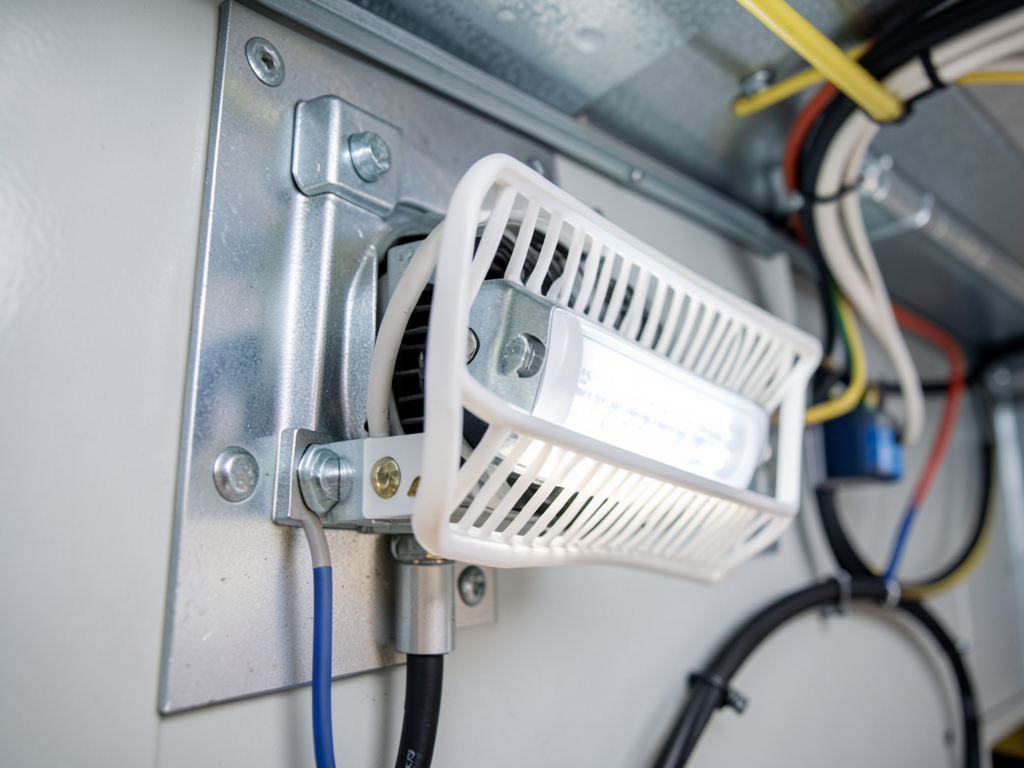
Coil sterilization systems mount inside your air handler and shine UV light continuously on the evaporator coil. These stay on 24/7 and prevent mold and bacteria from accumulating on the coil surfaces. This type works best for Shelby Township homes with older HVAC systems where coil accessibility is limited.
Air sterilization systems install in the ductwork and activate when your blower motor runs. These target airborne contaminants as they pass through the UV field. For Shelby Township families dealing with seasonal allergies, this type provides broader air purification throughout the entire home.
Bypass systems offer a hybrid approach, combining both coil and air sterilization. These systems cost more initially but provide comprehensive protection for homes in Macomb County’s humid climate where both surface and airborne contamination are concerns.
The Installation Process: What to Expect
Professional UV light installation begins with a thorough assessment of your existing HVAC system. Technicians measure your air handler dimensions, evaluate electrical capacity, and determine the optimal mounting location for maximum effectiveness. Fast and Professional Boiler Repair Services in Corktown and Midtown Detroit.
The installation process typically takes 2-3 hours for a standard system. Technicians install mounting brackets inside the air handler or ductwork, connect the UV light to a dedicated power source, and integrate safety shut-off switches that prevent exposure when the system is serviced. Why You Need a Dedicated Air Conditioning Repair Service in Birmingham Michigan.
Proper placement is critical. UV lights must be positioned where they can effectively reach all surfaces without creating shadows where bacteria can hide. In Shelby Township homes with variable-speed furnaces, installation may require additional wiring to ensure the UV system operates in sync with your HVAC cycles.
Benefits of UV-C for Your HVAC System
UV lights improve airflow by keeping your evaporator coil clean and free of biofilm buildup. When coils remain clean, your system doesn’t have to work as hard to push air through, potentially reducing energy consumption by 10-15% according to the Department of Energy. Department of Energy energy efficiency data.
The technology eliminates odors caused by mold and bacteria growth within your system. Shelby Township homeowners often notice reduced musty smells, especially in homes with finished basements where humidity tends to accumulate.
UV systems extend the life of your HVAC equipment by preventing the corrosion and efficiency loss that occurs when coils become contaminated. This means fewer service calls and repairs over the lifespan of your system.
Shelby Township Air Quality Considerations
Macomb County experiences unique air quality challenges due to its proximity to Lake St. Clair and the resulting humidity patterns. Shelby Township homes, particularly those near the Clinton River, often deal with higher moisture levels that create ideal conditions for mold growth.
Local pollen counts in spring and fall can overwhelm standard air filters. UV-C systems provide an additional layer of protection by neutralizing pollen spores that pass through your HVAC filter, offering relief for allergy sufferers in neighborhoods like Waldenburg and Macomb Corners.
The age of Shelby Township housing stock also factors into air quality decisions. Many homes built before 2000 have ductwork that may harbor years of accumulated dust, mold, and bacteria. UV lights can help sanitize these existing systems without the need for costly duct replacement.
Safety and Maintenance Requirements
UV-C light poses risks to skin and eyes, which is why professional installation includes safety features like automatic shut-off switches and protective shields. The lights should never be visible or accessible when the system is running.
Bulb replacement is required every 12-24 months, depending on the system. Over time, UV intensity decreases even if the bulb still produces visible light. Most manufacturers recommend annual replacement to maintain effectiveness.
Professional maintenance includes checking electrical connections, cleaning the bulb housing, and verifying UV intensity with specialized meters. This ensures your system continues to operate at peak performance throughout its lifespan.
Cost Factors for Shelby Township Homeowners
UV light installation costs vary based on system type, installation complexity, and your existing HVAC configuration. Coil sterilization systems typically range from $400-$800, while air sterilization systems cost $600-$1,200 installed.
Additional factors affecting price include the need for electrical upgrades, accessibility of your air handler, and whether your system requires specialized mounting hardware. Homes in older Shelby Township neighborhoods like Van Dyke may have installation challenges that increase labor time.
Energy consumption is minimal, with most UV systems using less power than a standard light bulb. However, the ongoing cost of bulb replacements should factor into your long-term budget considerations.
Common Misconceptions About UV HVAC Lights
Many homeowners believe UV lights eliminate the need for air filters. This is false. UV systems target microorganisms but cannot remove dust, pet dander, or larger particles that standard filters capture.
Another misconception is that UV lights purify all the air in your home instantly. In reality, the system only treats air as it passes through your HVAC system. For maximum effectiveness, your system needs to run regularly to circulate and purify indoor air.
Some believe UV lights damage HVAC components. Quality systems designed for HVAC use operate at safe wavelengths that clean without harming your equipment’s materials or coatings. Storm Damage HVAC Repair.
DIY vs. Professional Installation
DIY UV light kits are available online, but professional installation offers critical advantages. Technicians understand proper placement for maximum coverage, ensure electrical connections meet code requirements, and install safety features that protect your family.
Professional installation includes system compatibility verification. Not all UV lights work with every HVAC system, and improper installation can void your equipment warranty or create electrical hazards.
Most importantly, professionals can identify underlying issues that might affect UV system performance, such as duct leaks or inadequate airflow that would prevent the system from treating all your indoor air effectively.
Energy Efficiency Impact
Clean coils operate more efficiently, reducing the workload on your compressor and blower motor. The Department of Energy estimates that even a thin layer of dust on your evaporator coil can reduce efficiency by up to 21%.
UV lights help maintain that clean coil surface, potentially lowering your energy bills while extending equipment life. In Shelby Township’s climate, where AC systems run heavily during summer months, this efficiency gain can be substantial.
The small amount of electricity used by UV lights is offset by the energy savings from improved system efficiency, making them a net positive for most homeowners concerned about utility costs.
Choosing the Right System for Your Home
Consider your specific needs when selecting a UV system. Homes with allergy sufferers benefit more from air sterilization, while homes with persistent mold issues need strong coil sterilization.
System size matters. A UV light that’s too small won’t provide adequate coverage, while an oversized system wastes energy and money. Professional assessment ensures you get the right size for your specific HVAC configuration.
Brand quality varies significantly. Look for systems from established manufacturers with good warranties and proven track records in Michigan’s climate conditions.
Frequently Asked Questions
How long do UV HVAC lights last?
UV bulbs typically last 12-24 months before needing replacement. Even if the bulb still produces visible light, UV intensity decreases over time, reducing effectiveness. Annual replacement ensures optimal performance.
Are UV lights safe for my family?
Yes, when properly installed. Professional systems include safety features that prevent UV exposure. The lights are completely contained within your HVAC system and pose no risk to occupants when installed correctly.
Will UV lights eliminate all my indoor air quality problems?
No single solution addresses all IAQ issues. UV lights excel at killing microorganisms but don’t remove dust, pet dander, or chemical pollutants. They work best as part of a comprehensive air quality strategy including proper filtration and ventilation.
How much do UV lights cost to operate?
Most UV systems use less than 50 watts, similar to a standard light bulb. Annual electricity costs typically range from $20-$40, making them very economical to operate compared to their benefits.
Can UV lights damage my HVAC system?
Quality UV systems designed for HVAC use operate at wavelengths that clean without damaging components. Professional installation ensures proper placement and avoids any risk to your equipment.
Do I still need to change my air filter?
Yes. UV lights target microorganisms but cannot remove dust, pollen, or other particulate matter. Regular filter changes remain essential for optimal system performance and air quality.
How quickly will I notice results?
Most homeowners notice reduced odors within days and improved air quality within weeks. However, the full benefits of cleaner coils and improved efficiency may take a complete cooling season to become apparent.
Are ozone-free UV systems important?
Yes. Some UV systems produce ozone as a byproduct, which can irritate lungs and worsen respiratory conditions. Always choose ozone-free systems, especially for homes with children, elderly residents, or anyone with breathing issues.
Ready to Improve Your Home’s Air Quality?
Don’t let bacteria and mold compromise your family’s comfort and health. Our Shelby Township HVAC experts can assess your system and recommend the right UV solution for your specific needs.
Call (313) 552-7177 today to schedule your free consultation. We’ll evaluate your current system, explain your options, and provide transparent pricing with no hidden fees.
Pick up the phone and call (313) 552-7177 before the next allergy season hits. Your family deserves clean, healthy air year-round.
{
“@context”: “https://schema.org”,
“@type”: “BlogPosting”,
“headline”: “Do UV Lights in Your HVAC System Really Kill Bacteria for Shelby Township Families?”,
“description”: “Learn how UV-C lights eliminate bacteria, mold, and viruses in Shelby Township homes. Expert installation, safety tips, and energy savings explained.”,
“wordCount”: 1863,
“datePublished”: “2026-04-09T12:12:00.000Z”,
“dateModified”: “2026-04-09T12:12:00.000Z”,
“inLanguage”: “en-US”,
“mainEntityOfPage”: {
“@type”: “WebPage”,
“@id”: “https://acehvacdetroit.com”
},
“publisher”: {
“@type”: “LocalBusiness”,
“name”: “Ace HVAC Detroit”,
“url”: “https://acehvacdetroit.com”
},
“author”: {
“@type”: “Organization”,
“name”: “Ace HVAC Detroit”,
“url”: “https://acehvacdetroit.com”
},
“image”: {
“@type”: “ImageObject”,
“url”: “https://acehvacdetroit.com/wp-content/uploads/2026/03/do-uv-lights-in-your-hvac-system-really-kill-bacte-1.png”
}
}
{
“@context”: “https://schema.org”,
“@type”: “HVACBusiness”,
“name”: “Ace HVAC Detroit”,
“url”: “https://acehvacdetroit.com”,
“address”: {
“@type”: “PostalAddress”,
“addressLocality”: “Detroit”
},
“areaServed”: {
“@type”: “City”,
“name”: “Detroit”
}
}
{
“@context”: “https://schema.org”,
“@type”: “FAQPage”,
“mainEntity”: [
{
“@type”: “Question”,
“name”: “How long do UV HVAC lights last?”,
“acceptedAnswer”: {
“@type”: “Answer”,
“text”: “UV bulbs typically last 12-24 months before needing replacement. Even if the bulb still produces visible light, UV intensity decreases over time, reducing effectiveness. Annual replacement ensures optimal performance.”
}
},
{
“@type”: “Question”,
“name”: “Are UV lights safe for my family?”,
“acceptedAnswer”: {
“@type”: “Answer”,
“text”: “Yes, when properly installed. Professional systems include safety features that prevent UV exposure. The lights are completely contained within your HVAC system and pose no risk to occupants when installed correctly.”
}
},
{
“@type”: “Question”,
“name”: “Will UV lights eliminate all my indoor air quality problems?”,
“acceptedAnswer”: {
“@type”: “Answer”,
“text”: “No single solution addresses all IAQ issues. UV lights excel at killing microorganisms but don’t remove dust, pet dander, or chemical pollutants. They work best as part of a comprehensive air quality strategy including proper filtration and ventilation.”
}
},
{
“@type”: “Question”,
“name”: “How much do UV lights cost to operate?”,
“acceptedAnswer”: {
“@type”: “Answer”,
“text”: “Most UV systems use less than 50 watts, similar to a standard light bulb. Annual electricity costs typically range from $20-$40, making them very economical to operate compared to their benefits.”
}
},
{
“@type”: “Question”,
“name”: “Can UV lights damage my HVAC system?”,
“acceptedAnswer”: {
“@type”: “Answer”,
“text”: “Quality UV systems designed for HVAC use operate at wavelengths that clean without damaging components. Professional installation ensures proper placement and avoids any risk to your equipment.”
}
},
{
“@type”: “Question”,
“name”: “Do I still need to change my air filter?”,
“acceptedAnswer”: {
“@type”: “Answer”,
“text”: “Yes. UV lights target microorganisms but cannot remove dust, pollen, or other particulate matter. Regular filter changes remain essential for optimal system performance and air quality.”
}
},
{
“@type”: “Question”,
“name”: “How quickly will I notice results?”,
“acceptedAnswer”: {
“@type”: “Answer”,
“text”: “Most homeowners notice reduced odors within days and improved air quality within weeks. However, the full benefits of cleaner coils and improved efficiency may take a complete cooling season to become apparent.”
}
},
{
“@type”: “Question”,
“name”: “Are ozone-free UV systems important?”,
“acceptedAnswer”: {
“@type”: “Answer”,
“text”: “Yes. Some UV systems produce ozone as a byproduct, which can irritate lungs and worsen respiratory conditions. Always choose ozone-free systems, especially for homes with children, elderly residents, or anyone with breathing issues.”
}
},
{
“@type”: “Question”,
“name”: “Ready to Improve Your Home’s Air Quality?”,
“acceptedAnswer”: {
“@type”: “Answer”,
“text”: “Don’t let bacteria and mold compromise your family’s comfort and health. Our Shelby Township HVAC experts can assess your system and recommend the right UV solution for your specific needs.”
}
}
]
}
{
“@context”: “https://schema.org”,
“@type”: “BreadcrumbList”,
“itemListElement”: [
{
“@type”: “ListItem”,
“position”: 1,
“name”: “Home”,
“item”: “https://acehvacdetroit.com”
},
{
“@type”: “ListItem”,
“position”: 2,
“name”: “Blog”,
“item”: “https://acehvacdetroit.com/blog”
},
{
“@type”: “ListItem”,
“position”: 3,
“name”: “Do UV Lights in Your HVAC System Really Kill Bacteria for Shelby Township Families?”
}
]
}
{
“@context”: “https://schema.org”,
“@type”: “Service”,
“serviceType”: “HVAC”,
“provider”: {
“@type”: “LocalBusiness”,
“name”: “Ace HVAC Detroit”,
“url”: “https://acehvacdetroit.com”
},
“areaServed”: {
“@type”: “City”,
“name”: “Detroit”
},
“description”: “Learn how UV-C lights eliminate bacteria, mold, and viruses in Shelby Township homes. Expert installation, safety tips, and energy savings explained.”
}