
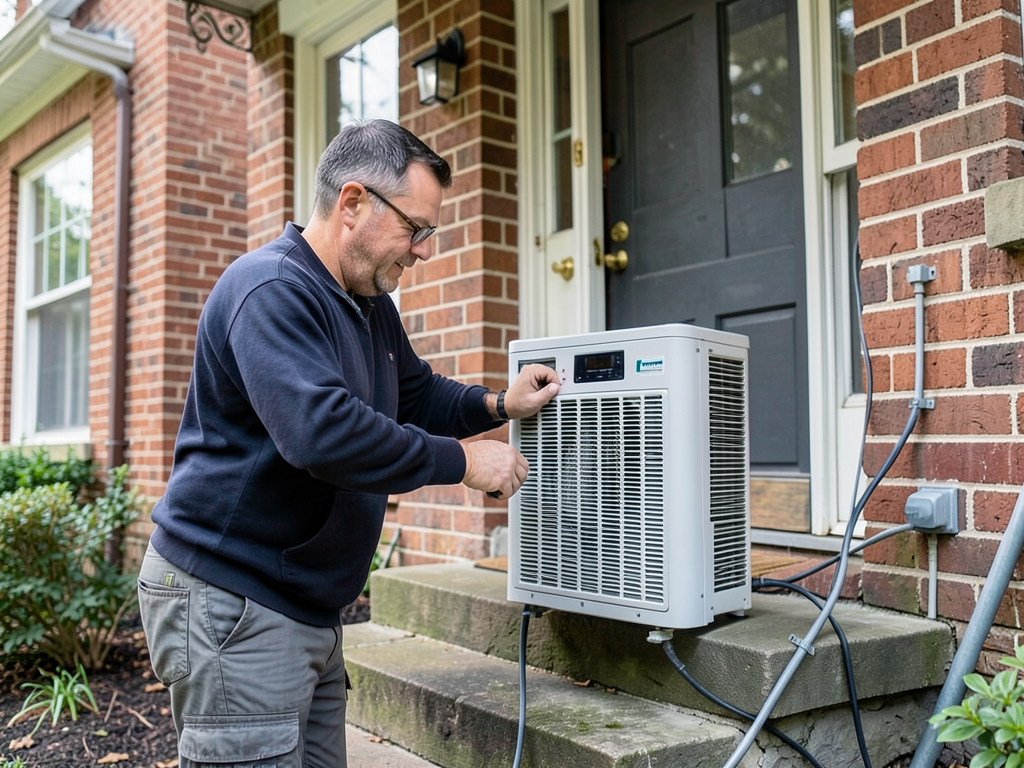
Claiming Federal Tax Credits for Your HVAC Upgrade in Highland Park
Homeowners in Highland Park can save up to $2,000 on new HVAC systems through federal tax credits in 2026. These savings stack with DTE Energy rebates to cut installation costs significantly. Understanding the process and eligibility requirements helps you maximize your investment in energy-efficient heating and cooling equipment. The Best Local AC Installation Specialists for Homeowners in Royal Oak.
Understanding the 25C Tax Credit for Michigan Homeowners
The federal 25C Energy Efficient Home Improvement Credit offers a 30% tax credit for qualifying HVAC equipment purchased in 2026. Heat pumps qualify for up to $2,000 annually while high-efficiency central air conditioners and furnaces can earn $600 credits. These credits apply to both equipment and installation costs.
Heat pumps must meet specific efficiency standards to qualify. Air-source heat pumps need a minimum HSPF2 rating of 7.5 and SEER2 rating of 16. Ground-source heat pumps require an EER2 rating of 15.2 or higher. These ratings ensure the equipment delivers substantial energy savings compared to standard models.
The credit applies to primary residences only. Second homes and rental properties do not qualify. You must own the home where the equipment is installed. The credit reduces your federal tax liability dollar-for-dollar rather than providing a refund if you owe no taxes.
Michigan-Specific Rebates: HEEHRA and Home Electrification
Michigan’s High-Efficiency Electric Home Rebate Act (HEEHRA) provides point-of-sale rebates for income-qualified households. Low-income families earning under 80% of area median income can receive up to 100% of project costs. Moderate-income households between 80-150% AMI qualify for 50% rebates on qualifying equipment. Michigan Department of Environment, Great Lakes, and Energy.
The program covers heat pumps, heat pump water heaters, and electric panel upgrades. Maximum rebate amounts vary by equipment type. Heat pumps can receive up to $8,000 while electric panels qualify for $2,500. These rebates apply at the time of purchase through participating contractors and retailers.
Michigan Department of Environment, Great Lakes, and Energy (EGLE) administers the program. The state received $143 million in federal funding through the Inflation Reduction Act. Implementation began in late 2024 with full statewide rollout expected by mid-2026. Check the EGLE website for current availability in your area.
Eligible HVAC Equipment for Detroit’s Climate
Detroit’s extreme temperature swings require specialized equipment. Cold-climate heat pumps work efficiently in sub-zero temperatures where standard models struggle. These units use advanced compressors and variable-speed fans to maintain heating capacity when outdoor temperatures drop below zero.
SEER2 ratings measure cooling efficiency while HSPF2 ratings measure heating efficiency. Higher numbers indicate better performance. For Detroit’s climate, look for heat pumps with HSPF2 ratings above 10 and SEER2 ratings above 18. These units cost more upfront but deliver greater long-term savings through reduced energy consumption.
Two-stage and variable-speed equipment provide better comfort than single-stage units. They run longer at lower speeds, maintaining consistent temperatures and removing more humidity. This prevents the temperature swings common with basic equipment. Variable-speed blowers also improve indoor air quality by running continuously at low speeds.
How to Stack Federal Savings with DTE and Consumers Energy Incentives
DTE Energy offers rebates up to $500 for high-efficiency air conditioners and $700 for heat pumps. These rebates apply to equipment meeting specific efficiency standards. You must use a DTE-approved contractor to qualify. The rebates arrive as a check within 6-8 weeks after installation verification.
Consumers Energy provides similar incentives for their service territory. Heat pump rebates range from $400 to $1,000 depending on efficiency ratings. Central air conditioners qualify for $200 to $400 rebates. Both utilities require pre-approval before installation to ensure equipment meets program requirements.
Stacking these incentives with federal tax credits maximizes your savings. A heat pump installation might qualify for $2,000 in federal credits plus $700 from DTE plus $1,000 from Consumers Energy rebates. This can reduce your out-of-pocket costs by over 50% compared to standard equipment installation.
The Step-by-Step Claim Process for Detroit Residents
- Choose Qualified Equipment
Work with a certified contractor to select equipment meeting federal and utility efficiency standards. Verify HSPF2 and SEER2 ratings before purchase.
- Get Pre-Approval
Submit equipment information to DTE Energy or Consumers Energy for rebate pre-approval. This ensures your selected equipment qualifies for incentives.
- Complete Installation
Have your contractor install the equipment following all manufacturer specifications and local building codes. Keep all receipts and documentation.
- Submit Documentation
File IRS Form 5695 with your tax return to claim the 25C credit. Submit utility rebate applications with required proof of purchase. IRS Energy Efficient Home Improvement Credit.
- Track Your Savings
Monitor your energy bills to verify the expected efficiency improvements. Keep records for future reference or potential audits.
Financial Planning for Your HVAC Upgrade
Timing your upgrade strategically maximizes available incentives. Federal tax credits extend through 2032 but may change with future legislation. State rebates have limited funding that could run out in high-demand areas like Detroit.
Consider your tax liability when planning. The 25C credit reduces taxes owed but doesn’t provide refunds. If you typically receive large refunds, you might benefit more from spreading the upgrade over multiple years to maximize credit utilization.
Financing options help manage upfront costs. Many contractors offer 12-24 month same-as-cash plans. Michigan Saves provides green home improvement loans with competitive rates for energy-efficient upgrades. These financing options often have terms that align with expected energy savings.. Read more about How to Choose an HVAC Financing Plan That Won’t Break Your Monthly Budget.
Common Mistakes to Avoid
Missing documentation deadlines causes many homeowners to lose rebates. Keep all purchase receipts, contractor invoices, and efficiency certifications. Submit applications within required timeframes, typically 90-120 days after installation.
Choosing equipment that barely meets minimum standards limits your savings. Higher-efficiency units often qualify for larger rebates and deliver greater long-term energy savings. The additional upfront cost typically pays for itself within 3-5 years through utility savings.. Read more about Choosing an HVAC System for Your Warren Rental Property That Won’t Constantly Break Down.
DIY installation voids most rebates and tax credits. These programs require professional installation by licensed contractors. DIY work also creates safety hazards and may violate local building codes, potentially causing issues when selling your home. Fast and Professional Boiler Repair Services in Corktown and Midtown Detroit.
Local Resources for Highland Park Homeowners
The City of Highland Park offers additional resources for energy-efficient upgrades. Contact the Building Department at (313) 852-7511 to verify permit requirements and local incentives. Some neighborhoods qualify for special assessment districts that fund energy improvements.
Wayne County provides weatherization assistance for income-qualified residents. The program covers HVAC repairs and replacements for households earning below 200% of federal poverty guidelines. Call (734) 727-7300 to check eligibility and schedule an energy audit.
Local HVAC contractors familiar with Detroit’s housing stock understand the unique challenges of older homes. Many offer free energy assessments to identify the most cost-effective upgrades for your specific situation. They can also help navigate the paperwork for multiple incentive programs.
Future of HVAC Incentives in Michigan
Federal incentives may expand as climate goals intensify. Proposed legislation could increase credit amounts or extend eligibility to more equipment types. Stay informed through the IRS website and your tax professional about potential changes affecting your upgrade plans.
Michigan’s renewable energy goals may introduce new utility programs. DTE Energy aims for 90% carbon reduction by 2050, potentially creating additional incentives for electric heating equipment. Consumers Energy has similar targets that could drive new rebate programs.
Technological advances continue improving heat pump performance in cold climates. Next-generation units arriving in 2026 promise better efficiency at lower temperatures. These improvements may qualify for enhanced incentives as they become commercially available.
Making Your Decision
Evaluate your current equipment age and efficiency when deciding whether to upgrade. Systems over 10 years old typically cost more to operate than replacement would cost annually. Rising energy prices make efficiency upgrades more attractive each year.
Consider your long-term plans for the property. If you plan to stay more than five years, efficiency upgrades usually provide positive returns through energy savings. If selling soon, high-efficiency equipment can increase property value and appeal to buyers.
Professional assessments help determine the optimal solution for your home. Contractors can perform load calculations to ensure properly sized equipment. Oversized units cycle frequently, reducing efficiency and comfort while increasing wear and tear.
Frequently Asked Questions
Can I claim both federal tax credits and utility rebates for the same equipment?
Yes, you can stack federal tax credits with utility rebates for the same HVAC installation. The tax credit applies to your federal return while rebates come from utility programs. This combination maximizes your total savings on energy-efficient upgrades.
How do I know if my heat pump qualifies for the 25C tax credit?
Check the equipment’s HSPF2 and SEER2 ratings against federal requirements. Air-source heat pumps need HSPF2 of 7.5 or higher and SEER2 of 16 or higher. Ground-source units require EER2 of 15.2 or higher. Your contractor should provide certification documents showing these ratings.
What if I don’t owe enough taxes to use the full credit?
The 25C credit is non-refundable, meaning it can only reduce your tax liability to zero. Any unused portion does not carry forward to future years. Consider timing your upgrade to maximize credit utilization based on your expected tax situation.
Do rental properties qualify for these incentives?
Primary residences qualify for federal tax credits while rental properties do not. However, rental properties may qualify for utility rebates if they meet efficiency standards. Check with your utility provider about specific requirements for rental units in your area.
How long does it take to receive utility rebates?
Utility rebates typically arrive 6-8 weeks after you submit complete documentation. Processing times vary by program and season. Submit applications promptly after installation and keep copies of all submitted materials for your records.
Can I install the equipment myself and still claim incentives?
No, DIY installation disqualifies you from most federal tax credits and utility rebates. These programs require professional installation by licensed contractors to ensure safety and code compliance. DIY work also voids manufacturer warranties.
What happens if I sell my home after claiming the tax credit?
The 25C credit applies to the year you install qualifying equipment, regardless of when you sell the home. Keep documentation showing the installation date and equipment specifications. The credit does not need to be repaid if you move.
Are there income limits for federal tax credits?
No, federal tax credits through the 25C program have no income limits. All homeowners can claim these credits for qualifying equipment. However, state rebate programs like HEEHRA do have income eligibility requirements for enhanced incentives.
Take Action Today
Energy costs continue rising, making efficiency upgrades more valuable each year. Federal tax credits and utility rebates can cut your HVAC upgrade costs by thousands of dollars. These savings make high-efficiency equipment affordable for most Highland Park homeowners.
Start by scheduling a free energy assessment with a qualified HVAC contractor. They can evaluate your current system, recommend appropriate upgrades, and help you understand which incentives apply to your situation. Many contractors handle all the paperwork for rebates and credits.
Call (313) 552-7177 today to schedule your assessment and learn exactly how much you can save on your HVAC upgrade. Our team stays current on all available incentives and handles the complex paperwork so you get maximum savings with minimum hassle.
Don’t wait until your current system fails during a Detroit winter storm. Plan your upgrade now while incentives are available and contractors have scheduling flexibility. The sooner you start, the more you can save on your energy bills and upgrade costs. Storm Damage HVAC Repair.
{
“@context”: “https://schema.org”,
“@type”: “BlogPosting”,
“headline”: “Claiming Federal Tax Credits for Your HVAC Upgrade in Highland Park”,
“description”: “Learn how Detroit homeowners in Highland Park can save up to $2,000 on new HVAC systems through federal tax credits and local utility rebates in 2026.”,
“wordCount”: 1900,
“datePublished”: “2026-04-06T12:44:00.000Z”,
“dateModified”: “2026-04-06T12:44:00.000Z”,
“inLanguage”: “en-US”,
“mainEntityOfPage”: {
“@type”: “WebPage”,
“@id”: “https://acehvacdetroit.com”
},
“publisher”: {
“@type”: “LocalBusiness”,
“name”: “Ace HVAC Detroit”,
“url”: “https://acehvacdetroit.com”
},
“author”: {
“@type”: “Organization”,
“name”: “Ace HVAC Detroit”,
“url”: “https://acehvacdetroit.com”
},
“image”: {
“@type”: “ImageObject”,
“url”: “https://acehvacdetroit.com/wp-content/uploads/2026/03/claiming-federal-tax-credits-for-your-hvac-upgrade-1.png”
}
}
{
“@context”: “https://schema.org”,
“@type”: “HVACBusiness”,
“name”: “Ace HVAC Detroit”,
“url”: “https://acehvacdetroit.com”,
“address”: {
“@type”: “PostalAddress”,
“addressLocality”: “Detroit”
},
“areaServed”: {
“@type”: “City”,
“name”: “Detroit”
}
}
{
“@context”: “https://schema.org”,
“@type”: “FAQPage”,
“mainEntity”: [
{
“@type”: “Question”,
“name”: “Can I claim both federal tax credits and utility rebates for the same equipment?”,
“acceptedAnswer”: {
“@type”: “Answer”,
“text”: “Yes, you can stack federal tax credits with utility rebates for the same HVAC installation. The tax credit applies to your federal return while rebates come from utility programs. This combination maximizes your total savings on energy-efficient upgrades.”
}
},
{
“@type”: “Question”,
“name”: “How do I know if my heat pump qualifies for the 25C tax credit?”,
“acceptedAnswer”: {
“@type”: “Answer”,
“text”: “Check the equipment’s HSPF2 and SEER2 ratings against federal requirements. Air-source heat pumps need HSPF2 of 7.5 or higher and SEER2 of 16 or higher. Ground-source units require EER2 of 15.2 or higher. Your contractor should provide certification documents showing these ratings.”
}
},
{
“@type”: “Question”,
“name”: “What if I don’t owe enough taxes to use the full credit?”,
“acceptedAnswer”: {
“@type”: “Answer”,
“text”: “The 25C credit is non-refundable, meaning it can only reduce your tax liability to zero. Any unused portion does not carry forward to future years. Consider timing your upgrade to maximize credit utilization based on your expected tax situation.”
}
},
{
“@type”: “Question”,
“name”: “Do rental properties qualify for these incentives?”,
“acceptedAnswer”: {
“@type”: “Answer”,
“text”: “Primary residences qualify for federal tax credits while rental properties do not. However, rental properties may qualify for utility rebates if they meet efficiency standards. Check with your utility provider about specific requirements for rental units in your area.”
}
},
{
“@type”: “Question”,
“name”: “How long does it take to receive utility rebates?”,
“acceptedAnswer”: {
“@type”: “Answer”,
“text”: “Utility rebates typically arrive 6-8 weeks after you submit complete documentation. Processing times vary by program and season. Submit applications promptly after installation and keep copies of all submitted materials for your records.”
}
},
{
“@type”: “Question”,
“name”: “Can I install the equipment myself and still claim incentives?”,
“acceptedAnswer”: {
“@type”: “Answer”,
“text”: “No, DIY installation disqualifies you from most federal tax credits and utility rebates. These programs require professional installation by licensed contractors to ensure safety and code compliance. DIY work also voids manufacturer warranties.”
}
},
{
“@type”: “Question”,
“name”: “What happens if I sell my home after claiming the tax credit?”,
“acceptedAnswer”: {
“@type”: “Answer”,
“text”: “The 25C credit applies to the year you install qualifying equipment, regardless of when you sell the home. Keep documentation showing the installation date and equipment specifications. The credit does not need to be repaid if you move.”
}
},
{
“@type”: “Question”,
“name”: “Are there income limits for federal tax credits?”,
“acceptedAnswer”: {
“@type”: “Answer”,
“text”: “No, federal tax credits through the 25C program have no income limits. All homeowners can claim these credits for qualifying equipment. However, state rebate programs like HEEHRA do have income eligibility requirements for enhanced incentives.”
}
}
]
}
{
“@context”: “https://schema.org”,
“@type”: “HowTo”,
“name”: “How to Claim HVAC Tax Credits and Rebates”,
“step”: [
{
“@type”: “HowToStep”,
“position”: 1,
“name”: “Choose Qualified Equipment”,
“text”: “Work with a certified contractor to select equipment meeting federal and utility efficiency standards. Verify HSPF2 and SEER2 ratings before purchase.”
},
{
“@type”: “HowToStep”,
“position”: 2,
“name”: “Get Pre-Approval”,
“text”: “Submit equipment information to DTE Energy or Consumers Energy for rebate pre-approval. This ensures your selected equipment qualifies for incentives.”
},
{
“@type”: “HowToStep”,
“position”: 3,
“name”: “Complete Installation”,
“text”: “Have your contractor install the equipment following all manufacturer specifications and local building codes. Keep all receipts and documentation.”
},
{
“@type”: “HowToStep”,
“position”: 4,
“name”: “Submit Documentation”,
“text”: “File IRS Form 5695 with your tax return to claim the 25C credit. Submit utility rebate applications with required proof of purchase. IRS Energy Efficient Home Improvement Credit.”
},
{
“@type”: “HowToStep”,
“position”: 5,
“name”: “Track Your Savings”,
“text”: “Monitor your energy bills to verify the expected efficiency improvements. Keep records for future reference or potential audits.”
}
],
“image”: “https://acehvacdetroit.com/wp-content/uploads/2026/03/claiming-federal-tax-credits-for-your-hvac-upgrade-1.png”
}
{
“@context”: “https://schema.org”,
“@type”: “BreadcrumbList”,
“itemListElement”: [
{
“@type”: “ListItem”,
“position”: 1,
“name”: “Home”,
“item”: “https://acehvacdetroit.com”
},
{
“@type”: “ListItem”,
“position”: 2,
“name”: “Blog”,
“item”: “https://acehvacdetroit.com/blog”
},
{
“@type”: “ListItem”,
“position”: 3,
“name”: “Claiming Federal Tax Credits for Your HVAC Upgrade in Highland Park”
}
]
}
{
“@context”: “https://schema.org”,
“@type”: “Service”,
“serviceType”: “HVAC”,
“provider”: {
“@type”: “LocalBusiness”,
“name”: “Ace HVAC Detroit”,
“url”: “https://acehvacdetroit.com”
},
“areaServed”: {
“@type”: “City”,
“name”: “Detroit”
},
“description”: “Learn how Detroit homeowners in Highland Park can save up to $2,000 on new HVAC systems through federal tax credits and local utility rebates in 2026.”
}