
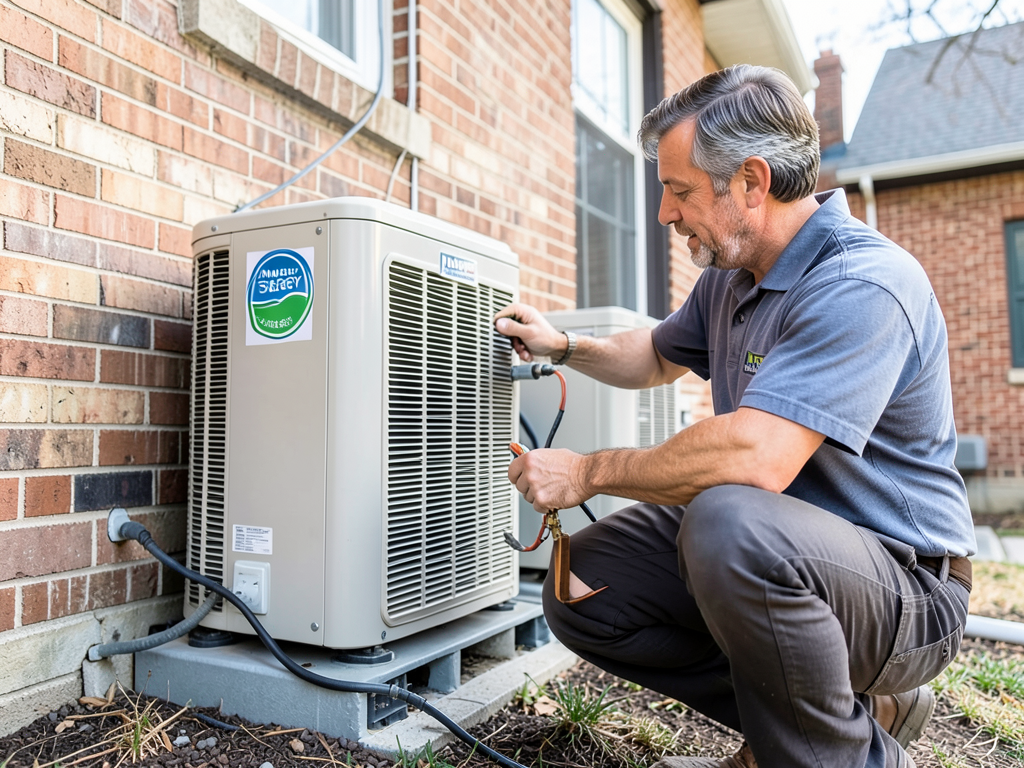
How to Claim Federal Tax Credits on Your New HVAC System in Metro Detroit
Detroit homeowners can save thousands on new HVAC systems through federal tax credits and local rebates. The Inflation Reduction Act offers up to $2,000 for qualifying heat pumps while DTE Energy and Consumers Energy provide additional cash back. This guide breaks down exactly what equipment qualifies how much you can save and the step-by-step process to claim every dollar available in 2026. Energy Star certified equipment.
Understanding Federal Tax Credits Under the Inflation Reduction Act
The federal government offers tax credits for energy-efficient home improvements through Section 25C of the Internal Revenue Code. For HVAC equipment installed in 2023-2032 you can claim 30% of the cost up to specific dollar limits per category.
Federal Tax Credit Amounts by Equipment Type
| Equipment Type | Maximum Credit | Efficiency Requirement |
|---|---|---|
| Air Source Heat Pump | $2,000 | SEER2 ≥ 16 HSPF2 ≥ 8.2 |
| Central Air Conditioner | $600 | SEER2 ≥ 16 |
| Gas Furnace | $600 | AFUE ≥ 97% |
| Electric Heat Pump Water Heater | $2,000 | UEF ≥ 2.5 |
Heat pumps qualify for the highest credit because they provide both heating and cooling. The credit applies to equipment cost plus installation labor. The Best Local AC Installation Specialists for Homeowners in Royal Oak.
Detroit-Specific Utility Rebates and Incentives
DTE Energy and Consumers Energy offer their own rebates that stack with federal credits. These programs change annually but typically provide $200-$800 per qualifying system.
DTE Energy HVAC Rebates 2026
| Equipment | Efficiency Tier | DTE Rebate |
|---|---|---|
| Air Source Heat Pump | SEER2 ≥ 18 | $500 |
| Central AC | SEER2 ≥ 18 | $400 |
| Smart Thermostat | Wi-Fi enabled | $100 |
Consumers Energy HVAC Incentives
| System | Efficiency Level | Rebate Amount |
|---|---|---|
| Heat Pump | HSPF2 ≥ 8.5 | $600 |
| Furnace | AFUE ≥ 95% | $300 |
| AC Unit | SEER2 ≥ 16 | $250 |
Detroit homeowners can combine federal credits with utility rebates for maximum savings. A qualifying heat pump might yield $2,000 federal plus $500 DTE plus $600 Consumers Energy.
Michigan State and Local Programs
Michigan Saves offers low-interest financing for energy-efficient upgrades. Through participating contractors you can finance qualifying equipment with rates starting around 5.99% APR for terms up to 10 years.
The Michigan Department of Environment Great Lakes and Energy (EGLE) administers weatherization assistance for income-qualified residents. This program can cover HVAC replacement costs for households earning below 200% of the federal poverty level.
Step-by-Step Guide to Claiming Your Credits
- Choose Qualifying Equipment
Work with your contractor to select Energy Star certified equipment that meets SEER2/HSPF2 requirements. Keep the manufacturer spec sheet showing efficiency ratings.
- Document Everything
Save all invoices showing equipment cost installation labor and efficiency ratings. Your contractor should provide a detailed breakdown.
- Complete IRS Form 5695
File Form 5695 with your federal tax return. Enter the credit amount on line 22 and carry it to Schedule 3 line 4.
- Submit Utility Rebate Applications
Most rebates require online submission within 90 days of installation. Have your invoice and equipment details ready.
- Keep Records for Three Years
Save all documentation including receipts spec sheets and rebate confirmations in case of an IRS audit. IRS Form 5695.
Eligibility Requirements and Efficiency Standards
Equipment must be Energy Star certified and meet specific efficiency thresholds. For 2026 the minimum requirements are:
- Air Source Heat Pump: SEER2 ≥ 16 HSPF2 ≥ 8.2
- Central AC: SEER2 ≥ 16
- Gas Furnace: AFUE ≥ 97%
- Electric Heat Pump Water Heater: UEF ≥ 2.5
Higher efficiency tiers qualify for larger utility rebates. Equipment installed before January 1 2023 does not qualify for current credits.
Common Questions About Stacking Credits and Rebates
Can I combine federal credits with utility rebates?
Yes. Federal tax credits and utility rebates are separate programs that can be combined for maximum savings.
Do I need to itemize deductions to claim the credit?
No. The energy efficiency credit is a non-refundable tax credit claimed on your Form 1040 not a deduction.
What if my tax liability is less than the credit amount?
Unused portions of the credit can be carried forward to future tax years until exhausted.
Timing Your HVAC Upgrade for Maximum Savings
Detroit’s shoulder seasons (April-May and September-October) offer the best combination of contractor availability and moderate weather for installation. Planning your upgrade during these months gives you time to research options and apply for all available incentives.
Utility rebate programs often have annual funding limits that can run out by late fall. Starting the process in early spring ensures you don’t miss out on limited-time offers.
Why Professional Installation Matters for Tax Credits
Improper installation can void efficiency ratings and disqualify you from credits. A certified HVAC contractor ensures your system meets all requirements and provides the documentation needed for claiming incentives.
Professional load calculations determine the right equipment size for your home. Oversized or undersized systems waste energy and may not qualify for maximum rebates. Fast and Professional Boiler Repair Services in Corktown and Midtown Detroit.
Call (313) 552-7177 Today to Schedule Your Inspection
Don’t wait until your system fails in the middle of a Detroit winter. Call (313) 552-7177 to schedule a free assessment and learn exactly how much you can save through federal credits and local rebates. Our NATE-certified technicians will help you navigate every available incentive and ensure your new system qualifies for maximum savings.
Frequently Asked Questions
How long does it take to receive utility rebates?
Most utility rebates process within 6-8 weeks after application submission. Some programs offer instant rebates through participating contractors.
Can I claim credits if I install the equipment myself?
No. The IRS requires professional installation for equipment to qualify. DIY installations do not meet the requirements.
What documentation do I need to keep?
Keep all invoices manufacturer spec sheets rebate confirmation letters and Form 5695 for at least three years after filing.
Are there income limits for federal tax credits?
No. Federal tax credits have no income limits though some state and local programs may have income qualifications.
{
“@context”: “https://schema.org”,
“@type”: “BlogPosting”,
“headline”: “How to Claim Federal Tax Credits on Your New HVAC System in Metro Detroit”,
“description”: “Detroit homeowners can save up to $2,000 on new HVAC systems through federal tax credits plus local rebates. Learn what qualifies and how to claim every dollar in 2026.”,
“wordCount”: 982,
“datePublished”: “2026-03-26T13:28:00.000Z”,
“dateModified”: “2026-03-26T13:28:00.000Z”,
“inLanguage”: “en-US”,
“mainEntityOfPage”: {
“@type”: “WebPage”,
“@id”: “https://acehvacdetroit.com”
},
“publisher”: {
“@type”: “LocalBusiness”,
“name”: “Ace HVAC Detroit”,
“url”: “https://acehvacdetroit.com”
},
“author”: {
“@type”: “Organization”,
“name”: “Ace HVAC Detroit”,
“url”: “https://acehvacdetroit.com”
},
“image”: {
“@type”: “ImageObject”,
“url”: “https://acehvacdetroit.com/wp-content/uploads/2026/03/how-to-claim-federal-tax-credits-on-your-new-hvac-1.png”
}
}
{
“@context”: “https://schema.org”,
“@type”: “HVACBusiness”,
“name”: “Ace HVAC Detroit”,
“url”: “https://acehvacdetroit.com”,
“address”: {
“@type”: “PostalAddress”,
“addressLocality”: “Detroit”
},
“areaServed”: {
“@type”: “City”,
“name”: “Detroit”
}
}
{
“@context”: “https://schema.org”,
“@type”: “FAQPage”,
“mainEntity”: [
{
“@type”: “Question”,
“name”: “Can I combine federal credits with utility rebates?”,
“acceptedAnswer”: {
“@type”: “Answer”,
“text”: “Yes. Federal tax credits and utility rebates are separate programs that can be combined for maximum savings.”
}
},
{
“@type”: “Question”,
“name”: “Do I need to itemize deductions to claim the credit?”,
“acceptedAnswer”: {
“@type”: “Answer”,
“text”: “No. The energy efficiency credit is a non-refundable tax credit claimed on your Form 1040 not a deduction.”
}
},
{
“@type”: “Question”,
“name”: “What if my tax liability is less than the credit amount?”,
“acceptedAnswer”: {
“@type”: “Answer”,
“text”: “Unused portions of the credit can be carried forward to future tax years until exhausted.”
}
},
{
“@type”: “Question”,
“name”: “How long does it take to receive utility rebates?”,
“acceptedAnswer”: {
“@type”: “Answer”,
“text”: “Most utility rebates process within 6-8 weeks after application submission. Some programs offer instant rebates through participating contractors.”
}
},
{
“@type”: “Question”,
“name”: “Can I claim credits if I install the equipment myself?”,
“acceptedAnswer”: {
“@type”: “Answer”,
“text”: “No. The IRS requires professional installation for equipment to qualify. DIY installations do not meet the requirements.”
}
},
{
“@type”: “Question”,
“name”: “What documentation do I need to keep?”,
“acceptedAnswer”: {
“@type”: “Answer”,
“text”: “Keep all invoices manufacturer spec sheets rebate confirmation letters and Form 5695 for at least three years after filing.”
}
},
{
“@type”: “Question”,
“name”: “Are there income limits for federal tax credits?”,
“acceptedAnswer”: {
“@type”: “Answer”,
“text”: “No. Federal tax credits have no income limits though some state and local programs may have income qualifications.”
}
}
]
}
{
“@context”: “https://schema.org”,
“@type”: “HowTo”,
“name”: “How to Claim HVAC Tax Credits”,
“step”: [
{
“@type”: “HowToStep”,
“position”: 1,
“name”: “Choose Qualifying Equipment”,
“text”: “Work with your contractor to select Energy Star certified equipment that meets SEER2/HSPF2 requirements. Keep the manufacturer spec sheet showing efficiency ratings.”
},
{
“@type”: “HowToStep”,
“position”: 2,
“name”: “Document Everything”,
“text”: “Save all invoices showing equipment cost installation labor and efficiency ratings. Your contractor should provide a detailed breakdown.”
},
{
“@type”: “HowToStep”,
“position”: 3,
“name”: “Complete IRS Form 5695”,
“text”: “File Form 5695 with your federal tax return. Enter the credit amount on line 22 and carry it to Schedule 3 line 4.”
},
{
“@type”: “HowToStep”,
“position”: 4,
“name”: “Submit Utility Rebate Applications”,
“text”: “Most rebates require online submission within 90 days of installation. Have your invoice and equipment details ready.”
},
{
“@type”: “HowToStep”,
“position”: 5,
“name”: “Keep Records for Three Years”,
“text”: “Save all documentation including receipts spec sheets and rebate confirmations in case of an IRS audit. IRS Form 5695.”
}
],
“image”: “https://acehvacdetroit.com/wp-content/uploads/2026/03/how-to-claim-federal-tax-credits-on-your-new-hvac-1.png”
}
{
“@context”: “https://schema.org”,
“@type”: “BreadcrumbList”,
“itemListElement”: [
{
“@type”: “ListItem”,
“position”: 1,
“name”: “Home”,
“item”: “https://acehvacdetroit.com”
},
{
“@type”: “ListItem”,
“position”: 2,
“name”: “Blog”,
“item”: “https://acehvacdetroit.com/blog”
},
{
“@type”: “ListItem”,
“position”: 3,
“name”: “How to Claim Federal Tax Credits on Your New HVAC System in Metro Detroit”
}
]
}
{
“@context”: “https://schema.org”,
“@type”: “Service”,
“serviceType”: “HVAC”,
“provider”: {
“@type”: “LocalBusiness”,
“name”: “Ace HVAC Detroit”,
“url”: “https://acehvacdetroit.com”
},
“areaServed”: {
“@type”: “City”,
“name”: “Detroit”
},
“description”: “Detroit homeowners can save up to $2,000 on new HVAC systems through federal tax credits plus local rebates. Learn what qualifies and how to claim every dollar in 2026.”
}