
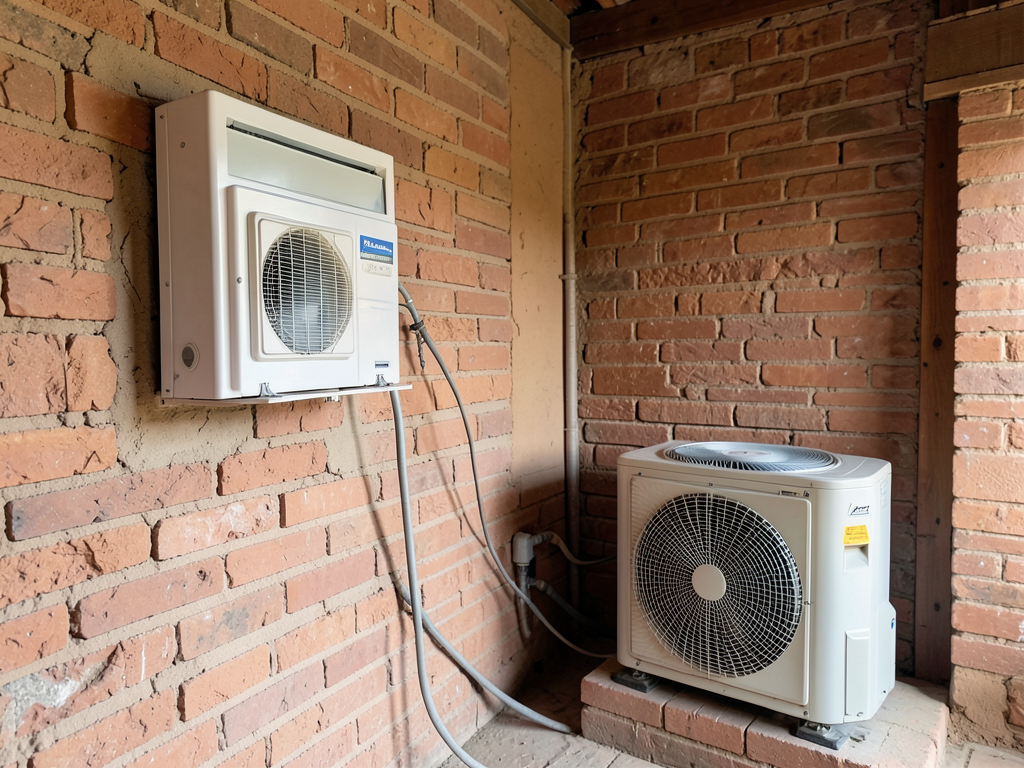
Heating and Cooling Your Indian Village Home with Ductless Mini Splits
Indian Village homes built in the 1920s and 1930s often lack central ductwork making traditional HVAC systems difficult to install. Ductless mini splits offer a perfect solution by delivering efficient heating and cooling through wall-mounted indoor units connected to an outdoor compressor. These systems provide year-round comfort without the need for invasive construction through historic brick walls.
Why Ductless is Perfect for Detroit’s Historic & Modern Homes
Ductless mini splits work exceptionally well in Detroit’s older neighborhoods where homes were built before central air conditioning existed. The Indian Village area features stately brick and limestone residences with narrow wall cavities that make running ductwork nearly impossible. Mini splits eliminate this problem by using small refrigerant lines that pass through a three-inch hole in the wall. Why You Need a Dedicated Air Conditioning Repair Service in Birmingham Michigan.
Modern mini split technology handles Detroit’s extreme temperature swings with ease. High-performance heat pumps can extract heat from outdoor air even when temperatures drop below zero. This means you get reliable heating during polar vortex winters without the noise and maintenance of a traditional furnace. Modern HVAC Solutions for Historic Grosse Pointe Homes (Without Ruining the Aesthetics).
Key Advantages for Indian Village Properties
- No ductwork required through historic walls
- Individual room temperature control
- Whisper-quiet operation
- Energy efficiency up to 30% better than window units
- Modern aesthetics that complement classic architecture
Heating & Cooling Performance in Michigan Winters
Detroit winters test any heating system with temperatures regularly dropping below 20°F and occasional sub-zero stretches. Modern cold-climate mini splits use inverter-driven compressors that maintain heating capacity even at -13°F. This technology adjusts compressor speed based on demand rather than cycling on and off like traditional systems.
The latest models feature hyper-heating technology that provides 100% heating capacity at 5°F and continues operating down to -22°F. This performance exceeds what most Detroit homeowners need since the city averages only 3-4 days per year below zero. The system automatically switches between heating and cooling modes based on indoor temperature settings.
During summer months, the same units provide powerful air conditioning with advanced filtration that removes pollen and dust. This is especially valuable in Indian Village where mature trees create seasonal allergies. The inverter technology also dehumidifies more effectively than window units, keeping your home comfortable during humid August afternoons.
Our Mini Split Services: Installation, Repair, and Maintenance
Professional installation makes the difference between a system that works and one that works perfectly. Our technicians calculate the exact BTU requirements for each room based on square footage, ceiling height, insulation, and window exposure. This ensures proper sizing so you never deal with short-cycling or inadequate heating. The Best Local AC Installation Specialists for Homeowners in Royal Oak.
The installation process typically takes one to two days depending on the number of indoor units. We mount the outdoor compressor on a concrete pad or wall bracket, run refrigerant lines through walls, and install indoor units in optimal locations for airflow. All work meets Detroit mechanical code requirements and includes proper electrical connections.
Maintenance keeps your system running at peak efficiency. We recommend annual service that includes cleaning filters, checking refrigerant levels, and inspecting electrical connections. Detroit’s high humidity and pollen can clog filters faster than in drier climates, so monthly filter cleaning helps maintain performance.
Top-Rated Brands We Install (Mitsubishi, Daikin, Fujitsu)
We install only proven brands with strong warranties and local support. Mitsubishi Electric leads the market with their Hyper-Heating INVERTER technology that performs exceptionally well in Detroit’s climate. Their systems come with 12-year warranties when installed by certified contractors.
Daikin offers excellent value with their VRV and multi-zone systems that allow different temperatures in various rooms. Their units operate quietly and include advanced air purification features. Fujitsu provides solid performance at competitive prices with their Halcyon line featuring inverter technology and energy-saving modes.
All brands we install meet or exceed ENERGY STAR efficiency standards. We help you compare features like noise levels, control options, and warranty terms to find the best fit for your home and budget. Our relationships with manufacturers mean we can offer competitive pricing and handle warranty claims quickly if needed.
Savings & Rebates: DTE Energy and Michigan Saves Financing
DTE Energy offers rebates up to $1,000 for qualifying high-efficiency heat pump installations. These rebates apply to systems with SEER2 ratings of 18 or higher and HSPF2 ratings of 10 or higher. The exact rebate amount depends on the system’s efficiency ratings and whether you’re replacing electric resistance heating.
Michigan Saves provides low-interest financing for energy-efficient home improvements including mini split installations. Qualified homeowners can finance up to $30,000 over 10 years at rates typically 2-4% below market rates. This makes it easier to upgrade your home’s comfort without a large upfront investment.
Federal tax credits through 2026 allow you to claim 30% of installation costs up to $2,000 for qualified heat pump systems. These credits apply to both equipment and installation labor. We handle all the paperwork for rebates and credits so you get maximum savings without the hassle.
Service Areas: From Corktown to Indian Village
We serve the entire Detroit metro area with a focus on neighborhoods where older homes need specialized HVAC solutions. Our service area includes Indian Village, Boston-Edison, Sherwood Forest, Palmer Woods, and the University District. We also work in suburban areas like Grosse Pointe, Royal Oak, and Birmingham.
Indian Village presents unique challenges with its historic preservation guidelines and narrow lot sizes. We understand the permitting requirements and work with homeowners associations to ensure installations meet all regulations. Our experience with these older homes means we can recommend solutions that preserve your home’s character while adding modern comfort.
We offer same-day service for emergency repairs and can often complete installations within a week of your approval. Our service trucks carry common replacement parts and tools, reducing wait times for repairs. We also provide 24/7 emergency service for system failures during extreme weather. EPA Energy Saver resources.
Understanding Mini Split Efficiency Ratings
SEER2 (Seasonal Energy Efficiency Ratio 2) measures cooling efficiency. Higher numbers mean lower operating costs. For Detroit’s climate, look for SEER2 ratings of 18 or higher. HSPF2 (Heating Seasonal Performance Factor 2) measures heating efficiency. Values of 10 or higher indicate excellent cold-weather performance.
The combination of high SEER2 and HSPF2 ratings determines your annual energy costs. A system with SEER2 20 and HSPF2 12 might cost $500-700 per year to operate, while a basic system with SEER2 15 and HSPF2 8 could cost $1,200-1,500 annually. The higher upfront cost of efficient systems typically pays for itself within 3-5 years.
BTU (British Thermal Unit) capacity must match your space requirements. Undersized units run constantly without reaching desired temperatures. Oversized units short-cycle, wasting energy and reducing comfort. We perform detailed load calculations considering insulation, windows, ceiling height, and local climate data to recommend the right size.
Single-Zone vs. Multi-Zone Configurations
Single-zone systems work well for additions, garages, or rooms with unique heating and cooling needs. They’re cost-effective for smaller spaces and allow you to condition only the areas you use. However, each zone requires its own outdoor unit, which may not be practical for whole-house solutions.
Multi-zone systems connect multiple indoor units to one outdoor compressor. This configuration works best for Indian Village homes where you want different temperatures in various rooms. A typical setup might include one unit for the main living area, another for bedrooms, and a third for the kitchen.
The number of indoor units you can connect to one outdoor unit depends on the compressor’s capacity. Most residential systems support 2-8 indoor units. We help you determine the optimal configuration based on your home’s layout, insulation, and usage patterns. Multi-zone systems also allow for future expansion if you add rooms or convert spaces.
Installation Process and Timeline
Step 1: Free consultation and load calculation. We visit your home, measure spaces, and discuss your comfort needs. This typically takes 30-60 minutes.
Step 2: System design and proposal. We create a detailed plan showing equipment locations, estimated energy savings, and total costs including any rebates.
Step 3: Permitting and scheduling. We handle all Detroit mechanical permits and schedule installation at your convenience.
Step 4: Installation day(s). Our team arrives on time, protects your floors and furniture, and completes the work efficiently. Most installations finish in one day, though complex multi-zone setups may take two days.
Step 5: System testing and training. We verify proper operation, show you how to use the remote controls, and explain maintenance requirements.
Step 6: Final inspection and paperwork. We complete any required inspections, provide warranty information, and submit rebate applications on your behalf.
Common Installation Challenges in Historic Homes
Historic Indian Village homes often have plaster walls that require careful drilling to avoid cracking. We use specialized bits and techniques to minimize damage. The three-inch hole needed for refrigerant lines can usually be placed in less visible locations like utility closets or behind shrubs. Storm Damage HVAC Repair.
Older electrical systems may need upgrades to handle modern mini split power requirements. Most systems need a dedicated 220V circuit. We assess your electrical panel capacity and recommend necessary upgrades to ensure safe operation.
Some historic districts have restrictions on exterior equipment visibility. We can install outdoor units on rear or side yards, use landscaping to screen them, or select models with lower profiles that blend better with historic architecture.
Maintenance Schedule for Detroit Climate
Monthly maintenance includes cleaning or replacing air filters. Detroit’s pollen season from April through June can clog filters quickly, reducing efficiency. During heavy use months, check filters every two weeks.
Seasonal maintenance should be performed in spring before cooling season and fall before heating season. This includes cleaning indoor and outdoor coils, checking refrigerant levels, and testing electrical components.
Annual professional service includes checking for refrigerant leaks, testing thermostat accuracy, and inspecting condensate drains. Detroit’s freeze-thaw cycles can stress condensate lines, so we check these connections carefully. Fast and Professional Boiler Repair Services in Corktown and Midtown Detroit.
Unusual noises, reduced airflow, or ice buildup on outdoor units indicate problems that need immediate attention. These issues rarely fix themselves and can lead to more expensive repairs if ignored.
Cost Factors and Investment Considerations
System costs vary based on the number of zones, equipment efficiency ratings, and installation complexity. A single-zone system for a bedroom or office typically costs $3,000-4,000 installed. Multi-zone whole-house systems range from $10,000-20,000 depending on size and features.
Higher efficiency systems cost more upfront but save money long-term. A system with SEER2 20 instead of SEER2 16 might cost $1,000-1,500 more but could save $200-300 per year in energy costs. Over a 15-year system life, the efficient model often saves $2,000-4,000.
Installation complexity affects costs. Homes requiring electrical upgrades, difficult refrigerant line runs, or special mounting solutions will have higher installation costs. We provide detailed quotes that break down equipment, labor, and any necessary upgrades.
Financing options make quality systems affordable. Monthly payments for a typical installation often run $75-150 depending on loan terms and system size. This can be less than the monthly energy savings compared to older, inefficient systems.
Environmental Benefits and Energy Savings
Mini splits use electricity instead of fossil fuels, reducing your carbon footprint. Modern heat pumps are 2-3 times more efficient than electric resistance heating and can be powered by renewable energy sources.
The inverter technology in mini splits reduces energy waste by adjusting compressor speed to match demand. This eliminates the energy surges that occur when traditional systems cycle on and off.
Zone control means you only heat or cool occupied rooms. This targeted approach can reduce energy consumption by 20-30% compared to heating or cooling an entire house.
Many mini split systems use R-32 refrigerant, which has a lower global warming potential than older refrigerants. This helps reduce the environmental impact if refrigerant leaks occur.
Frequently Asked Questions
How long do mini split systems last?
With proper maintenance, mini split systems typically last 15-20 years. The outdoor compressor often lasts the full 20 years, while indoor units may need replacement after 12-15 years.
Can mini splits heat my home during Detroit winters?
Yes, modern cold-climate mini splits can provide 100% of your heating needs even when temperatures drop below zero. They automatically switch to backup heat if needed during extreme cold spells.
Are mini splits noisy?
No, modern mini splits operate very quietly. Indoor units typically produce 20-30 decibels, about the sound of a whisper. Outdoor units are also much quieter than traditional air conditioners.
Do mini splits require ductwork?
No, that’s one of their main advantages. Mini splits use small refrigerant lines instead of ducts, making them perfect for homes without existing ductwork.
How much do mini splits cost to operate?
Operating costs depend on usage and local electricity rates, but most homeowners save 20-40% compared to electric resistance heating or older air conditioning systems.
Can I install mini splits myself?
We strongly recommend professional installation. Mini splits require proper refrigerant handling, electrical connections, and system charging that require specialized tools and training.
How do I control the temperature in different rooms?
Each indoor unit has its own remote control or can be connected to a central controller. This allows you to set different temperatures in various rooms or zones.
What maintenance do mini splits need?
Monthly filter cleaning, seasonal coil cleaning, and annual professional service keep your system running efficiently. We provide maintenance schedules and can handle all service needs.
Will mini splits work with my home’s electrical system?
Most homes can accommodate mini splits, but some may need electrical panel upgrades. We assess your electrical system during the consultation and recommend any necessary upgrades.
How long does installation take?
Most single-zone installations complete in one day. Multi-zone systems typically take one to two days depending on the number of indoor units and installation complexity.
Ready to Upgrade Your Indian Village Home?
Don’t let another summer or winter pass without the comfort you deserve. Mini splits offer the perfect solution for Indian Village homes, combining historic preservation with modern efficiency. Our team understands the unique challenges of Detroit’s older neighborhoods and can recommend systems that work perfectly with your home’s architecture.
We provide free consultations, handle all permitting, and guarantee our workmanship. Plus, with current rebates and financing options, there’s never been a better time to upgrade. Call (313) 552-7177 today to schedule your consultation and take the first step toward year-round comfort.
Pick up the phone and call (313) 552-7177 before the next heat wave or cold snap hits. Our team is ready to help you choose the perfect mini split system for your Indian Village home. For more information, visit U.S. Department of Energy heat pump guide.
{
“@context”: “https://schema.org”,
“@type”: “BlogPosting”,
“headline”: “Heating and Cooling Your Indian Village Home with Ductless Mini Splits”,
“description”: “Learn how ductless mini splits provide efficient heating and cooling for Indian Village homes without ductwork. Get expert installation and local rebates in Detroit.”,
“wordCount”: 2461,
“datePublished”: “2026-02-19T13:18:00.000Z”,
“dateModified”: “2026-02-19T13:18:00.000Z”,
“inLanguage”: “en-US”,
“mainEntityOfPage”: {
“@type”: “WebPage”,
“@id”: “https://acehvacdetroit.com”
},
“publisher”: {
“@type”: “LocalBusiness”,
“name”: “Ace HVAC Detroit”,
“url”: “https://acehvacdetroit.com”
},
“author”: {
“@type”: “Organization”,
“name”: “Ace HVAC Detroit”,
“url”: “https://acehvacdetroit.com”
},
“image”: {
“@type”: “ImageObject”,
“url”: “https://acehvacdetroit.com/wp-content/uploads/2026/03/heating-and-cooling-your-indian-village-home-with-1.png”
}
}
{
“@context”: “https://schema.org”,
“@type”: “HVACBusiness”,
“name”: “Ace HVAC Detroit”,
“url”: “https://acehvacdetroit.com”,
“address”: {
“@type”: “PostalAddress”,
“addressLocality”: “Detroit”
},
“areaServed”: {
“@type”: “City”,
“name”: “Detroit”
}
}
{
“@context”: “https://schema.org”,
“@type”: “FAQPage”,
“mainEntity”: [
{
“@type”: “Question”,
“name”: “How long do mini split systems last?”,
“acceptedAnswer”: {
“@type”: “Answer”,
“text”: “With proper maintenance, mini split systems typically last 15-20 years. The outdoor compressor often lasts the full 20 years, while indoor units may need replacement after 12-15 years.”
}
},
{
“@type”: “Question”,
“name”: “Can mini splits heat my home during Detroit winters?”,
“acceptedAnswer”: {
“@type”: “Answer”,
“text”: “Yes, modern cold-climate mini splits can provide 100% of your heating needs even when temperatures drop below zero. They automatically switch to backup heat if needed during extreme cold spells.”
}
},
{
“@type”: “Question”,
“name”: “Are mini splits noisy?”,
“acceptedAnswer”: {
“@type”: “Answer”,
“text”: “No, modern mini splits operate very quietly. Indoor units typically produce 20-30 decibels, about the sound of a whisper. Outdoor units are also much quieter than traditional air conditioners.”
}
},
{
“@type”: “Question”,
“name”: “Do mini splits require ductwork?”,
“acceptedAnswer”: {
“@type”: “Answer”,
“text”: “No, that’s one of their main advantages. Mini splits use small refrigerant lines instead of ducts, making them perfect for homes without existing ductwork.”
}
},
{
“@type”: “Question”,
“name”: “How much do mini splits cost to operate?”,
“acceptedAnswer”: {
“@type”: “Answer”,
“text”: “Operating costs depend on usage and local electricity rates, but most homeowners save 20-40% compared to electric resistance heating or older air conditioning systems.”
}
},
{
“@type”: “Question”,
“name”: “Can I install mini splits myself?”,
“acceptedAnswer”: {
“@type”: “Answer”,
“text”: “We strongly recommend professional installation. Mini splits require proper refrigerant handling, electrical connections, and system charging that require specialized tools and training.”
}
},
{
“@type”: “Question”,
“name”: “How do I control the temperature in different rooms?”,
“acceptedAnswer”: {
“@type”: “Answer”,
“text”: “Each indoor unit has its own remote control or can be connected to a central controller. This allows you to set different temperatures in various rooms or zones.”
}
},
{
“@type”: “Question”,
“name”: “What maintenance do mini splits need?”,
“acceptedAnswer”: {
“@type”: “Answer”,
“text”: “Monthly filter cleaning, seasonal coil cleaning, and annual professional service keep your system running efficiently. We provide maintenance schedules and can handle all service needs.”
}
},
{
“@type”: “Question”,
“name”: “Will mini splits work with my home’s electrical system?”,
“acceptedAnswer”: {
“@type”: “Answer”,
“text”: “Most homes can accommodate mini splits, but some may need electrical panel upgrades. We assess your electrical system during the consultation and recommend any necessary upgrades.”
}
},
{
“@type”: “Question”,
“name”: “How long does installation take?”,
“acceptedAnswer”: {
“@type”: “Answer”,
“text”: “Most single-zone installations complete in one day. Multi-zone systems typically take one to two days depending on the number of indoor units and installation complexity.”
}
},
{
“@type”: “Question”,
“name”: “Ready to Upgrade Your Indian Village Home?”,
“acceptedAnswer”: {
“@type”: “Answer”,
“text”: “Don’t let another summer or winter pass without the comfort you deserve. Mini splits offer the perfect solution for Indian Village homes, combining historic preservation with modern efficiency. Our team understands the unique challenges of Detroit’s older neighborhoods and can recommend systems that work perfectly with your home’s architecture.”
}
}
]
}
{
“@context”: “https://schema.org”,
“@type”: “BreadcrumbList”,
“itemListElement”: [
{
“@type”: “ListItem”,
“position”: 1,
“name”: “Home”,
“item”: “https://acehvacdetroit.com”
},
{
“@type”: “ListItem”,
“position”: 2,
“name”: “Blog”,
“item”: “https://acehvacdetroit.com/blog”
},
{
“@type”: “ListItem”,
“position”: 3,
“name”: “Heating and Cooling Your Indian Village Home with Ductless Mini Splits”
}
]
}
{
“@context”: “https://schema.org”,
“@type”: “Service”,
“serviceType”: “HVAC”,
“provider”: {
“@type”: “LocalBusiness”,
“name”: “Ace HVAC Detroit”,
“url”: “https://acehvacdetroit.com”
},
“areaServed”: {
“@type”: “City”,
“name”: “Detroit”
},
“description”: “Learn how ductless mini splits provide efficient heating and cooling for Indian Village homes without ductwork. Get expert installation and local rebates in Detroit.”
}