
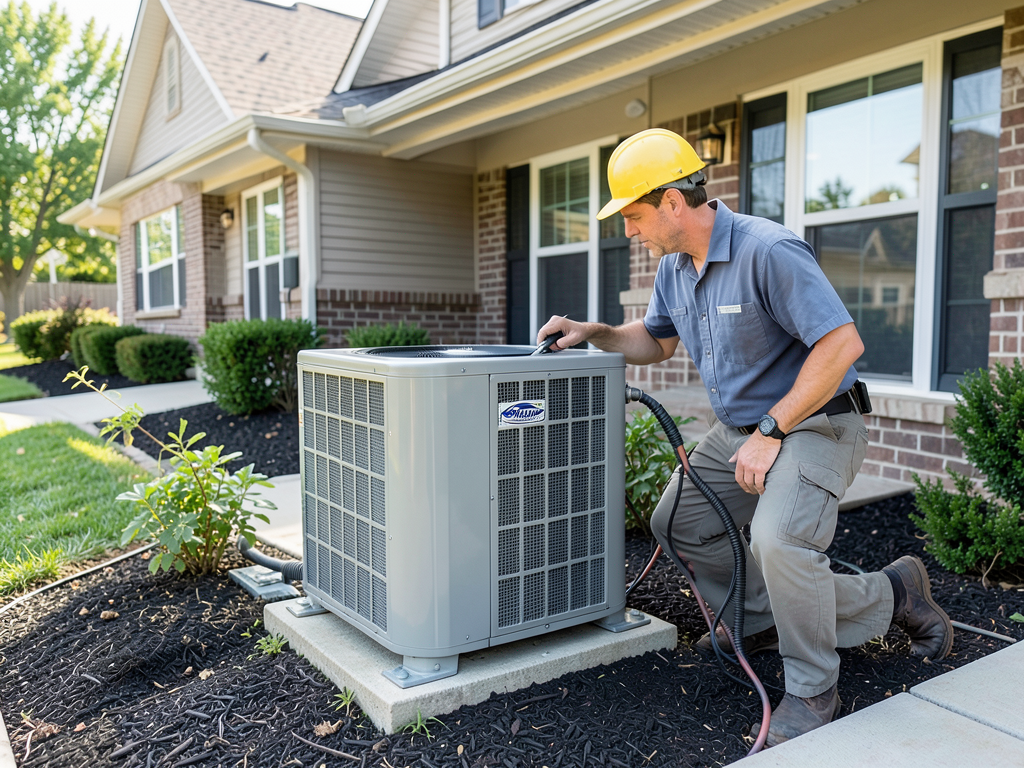
Installing a New Central Air System in Your Southfield Home
Installing central air conditioning in your Southfield home means preparing for Michigan’s brutal summer heat waves and high humidity. The process requires careful planning, proper sizing, and compliance with Oakland County building codes. A professional installation ensures your system handles 90°F+ temperatures efficiently while keeping energy costs manageable. Michigan Department of Licensing and Regulatory Affairs.
Southfield homes vary from mid-century ranches to newer developments near Northwestern Highway. Each home type presents unique challenges for central air installation. Older homes may need ductwork modifications, while newer builds might require electrical upgrades to support modern high-efficiency units. Modern HVAC Solutions for Historic Grosse Pointe Homes (Without Ruining the Aesthetics).
Why Southfield Homes Need Professional Central Air Installation
Michigan summers have grown hotter and more humid over the past decade. July and August temperatures now regularly exceed 90°F with humidity levels above 70%. Window units struggle to cool entire homes effectively, especially in multi-story Southfield properties. Central air provides consistent cooling throughout your home while improving indoor air quality.
The clay soil common in Oakland County can affect basement HVAC equipment placement. High moisture levels require proper drainage systems to prevent water damage to your furnace or air handler. Professional installers understand these local conditions and design systems that work reliably year after year. The Best Local AC Installation Specialists for Homeowners in Royal Oak.
Our Step-by-Step Installation Process
Professional installation follows a methodical approach to ensure optimal performance. The process typically takes one to two days depending on your home’s complexity. Fast and Professional Boiler Repair Services in Corktown and Midtown Detroit.
- Initial Assessment
Technicians evaluate your home’s layout, insulation, and existing ductwork. They measure room sizes and check electrical capacity to determine system requirements.
- Manual J Load Calculation
This industry-standard calculation determines the exact cooling capacity needed for your home. Factors include square footage, window orientation, insulation levels, and local climate data from the National Weather Service.
- Ductwork Inspection
Existing ducts are examined for leaks, proper sizing, and insulation. Southfield homes built before 1980 often have undersized or leaky ductwork that reduces efficiency.
- Unit Selection and Placement
Based on the load calculation, technicians select appropriately sized equipment. Outdoor condenser units need proper clearance from property lines and noise considerations for neighbors.
- Installation and Testing
Technicians install the indoor and outdoor units, connect refrigerant lines, and test the system. They verify proper airflow, check for leaks, and ensure the thermostat communicates correctly.
Energy Efficient Systems and SEER2 Ratings
Modern central air systems use SEER2 ratings to measure efficiency. SEER2 accounts for real-world conditions including humidity and temperature fluctuations. For Southfield’s climate, a SEER2 rating of 16 or higher provides good energy savings without excessive upfront costs.
High-efficiency units with SEER2 ratings of 18-21 can reduce cooling costs by 30-40% compared to older 10 SEER systems. These units often qualify for DTE Energy rebates and federal tax credits. The higher initial investment typically pays for itself within 3-5 years through energy savings. DTE Energy Rebates.
Variable-speed compressors adjust cooling output based on demand. This technology maintains consistent temperatures while using less electricity than single-stage units. It also provides better humidity control, which is crucial for Michigan’s muggy summers.
Southfield HVAC Permits and Regulations
Oakland County requires permits for central air installation. The permitting process ensures your system meets Michigan Residential Code requirements and local building standards. Professional installers handle permit applications and coordinate inspections with Southfield building officials.
Southfield follows Michigan’s mechanical code for HVAC installations. This includes requirements for proper refrigerant handling, electrical connections, and combustion air for homes with gas furnaces. The Michigan Department of Licensing and Regulatory Affairs (LARA) licenses HVAC contractors who must carry liability insurance.
Local noise ordinances affect outdoor unit placement. Condenser units must maintain minimum distances from property lines and cannot exceed specific decibel levels during daytime hours. Professional installers know these requirements and position units accordingly.
Financing and Rebates for Detroit Area Homeowners
DTE Energy offers rebates up to $500 for high-efficiency central air systems. These rebates apply to units with SEER2 ratings of 16 or higher and EER ratings meeting current standards. Consumers Energy provides similar incentives for qualifying installations.
Federal tax credits through 2026 provide up to 30% of installation costs for ENERGY STAR certified systems. These credits have no upper limit and apply to both equipment and installation labor. Your installer can provide documentation for tax filing.
Many HVAC companies offer financing plans with low monthly payments. These plans often feature promotional periods with no interest if paid within 12-18 months. Financing makes high-efficiency systems more accessible to homeowners on tight budgets.
Comparing Central Air vs. Ductless Mini-Split Systems
Central air systems use ductwork to distribute cooled air throughout your home. Ductless mini-splits have individual indoor units in each room connected to an outdoor compressor. Each option has advantages depending on your Southfield home’s characteristics.
| Feature | Central Air | Ductless Mini-Split |
|---|---|---|
| Installation Cost | $5,000 – $12,000 | $3,000 – $8,000 |
| Energy Efficiency | SEER2 14-21 | SEER2 20-30 |
| Noise Level | Indoor: 40-50 dB | Indoor: 20-30 dB |
| Zone Control | Single thermostat | Individual room control |
| Best For | Existing duct homes | Older homes, additions |
Central air provides whole-home cooling with a single thermostat. Ductless systems offer room-by-room temperature control and higher efficiency but require mounting units on walls or ceilings. For most Southfield homes, central air remains the standard choice due to familiarity and integration with existing heating systems.
Common Installation Challenges in Southfield Homes
Southfield’s diverse housing stock creates different installation scenarios. Mid-century ranches often have adequate attic space for ductwork but may need electrical upgrades. Older two-story homes might require creative solutions for running ducts between floors.
Many Southfield homes built in the 1960s and 1970s have aluminum wiring that cannot handle modern HVAC electrical loads. This requires licensed electricians to upgrade circuits before installation. Skipping this step creates fire hazards and equipment damage. Storm Damage HVAC Repair.
High humidity in finished basements affects equipment placement. Condensate drains must slope properly to prevent water backup. In some cases, installing a condensate pump becomes necessary to move water to proper drainage points.
Smart Home Integration Options
Modern central air systems integrate with smart thermostats for enhanced control and efficiency. Wi-Fi enabled thermostats allow temperature adjustments from smartphones and learn your schedule to optimize cooling patterns.
Smart systems can detect maintenance needs before failures occur. They monitor run times, filter conditions, and system performance. Some models even predict when components might fail based on usage patterns and send alerts to your phone.
Integration with home automation systems enables geofencing features. The system can automatically adjust temperatures when you leave for work and begin cooling before you return home. This prevents wasted energy while ensuring comfort when you arrive.
Maintenance Requirements for Peak Performance
Regular maintenance extends system life and maintains efficiency. Annual professional tune-ups include cleaning coils, checking refrigerant levels, and testing electrical components. These services prevent costly breakdowns during peak summer months.
Monthly filter changes during cooling season keep airflow optimal. Dirty filters reduce efficiency by up to 15% and strain the system’s compressor. High-efficiency pleated filters capture more particles but may require more frequent changes depending on your home’s dust levels.
Outdoor units need clearance from vegetation and debris. Maintain at least two feet of clearance around the condenser for proper airflow. Fall leaves and spring pollen can clog condenser coils, reducing efficiency and potentially causing system shutdowns.
Frequently Asked Questions
How long does central air installation take?
Most installations complete in one to two days. Simple replacements might finish in a single day, while complex installations requiring ductwork modifications or electrical upgrades take longer. Weather conditions can affect outdoor work schedules.
What size central air system do I need?
System size depends on your home’s square footage, insulation, window orientation, and local climate. A Manual J load calculation determines the exact tonnage needed. Oversized systems short cycle, reducing efficiency and comfort. Undersized units cannot cool adequately on hot days.
Are permits required for central air installation?
Yes, Oakland County requires permits for new central air installations. The permit ensures compliance with building codes and safety standards. Professional installers handle permit applications and coordinate required inspections with Southfield building officials.
How much does central air installation cost in Southfield?
Installation costs range from $5,000 to $12,000 depending on system size, home complexity, and chosen features. High-efficiency units with advanced features cost more upfront but provide energy savings over time. Your specific cost depends on your home’s unique requirements.
Can I install central air in a home without existing ductwork?
Yes, but it requires installing new ductwork throughout your home. This significantly increases installation costs and complexity. For homes without existing ducts, ductless mini-split systems often provide a more cost-effective cooling solution while maintaining high efficiency.
Call (313) 552-7177 Today for Your Free Estimate
Don’t wait until summer heat waves hit to think about your cooling system. Call (313) 552-7177 today to schedule a free in-home consultation. Our Southfield HVAC experts will assess your home’s needs and provide a detailed quote with no hidden fees.
Pick up the phone and call (313) 552-7177 before the next heat wave arrives. We offer same-week appointments for most Southfield homes and can often complete installations within days of your approval. Your comfort can’t wait for cooler weather.
{
“@context”: “https://schema.org”,
“@type”: “BlogPosting”,
“headline”: “Installing a New Central Air System in Your Southfield Home”,
“description”: “Professional central air installation in Southfield homes. Learn about permits, rebates, SEER2 ratings, and the step-by-step process for Michigan’s climate.”,
“wordCount”: 1552,
“datePublished”: “2026-02-24T10:10:00.000Z”,
“dateModified”: “2026-02-24T10:10:00.000Z”,
“inLanguage”: “en-US”,
“mainEntityOfPage”: {
“@type”: “WebPage”,
“@id”: “https://acehvacdetroit.com”
},
“publisher”: {
“@type”: “LocalBusiness”,
“name”: “Ace HVAC Detroit”,
“url”: “https://acehvacdetroit.com”
},
“author”: {
“@type”: “Organization”,
“name”: “Ace HVAC Detroit”,
“url”: “https://acehvacdetroit.com”
},
“image”: {
“@type”: “ImageObject”,
“url”: “https://acehvacdetroit.com/wp-content/uploads/2026/03/installing-a-new-central-air-system-in-your-southf-1-1.png”
}
}
{
“@context”: “https://schema.org”,
“@type”: “HVACBusiness”,
“name”: “Ace HVAC Detroit”,
“url”: “https://acehvacdetroit.com”,
“address”: {
“@type”: “PostalAddress”,
“addressLocality”: “Detroit”
},
“areaServed”: {
“@type”: “City”,
“name”: “Detroit”
}
}
{
“@context”: “https://schema.org”,
“@type”: “FAQPage”,
“mainEntity”: [
{
“@type”: “Question”,
“name”: “How long does central air installation take?”,
“acceptedAnswer”: {
“@type”: “Answer”,
“text”: “Most installations complete in one to two days. Simple replacements might finish in a single day, while complex installations requiring ductwork modifications or electrical upgrades take longer. Weather conditions can affect outdoor work schedules.”
}
},
{
“@type”: “Question”,
“name”: “What size central air system do I need?”,
“acceptedAnswer”: {
“@type”: “Answer”,
“text”: “System size depends on your home’s square footage, insulation, window orientation, and local climate. A Manual J load calculation determines the exact tonnage needed. Oversized systems short cycle, reducing efficiency and comfort. Undersized units cannot cool adequately on hot days.”
}
},
{
“@type”: “Question”,
“name”: “Are permits required for central air installation?”,
“acceptedAnswer”: {
“@type”: “Answer”,
“text”: “Yes, Oakland County requires permits for new central air installations. The permit ensures compliance with building codes and safety standards. Professional installers handle permit applications and coordinate required inspections with Southfield building officials.”
}
},
{
“@type”: “Question”,
“name”: “How much does central air installation cost in Southfield?”,
“acceptedAnswer”: {
“@type”: “Answer”,
“text”: “Installation costs range from $5,000 to $12,000 depending on system size, home complexity, and chosen features. High-efficiency units with advanced features cost more upfront but provide energy savings over time. Your specific cost depends on your home’s unique requirements.”
}
},
{
“@type”: “Question”,
“name”: “Can I install central air in a home without existing ductwork?”,
“acceptedAnswer”: {
“@type”: “Answer”,
“text”: “Yes, but it requires installing new ductwork throughout your home. This significantly increases installation costs and complexity. For homes without existing ducts, ductless mini-split systems often provide a more cost-effective cooling solution while maintaining high efficiency.”
}
}
]
}
{
“@context”: “https://schema.org”,
“@type”: “HowTo”,
“name”: “Central Air Installation Process”,
“step”: [
{
“@type”: “HowToStep”,
“position”: 1,
“name”: “Initial Assessment”,
“text”: “Technicians evaluate your home’s layout, insulation, and existing ductwork. They measure room sizes and check electrical capacity to determine system requirements.”
},
{
“@type”: “HowToStep”,
“position”: 2,
“name”: “Manual J Load Calculation”,
“text”: “This industry-standard calculation determines the exact cooling capacity needed for your home. Factors include square footage, window orientation, insulation levels, and local climate data from the National Weather Service.”
},
{
“@type”: “HowToStep”,
“position”: 3,
“name”: “Ductwork Inspection”,
“text”: “Existing ducts are examined for leaks, proper sizing, and insulation. Southfield homes built before 1980 often have undersized or leaky ductwork that reduces efficiency.”
},
{
“@type”: “HowToStep”,
“position”: 4,
“name”: “Unit Selection and Placement”,
“text”: “Based on the load calculation, technicians select appropriately sized equipment. Outdoor condenser units need proper clearance from property lines and noise considerations for neighbors.”
},
{
“@type”: “HowToStep”,
“position”: 5,
“name”: “Installation and Testing”,
“text”: “Technicians install the indoor and outdoor units, connect refrigerant lines, and test the system. They verify proper airflow, check for leaks, and ensure the thermostat communicates correctly.”
}
],
“image”: “https://acehvacdetroit.com/wp-content/uploads/2026/03/installing-a-new-central-air-system-in-your-southf-1-1.png”
}
{
“@context”: “https://schema.org”,
“@type”: “BreadcrumbList”,
“itemListElement”: [
{
“@type”: “ListItem”,
“position”: 1,
“name”: “Home”,
“item”: “https://acehvacdetroit.com”
},
{
“@type”: “ListItem”,
“position”: 2,
“name”: “Blog”,
“item”: “https://acehvacdetroit.com/blog”
},
{
“@type”: “ListItem”,
“position”: 3,
“name”: “Installing a New Central Air System in Your Southfield Home”
}
]
}
{
“@context”: “https://schema.org”,
“@type”: “Service”,
“serviceType”: “HVAC”,
“provider”: {
“@type”: “LocalBusiness”,
“name”: “Ace HVAC Detroit”,
“url”: “https://acehvacdetroit.com”
},
“areaServed”: {
“@type”: “City”,
“name”: “Detroit”
},
“description”: “Professional central air installation in Southfield homes. Learn about permits, rebates, SEER2 ratings, and the step-by-step process for Michigan’s climate.”
}