
Your Plymouth HVAC system is likely working 30-40% harder than necessary due to inadequate attic insulation. Michigan’s extreme temperature swings from sub-zero winters to humid 90°F summers create a perfect storm for energy waste when your attic isn’t properly sealed and insulated. Storm Damage HVAC Repair.
Many homeowners in the 48170 zip code area don’t realize their comfort issues stem from above their ceiling rather than their furnace or air conditioner. Before you replace expensive equipment, understanding how your attic affects system performance could save you thousands in unnecessary repairs and energy costs. EPA heat island information.
How Michigan’s Climate Makes Plymouth Homes Vulnerable
Plymouth sits in Wayne County where seasonal temperature variations create unique HVAC challenges. During winter months, cold air infiltrates through attic gaps while heated air rises and escapes through the roof. In summer, solar heat bakes the roof surface, turning your attic into an oven that radiates heat downward into living spaces.. Read more about How to Add Air Conditioning to a Finished Attic in a Huntington Woods Home.
The freeze-thaw cycles common in Southeast Michigan cause building materials to expand and contract, creating new gaps each year. These microscopic openings compound over time, allowing conditioned air to escape and outdoor air to penetrate your home’s thermal envelope.
The Science Behind HVAC Inefficiency
Your HVAC system’s efficiency drops dramatically when it must overcome poor insulation. A properly sized furnace or air conditioner is designed to maintain comfortable temperatures while running at optimal efficiency. When insulation fails, the system runs longer cycles, increasing wear on components and energy consumption.
According to the Department of Energy, heating and cooling account for approximately 48% of the average home’s energy use. In Plymouth’s climate, inadequate attic insulation can push this percentage even higher as systems struggle against temperature extremes. Department of Energy insulation guide.
Attic Insulation: The Missing Link in Home Performance
Most Plymouth homes built before 2000 have attic insulation levels between R-19 and R-30, while current building codes require R-49 to R-60 for our climate zone. This gap means your HVAC system works overtime to compensate for heat loss in winter and heat gain in summer.
Common insulation problems in Plymouth include compressed fiberglass batts, missing insulation over attic access panels, and inadequate coverage around ductwork and vents. These issues create thermal bridges where heat transfers rapidly between conditioned and unconditioned spaces.
Warning Signs Your Attic is Costing You Money
Ice dams forming on your roof edges indicate heat escaping through the attic, melting snow that refreezes at the eaves. Rooms that are difficult to heat or cool suggest poor insulation distribution. High utility bills that spike during extreme weather point to your HVAC system working beyond its design capacity.. Read more about Why Your Upstairs Rooms in Jefferson-Chalmers Are Always Too Hot and How to Fix It.
Drafts near ceiling fixtures, outlets, and light fixtures reveal air leakage paths through the attic floor. If you can see floor joists in your attic, you likely need more insulation. These visual indicators often go unnoticed until comfort problems become severe.. Read more about Why the Second Floor of Your Grandmont Rosedale Home is Always Too Hot.
The Cost-Benefit Analysis of Attic Upgrades
Upgrading attic insulation typically costs between $1.50 and $3.50 per square foot in the Plymouth area. For an average 1,500 square foot attic, this investment ranges from $2,250 to $5,250. However, the return on investment is substantial when you consider energy savings.
Homeowners who improve attic insulation often see 20-30% reductions in heating and cooling costs. In Plymouth’s climate, this translates to annual savings of $300 to $600 on utility bills. The insulation upgrade pays for itself within 3-5 years while extending HVAC equipment life by reducing runtime hours.
Types of Attic Insulation for Michigan Homes
Blown-in cellulose insulation offers excellent thermal performance and can be installed over existing insulation to reach recommended R-values. This material contains recycled content and provides good air sealing when densely packed.
Fiberglass batts remain popular for their affordability and ease of installation. However, they require careful installation to avoid gaps and compression that reduce effectiveness. Spray foam insulation provides superior air sealing and highest R-value per inch but comes at premium pricing. The Best Local AC Installation Specialists for Homeowners in Royal Oak.
Beyond Insulation: The Complete Attic System
Proper attic performance requires more than just insulation. Ventilation systems prevent moisture buildup and regulate temperature. Soffit vents, ridge vents, and gable vents work together to create airflow that protects your roof structure and improves insulation effectiveness.
Air sealing is equally critical. Sealing gaps around plumbing vents, electrical penetrations, and attic access points prevents conditioned air from escaping. This step often provides more immediate comfort improvements than adding insulation alone.
Professional Assessment vs. DIY Evaluation
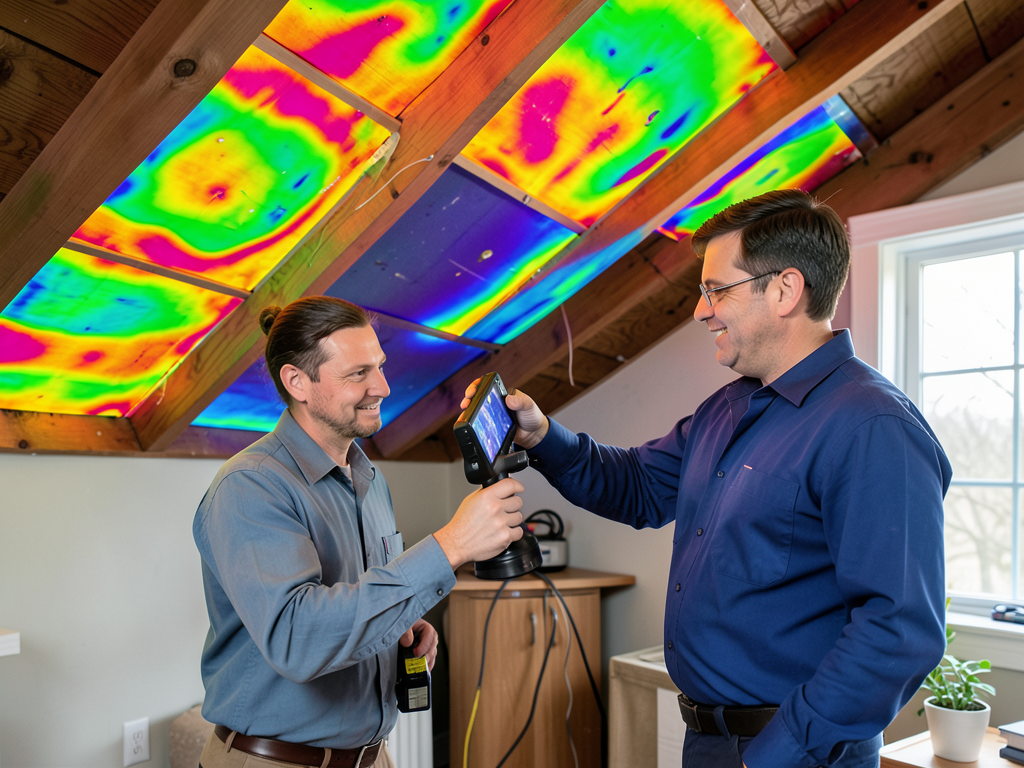
Professional energy auditors use thermal imaging cameras to identify heat loss patterns invisible to the naked eye. They measure insulation depth, check for moisture problems, and evaluate ventilation effectiveness. This comprehensive assessment typically costs $300 to $500 but provides data-driven recommendations. Fast and Professional Boiler Repair Services in Corktown and Midtown Detroit.
DIY inspection involves checking insulation depth with a ruler, looking for gaps or compression, and examining attic access points. While helpful for identifying obvious problems, DIY methods miss hidden issues that affect system performance.
The Impact on HVAC Equipment Longevity
When your HVAC system runs less frequently due to improved insulation, it experiences less wear on critical components. Compressors, blower motors, and heat exchangers all benefit from reduced runtime hours. This translates to fewer repairs and longer replacement intervals.
Most HVAC systems last 15-20 years with proper maintenance. Poor insulation can reduce this lifespan by 3-5 years as systems work harder to maintain comfort. The cost of premature replacement often exceeds insulation upgrade expenses.
Combining Insulation with HVAC Upgrades
If you’re considering new HVAC equipment, improving attic insulation first allows you to properly size the new system. Many homeowners oversize furnaces and air conditioners to compensate for poor insulation, resulting in short cycling and reduced efficiency.
A Manual J load calculation performed after insulation improvements provides accurate heating and cooling requirements. This ensures you install appropriately sized equipment that operates at peak efficiency while maintaining comfort.
Local Building Codes and Rebates
Wayne County and Plymouth building codes require minimum R-49 insulation in attics for new construction and major renovations. These requirements ensure homes meet energy efficiency standards while protecting homeowners from excessive utility costs.
Utility companies offer rebates for insulation improvements that meet specific performance criteria. DTE Energy and Consumers Energy both provide incentives for attic insulation upgrades that help offset installation costs while promoting energy conservation.
Seasonal Maintenance for Optimal Performance
Annual attic inspections help identify insulation settling, moisture problems, or pest damage before they impact HVAC performance. Spring and fall inspections allow you to address issues before extreme weather strains your system.
Check for water stains that indicate roof leaks, examine insulation for compaction or displacement, and verify that vents remain unobstructed. These simple steps maintain insulation effectiveness and prevent costly repairs.
Smart Home Integration Benefits
Smart thermostats work more effectively when your home has proper insulation. These devices learn your schedule and adjust temperatures based on actual conditions rather than fighting against heat loss or gain through poorly insulated areas.
Zoning systems become more practical with good insulation since temperature differences between areas decrease. This allows for more precise comfort control while reducing overall energy consumption.
The Environmental Impact
Improving attic insulation reduces your carbon footprint by decreasing energy consumption. For a typical Plymouth home, better insulation can prevent 2-3 tons of CO2 emissions annually. This environmental benefit compounds over the system’s lifetime.
Many insulation materials now contain recycled content, further reducing environmental impact. Cellulose insulation, for example, is made from 75-85% recycled paper products, providing an eco-friendly upgrade option.
Common Misconceptions About Attic Insulation
Some homeowners believe that adding more insulation always helps, but compressed or poorly installed insulation can actually reduce effectiveness. Quality installation matters as much as quantity when it comes to thermal performance.
Another misconception is that insulation alone solves all comfort issues. Without proper air sealing and ventilation, even high-R-value insulation cannot perform optimally. The complete system approach yields best results.
Emergency Situations and Quick Fixes
During extreme cold snaps, temporary measures can help reduce heat loss. Installing attic access covers, sealing visible gaps with spray foam, and adding temporary insulation blankets over problem areas can provide immediate relief while permanent solutions are planned. Modern HVAC Solutions for Historic Grosse Pointe Homes (Without Ruining the Aesthetics).
However, these quick fixes should not replace proper insulation upgrades. They serve as stopgap measures during emergencies rather than long-term solutions.
Planning Your Insulation Project
Start by scheduling a professional energy assessment to identify specific problem areas. This evaluation helps prioritize improvements and ensures you address the most critical issues first.
Consider timing your project for spring or fall when temperatures are moderate. This allows for more comfortable working conditions and often results in better pricing from contractors during their slower seasons.
The ROI Timeline
Most Plymouth homeowners recover their insulation investment through energy savings within 4-6 years. This timeline varies based on current insulation levels, utility rates, and climate conditions during the payback period.
Additional benefits like improved comfort, reduced HVAC repairs, and increased home value provide returns beyond simple energy savings. These factors often shorten the perceived payback period.
Future-Proofing Your Home
Building codes continue to evolve toward higher energy efficiency standards. Upgrading your attic insulation now prepares your home for potential future requirements while providing immediate benefits.
As utility rates increase over time, the savings from good insulation become more valuable. This inflation protection makes insulation upgrades a smart long-term investment.
Professional Installation Considerations
Professional installers understand how to work around obstacles like ductwork, wiring, and plumbing while maintaining proper ventilation clearances. They also know how to achieve uniform coverage that prevents thermal bridging.
DIY installation often results in gaps, compression, and coverage inconsistencies that reduce effectiveness. Professional installation typically includes warranties that protect your investment.
Health and Safety Factors
Proper attic insulation helps control moisture levels that can lead to mold growth. This moisture control protects both your home’s structure and your family’s health by preventing conditions that support mold and mildew.
Older homes may contain asbestos or vermiculite insulation that requires professional removal. Testing before any insulation work ensures safety and compliance with environmental regulations.
The Bottom Line for Plymouth Homeowners
Your HVAC system works hard enough without fighting against poor attic insulation. By addressing this often-overlooked component of home performance, you can reduce energy bills, improve comfort, and extend equipment life.
The combination of extreme Michigan weather and aging housing stock in Plymouth makes attic insulation upgrades particularly valuable. This investment pays dividends through lower utility costs, fewer repairs, and enhanced comfort throughout your home.
Frequently Asked Questions
How do I know if my attic needs more insulation?
Check if you can see floor joists in your attic – if you can, you likely need more insulation. Look for uneven coverage, compressed areas, or gaps around fixtures. Professional energy audits using thermal imaging provide the most accurate assessment of insulation needs.
What R-value should my attic insulation have in Plymouth?
Current building codes require R-49 to R-60 for attics in Plymouth’s climate zone. This translates to approximately 16-20 inches of blown-in fiberglass or cellulose insulation. Homes built before 2000 often have only R-19 to R-30, well below current recommendations.
Can I add new insulation over old insulation?
Yes, you can typically add new insulation over existing material unless the old insulation is wet, moldy, or contains hazardous materials like asbestos. Blown-in insulation works particularly well for adding to existing batts or loose-fill material.
How long does attic insulation last?
Properly installed attic insulation typically lasts 20-30 years. However, settling, moisture damage, pest activity, or compression can reduce effectiveness over time. Annual inspections help identify when replacement or supplementation becomes necessary.
Will better insulation make my home too airtight?
Insulation alone doesn’t make homes airtight – air sealing is a separate process. Proper insulation actually works best when combined with controlled ventilation. Your home still needs fresh air exchange for healthy indoor air quality.
Next Steps for Your Home
Ready to stop your HVAC system from working overtime? Start with a professional energy assessment to identify your specific insulation needs. This evaluation provides a roadmap for improvements that deliver maximum comfort and efficiency gains.
Call (313) 552-7177 today to schedule your comprehensive home energy assessment. Our Plymouth-based technicians understand local building patterns and climate challenges that affect your home’s performance.
Don’t wait until your next utility bill arrives or your HVAC system fails during a polar vortex. Take control of your home’s energy efficiency now and enjoy lower bills, better comfort, and longer equipment life throughout the year.
You may also find this helpful. Why the Most Expensive Air Filter Might Actually Be Damaging Your Furnace.
You may also find this helpful. Choosing the Right Air Filter for Your Farmington Home Without Killing Your Furnace Motor.
{
“@context”: “https://schema.org”,
“@type”: “BlogPosting”,
“headline”: “Why Your Plymouth HVAC System is Working Too Hard (And the Attic Insulation Fix)”,
“description”: “Plymouth homeowners can save on energy bills by fixing attic insulation. Learn how Michigan’s climate impacts HVAC efficiency and what to do about it.”,
“wordCount”: 2087,
“datePublished”: “2026-04-05T09:50:00.000Z”,
“dateModified”: “2026-04-05T09:50:00.000Z”,
“inLanguage”: “en-US”,
“mainEntityOfPage”: {
“@type”: “WebPage”,
“@id”: “https://acehvacdetroit.com”
},
“publisher”: {
“@type”: “LocalBusiness”,
“name”: “Ace HVAC Detroit”,
“url”: “https://acehvacdetroit.com”
},
“author”: {
“@type”: “Organization”,
“name”: “Ace HVAC Detroit”,
“url”: “https://acehvacdetroit.com”
},
“image”: {
“@type”: “ImageObject”,
“url”: “https://acehvacdetroit.com/wp-content/uploads/2026/03/why-your-plymouth-hvac-system-is-working-too-hard-1.png”
}
}
{
“@context”: “https://schema.org”,
“@type”: “HVACBusiness”,
“name”: “Ace HVAC Detroit”,
“url”: “https://acehvacdetroit.com”,
“address”: {
“@type”: “PostalAddress”,
“addressLocality”: “Detroit”
},
“areaServed”: {
“@type”: “City”,
“name”: “Detroit”
}
}
{
“@context”: “https://schema.org”,
“@type”: “FAQPage”,
“mainEntity”: [
{
“@type”: “Question”,
“name”: “How do I know if my attic needs more insulation?”,
“acceptedAnswer”: {
“@type”: “Answer”,
“text”: “Check if you can see floor joists in your attic – if you can, you likely need more insulation. Look for uneven coverage, compressed areas, or gaps around fixtures. Professional energy audits using thermal imaging provide the most accurate assessment of insulation needs.”
}
},
{
“@type”: “Question”,
“name”: “What R-value should my attic insulation have in Plymouth?”,
“acceptedAnswer”: {
“@type”: “Answer”,
“text”: “Current building codes require R-49 to R-60 for attics in Plymouth’s climate zone. This translates to approximately 16-20 inches of blown-in fiberglass or cellulose insulation. Homes built before 2000 often have only R-19 to R-30, well below current recommendations.”
}
},
{
“@type”: “Question”,
“name”: “Can I add new insulation over old insulation?”,
“acceptedAnswer”: {
“@type”: “Answer”,
“text”: “Yes, you can typically add new insulation over existing material unless the old insulation is wet, moldy, or contains hazardous materials like asbestos. Blown-in insulation works particularly well for adding to existing batts or loose-fill material.”
}
},
{
“@type”: “Question”,
“name”: “How long does attic insulation last?”,
“acceptedAnswer”: {
“@type”: “Answer”,
“text”: “Properly installed attic insulation typically lasts 20-30 years. However, settling, moisture damage, pest activity, or compression can reduce effectiveness over time. Annual inspections help identify when replacement or supplementation becomes necessary.”
}
},
{
“@type”: “Question”,
“name”: “Will better insulation make my home too airtight?”,
“acceptedAnswer”: {
“@type”: “Answer”,
“text”: “Insulation alone doesn’t make homes airtight – air sealing is a separate process. Proper insulation actually works best when combined with controlled ventilation. Your home still needs fresh air exchange for healthy indoor air quality.”
}
}
]
}
{
“@context”: “https://schema.org”,
“@type”: “BreadcrumbList”,
“itemListElement”: [
{
“@type”: “ListItem”,
“position”: 1,
“name”: “Home”,
“item”: “https://acehvacdetroit.com”
},
{
“@type”: “ListItem”,
“position”: 2,
“name”: “Blog”,
“item”: “https://acehvacdetroit.com/blog”
},
{
“@type”: “ListItem”,
“position”: 3,
“name”: “Why Your Plymouth HVAC System is Working Too Hard (And the Attic Insulation Fix)”
}
]
}
{
“@context”: “https://schema.org”,
“@type”: “Service”,
“serviceType”: “HVAC”,
“provider”: {
“@type”: “LocalBusiness”,
“name”: “Ace HVAC Detroit”,
“url”: “https://acehvacdetroit.com”
},
“areaServed”: {
“@type”: “City”,
“name”: “Detroit”
},
“description”: “Plymouth homeowners can save on energy bills by fixing attic insulation. Learn how Michigan’s climate impacts HVAC efficiency and what to do about it.”
}