
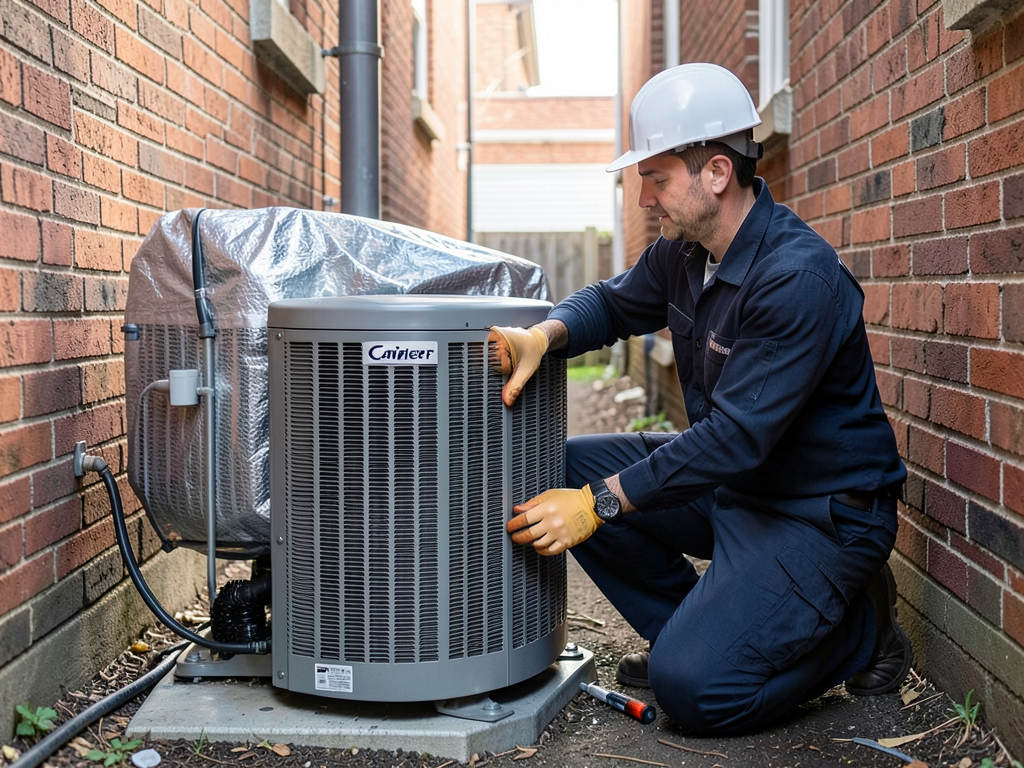
Finding the Quietest AC Units for Small Lots and Close Neighbors in University District
Living in University District means enjoying tree-lined streets, historic homes, and tight-knit community vibes. But those charming narrow lots and close-proximity houses also mean outdoor AC noise travels fast. If your old unit rattles windows or forces your neighbors to turn up the TV, it is time to upgrade to a quieter system that keeps both your home and your block comfortable.
Modern variable-speed compressors, inverter technology, and sound-dampening features have slashed outdoor unit noise to near-whisper levels. In this guide, you will learn how to compare decibel ratings, understand the tech behind quiet operation, and find models that qualify for DTE Energy rebates while meeting Detroit building code standards. By the end, you will know exactly which system fits your lot size and keeps peace with the neighbors. Modern HVAC Solutions for Historic Grosse Pointe Homes (Without Ruining the Aesthetics).
Why Decibel Levels Matter in University District Homes
Decibel (dB) ratings tell you how loud an AC unit sounds from 10 feet away. A standard single-stage unit runs at 70-75 dB—about the volume of a vacuum cleaner. That level can carry across a 25-foot side yard and disturb neighbors on evening patios. Ultra-quiet models drop to 50-60 dB, closer to normal conversation or a quiet library.
University District’s mix of 1920s bungalows and early 1960s ranches often means older ductwork and tight setbacks between homes. Sound travels easily through open windows and thin walls. Choosing a unit under 60 dB can prevent noise complaints and keep you in good standing with the block club.
Top Quietest Central Air Conditioners for Detroit Lots
The quietest systems share key features: variable-speed compressors, insulated compressor compartments, and swept-wing fan blades. Below is a comparison of top-rated models available through local dealers. All meet Michigan Residential Code and qualify for DTE rebates when installed by a licensed contractor. The Best Local AC Installation Specialists for Homeowners in Royal Oak.
| Model Series | Decibel Rating (dB) | SEER2 Efficiency | Compressor Type | Best For |
|---|---|---|---|---|
| Carrier Infinity 24ANB6 | 51 | 18 | Variable-speed | Narrow lots, historic homes |
| Lennox XC25 | 59 | 26 | Inverter | High-efficiency upgrades |
| Trane XV20i | 54 | 22 | Variable-speed | Year-round comfort |
| Rheem Prestige RA20 | 58 | 20 | Two-stage | Budget-conscious upgrades | Daikin Fit DX | 52 | 19 | Variable-speed | Side-yard installs |
The Tech Behind the Silence
Quiet operation comes from several engineering advances. Variable-speed compressors adjust cooling output in small increments instead of cycling on and off at full blast. This reduces sudden noise spikes and keeps indoor temperatures stable.
Sound blankets wrap the compressor in dense insulation, absorbing vibration before it escapes the cabinet. Swept-wing fan blades move air more efficiently at lower RPMs, cutting turbulence noise. Some units add vibration-absorbing rubber feet to isolate the compressor from the mounting pad.
Inverter-driven models like the Lennox XC25 go further by using DC power to modulate compressor speed continuously. This not only lowers dB levels but also improves humidity control—critical for Detroit’s muggy July afternoons.
Installation Factors That Influence Noise
Even the quietest unit can sound loud if installed poorly. Oversized systems short-cycle, turning on and off frequently and creating more noise. Undersized units run constantly at high speed, wearing out components faster.
Older University District homes often have narrow side yards and shared driveways. Placing the condenser on a rubber isolation pad instead of concrete can reduce vibration transfer to the house. Routing refrigerant lines through insulated sleeves prevents humming from traveling through walls.
Proper ductwork sealing also matters. Leaky ducts force the blower to work harder, increasing overall system noise. A Manual J load calculation ensures the unit matches your home’s cooling needs without excess capacity.. Read more about How to Landscape Around Your AC Unit Without Ruining Its Efficiency in Bloomfield Hills.
Local Rebates and Incentives
DTE Energy offers rebates up to $400 for high-efficiency AC units with SEER2 ratings of 18 or higher. Variable-speed models often qualify for the top tier. These rebates lower upfront costs and reduce monthly electric bills.
Consumers Energy serves parts of Metro Detroit and provides similar incentives for qualifying heat pumps and central air systems. Combining utility rebates with federal tax credits under the Inflation Reduction Act can save hundreds more.
Detroit building code requires a mechanical permit for any outdoor condenser replacement. Licensed contractors pull permits, ensuring the installation meets Michigan Residential Code Chapter 13 and includes proper clearance from property lines.
Matching Quiet AC to Your Home’s Architecture
University District’s 1920s bungalows often have shallow crawl spaces and narrow side yards. A low-profile condenser with a sound blanket fits tight setbacks without overwhelming the landscape. For early 1960s ranches, a mid-size variable-speed unit balances cooling power and quiet operation.
Historic districts may have additional guidelines on equipment placement to preserve street views. In these cases, locating the condenser on the least visible side of the house and using landscaping to screen it can satisfy both code and aesthetics.
If your home has a shared driveway or zero lot line, consider a top-tier model like the Carrier Infinity series. Its 51 dB rating is quieter than a normal conversation and unlikely to disturb anyone.
Maintenance to Keep It Quiet
Even quiet units can get noisy if neglected. Dirty condenser coils force the compressor to work harder, increasing vibration and sound. Annual coil cleaning and filter changes keep the system running smoothly.
Check the rubber isolation feet once a year. Cracked or compressed feet allow metal-to-metal contact, amplifying noise. Replacing them costs little and restores quiet operation.
Listen for new sounds like rattling or grinding. These often indicate loose panels or failing bearings. Catching issues early prevents bigger repairs and maintains low noise levels.. Read more about Why a Bigger AC Isn’t Always Better for Your St. Clair Shores Lakefront Property.
Cost vs. Quietness: What to Expect
Ultra-quiet models with inverter technology cost 15-25% more than standard units. The price premium reflects advanced compressors, sound insulation, and higher efficiency. Over time, lower energy bills and longer equipment life offset the initial cost.
For homes in dense neighborhoods, the peace of mind and neighbor goodwill are worth the investment. A quiet unit also improves resale value, as buyers increasingly prioritize low-noise outdoor equipment.
Frequently Asked Questions
How loud is too loud for a residential AC?
Units above 70 dB can disturb neighbors in tight lots. Aim for 60 dB or lower to keep outdoor noise at conversation level.
Do quiet AC units cost more to run?
No. In fact, variable-speed and inverter models often use less electricity because they run at lower speeds most of the time.
Can I install a quiet unit myself to save money?
Michigan law requires a licensed HVAC contractor to install central air systems. DIY installs void warranties and may not meet code.
How long does installation take?
Most replacements finish in one day. Complex ductwork or electrical upgrades may add a few hours.
Will a quiet unit still cool my home on the hottest days?
Yes. Modern variable-speed units adjust output to match demand, providing reliable cooling even during Detroit’s hottest heat waves. How to Find Reliable Emergency Furnace Repair in Detroit Before the Next Deep Freeze.
Ready for a Quieter, More Comfortable Home?
If your current AC sounds like a freight train, do not wait for a breakdown or a noise complaint. Call (313) 552-7177 today to schedule your free in-home consultation. We will measure your lot, assess your ductwork, and recommend the quietest system that fits your budget and keeps your neighbors happy.
Pick up the phone and call (313) 552-7177 before the next heat wave hits. Your home deserves cool comfort without the racket.
Additional Resources
For more on HVAC efficiency and quiet operation, visit the U.S. Department of Energy’s guide to air conditioning at energy.gov/energysaver/air-conditioning. To learn about DTE rebates, check dteenergy.com/rebates.
You may also find this helpful. Space-Saving HVAC Solutions for Bagley Bungalows and Smaller Detroit Homes.
You may also find this helpful. Essential HVAC Maintenance Tips for Every Short Term Rental Host in Corktown.
{
“@context”: “https://schema.org”,
“@type”: “BlogPosting”,
“headline”: “Finding the Quietest AC Units for Small Lots and Close Neighbors in University District”,
“description”: “Discover the quietest central air conditioners for University District homes. Compare decibel ratings, sound-dampening tech, and local rebates from DTE Energy to keep your neighbors happy.”,
“wordCount”: 1271,
“datePublished”: “2026-04-04T12:29:00.000Z”,
“dateModified”: “2026-04-04T12:29:00.000Z”,
“inLanguage”: “en-US”,
“mainEntityOfPage”: {
“@type”: “WebPage”,
“@id”: “https://acehvacdetroit.com”
},
“publisher”: {
“@type”: “LocalBusiness”,
“name”: “Ace HVAC Detroit”,
“url”: “https://acehvacdetroit.com”
},
“author”: {
“@type”: “Organization”,
“name”: “Ace HVAC Detroit”,
“url”: “https://acehvacdetroit.com”
},
“image”: {
“@type”: “ImageObject”,
“url”: “https://acehvacdetroit.com/wp-content/uploads/2026/03/finding-the-quietest-ac-units-for-small-lots-and-c-1.png”
}
}
{
“@context”: “https://schema.org”,
“@type”: “HVACBusiness”,
“name”: “Ace HVAC Detroit”,
“url”: “https://acehvacdetroit.com”,
“address”: {
“@type”: “PostalAddress”,
“addressLocality”: “Detroit”
},
“areaServed”: {
“@type”: “City”,
“name”: “Detroit”
}
}
{
“@context”: “https://schema.org”,
“@type”: “FAQPage”,
“mainEntity”: [
{
“@type”: “Question”,
“name”: “How loud is too loud for a residential AC?”,
“acceptedAnswer”: {
“@type”: “Answer”,
“text”: “Units above 70 dB can disturb neighbors in tight lots. Aim for 60 dB or lower to keep outdoor noise at conversation level.”
}
},
{
“@type”: “Question”,
“name”: “Do quiet AC units cost more to run?”,
“acceptedAnswer”: {
“@type”: “Answer”,
“text”: “No. In fact, variable-speed and inverter models often use less electricity because they run at lower speeds most of the time.”
}
},
{
“@type”: “Question”,
“name”: “Can I install a quiet unit myself to save money?”,
“acceptedAnswer”: {
“@type”: “Answer”,
“text”: “Michigan law requires a licensed HVAC contractor to install central air systems. DIY installs void warranties and may not meet code.”
}
},
{
“@type”: “Question”,
“name”: “How long does installation take?”,
“acceptedAnswer”: {
“@type”: “Answer”,
“text”: “Most replacements finish in one day. Complex ductwork or electrical upgrades may add a few hours.”
}
},
{
“@type”: “Question”,
“name”: “Will a quiet unit still cool my home on the hottest days?”,
“acceptedAnswer”: {
“@type”: “Answer”,
“text”: “Yes. Modern variable-speed units adjust output to match demand, providing reliable cooling even during Detroit’s hottest heat waves. How to Find Reliable Emergency Furnace Repair in Detroit Before the Next Deep Freeze.”
}
},
{
“@type”: “Question”,
“name”: “Ready for a Quieter, More Comfortable Home?”,
“acceptedAnswer”: {
“@type”: “Answer”,
“text”: “If your current AC sounds like a freight train, do not wait for a breakdown or a noise complaint. Call (313) 552-7177 today to schedule your free in-home consultation. We will measure your lot, assess your ductwork, and recommend the quietest system that fits your budget and keeps your neighbors happy.”
}
}
]
}
{
“@context”: “https://schema.org”,
“@type”: “BreadcrumbList”,
“itemListElement”: [
{
“@type”: “ListItem”,
“position”: 1,
“name”: “Home”,
“item”: “https://acehvacdetroit.com”
},
{
“@type”: “ListItem”,
“position”: 2,
“name”: “Blog”,
“item”: “https://acehvacdetroit.com/blog”
},
{
“@type”: “ListItem”,
“position”: 3,
“name”: “Finding the Quietest AC Units for Small Lots and Close Neighbors in University District”
}
]
}
{
“@context”: “https://schema.org”,
“@type”: “Service”,
“serviceType”: “HVAC”,
“provider”: {
“@type”: “LocalBusiness”,
“name”: “Ace HVAC Detroit”,
“url”: “https://acehvacdetroit.com”
},
“areaServed”: {
“@type”: “City”,
“name”: “Detroit”
},
“description”: “Discover the quietest central air conditioners for University District homes. Compare decibel ratings, sound-dampening tech, and local rebates from DTE Energy to keep your neighbors happy.”
}