
How to Keep Your University District Pipes From Freezing With Better Furnace Airflow
Detroit’s University District faces brutal winter conditions that can freeze your pipes and burst your budget. The secret to protecting your home starts with understanding how your furnace airflow directly impacts pipe safety. When warm air circulates properly through your basement and crawl spaces it keeps water lines above freezing temperatures even during polar vortex events.
The University District’s mix of historic bungalows and larger multi-story homes creates unique challenges. Many properties built before the 1940s have uninsulated crawl spaces and narrow ductwork that struggle to distribute heat evenly. Poor furnace airflow means cold spots where pipes sit vulnerable to freezing temperatures.
Why University District Homes Are at Risk
Detroit’s University District sits in a low-lying area near the Detroit River where cold air settles and temperatures drop faster than surrounding neighborhoods. The combination of older construction methods and Michigan’s extreme freeze-thaw cycles creates a perfect storm for frozen pipes. Michigan Residential Code heating requirements.
Most University District homes use copper or galvanized steel piping that conducts cold rapidly. When furnace airflow fails to reach these areas water inside pipes can freeze within hours of temperature drops below 20°F. Once water freezes it expands by approximately 9% creating pressure that cracks pipes and causes thousands of dollars in water damage. Storm Damage HVAC Repair.
The neighborhood’s architectural diversity adds complexity. Victorian homes in the area often have complex floor plans with multiple additions making it difficult for standard furnace systems to maintain consistent temperatures throughout the structure. Many basements remain unfinished with exposed pipes running along exterior walls.
Common Airflow Problems in University District Homes
Restricted airflow represents the primary cause of frozen pipes in University District properties. Several factors contribute to this issue:
- Dirty or clogged air filters reduce airflow by up to 15%
- Blocked or closed vents prevent proper circulation
- Undersized ductwork cannot move enough warm air
- Leaky ducts lose heated air before it reaches problem areas
- Poorly designed return air systems create negative pressure
Many University District homeowners unknowingly contribute to the problem by closing vents in unused rooms. This practice creates pressure imbalances that force cold air into areas where pipes are located accelerating freezing risk.
Step-by-Step Furnace Airflow Optimization
Improving your furnace airflow requires a systematic approach that addresses both immediate and long-term issues. Here’s how to protect your pipes through better airflow management.
- Check and Replace Air Filters
Replace furnace filters every 30-60 days during winter months. Use high-efficiency filters with MERV ratings between 8-11 for optimal airflow without restricting system performance.
- Inspect All Vents and Registers
Ensure all supply and return vents remain open and unobstructed. Move furniture rugs and storage items away from vents to allow free air movement.
- Test Airflow with a Simple Test
Hold a tissue near each vent while the furnace runs. Strong airflow should make the tissue flutter noticeably. Weak airflow indicates potential duct issues.
- Seal Duct Leaks
Use metal-backed tape or mastic sealant to close gaps in accessible ductwork. Leaky ducts can waste up to 30% of heated air.
- Balance the System
Adjust dampers in branch ducts to direct more warm air to problem areas like basements and crawl spaces where pipes are located.
Call (313) 552-7177 today to schedule your inspection if you notice weak airflow or cold spots in your University District home.
University District-Specific Winterization Strategies
The University District’s proximity to the Detroit River creates unique microclimates where temperatures can be 5-10 degrees colder than other parts of the city. This requires targeted winterization approaches.
Many University District homes have crawl spaces with dirt floors that allow cold air infiltration. Installing vapor barriers and insulating these spaces can raise temperatures by 10-15 degrees significantly reducing pipe freezing risk.
Older homes in the area often have mixed heating systems with radiators and forced air. These systems require careful balancing to ensure both heat distribution methods work together effectively. Radiators alone cannot prevent pipe freezing in areas without direct heat sources.
The Science of Pipe Freezing Prevention
Pipes freeze when water temperature drops below 32°F and remains there for extended periods. However the actual risk begins at 20°F for exposed pipes due to wind chill effects and thermal conductivity of surrounding materials.
Proper furnace airflow maintains ambient temperatures above 40°F in areas where pipes run. This buffer zone provides crucial protection even when outdoor temperatures plummet below zero.
The Michigan Residential Code requires a minimum indoor temperature of 68°F when occupied and 55°F when vacant. However these minimums may not provide adequate pipe protection in University District homes with poor insulation or airflow issues.
Emergency Measures When Temperatures Plummet
During extreme cold snaps University District homeowners should implement additional protective measures:
- Open cabinet doors under sinks to allow warm air circulation around plumbing
- Let faucets drip slowly to prevent pressure buildup in frozen sections
- Maintain consistent thermostat settings day and night
- Consider temporary use of space heaters in vulnerable areas
- Monitor basement temperatures with remote thermometers
Never use open flames or propane torches to thaw frozen pipes. These methods cause more damage than the freezing itself and create serious fire hazards.
Professional Solutions for University District Homes
Many University District homeowners benefit from professional HVAC assessments that identify specific airflow deficiencies in their unique home layouts. Fast and Professional Boiler Repair Services in Corktown and Midtown Detroit.
Professional duct cleaning removes debris that restricts airflow improving system efficiency by up to 20%. This service becomes especially important in older University District homes where dust and construction debris accumulate in ductwork over decades.
Zone control systems allow targeted heating of areas with vulnerable pipes. These systems use multiple thermostats and dampers to direct heat where it’s needed most providing both comfort and pipe protection.
Heat recovery ventilators can introduce fresh air while recovering heat from exhaust air improving indoor air quality without sacrificing pipe protection during winter months.
Cost Comparison: Prevention vs. Repair
| Service | Average Cost | Protection Level |
|---|---|---|
| Professional duct cleaning | $300-500 | High |
| Zone control installation | $1,500-3,000 | Very High |
| Emergency pipe repair | $1,000-5,000 | None (reactive) |
| Water damage restoration | $5,000-25,000 | None (reactive) |
Investing in preventive measures costs significantly less than emergency repairs. A $500 duct cleaning service can prevent $10,000 in water damage from a single burst pipe. How to Find Reliable Emergency Furnace Repair in Detroit Before the Next Deep Freeze.
University District Weather Patterns and Pipe Risk
Detroit’s University District experiences approximately 40 freeze-thaw cycles annually with the highest risk occurring during rapid temperature drops following warm spells. These cycles stress pipes and increase failure likelihood.
The area typically sees its first hard freeze by mid-November and last freeze by early April. During this six-month period maintaining consistent indoor temperatures becomes critical for pipe protection.
University District homes near Palmer Park or Woodbridge often experience slightly warmer conditions due to urban heat island effects. However homes closer to the river remain more vulnerable to extreme cold.
Long-Term Solutions for Pipe Protection
Beyond immediate airflow improvements several long-term strategies provide comprehensive pipe protection for University District homes.
Upgrading to PEX piping offers superior freeze resistance compared to copper. PEX can expand up to three times its size without bursting making it ideal for University District’s freeze-thaw cycles.
Installing heat tape on vulnerable pipes provides direct protection during extreme cold events. Modern heat tape systems include thermostats that activate only when temperatures drop below freezing. Modern HVAC Solutions for Historic Grosse Pointe Homes (Without Ruining the Aesthetics).
Improving overall home insulation reduces the heating load on your furnace allowing it to maintain better temperatures in problem areas. This approach addresses the root cause rather than just symptoms.
Warning Signs Your Pipes Are at Risk
Several indicators suggest your University District home has airflow or pipe protection issues:
- Consistently cold floors above crawl spaces or basements
- Uneven heating throughout the home
- Higher than normal heating bills during winter
- Condensation on windows in certain rooms
- Musty odors from basements or crawl spaces
Addressing these warning signs before winter arrives prevents emergency situations when temperatures drop.
Local Resources for University District Homeowners
University District residents can access several local resources for winter preparation and emergency assistance. The Best Local AC Installation Specialists for Homeowners in Royal Oak.
The City of Detroit’s Buildings Safety Engineering & Environmental Department provides guidance on winterization requirements for rental properties in the area. Many University District homes are rental units requiring landlord compliance with minimum heating standards.
Local hardware stores in the area stock University District-specific insulation materials designed for Detroit’s climate conditions. Staff at these locations can provide advice on products that work best in the neighborhood’s unique conditions.
Community organizations in the University District often coordinate bulk purchases of winterization supplies making professional-grade materials more affordable for homeowners.
When to Call a Professional
While many airflow improvements are DIY-friendly certain situations require professional expertise:
- Persistent cold spots despite basic improvements
- Visible ductwork damage or deterioration
- Carbon monoxide detector alerts
- Uneven heating across multiple floors
- High humidity or moisture issues in basements
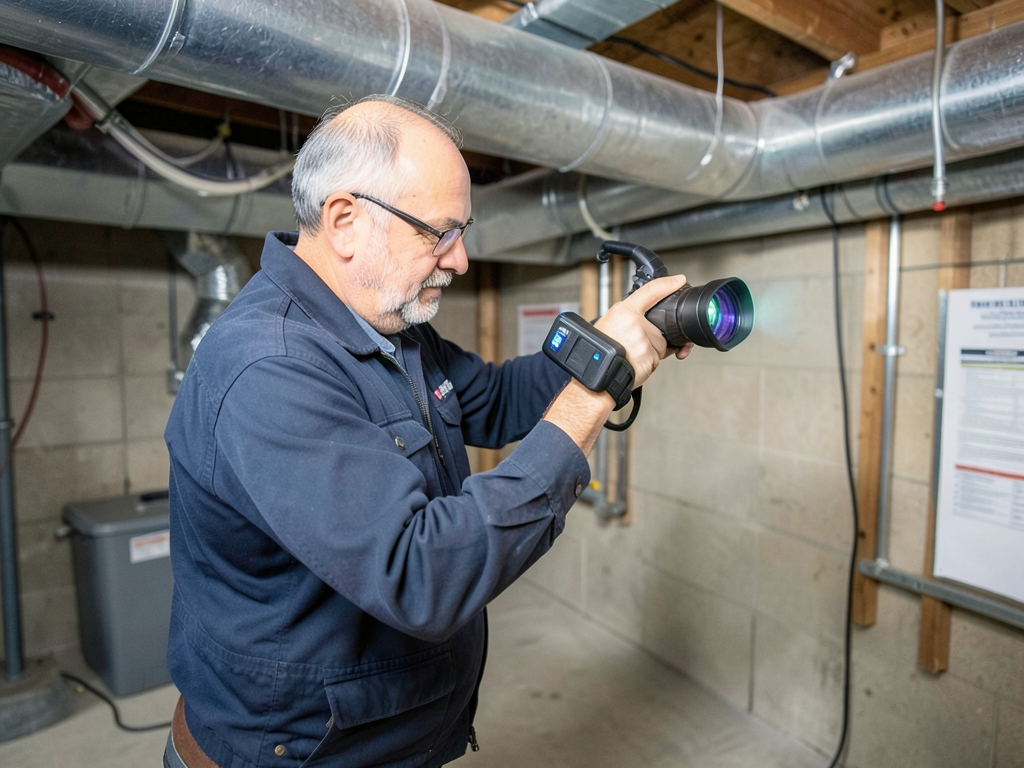
Professional HVAC technicians use specialized tools like thermal imaging cameras to identify airflow problems invisible to the naked eye. These diagnostics can reveal hidden issues that standard inspections miss.
Creating Your Winter Protection Plan
Developing a comprehensive winter protection strategy for your University District home requires assessing your specific risk factors and implementing appropriate solutions.
Start by identifying the most vulnerable areas in your home. Pipes running through exterior walls unheated basements and crawl spaces require the most attention. Map these areas and note any existing airflow problems.
Next evaluate your current HVAC system’s performance. Consider professional assessment if your system is over 15 years old or shows signs of declining efficiency.
Finally create a maintenance schedule that includes regular filter changes vent inspections and system checks throughout the winter season.
Frequently Asked Questions
How cold does it need to get for pipes to freeze in Detroit?
Pipes begin freezing when temperatures drop below 20°F for several hours though wind chill and poor insulation can cause freezing at higher temperatures. University District homes near the river may experience freezing at slightly higher temperatures due to cold air settling.
Can my furnace really prevent frozen pipes?
Yes. Proper furnace airflow maintains temperatures above freezing in areas where pipes are located. When warm air circulates effectively through basements and crawl spaces it prevents the cold spots where freezing occurs.
How often should I change my furnace filter to protect pipes?
Change furnace filters every 30-60 days during winter months. Clean filters maintain optimal airflow which is essential for keeping vulnerable areas warm enough to prevent pipe freezing.
What’s the difference between copper and PEX pipes for freeze protection?
PEX pipes can expand up to three times their size without bursting while copper pipes crack when water freezes inside them. PEX is significantly more resistant to University District’s freeze-thaw cycles.
How much does professional pipe protection cost?
Professional duct cleaning costs $300-500 while comprehensive pipe protection systems including insulation and heat tape range from $1,000-3,000. These costs are minimal compared to potential water damage repairs.
Take Action Before the Next Freeze
Detroit’s University District faces some of the harshest winter conditions in the city making pipe protection essential for every homeowner. The connection between furnace airflow and pipe safety cannot be overstated.
Don’t wait until temperatures drop to address potential problems. Simple improvements to your furnace airflow can provide years of protection against frozen pipes and the costly damage they cause.
Call (313) 552-7177 today to schedule your comprehensive HVAC assessment. Our University District specialists understand the unique challenges of Detroit’s historic homes and can recommend targeted solutions that protect your pipes and improve your home’s comfort.
Pick up the phone and call (313) 552-7177 before the next polar vortex hits. Your pipes are counting on you to keep them flowing all winter long.
Remember proper furnace airflow isn’t just about comfort—it’s about protecting your home from the devastating effects of frozen pipes. Take action now and enjoy peace of mind all winter long. For more information, visit ASHRAE HVAC standards.
{
“@context”: “https://schema.org”,
“@type”: “BlogPosting”,
“headline”: “How to Keep Your University District Pipes From Freezing With Better Furnace Airflow”,
“description”: “Protect your University District pipes from freezing with proven furnace airflow techniques. Learn how to prevent costly water damage in Detroit’s historic homes.”,
“wordCount”: 2015,
“datePublished”: “2026-04-03T06:59:00.000Z”,
“dateModified”: “2026-04-03T06:59:00.000Z”,
“inLanguage”: “en-US”,
“mainEntityOfPage”: {
“@type”: “WebPage”,
“@id”: “https://acehvacdetroit.com”
},
“publisher”: {
“@type”: “LocalBusiness”,
“name”: “Ace HVAC Detroit”,
“url”: “https://acehvacdetroit.com”
},
“author”: {
“@type”: “Organization”,
“name”: “Ace HVAC Detroit”,
“url”: “https://acehvacdetroit.com”
},
“image”: {
“@type”: “ImageObject”,
“url”: “https://acehvacdetroit.com/wp-content/uploads/2026/03/how-to-keep-your-university-district-pipes-from-fr-1.png”
}
}
{
“@context”: “https://schema.org”,
“@type”: “HVACBusiness”,
“name”: “Ace HVAC Detroit”,
“url”: “https://acehvacdetroit.com”,
“address”: {
“@type”: “PostalAddress”,
“addressLocality”: “Detroit”
},
“areaServed”: {
“@type”: “City”,
“name”: “Detroit”
}
}
{
“@context”: “https://schema.org”,
“@type”: “FAQPage”,
“mainEntity”: [
{
“@type”: “Question”,
“name”: “How cold does it need to get for pipes to freeze in Detroit?”,
“acceptedAnswer”: {
“@type”: “Answer”,
“text”: “Pipes begin freezing when temperatures drop below 20°F for several hours though wind chill and poor insulation can cause freezing at higher temperatures. University District homes near the river may experience freezing at slightly higher temperatures due to cold air settling.”
}
},
{
“@type”: “Question”,
“name”: “Can my furnace really prevent frozen pipes?”,
“acceptedAnswer”: {
“@type”: “Answer”,
“text”: “Yes. Proper furnace airflow maintains temperatures above freezing in areas where pipes are located. When warm air circulates effectively through basements and crawl spaces it prevents the cold spots where freezing occurs.”
}
},
{
“@type”: “Question”,
“name”: “How often should I change my furnace filter to protect pipes?”,
“acceptedAnswer”: {
“@type”: “Answer”,
“text”: “Change furnace filters every 30-60 days during winter months. Clean filters maintain optimal airflow which is essential for keeping vulnerable areas warm enough to prevent pipe freezing.”
}
},
{
“@type”: “Question”,
“name”: “What’s the difference between copper and PEX pipes for freeze protection?”,
“acceptedAnswer”: {
“@type”: “Answer”,
“text”: “PEX pipes can expand up to three times their size without bursting while copper pipes crack when water freezes inside them. PEX is significantly more resistant to University District’s freeze-thaw cycles.”
}
},
{
“@type”: “Question”,
“name”: “How much does professional pipe protection cost?”,
“acceptedAnswer”: {
“@type”: “Answer”,
“text”: “Professional duct cleaning costs $300-500 while comprehensive pipe protection systems including insulation and heat tape range from $1,000-3,000. These costs are minimal compared to potential water damage repairs.”
}
}
]
}
{
“@context”: “https://schema.org”,
“@type”: “HowTo”,
“name”: “Furnace Airflow Optimization”,
“step”: [
{
“@type”: “HowToStep”,
“position”: 1,
“name”: “Check and Replace Air Filters”,
“text”: “Replace furnace filters every 30-60 days during winter months. Use high-efficiency filters with MERV ratings between 8-11 for optimal airflow without restricting system performance.”
},
{
“@type”: “HowToStep”,
“position”: 2,
“name”: “Inspect All Vents and Registers”,
“text”: “Ensure all supply and return vents remain open and unobstructed. Move furniture rugs and storage items away from vents to allow free air movement.”
},
{
“@type”: “HowToStep”,
“position”: 3,
“name”: “Test Airflow with a Simple Test”,
“text”: “Hold a tissue near each vent while the furnace runs. Strong airflow should make the tissue flutter noticeably. Weak airflow indicates potential duct issues.”
},
{
“@type”: “HowToStep”,
“position”: 4,
“name”: “Seal Duct Leaks”,
“text”: “Use metal-backed tape or mastic sealant to close gaps in accessible ductwork. Leaky ducts can waste up to 30% of heated air.”
},
{
“@type”: “HowToStep”,
“position”: 5,
“name”: “Balance the System”,
“text”: “Adjust dampers in branch ducts to direct more warm air to problem areas like basements and crawl spaces where pipes are located.”
}
],
“image”: “https://acehvacdetroit.com/wp-content/uploads/2026/03/how-to-keep-your-university-district-pipes-from-fr-1.png”
}
{
“@context”: “https://schema.org”,
“@type”: “BreadcrumbList”,
“itemListElement”: [
{
“@type”: “ListItem”,
“position”: 1,
“name”: “Home”,
“item”: “https://acehvacdetroit.com”
},
{
“@type”: “ListItem”,
“position”: 2,
“name”: “Blog”,
“item”: “https://acehvacdetroit.com/blog”
},
{
“@type”: “ListItem”,
“position”: 3,
“name”: “How to Keep Your University District Pipes From Freezing With Better Furnace Airflow”
}
]
}
{
“@context”: “https://schema.org”,
“@type”: “Service”,
“serviceType”: “HVAC”,
“provider”: {
“@type”: “LocalBusiness”,
“name”: “Ace HVAC Detroit”,
“url”: “https://acehvacdetroit.com”
},
“areaServed”: {
“@type”: “City”,
“name”: “Detroit”
},
“description”: “Protect your University District pipes from freezing with proven furnace airflow techniques. Learn how to prevent costly water damage in Detroit’s historic homes.”
}