
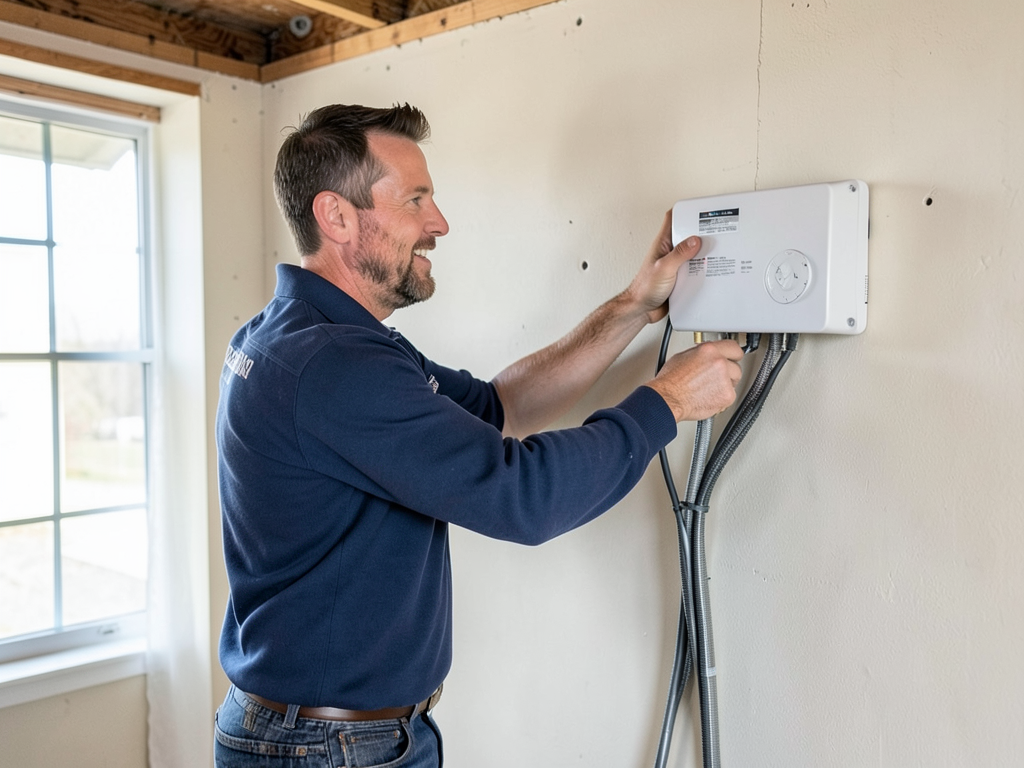
Better Ways to Control the Temperature in Your Harrison Township Finished Basement
Finished basements in Harrison Township homes often feel like separate climates from the rest of the house. Cold concrete floors, high humidity from Lake St. Clair’s proximity, and outdated ductwork create comfort nightmares. You need solutions that work with Michigan’s freeze-thaw cycles and Macomb County’s specific building requirements. Michigan Building Code.
The good news is you have several proven options to heat and cool your basement effectively. Each method addresses different challenges like moisture control, energy efficiency, and installation complexity. Let’s explore what actually works in Harrison Township’s unique climate. The Best Local AC Installation Specialists for Homeowners in Royal Oak.
Why Basement Heating is Unique in Southeast Michigan
Harrison Township sits near Lake St. Clair at an elevation that affects groundwater levels. The area’s high clay content in soil means basements retain moisture longer than homes on sandier soils. When temperatures drop below freezing, that moisture can create ice pockets against foundation walls, forcing your HVAC system to work harder. HVAC Redford Township.
Local building codes require specific R-value insulation for below-grade walls. Macomb County follows the Michigan Residential Code which mandates R-10 minimum for basement walls. Without proper insulation, even the best heating system loses efficiency through concrete.
The freeze-thaw cycles common in Harrison Township cause foundation movement. This affects where you can safely install ductwork or mount equipment. You need HVAC solutions that account for these seasonal shifts. Modern HVAC Solutions for Historic Grosse Pointe Homes (Without Ruining the Aesthetics).
Comparing Your Basement Heating Options
Choosing the right system depends on your basement’s size, existing HVAC setup, and how you use the space. Here’s how the main options stack up for Harrison Township homes.
| System Type | Installation Cost | Energy Efficiency | Best For |
|---|---|---|---|
| Ductless Mini-Split | $$$-$$$$ | High (SEER 18-22) | Finished basements, home theaters, workshops |
| Duct Extension | $$$-$$$$ | Medium | Open floor plans, existing ductwork nearby |
| Electric Baseboard | $$ | Low | Supplemental heat, small areas |
| Hydronic Radiant | $$$$-$$$$$ | High | New construction, luxury finishes |
Ductless Mini-Split Systems: The Gold Standard
Mini-splits work exceptionally well in Harrison Township basements because they don’t require ductwork through concrete walls. The outdoor compressor connects to indoor units through small refrigerant lines that penetrate walls with minimal disruption.
Modern mini-splits include inverter technology that adjusts compressor speed based on demand. This means the system runs at lower power once your basement reaches temperature, saving energy during Michigan’s shoulder seasons.
Most Harrison Township homeowners choose 9,000 to 12,000 BTU units for average basement spaces. You need about 20 BTU per square foot for finished basements with standard 8-foot ceilings. A 1,000 square foot basement typically needs 18,000 to 20,000 BTU total capacity.
The systems also provide excellent dehumidification. Harrison Township’s proximity to Lake St. Clair means summer humidity often exceeds 70%. Mini-splits remove 2 to 3 pints of moisture per hour while cooling, preventing that damp basement smell.
Extending Existing Ductwork: When It Makes Sense
Extending your main HVAC system into the basement works if your furnace has enough capacity. Most standard furnaces handle 20% to 30% additional load before needing upgrades. You need a professional load calculation to verify this. Fast and Professional Boiler Repair Services in Corktown and Midtown Detroit.
The challenge in Harrison Township is routing ducts through concrete. You typically need to core holes through foundation walls, which requires permits from the Harrison Township Building Department. The department requires inspections for any structural modifications. EPA Radon Information.
Duct extensions work best when your main HVAC unit sits in an attached garage or nearby mechanical room. Running ducts across finished living spaces creates more demolition and repair work.
You also need to consider static pressure. Adding basement ducts increases resistance in your system. Without proper balancing dampers, you might reduce airflow to upstairs rooms.
Radiant Floor Heating: Ultimate Comfort
Radiant heating installs beneath your finished floor, warming the concrete from below. This eliminates cold floor syndrome common in basements. The system uses either electric resistance cables or hot water tubes.
Electric systems cost less to install but more to operate. Hydronic systems require a boiler or water heater but run more efficiently long-term. For Harrison Township’s climate, hydronic systems make more sense if you already have a high-efficiency boiler.
Installation requires removing existing flooring or pouring new concrete. This makes it impractical for finished basements unless you’re doing a complete renovation.
The systems work well with tile, stone, or engineered wood floors. Carpet reduces efficiency since it insulates against the heat rising from below.
Supplemental Electric Heat: Quick Fixes
Baseboard heaters and portable units provide inexpensive supplemental heat. They work well for occasional use or in specific zones like home offices or workshops within your basement.
The downside is operating cost. Electric resistance heat costs about three times more per BTU than natural gas in Michigan. If you use the space daily, the long-term expense adds up quickly.
Baseboard units require dedicated 240-volt circuits. You need an electrician to install proper wiring and ensure compliance with Michigan Electrical Code Article 424. Why You Need a Dedicated Air Conditioning Repair Service in Birmingham Michigan.
Portable heaters work for temporary situations but create tripping hazards with cords and can overload circuits if multiple units run simultaneously.
Harrison Township Building Codes and HVAC Permits
Installing basement HVAC in Harrison Township requires permits from the Building Department at 38151 L’Anse Creuse Road. The department enforces the Michigan Mechanical Code, which includes specific requirements for below-grade installations.
For ductless mini-splits, you need an HVAC permit regardless of system size. The permit ensures proper refrigerant handling and electrical connections meet National Electrical Code standards.
Duct extensions require additional structural permits if you’re cutting through foundation walls. The Building Department requires engineered drawings showing load paths remain intact after modifications.
Radiant floor systems need permits for both electrical and plumbing work. The plumbing inspector checks for proper backflow prevention and pressure testing of hydronic lines.
Carbon monoxide detectors become mandatory when installing any combustion-based heating in basements. Michigan law requires hardwired detectors outside sleeping areas and on every level.
Energy efficiency rebates through DTE Energy apply to high-efficiency systems. Mini-splits with SEER ratings above 18 qualify for rebates up to $500 per ton of cooling capacity.
Calculating BTU Requirements for Below-Grade Spaces
Basements need different calculations than above-grade spaces. Concrete walls have an R-value around 1, compared to R-13 for standard framed walls. This means more heat loss per square foot.
Start with the basic formula: square footage times 20 BTU for finished basements. Then adjust for these factors:
Add 10% if your basement has many windows or glass doors. Add 15% for above-average ceiling height over 9 feet. Subtract 5% if you have R-19 or better wall insulation.
Harrison Township’s climate zone 5 means design temperatures reach -10°F. Your heating system must maintain 70°F when outdoor temperatures hit this low. This affects equipment sizing significantly.
High-efficiency furnaces have AFUE ratings of 90% or higher. For a 60,000 BTU input, you get 54,000 BTU output. Always size based on output, not input ratings.
Use Manual J calculations for precise sizing. This industry standard accounts for windows, doors, insulation levels, and local climate data. Guessing leads to oversized equipment that cycles too frequently.
Frequently Asked Questions about Basement Comfort
Is it cheaper to run a mini-split or extend existing ductwork?
Mini-splits typically cost less to operate. They avoid duct losses that can waste 20% to 30% of heating energy. In basements, where ducts might run through unconditioned spaces, this difference becomes more significant.
How long do basement HVAC systems last in Michigan?
Quality systems last 15 to 20 years with proper maintenance. Michigan’s humidity and temperature swings can reduce lifespan if you don’t control moisture. Annual professional maintenance helps systems reach their full service life.
Can I install basement HVAC myself?
Michigan law requires licensed HVAC contractors for most heating and cooling installations. Refrigerant handling requires EPA certification. Electrical work must meet code requirements. DIY installations void warranties and may create safety hazards.
What about air quality in finished basements?
Basements often have higher radon levels and moisture. Include a fresh air intake in your system design. Consider HEPA filtration for improved air quality, especially if anyone in your home has allergies.
How do I control humidity in summer?
Dehumidification becomes critical when cooling basements. Mini-splits handle this automatically, but extended duct systems might need separate dehumidifiers. Target 50% relative humidity to prevent mold growth.
Making Your Final Decision
The best system for your Harrison Township basement depends on your specific situation. Consider these factors:
- How often will you use the space?
- What’s your budget for installation versus operating costs?
- Do you need cooling as well as heating?
- Are you finishing the entire basement or just a portion?
- What’s your existing HVAC setup?
For most finished basements in Harrison Township, ductless mini-splits offer the best balance of efficiency, comfort, and installation simplicity. They handle both heating and cooling, provide excellent humidity control, and avoid the structural challenges of ductwork through concrete.
If you have an open floor plan and your furnace has capacity, extending ductwork might work. Just ensure proper load calculations and permit compliance.
Electric supplemental heat works for occasional use but becomes expensive for daily occupancy. Reserve this for specific zones or temporary situations.
Radiant floor heating provides unmatched comfort but requires significant upfront investment and works best during major renovations.
Ready to solve your basement comfort problems? Call (313) 552-7177 today to schedule your inspection. We’ll evaluate your specific needs and recommend the right solution for your Harrison Township home.
Don’t let another Michigan winter make your finished basement unusable. Pick up the phone and call (313) 552-7177 before the next cold snap hits. Your family deserves comfortable living space year-round.
Ready for Year-Round Basement Comfort?
Harrison Township’s climate creates unique challenges for basement heating and cooling. The right system makes your finished basement a comfortable extension of your home rather than a seasonal afterthought.
Our team understands local building codes, soil conditions, and climate factors that affect HVAC performance. We provide honest recommendations based on your specific needs, not sales quotas.
Call (313) 552-7177 now to schedule your free consultation. We’ll assess your basement, discuss your options, and provide clear pricing with no hidden fees. Your comfortable basement is just one call away.
Don’t wait until the next polar vortex or heat wave makes your basement unbearable. Contact us today and take control of your home’s comfort.
{
“@context”: “https://schema.org”,
“@type”: “BlogPosting”,
“headline”: “Better Ways to Control the Temperature in Your Harrison Township Finished Basement”,
“description”: “Struggling with cold or hot spots in your Harrison Township basement? Discover expert HVAC solutions for finished basements including mini-splits, zoning, and moisture control.”,
“wordCount”: 1747,
“datePublished”: “2026-04-23T06:51:00.000Z”,
“dateModified”: “2026-04-23T06:51:00.000Z”,
“inLanguage”: “en-US”,
“mainEntityOfPage”: {
“@type”: “WebPage”,
“@id”: “https://acehvacdetroit.com”
},
“publisher”: {
“@type”: “LocalBusiness”,
“name”: “Ace HVAC Detroit”,
“url”: “https://acehvacdetroit.com”
},
“author”: {
“@type”: “Organization”,
“name”: “Ace HVAC Detroit”,
“url”: “https://acehvacdetroit.com”
},
“image”: {
“@type”: “ImageObject”,
“url”: “https://acehvacdetroit.com/wp-content/uploads/2026/03/better-ways-to-control-the-temperature-in-your-har-1.png”
}
}
{
“@context”: “https://schema.org”,
“@type”: “HVACBusiness”,
“name”: “Ace HVAC Detroit”,
“url”: “https://acehvacdetroit.com”,
“address”: {
“@type”: “PostalAddress”,
“addressLocality”: “Detroit”
},
“areaServed”: {
“@type”: “City”,
“name”: “Detroit”
}
}
{
“@context”: “https://schema.org”,
“@type”: “FAQPage”,
“mainEntity”: [
{
“@type”: “Question”,
“name”: “Is it cheaper to run a mini-split or extend existing ductwork?”,
“acceptedAnswer”: {
“@type”: “Answer”,
“text”: “Mini-splits typically cost less to operate. They avoid duct losses that can waste 20% to 30% of heating energy. In basements, where ducts might run through unconditioned spaces, this difference becomes more significant.”
}
},
{
“@type”: “Question”,
“name”: “How long do basement HVAC systems last in Michigan?”,
“acceptedAnswer”: {
“@type”: “Answer”,
“text”: “Quality systems last 15 to 20 years with proper maintenance. Michigan’s humidity and temperature swings can reduce lifespan if you don’t control moisture. Annual professional maintenance helps systems reach their full service life.”
}
},
{
“@type”: “Question”,
“name”: “Can I install basement HVAC myself?”,
“acceptedAnswer”: {
“@type”: “Answer”,
“text”: “Michigan law requires licensed HVAC contractors for most heating and cooling installations. Refrigerant handling requires EPA certification. Electrical work must meet code requirements. DIY installations void warranties and may create safety hazards.”
}
},
{
“@type”: “Question”,
“name”: “What about air quality in finished basements?”,
“acceptedAnswer”: {
“@type”: “Answer”,
“text”: “Basements often have higher radon levels and moisture. Include a fresh air intake in your system design. Consider HEPA filtration for improved air quality, especially if anyone in your home has allergies.”
}
},
{
“@type”: “Question”,
“name”: “How do I control humidity in summer?”,
“acceptedAnswer”: {
“@type”: “Answer”,
“text”: “Dehumidification becomes critical when cooling basements. Mini-splits handle this automatically, but extended duct systems might need separate dehumidifiers. Target 50% relative humidity to prevent mold growth.”
}
},
{
“@type”: “Question”,
“name”: “Ready for Year-Round Basement Comfort?”,
“acceptedAnswer”: {
“@type”: “Answer”,
“text”: “Harrison Township’s climate creates unique challenges for basement heating and cooling. The right system makes your finished basement a comfortable extension of your home rather than a seasonal afterthought.”
}
}
]
}
{
“@context”: “https://schema.org”,
“@type”: “BreadcrumbList”,
“itemListElement”: [
{
“@type”: “ListItem”,
“position”: 1,
“name”: “Home”,
“item”: “https://acehvacdetroit.com”
},
{
“@type”: “ListItem”,
“position”: 2,
“name”: “Blog”,
“item”: “https://acehvacdetroit.com/blog”
},
{
“@type”: “ListItem”,
“position”: 3,
“name”: “Better Ways to Control the Temperature in Your Harrison Township Finished Basement”
}
]
}
{
“@context”: “https://schema.org”,
“@type”: “Service”,
“serviceType”: “HVAC”,
“provider”: {
“@type”: “LocalBusiness”,
“name”: “Ace HVAC Detroit”,
“url”: “https://acehvacdetroit.com”
},
“areaServed”: {
“@type”: “City”,
“name”: “Detroit”
},
“description”: “Struggling with cold or hot spots in your Harrison Township basement? Discover expert HVAC solutions for finished basements including mini-splits, zoning, and moisture control.”
}