
Why Your Grosse Pointe Mansion Stays Cold Despite a New Furnace
Living in a historic Grosse Pointe mansion means dealing with beautiful architecture but also massive heating challenges. Many homeowners replace their furnace expecting warmth and lower energy bills only to find their drafty rooms remain cold. The problem isn’t your HVAC system. It’s your home’s building envelope.. Read more about Is Leasing a New Furnace the Right Move for Your Detroit Household?.
Detroit’s Grosse Pointe neighborhoods feature stunning 1920s-1940s brick bungalows and grand Victorians built when energy was cheap and insulation was an afterthought. These homes often have balloon framing, single-pane windows, and little to no wall insulation. A brand new high-efficiency furnace simply can’t overcome these fundamental design flaws.
Before you spend another dollar on HVAC equipment, understand why addressing your home’s thermal envelope first will deliver better comfort, lower bills, and actually allow your furnace to work as designed. This isn’t just opinion. It’s building science backed by Michigan’s climate data and local energy codes. The Best Local AC Installation Specialists for Homeowners in Royal Oak.
The ‘Envelope First’ Philosophy: Why Insulation Matters More Than You Think
Your home’s building envelope includes all exterior surfaces that separate conditioned indoor air from the outdoor environment. In Grosse Pointe’s historic homes, this envelope is often riddled with gaps, cracks, and missing insulation that let heat escape like water through a sieve.
Air sealing and proper insulation work together to create a thermal barrier. Air sealing stops drafts by closing gaps around windows, doors, electrical penetrations, and plumbing chases. Insulation resists heat transfer through walls, attics, and floors. Together they prevent the ‘stack effect’ where warm air rises and escapes through upper-level gaps, pulling cold air in through lower gaps.
Many Grosse Pointe homes suffer from this exact problem. Heat generated by your furnace rises through poorly sealed attic bypasses, escapes through ridge vents, and creates negative pressure that draws cold air through basement windows and foundation cracks. Your new furnace runs constantly but can’t keep up.
The Michigan Residential Code now requires minimum R-values for new construction. Existing homes in historic districts like Grosse Pointe Farms and Grosse Pointe Shores often fall far below these standards. R-49 to R-60 in attics and R-13 to R-19 in walls are recommended for Michigan’s Zone 5 climate. Most 1920s homes have R-3 to R-8 at best.
The HVAC Argument: When a New Furnace Actually Makes Sense
Replacing a furnace that’s 15+ years old can still be worthwhile for efficiency and reliability. Modern furnaces achieve 95-98% Annual Fuel Utilization Efficiency (AFUE) compared to 60-80% for older units. They also feature variable-speed blowers, better filtration, and smart thermostat compatibility. Modern HVAC Solutions for Historic Grosse Pointe Homes (Without Ruining the Aesthetics).
However, installing a high-BTU furnace in an uninsulated home creates a different problem. Oversized equipment short-cycles. It heats the air quickly but can’t address the continuous heat loss through poorly insulated walls and drafty windows. This leads to temperature swings, higher energy bills, and premature equipment failure.
A properly sized furnace requires a Manual J load calculation that accounts for your home’s actual heat loss. Without proper insulation and air sealing, this calculation will always oversize your equipment. You’ll pay more upfront for a larger furnace that provides worse comfort and shorter lifespan.
Modern heat pumps offer an alternative worth considering. Cold-climate heat pumps now work efficiently down to -15°F. They provide both heating and cooling, eliminate the need for separate air conditioning, and can qualify for DTE Energy rebates. But even heat pumps can’t overcome massive envelope deficiencies. DTE Energy Rebate Programs.
Detroit Climate Analysis: Winter Heat Loss vs. Summer Humidity
Detroit’s climate creates unique challenges for historic homes. Our winters feature sub-zero temperatures, high winds, and lake-effect snow. Summer brings 90°F+ temperatures with 70%+ humidity. Your home’s envelope must handle both extremes.
Heat loss through poorly insulated walls and attics can account for 25-30% of your winter heating bill. In a 3,000 square foot Grosse Pointe home, that’s hundreds of dollars per month wasted. Meanwhile, summer humidity penetrates through the same gaps, forcing your air conditioner to work overtime removing moisture.
The stack effect is particularly problematic in multi-story Grosse Pointe mansions. Warm air rises through open stairwells, balloon-framed wall cavities, and poorly sealed attic access points. This creates a continuous cycle of heat loss that no furnace can overcome without addressing the root cause.
Ice dam formation on roofs is another symptom of poor insulation. Heat escaping through attic bypasses melts snow on the roof surface. Water refreezes at the colder eaves, creating ice dams that damage shingles and cause interior water damage. Proper attic insulation and ventilation prevent this cycle. Storm Damage HVAC Repair.
Comparison Table: Cost, ROI, and Lifespan
| Upgrade Type | Typical Cost Range | Energy Savings | Lifespan | Best For |
|---|---|---|---|---|
| Attic Insulation (R-49 to R-60) | $2,500 – $4,500 | 15-25% heating/cooling | 30+ years | Drafty upper floors |
| Wall Insulation (Retrofit) | $3,000 – $8,000 | 20-30% heating/cooling | 25+ years | Cold exterior walls |
| Air Sealing Package | $1,500 – $3,500 | 10-15% heating/cooling | 20+ years | Drafty rooms, high bills |
| High-Efficiency Furnace | $4,000 – $7,000 | 10-20% heating only | 15-20 years | Old, failing equipment |
| Heat Pump System | $8,000 – $15,000 | 20-30% total HVAC | 15-20 years | Replace both systems |
The Danger of ‘Oversizing’: Why Insulation Must Come First
Installing a high-BTU furnace in an uninsulated home creates a cascade of problems. The equipment heats air quickly but can’t address continuous heat loss. This causes short-cycling where the furnace turns on and off frequently rather than running longer, more efficient cycles.
Short-cycling wears out components faster. The heat exchanger, blower motor, and ignition system experience more stress from frequent starts. You’ll face more repairs and earlier replacement than with properly sized equipment.
Temperature swings become more pronounced. The furnace blasts hot air until the thermostat satisfies, then shuts off. Within minutes, the house cools again as heat escapes through poorly insulated walls. This creates uncomfortable hot-cold cycles that no thermostat can smooth out.
Humidity control suffers too. In summer, your air conditioner needs to run long enough to remove moisture from the air. Short-cycling prevents proper dehumidification, leaving your home feeling clammy even when the temperature is comfortable.
The solution is simple but requires discipline. Seal and insulate first, then perform a new Manual J calculation to properly size your HVAC equipment. This approach ensures your investment in a new furnace actually delivers the comfort and efficiency you’re paying for.
Local Incentives: DTE and Consumers Energy Rebates
Detroit-area homeowners can offset the cost of energy efficiency improvements through utility rebate programs. DTE Energy offers rebates for attic insulation, wall insulation, air sealing, and high-efficiency HVAC equipment. Consumers Energy provides similar incentives for their customers in western Wayne County.
DTE’s Energy Efficiency Program offers $0.30 per square foot for attic insulation upgrades, up to $600. Wall insulation rebates range from $400 to $800 depending on the scope. Air sealing packages qualify for $400 rebates when completed by certified contractors.
High-efficiency furnace rebates range from $400 to $600 for units with 95%+ AFUE ratings. Heat pumps qualify for even larger rebates, often $1,000 or more for cold-climate models. These rebates can cover 20-30% of your project costs.. Read more about Understanding AFUE Ratings and How Much They Really Save Dearborn Homeowners.
Historic district compliance adds complexity. Grosse Pointe’s Historic District Advisory Board (HDAB) may require approval for exterior modifications. However, most insulation and air sealing work occurs in attics, walls, and basements where HDAB approval isn’t required.
The Michigan Saves program offers low-interest financing for energy efficiency projects. Qualified homeowners can finance insulation, HVAC, and air sealing improvements with terms up to 10 years and rates starting around 5.99% APR.
Final Verdict: The Ideal Sequence for Old Homes
The most cost-effective approach for Grosse Pointe’s historic homes follows a specific sequence. This ‘whole home’ strategy maximizes comfort while minimizing energy bills and equipment costs.
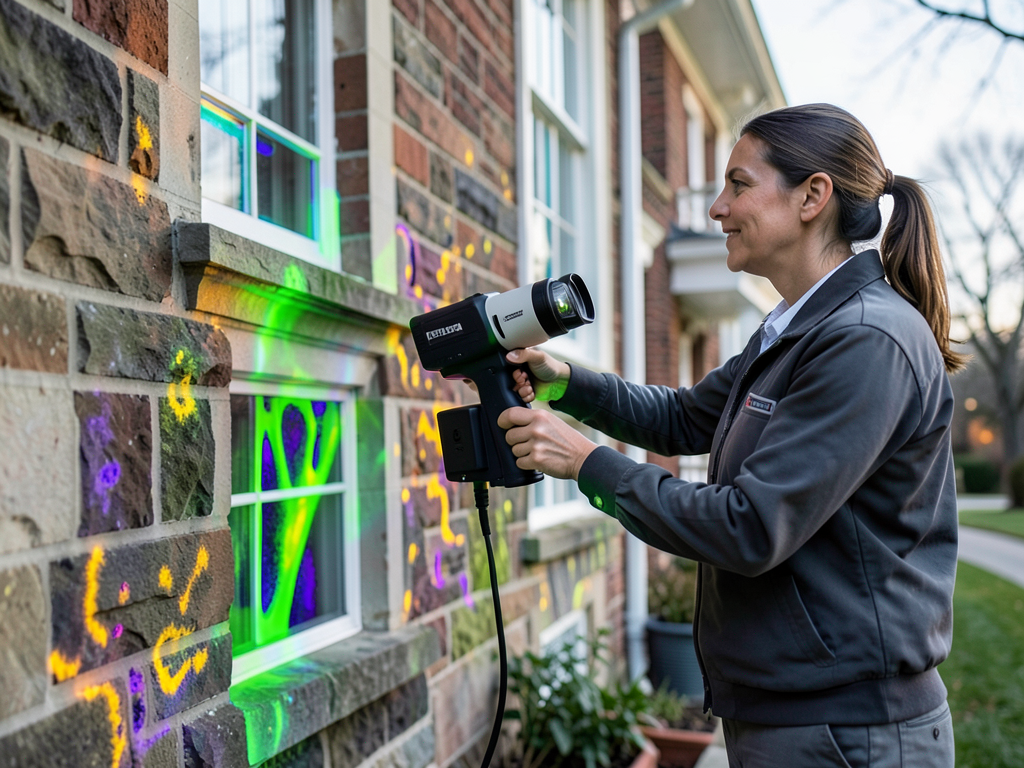
Step one is a professional energy audit. This diagnostic process uses blower door tests to measure air leakage, infrared cameras to identify insulation gaps, and combustion safety tests to ensure proper ventilation. The audit reveals exactly where your home is losing energy. Fast and Professional Boiler Repair Services in Corktown and Midtown Detroit.
Step two addresses air sealing. This includes caulking gaps around windows and doors, sealing attic bypasses around plumbing and electrical penetrations, and adding weatherstripping to exterior doors. Air sealing typically reduces energy bills by 10-15% and costs far less than insulation upgrades.
Step three installs proper insulation. Attic insulation is usually the highest priority since heat rises and escapes through the roof. Wall insulation follows, though retrofit options like dense-pack cellulose or injection foam work well in existing homes without major demolition.
Step four performs a new Manual J load calculation. With the building envelope improved, your home’s actual heating and cooling needs may be 30-50% lower than before. This allows proper equipment sizing for optimal efficiency and comfort.
Step five installs or replaces HVAC equipment. With proper sizing based on the improved envelope, your new furnace or heat pump will run efficiently, maintain consistent temperatures, and last longer than equipment sized for a leaky house.
This sequence isn’t just theory. It’s proven building science that works in Detroit’s climate. Homeowners who follow this approach report 30-50% reductions in energy bills while achieving better comfort than they had with oversized, short-cycling equipment.
Don’t let another winter pass with cold drafts and high energy bills. Your beautiful Grosse Pointe mansion deserves to be as comfortable as it is historic. The solution starts with understanding that your building envelope, not your furnace, controls your comfort.
Frequently Asked Questions
Will insulation make my house too tight and cause moisture problems?
Properly sealed and insulated homes need mechanical ventilation to maintain healthy indoor air quality. Modern energy recovery ventilators (ERVs) provide fresh air while recovering heat from exhaust air. This actually improves indoor air quality compared to leaky homes that allow uncontrolled moisture and pollutant entry.
How do I know if my insulation is adequate without an energy audit?
Quick checks include feeling exterior walls for temperature differences, checking attic insulation depth (it should be above the ceiling joists), and looking for drafts around windows and doors. However, only a professional energy audit can identify hidden issues like attic bypasses and thermal bridging that significantly impact performance.
Can I do insulation work myself to save money?
DIY insulation can work for simple attic upgrades, but professional installation ensures proper R-values, complete coverage, and addresses air sealing simultaneously. Professionals also understand building codes, ventilation requirements, and moisture management. Poor DIY insulation can create more problems than it solves.
How long does a whole home energy upgrade take?
Most insulation and air sealing projects complete in 1-3 days. Energy audits take 2-4 hours. The entire process from audit to completion typically spans 2-4 weeks depending on contractor availability and material lead times. This is much faster than most HVAC replacement projects.
Will these improvements increase my home’s value?Energy efficiency improvements typically return 70-80% of their cost in home value while providing immediate utility savings. In Grosse Pointe’s historic market, buyers increasingly value homes with modern mechanical systems and low utility costs. These improvements also prevent costly damage from ice dams and moisture problems.
Ready to stop wasting money on an oversized furnace that can’t keep your Grosse Pointe mansion warm? Call (313) 552-7177 today to schedule your professional energy audit. Our building science experts will show you exactly where your home is losing energy and create a plan to cut your bills while improving comfort. Don’t wait until the next polar vortex hits. Pick up the phone and call (313) 552-7177 now to take control of your home’s comfort and energy costs. For more information, visit Energy.gov Weatherization Guide.