
Heating and Cooling Your New Backyard ADU or Tiny Home in Detroit
Detroit homeowners building backyard ADUs or tiny homes face unique HVAC challenges. Michigan’s extreme temperature swings from sub-zero winters to humid 90°F summers demand specialized heating and cooling solutions that fit small spaces while meeting local building codes. This guide covers the most effective HVAC systems for tiny homes in Detroit, from ductless mini-splits to cold climate heat pumps, plus cost considerations and permitting requirements specific to Wayne County. Michigan air quality permits and regulations.
Why Tiny Home HVAC Differs in Detroit
Detroit’s climate zone 5/6 conditions create specific HVAC needs. A standard 400-square-foot tiny home requires different calculations than a typical home. Heat loss through walls, windows, and ceilings becomes more significant in smaller spaces. The high humidity during Michigan summers also demands robust dehumidification capabilities that many small units lack.
Detroit’s building codes require specific permits for ADUs regardless of size. The Michigan Residential Code mandates proper ventilation, carbon monoxide detectors, and specific clearance requirements for outdoor units. Many tiny home owners overlook these requirements until facing inspection delays.
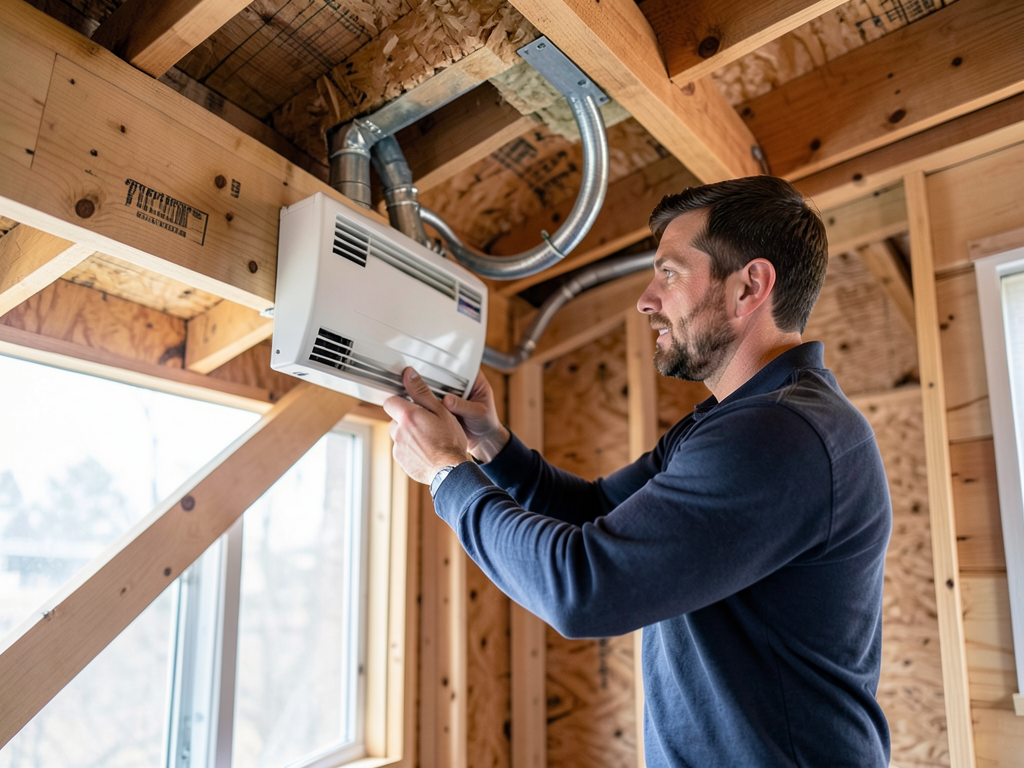
Image: Technician installing a ductless mini-split head unit in a Detroit tiny home loft, showing proper mounting height and condensate line routing.
Top HVAC Solutions for Detroit Tiny Homes
Ductless Mini-Split Systems
Ductless mini-splits dominate the tiny home market for good reason. These systems provide both heating and cooling through a single outdoor compressor connected to one or more indoor air handlers. For Detroit’s climate, look for units with heating capacity at -15°F or below.
Key advantages include minimal space requirements, zoning capabilities, and high efficiency ratings. A typical 12,000 BTU unit handles most 400-square-foot spaces. Installation requires only a 3-inch hole for refrigerant lines, making them ideal for wall-mounted or ceiling applications in tight quarters. The Best Local AC Installation Specialists for Homeowners in Royal Oak.
Cold Climate Heat Pumps
Standard heat pumps struggle when temperatures drop below 25°F. Cold climate heat pumps use variable-speed compressors and enhanced refrigerants to maintain heating output at -20°F. These units qualify for federal tax credits under the Inflation Reduction Act and often have DTE Energy rebates available.
Performance drops significantly in extreme cold, so pairing with electric resistance backup or a small propane furnace provides redundancy. The upfront cost runs $4,500-7,000 installed but saves $300-500 annually compared to electric resistance heating.
High-Velocity Systems
High-velocity HVAC uses small, flexible ducts that fit in 2×4 walls. The system delivers conditioned air through 2-inch supply outlets rather than standard 6-inch vents. This makes it perfect for tiny homes with limited wall space or retrofit situations where adding ductwork seems impossible.
The main drawback is noise. High-velocity systems can reach 55-65 decibels, similar to a normal conversation. Proper sound attenuation and strategic outlet placement minimize this issue. Installation costs run $6,000-9,000 for complete systems.
PTAC and Through-the-Wall Units
Packaged terminal air conditioners (PTACs) offer the simplest solution for extremely small spaces. These all-in-one units install through exterior walls and provide both heating and cooling. They work well for studio ADUs or guest houses where space constraints eliminate other options.
Modern PTACs achieve SEER2 ratings up to 15, making them more efficient than older models. However, they lack the zoning capabilities of mini-splits and can create cold spots in larger tiny homes. Expect to pay $1,200-2,500 per unit installed. Modern HVAC Solutions for Historic Grosse Pointe Homes (Without Ruining the Aesthetics).
BTU Calculations for Detroit Tiny Homes
Proper sizing prevents both undersized units that can’t maintain comfort and oversized units that short-cycle and waste energy. Detroit’s climate requires different calculations than warmer regions.
| Square Footage | Insulation Quality | Recommended BTUs | Suggested System Type |
|---|---|---|---|
| 200-300 | Standard | 6,000-9,000 | Mini-split or PTAC |
| 300-400 | Standard | 9,000-12,000 | Mini-split (single zone) |
| 400-500 | Standard | 12,000-15,000 | Mini-split (dual zone) or high-velocity |
| 200-300 | High Efficiency | 5,000-7,000 | Mini-split or PTAC |
| 300-400 | High Efficiency | 7,000-10,000 | Mini-split (single zone) |
| 400-500 | High Efficiency | 10,000-13,000 | Mini-split (dual zone) |
Detroit’s winter design temperature of -5°F means all heating equipment must maintain at least 70% of rated capacity at 0°F. This requirement eliminates many standard heat pumps from consideration.
Ventilation Requirements for Tiny Homes
Tiny homes built to modern standards achieve 3-5 air changes per hour, far tighter than conventional construction. This airtightness requires mechanical ventilation to prevent moisture buildup and maintain indoor air quality.
Energy recovery ventilators (ERVs) transfer heat and moisture between incoming and outgoing air streams. In Detroit’s climate, ERVs help manage both winter humidity and summer moisture loads. A 50-70 CFM unit typically suffices for spaces under 500 square feet.
Without proper ventilation, tiny homes develop condensation on windows during winter and can experience mold growth during humid summers. The Michigan Residential Code requires whole-house ventilation for all new construction, including ADUs.
Off-Grid vs. On-Grid Considerations
Tiny home owners often consider off-grid living to reduce utility costs. However, HVAC systems create significant electrical demands that challenge solar-only setups.
A typical mini-split compressor draws 800-1,200 watts during heating mode. Add the indoor fan at 50-100 watts, and total demand reaches 1,000-1,300 watts. Three hours of daily heating during winter equals 3-4 kWh per day.
Detroit averages 4.3 peak sun hours in winter. A 1,000-watt mini-split requires approximately 1,000 watts of solar panels plus battery storage for nighttime operation. This setup costs $8,000-12,000 just for HVAC power.
On-grid solutions offer reliability and lower upfront costs. DTE Energy’s Energy Optimization program provides rebates up to $500 for high-efficiency heat pumps. The federal 30% tax credit on qualifying systems further reduces costs.
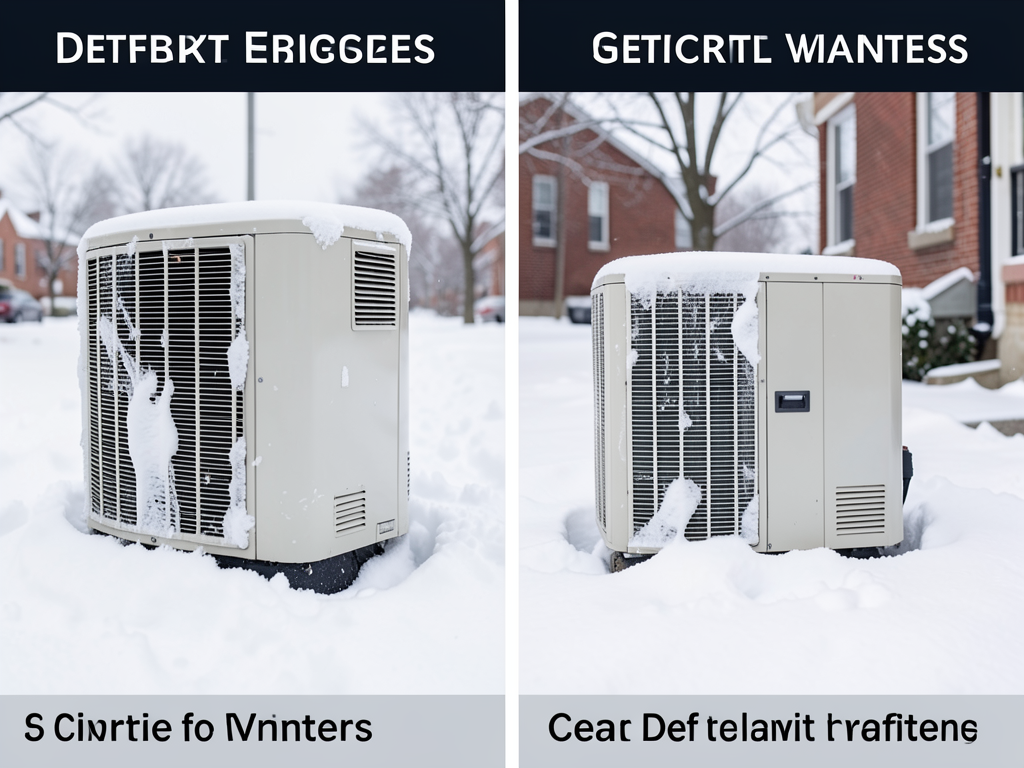
Image: Side-by-side comparison of mini-split outdoor unit snow shields and standard units, showing ice buildup prevention in Detroit winters.
Detroit Building Codes and Permitting
Detroit’s zoning ordinance allows ADUs in most residential districts with specific requirements. Units must comply with Michigan Residential Code Chapter 13 for mechanical systems.
Key requirements include:
- Minimum 6,000 BTU/hr heating capacity per 1,000 cubic feet
- Carbon monoxide detectors within 15 feet of all sleeping areas
- Outdoor unit clearance: 36 inches from property lines, 60 inches from windows
- Condensate drain must connect to sanitary sewer or discharge at least 2 feet from foundation
Mechanical permits cost $75-150 depending on system complexity. Detroit Building Safety Engineering Division processes permits within 3-5 business days for standard HVAC installations.
THOWs (tiny houses on wheels) face different regulations. Michigan law considers them recreational vehicles, limiting permanent utility connections. Most THOW owners use propane heating or small electric units that don’t require permits.
Cost Breakdown for Detroit Tiny Home HVAC
Equipment costs vary significantly by system type and efficiency rating. Installation complexity also affects final pricing.
| System Type | Equipment Cost | Installation Cost | Total Installed | Annual Operating Cost* |
|---|---|---|---|---|
| Ductless Mini-Split | $1,800-3,500 | $1,200-2,500 | $3,000-6,000 | $350-550 |
| Cold Climate Heat Pump | $2,500-4,500 | $2,000-3,500 | $4,500-8,000 | $300-450 |
| High-Velocity System | $3,500-5,000 | $2,500-4,000 | $6,000-9,000 | $400-600 |
| PTAC Unit | $800-1,500 | $400-1,000 | $1,200-2,500 | $450-650 |
*Based on Detroit’s average electricity rate of $0.16/kWh and 600 heating hours annually
Additional costs may include electrical panel upgrades ($500-1,500), condensate pumps ($150-300), or smart thermostats ($200-400).
Installation Best Practices for Tiny Spaces
Space constraints in tiny homes require careful planning. Wall-mounted indoor units need 6-8 inches of clearance from ceilings for proper airflow. Floor-mounted units require 4-6 inches of clearance on all sides.
Outdoor units need protection from Detroit’s heavy snowfall. Install on elevated pads or wall brackets at least 12 inches above expected snow depth. Use snow hoods or wind baffles to prevent drifting around the unit.
Line sets running through unconditioned spaces need insulation rated for refrigeration applications. Standard pipe insulation deteriorates quickly when exposed to refrigerant oils.
Smart thermostats help manage energy use in tiny homes. Many mini-split systems include Wi-Fi control, allowing temperature adjustments from smartphones. This prevents heating or cooling empty spaces.
Energy Efficiency and Rebates
DTE Energy offers rebates for high-efficiency HVAC equipment. Heat pumps with SEER2 ratings of 16+ qualify for $100-300 rebates. Cold climate heat pumps may qualify for additional incentives through the Michigan Clean Energy Program.
The federal 30% tax credit applies to qualifying heat pumps, including installation costs. Maximum credit is $2,000 per system for 2023-2032. This significantly reduces the net cost of cold climate heat pumps.
ENERGY STAR certified mini-splits with SEER2 ratings above 18 may qualify for both DTE rebates and federal credits. These units typically cost $200-400 more but save $50-100 annually in operating costs.
Maintenance Requirements
Tiny home HVAC systems require regular maintenance to maintain efficiency. Clean or replace air filters every 1-3 months. Dirty filters reduce airflow and increase energy consumption by 5-15%.
Check condensate drains quarterly. Detroit’s high humidity can cause algae growth that clogs drain lines. Pour a cup of white vinegar through the drain annually to prevent buildup.
Inspect outdoor units before winter. Remove debris from coils and ensure all panels are secure. Consider professional maintenance annually at $100-200 to check refrigerant levels and electrical connections. Fast and Professional Boiler Repair Services in Corktown and Midtown Detroit.
Indoor units accumulate dust on fan blades over time. This reduces airflow and can cause imbalance. Professional cleaning every 2-3 years maintains optimal performance.
Emergency Preparedness
Detroit’s frequent winter storms can cause extended power outages. Heat pumps stop working without electricity, potentially freezing pipes in tiny homes. Storm Damage HVAC Repair.
Consider backup heating options like small propane heaters rated for indoor use. These provide 8,000-10,000 BTU of emergency heat for 20-30 square feet. Always ensure proper ventilation when using combustion heaters. How to Find Reliable Emergency Furnace Repair in Detroit Before the Next Deep Freeze.
Install freeze alarms that monitor indoor temperature and send alerts to smartphones when temperatures drop below 45°F. These devices cost $50-100 and provide early warning of HVAC failures.
Keep emergency contact information for HVAC technicians who offer 24/7 service. Most emergency calls during winter storms result from power surges damaging control boards or compressors failing under extreme loads.
Future-Proofing Your Tiny Home HVAC
Technology continues advancing in HVAC efficiency and control. When selecting equipment, consider systems with upgradeable controls or modular designs that accommodate future improvements.
Heat pump technology improves annually. Units purchased today may have 10-15% better efficiency than models from five years ago. However, waiting for the next advancement means living without proper heating or cooling.
Consider zoning capabilities even in small spaces. A single-zone system works for open floor plans, but adding a second indoor unit later provides better temperature control if you add walls or partitions.
Smart home integration becomes standard in new HVAC equipment. Systems with Wi-Fi control and compatibility with platforms like Alexa or Google Home offer remote monitoring and energy usage tracking.
Image: Cross-section diagram of a tiny home showing optimal HVAC component placement, including ERV location, mini-split head positioning, and outdoor unit mounting height.
Making the Right Choice for Your Detroit Tiny Home
The best HVAC system depends on your specific needs, budget, and space constraints. Ductless mini-splits offer the best balance of efficiency, cost, and flexibility for most tiny homes. Cold climate heat pumps provide superior performance in Detroit’s extreme weather but cost more upfront.
Consider your long-term plans. If you’ll occupy the ADU year-round, invest in higher efficiency equipment that pays for itself through energy savings. For occasional guest use, a simpler PTAC might suffice.
Professional installation ensures proper sizing, code compliance, and warranty protection. DIY installation might save $500-1,000 but risks improper refrigerant charging, electrical hazards, or code violations that cost more to correct.
Detroit’s climate demands HVAC systems that handle both extremes. Choose equipment rated for your specific climate zone and don’t compromise on efficiency to save a few hundred dollars upfront.
Ready to Install Your Tiny Home HVAC System?
Choosing the right HVAC system for your backyard ADU or tiny home requires expertise in both small-space design and Detroit’s unique climate challenges. Our team understands local building codes, permit requirements, and the specific performance needs of tiny home heating and cooling.
Call (313) 552-7177 today to schedule your consultation. We’ll assess your space, discuss your options, and provide a detailed quote with no hidden fees. Don’t wait until winter arrives to discover your tiny home isn’t properly heated.
Pick up the phone and call (313) 552-7177 before the next storm hits. Your comfort and safety depend on professional installation and proper system sizing for Detroit’s extreme weather conditions.
Frequently Asked Questions
What size HVAC system do I need for a 400-square-foot tiny home in Detroit?
A 400-square-foot tiny home in Detroit typically needs 9,000-12,000 BTUs for heating and cooling. This assumes standard insulation and Detroit’s climate zone 5/6 requirements. High-efficiency insulation might reduce this to 7,000-10,000 BTUs. Always have a professional perform a Manual J calculation for accurate sizing.
Are permits required for HVAC installation in Detroit ADUs?
Yes, Detroit requires mechanical permits for all new HVAC installations in ADUs. The permit process ensures compliance with Michigan Residential Code requirements for ventilation, clearances, and safety devices. Permit fees range from $75-150 depending on system complexity. Work without permits can result in fines and inspection failures.
Can I use a heat pump in Detroit’s cold winters?
Standard heat pumps lose efficiency below 25°F and may not provide adequate heat in Detroit’s sub-zero temperatures. Cold climate heat pumps maintain heating output at -15°F to -20°F using variable-speed compressors and enhanced refrigerants. These units cost more but provide reliable winter heating without backup systems.
How much does it cost to heat and cool a tiny home in Detroit annually?
Annual HVAC operating costs for a typical 400-square-foot tiny home range from $300-600 depending on system efficiency and usage patterns. High-efficiency mini-splits cost less to operate than standard heat pumps or electric resistance heating. Detroit’s average electricity rate of $0.16/kWh affects these calculations. For more information, visit U.S. Department of Energy heat pump guide.
{
“@context”: “https://schema.org”,
“@type”: “BlogPosting”,
“headline”: “Heating and Cooling Your New Backyard ADU or Tiny Home in Detroit”,
“description”: “Learn how to heat and cool your backyard ADU or tiny home in Detroit. Expert HVAC solutions for Michigan’s extreme climate, energy rebates, and local code compliance.”,
“wordCount”: 2276,
“datePublished”: “2026-05-10T11:07:00.000Z”,
“dateModified”: “2026-05-10T11:07:00.000Z”,
“inLanguage”: “en-US”,
“mainEntityOfPage”: {
“@type”: “WebPage”,
“@id”: “https://acehvacdetroit.com”
},
“publisher”: {
“@type”: “LocalBusiness”,
“name”: “Ace HVAC Detroit”,
“url”: “https://acehvacdetroit.com”
},
“author”: {
“@type”: “Organization”,
“name”: “Ace HVAC Detroit”,
“url”: “https://acehvacdetroit.com”
},
“image”: {
“@type”: “ImageObject”,
“url”: “https://acehvacdetroit.com/wp-content/uploads/2026/03/heating-and-cooling-your-new-backyard-adu-or-tiny-1-4.png”
}
}
{
“@context”: “https://schema.org”,
“@type”: “HVACBusiness”,
“name”: “Ace HVAC Detroit”,
“url”: “https://acehvacdetroit.com”,
“address”: {
“@type”: “PostalAddress”,
“addressLocality”: “Detroit”
},
“areaServed”: {
“@type”: “City”,
“name”: “Detroit”
}
}
{
“@context”: “https://schema.org”,
“@type”: “FAQPage”,
“mainEntity”: [
{
“@type”: “Question”,
“name”: “Ready to Install Your Tiny Home HVAC System?”,
“acceptedAnswer”: {
“@type”: “Answer”,
“text”: “Choosing the right HVAC system for your backyard ADU or tiny home requires expertise in both small-space design and Detroit’s unique climate challenges. Our team understands local building codes, permit requirements, and the specific performance needs of tiny home heating and cooling.”
}
},
{
“@type”: “Question”,
“name”: “What size HVAC system do I need for a 400-square-foot tiny home in Detroit?”,
“acceptedAnswer”: {
“@type”: “Answer”,
“text”: “A 400-square-foot tiny home in Detroit typically needs 9,000-12,000 BTUs for heating and cooling. This assumes standard insulation and Detroit’s climate zone 5/6 requirements. High-efficiency insulation might reduce this to 7,000-10,000 BTUs. Always have a professional perform a Manual J calculation for accurate sizing.”
}
},
{
“@type”: “Question”,
“name”: “Are permits required for HVAC installation in Detroit ADUs?”,
“acceptedAnswer”: {
“@type”: “Answer”,
“text”: “Yes, Detroit requires mechanical permits for all new HVAC installations in ADUs. The permit process ensures compliance with Michigan Residential Code requirements for ventilation, clearances, and safety devices. Permit fees range from $75-150 depending on system complexity. Work without permits can result in fines and inspection failures.”
}
},
{
“@type”: “Question”,
“name”: “Can I use a heat pump in Detroit’s cold winters?”,
“acceptedAnswer”: {
“@type”: “Answer”,
“text”: “Standard heat pumps lose efficiency below 25°F and may not provide adequate heat in Detroit’s sub-zero temperatures. Cold climate heat pumps maintain heating output at -15°F to -20°F using variable-speed compressors and enhanced refrigerants. These units cost more but provide reliable winter heating without backup systems.”
}
},
{
“@type”: “Question”,
“name”: “How much does it cost to heat and cool a tiny home in Detroit annually?”,
“acceptedAnswer”: {
“@type”: “Answer”,
“text”: “Annual HVAC operating costs for a typical 400-square-foot tiny home range from $300-600 depending on system efficiency and usage patterns. High-efficiency mini-splits cost less to operate than standard heat pumps or electric resistance heating. Detroit’s average electricity rate of $0.16/kWh affects these calculations. For more information, visit U.S. Department of Energy heat pump guide.”
}
}
]
}
{
“@context”: “https://schema.org”,
“@type”: “BreadcrumbList”,
“itemListElement”: [
{
“@type”: “ListItem”,
“position”: 1,
“name”: “Home”,
“item”: “https://acehvacdetroit.com”
},
{
“@type”: “ListItem”,
“position”: 2,
“name”: “Blog”,
“item”: “https://acehvacdetroit.com/blog”
},
{
“@type”: “ListItem”,
“position”: 3,
“name”: “Heating and Cooling Your New Backyard ADU or Tiny Home in Detroit”
}
]
}
{
“@context”: “https://schema.org”,
“@type”: “Service”,
“serviceType”: “HVAC”,
“provider”: {
“@type”: “LocalBusiness”,
“name”: “Ace HVAC Detroit”,
“url”: “https://acehvacdetroit.com”
},
“areaServed”: {
“@type”: “City”,
“name”: “Detroit”
},
“description”: “Learn how to heat and cool your backyard ADU or tiny home in Detroit. Expert HVAC solutions for Michigan’s extreme climate, energy rebates, and local code compliance.”
}