
How Your Midtown Apartment Plants Affect Your Indoor Humidity and HVAC Performance
Living in a Midtown apartment with lush houseplants feels like creating your own urban jungle. But during Detroit’s brutal winters, that cozy green space might be fighting an invisible battle against your HVAC system. When outdoor temperatures plummet and furnaces run constantly, indoor humidity can drop below 20 percent. That’s not just uncomfortable for you—it’s potentially harmful to your plants and your heating system’s efficiency.
Your tropical plants release moisture through transpiration, but in a heated Midtown apartment, this process often can’t keep up with the drying effects of forced air. The result? Crispy leaf edges, increased static electricity, and your furnace working overtime. Understanding this relationship helps you create a healthier environment for both your plants and your HVAC system.
The Science Behind Plant Transpiration and Indoor Air
Plants naturally release water vapor through tiny pores called stomata on their leaves. This process, called transpiration, is how they cool themselves and transport nutrients. A single large houseplant can release up to a gallon of water per week through this process. In a sealed Midtown apartment during winter, that moisture becomes trapped and raises relative humidity.
However, Detroit’s climate creates unique challenges. When outdoor temperatures drop below freezing, your furnace pulls in extremely dry air and heats it. Warm air holds more moisture than cold air, so heating that -10°F winter air to 70°F drops the relative humidity dramatically. Your plants’ transpiration becomes a drop in the bucket compared to your furnace’s drying power.
The ideal indoor humidity range for most tropical houseplants is 40-60 percent. This same range also happens to be optimal for human comfort and prevents issues like wood floor warping or window condensation. When humidity falls below 30 percent, you’ll notice your plants developing brown leaf tips, soil pulling away from pot edges, and leaves dropping prematurely.
Detroit’s Winter Humidity Challenge: A Local Perspective
Detroit’s location in the Great Lakes region creates extreme seasonal humidity swings. During summer, outdoor humidity often exceeds 70 percent, but winter brings a different problem. Cold air holds very little moisture, and when that air is heated indoors, relative humidity plummets. A typical Midtown apartment might see indoor humidity drop to 15-20 percent during the coldest weeks of January.
This isn’t just uncomfortable—it’s damaging. Low humidity causes static electricity buildup, dries out nasal passages, and can even cause wood furniture to crack. For your HVAC system, dry air feels colder than humid air at the same temperature, so you’ll naturally set your thermostat higher, increasing energy costs and wear on your furnace.
Many Midtown residents don’t realize that their forced-air heating system is actively dehydrating their living space. As your furnace pulls air from inside your apartment, heats it, and redistributes it, moisture is stripped away. This creates a cycle where your plants struggle, you feel uncomfortable, and your heating bills climb higher.
Signs Your Houseplants Are Suffering from Low Humidity
Recognizing the symptoms of low humidity helps you take action before your plants suffer permanent damage. Brown, crispy leaf edges are the most obvious sign. This occurs because the leaf tissue loses moisture faster than the plant can replace it through its roots. You might also notice leaves developing a papery texture or becoming translucent at the edges. Storm Damage HVAC Repair.
Soil pulling away from the pot sides indicates severe moisture loss. When humidity is extremely low, moisture evaporates from the soil surface faster than the plant can use it. This creates gaps where the soil shrinks away from the container walls. Your plant’s roots then struggle to absorb water efficiently.
Leaf drop is another common symptom. Plants naturally shed leaves to conserve resources when conditions become too stressful. If you notice yellowing leaves falling off your Monstera or Fiddle Leaf Fig, low humidity could be the culprit. New growth might also appear stunted or distorted.
Spider mites thrive in dry conditions and can quickly infest stressed plants. These tiny pests create fine webbing on leaf undersides and cause stippling damage. If you notice these signs, your humidity is likely too low for healthy plant growth. The combination of stressed plants and dry air also increases dust accumulation on leaves, reducing photosynthesis efficiency.
Can Houseplants Replace a Whole-Home Humidifier?
While your plants do contribute moisture to the air, they cannot replace mechanical humidification in Detroit’s climate. A typical Midtown apartment might have 10-15 medium-sized houseplants. Even if each plant releases a gallon of water weekly through transpiration, that’s only about 0.6 gallons per day total.
Compare this to a whole-home humidifier that can add 12-17 gallons of moisture per day to a 2,000 square foot space. The difference is substantial. Your plants would need to cover every available surface to match even a small humidifier’s output. Plus, plants only release moisture during daylight hours when they’re photosynthesizing.
Whole-home humidifiers integrate directly with your HVAC system. They use your furnace’s blower to distribute moisture throughout your apartment via existing ductwork. This means every room benefits, not just the areas near your plants. Modern units include humidistats that maintain consistent humidity levels, preventing both over-humidification and the dry conditions that harm plants. Modern HVAC Solutions for Historic Grosse Pointe Homes (Without Ruining the Aesthetics).
The energy efficiency comparison is also important. Running a whole-home humidifier costs about $30-50 per winter season in electricity. In contrast, compensating for low humidity by raising your thermostat 2-3 degrees can increase your heating bill by $200-400 over the same period. Your HVAC system also experiences less wear when operating in optimal humidity conditions.
Optimal Humidity Levels for Common Houseplants
Different plant species have varying humidity requirements. Understanding these needs helps you group plants effectively and choose appropriate humidification strategies. Tropical plants generally need higher humidity than desert species.
| Plant Type | Ideal Humidity Range | Detroit Winter Challenge |
|---|---|---|
| Monstera Deliciosa | 60-80% | Severe stress below 40% |
| Fiddle Leaf Fig | 50-70% | Brown edges below 45% |
| Boston Fern | 70-90% | Frond drop below 50% |
| Peace Lily | 50-60% | Flowering issues below 45% |
| Snake Plant | 40-50% | Tolerates 30-40% |
| Succulents | 30-40% | Thrives in 20-30% |
Notice that even the most drought-tolerant houseplants prefer humidity levels higher than what Detroit apartments typically experience in winter. This creates a fundamental conflict between plant health and the natural dehumidifying effect of forced-air heating.
Human comfort also falls within this optimal range. The EPA recommends maintaining indoor humidity between 30-50 percent for health and comfort. This range prevents mold growth while keeping respiratory passages moist and reducing static electricity. Finding the sweet spot where both you and your plants thrive is the key to successful indoor gardening in Detroit. EPA indoor air quality guidelines.
HVAC Solutions for the Green-Thumbed Homeowner
Modern HVAC technology offers several solutions for maintaining optimal humidity levels in your Midtown apartment. Whole-home bypass humidifiers are the most common option. These units use your furnace’s existing ductwork to distribute moisture throughout your space. They’re relatively inexpensive to install and require minimal maintenance.
Fan-powered humidifiers offer more control and higher output. These units include their own fans to push moisture into your ductwork, making them effective even when your furnace isn’t running. They’re ideal for larger spaces or homes with multiple levels where humidity distribution is challenging.
Steam humidifiers represent the premium option. These units boil water to create pure steam, which is then distributed through your HVAC system. They offer the most precise humidity control and can maintain higher humidity levels than other types. The initial cost is higher, but they’re more energy-efficient and require less frequent maintenance.. Read more about Comparing Steam and Evaporative Humidifiers for Large Homes in Rochester.
Smart thermostats with built-in humidity sensors can dramatically improve your system’s performance. Models from Ecobee and Nest monitor both temperature and humidity, adjusting your HVAC operation to maintain optimal conditions. They can also integrate with your humidifier, creating automated control that responds to both outdoor conditions and your preferences.
Regular furnace maintenance is crucial for humidity control. A dirty furnace filter restricts airflow, reducing your humidifier’s effectiveness. Annual maintenance should include checking humidifier components, cleaning water panels, and verifying proper operation. This prevents issues like mineral buildup that can reduce efficiency or cause water damage.
Creating the Perfect Plant-Friendly Environment
Combining mechanical humidification with strategic plant placement creates the ideal environment for both your plants and your comfort. Group plants with similar humidity needs together. Place high-humidity lovers like ferns and calatheas in bathrooms or kitchens where moisture levels naturally run higher.
Use pebble trays filled with water beneath plants that need extra humidity. As water evaporates, it creates a small humid microclimate around the plant. This method works best for individual plants rather than solving whole-apartment humidity issues. For maximum effectiveness, ensure the pot sits above the water level on the pebbles.
Consider installing a hygrometer to monitor humidity levels accurately. These inexpensive devices show real-time humidity readings, helping you understand when intervention is needed. Digital hygrometers often include temperature readings and can track historical data to show humidity trends over time.
Proper air circulation prevents mold growth while ensuring even humidity distribution. Ceiling fans set to low speed help move moist air throughout your space without creating drafts that stress plants. This circulation also prevents cold spots near windows where condensation might occur.
During extreme cold snaps, when outdoor temperatures drop below 0°F, you may need to reduce humidity slightly to prevent window condensation. Most plants can tolerate brief periods at 35-40 percent humidity without damage. Your HVAC system’s humidifier should have settings that automatically adjust based on outdoor temperature.
Energy Efficiency and Humidity Management
Maintaining proper humidity levels actually improves your HVAC system’s energy efficiency. Humid air feels warmer than dry air at the same temperature because moisture in the air holds heat better. By maintaining 40-45 percent humidity in winter, you can typically lower your thermostat by 2-3 degrees while feeling just as comfortable.
This temperature reduction translates to significant energy savings. For every degree you lower your thermostat in winter, you can save approximately 3 percent on your heating bill. Over a Detroit winter, maintaining optimal humidity could reduce your heating costs by $150-300 while also extending your furnace’s lifespan.
Your HVAC system also operates more efficiently in properly humidified air. Dry air is more abrasive to internal components, potentially shortening the life of your blower motor and other parts. Proper humidity reduces static electricity, which can damage electronic controls and thermostats.
Consider the total cost of ownership when evaluating humidification options. While a whole-home humidifier requires an upfront investment of $400-800 plus installation, the energy savings and extended HVAC life often pay for the system within 2-3 years. Plus, you’ll enjoy better comfort and healthier plants throughout the process. The Best Local AC Installation Specialists for Homeowners in Royal Oak.
Frequently Asked Questions
How many plants do I need to significantly impact my apartment’s humidity?
You would need several hundred medium-sized plants to noticeably affect humidity levels in a typical Midtown apartment. A more practical approach is combining a few humidity-loving plants with mechanical humidification for optimal results.
Can high humidity damage my HVAC system?
Excess humidity can cause condensation in ductwork and on cooling coils, potentially leading to mold growth. Modern humidifiers include controls that prevent over-humidification based on outdoor temperature, eliminating this risk.
What’s the best way to measure humidity in my apartment?
A digital hygrometer provides the most accurate readings. Place it in the room where you spend the most time, away from direct sunlight or heat sources. For whole-apartment monitoring, consider smart home systems that track multiple zones.
How often should I maintain my humidifier?
Replace water panels annually and clean the unit before each heating season. If you have hard water, you may need more frequent cleaning to prevent mineral buildup. Your HVAC technician can perform this maintenance during your annual furnace checkup.
Will humidifying my apartment increase my cooling costs in summer?
Modern whole-home humidifiers include summer shutoff switches that prevent operation during cooling season. This prevents adding moisture when your air conditioner is trying to remove it, maintaining year-round efficiency.
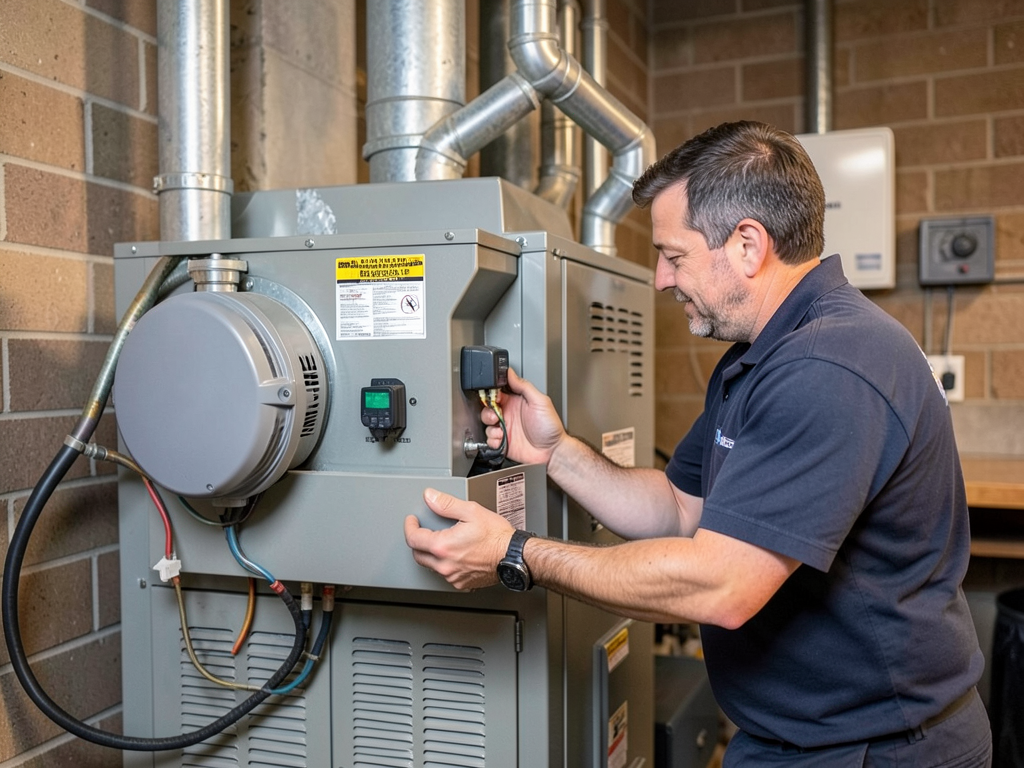

Take Control of Your Indoor Environment Today
Your Midtown apartment can be both a thriving plant sanctuary and a comfortable living space, even during Detroit’s harshest winters. The key is understanding how your HVAC system and your plants interact, then implementing solutions that benefit both. Whether you need a whole-home humidifier installation, furnace maintenance, or just expert advice on creating the perfect indoor environment, professional help makes all the difference. Fast and Professional Boiler Repair Services in Corktown and Midtown Detroit.
Don’t let another winter damage your plants and drive up your heating bills. Call (313) 552-7177 today to schedule your inspection. Our NATE-certified technicians understand Detroit’s unique climate challenges and can recommend the perfect humidification solution for your specific needs. We’ll help you create an environment where both you and your plants can thrive, no matter what Michigan weather brings.
Pick up the phone and call (313) 552-7177 before the next cold snap hits. Your plants—and your comfort—will thank you.
- Assess Your Current Conditions
Measure your apartment’s humidity with a hygrometer and note any plant stress symptoms. This baseline helps determine if mechanical humidification is needed.
- Choose the Right Humidification System
Based on your space size and plant collection, select between bypass, fan-powered, or steam humidifiers. Consider smart controls for automated management.
- Schedule Professional Installation
Have a licensed HVAC technician install your humidifier, ensuring proper integration with your existing system and optimal placement for even distribution.
- Maintain Your System Regularly
Replace water panels annually, clean components before heating season, and have your system checked during routine furnace maintenance to ensure continued efficiency. For more information, visit ASHRAE humidity control recommendations.
{
“@context”: “https://schema.org”,
“@type”: “BlogPosting”,
“headline”: “How Your Midtown Apartment Plants Affect Your Indoor Humidity and HVAC Performance”,
“description”: “Discover how your Midtown apartment plants impact indoor humidity and HVAC efficiency in Detroit’s harsh winters. Learn optimal humidity levels and whole-home solutions.”,
“wordCount”: 2274,
“datePublished”: “2026-06-03T12:43:00.000Z”,
“dateModified”: “2026-06-03T12:43:00.000Z”,
“inLanguage”: “en-US”,
“mainEntityOfPage”: {
“@type”: “WebPage”,
“@id”: “https://acehvacdetroit.com”
},
“publisher”: {
“@type”: “LocalBusiness”,
“name”: “Ace HVAC Detroit”,
“url”: “https://acehvacdetroit.com”
},
“author”: {
“@type”: “Organization”,
“name”: “Ace HVAC Detroit”,
“url”: “https://acehvacdetroit.com”
},
“image”: {
“@type”: “ImageObject”,
“url”: “https://acehvacdetroit.com/wp-content/uploads/2026/03/how-your-midtown-apartment-plants-affect-your-indo-1.png”
}
}
{
“@context”: “https://schema.org”,
“@type”: “HVACBusiness”,
“name”: “Ace HVAC Detroit”,
“url”: “https://acehvacdetroit.com”,
“address”: {
“@type”: “PostalAddress”,
“addressLocality”: “Detroit”
},
“areaServed”: {
“@type”: “City”,
“name”: “Detroit”
}
}
{
“@context”: “https://schema.org”,
“@type”: “FAQPage”,
“mainEntity”: [
{
“@type”: “Question”,
“name”: “Can Houseplants Replace a Whole-Home Humidifier?”,
“acceptedAnswer”: {
“@type”: “Answer”,
“text”: “While your plants do contribute moisture to the air, they cannot replace mechanical humidification in Detroit’s climate. A typical Midtown apartment might have 10-15 medium-sized houseplants. Even if each plant releases a gallon of water weekly through transpiration, that’s only about 0.6 gallons per day total.”
}
},
{
“@type”: “Question”,
“name”: “How many plants do I need to significantly impact my apartment’s humidity?”,
“acceptedAnswer”: {
“@type”: “Answer”,
“text”: “You would need several hundred medium-sized plants to noticeably affect humidity levels in a typical Midtown apartment. A more practical approach is combining a few humidity-loving plants with mechanical humidification for optimal results.”
}
},
{
“@type”: “Question”,
“name”: “Can high humidity damage my HVAC system?”,
“acceptedAnswer”: {
“@type”: “Answer”,
“text”: “Excess humidity can cause condensation in ductwork and on cooling coils, potentially leading to mold growth. Modern humidifiers include controls that prevent over-humidification based on outdoor temperature, eliminating this risk.”
}
},
{
“@type”: “Question”,
“name”: “What’s the best way to measure humidity in my apartment?”,
“acceptedAnswer”: {
“@type”: “Answer”,
“text”: “A digital hygrometer provides the most accurate readings. Place it in the room where you spend the most time, away from direct sunlight or heat sources. For whole-apartment monitoring, consider smart home systems that track multiple zones.”
}
},
{
“@type”: “Question”,
“name”: “How often should I maintain my humidifier?”,
“acceptedAnswer”: {
“@type”: “Answer”,
“text”: “Replace water panels annually and clean the unit before each heating season. If you have hard water, you may need more frequent cleaning to prevent mineral buildup. Your HVAC technician can perform this maintenance during your annual furnace checkup.”
}
},
{
“@type”: “Question”,
“name”: “Will humidifying my apartment increase my cooling costs in summer?”,
“acceptedAnswer”: {
“@type”: “Answer”,
“text”: “Modern whole-home humidifiers include summer shutoff switches that prevent operation during cooling season. This prevents adding moisture when your air conditioner is trying to remove it, maintaining year-round efficiency.”
}
}
]
}
{
“@context”: “https://schema.org”,
“@type”: “BreadcrumbList”,
“itemListElement”: [
{
“@type”: “ListItem”,
“position”: 1,
“name”: “Home”,
“item”: “https://acehvacdetroit.com”
},
{
“@type”: “ListItem”,
“position”: 2,
“name”: “Blog”,
“item”: “https://acehvacdetroit.com/blog”
},
{
“@type”: “ListItem”,
“position”: 3,
“name”: “How Your Midtown Apartment Plants Affect Your Indoor Humidity and HVAC Performance”
}
]
}
{
“@context”: “https://schema.org”,
“@type”: “Service”,
“serviceType”: “HVAC”,
“provider”: {
“@type”: “LocalBusiness”,
“name”: “Ace HVAC Detroit”,
“url”: “https://acehvacdetroit.com”
},
“areaServed”: {
“@type”: “City”,
“name”: “Detroit”
},
“description”: “Discover how your Midtown apartment plants impact indoor humidity and HVAC efficiency in Detroit’s harsh winters. Learn optimal humidity levels and whole-home solutions.”
}