
Avoiding a Winter Breakdown with the Most Thorough Furnace Tune Up in Farmington Hills
When temperatures drop below zero in Farmington Hills the last thing you need is a furnace that quits. A thorough tune-up catches small problems before they turn into expensive emergency repairs. This guide shows you exactly what a professional inspection covers and why Farmington Hills homes face unique winter challenges. EPA furnace maintenance guidelines.
Why Farmington Hills Homes Need Special Winter Preparation
Farmington Hills sits in Oakland County where winter temperatures routinely hit -10°F or colder. Many homes built between 1960 and 1990 have original ductwork that develops leaks over decades. The freeze-thaw cycles common here cause metal components to expand and contract stressing connections. Homes near the Rouge River corridor often sit on clay-heavy soil that shifts slightly each winter putting strain on basement-mounted furnaces.. Read more about How Much Does a New Furnace Installation Actually Cost in Metro Detroit?.
The Michigan Residential Code requires carbon monoxide detectors within 15 feet of sleeping areas in all homes. Older furnaces in Farmington Hills often lack modern safety switches that shut down the system if dangerous gases build up. A tune-up verifies these safety systems work properly. Michigan Department of Licensing and Regulatory Affairs.
24-Point Furnace Tune Up That Prevents Winter Emergencies
Professional technicians follow a systematic inspection that covers every critical component. Skipping steps risks missing problems that cause mid-winter failures. Fast and Professional Boiler Repair Services in Corktown and Midtown Detroit.
- Safety System Check
Test carbon monoxide detectors flame rollout switches and limit controls. Verify emergency shutoff valves function properly. How to Find Reliable Emergency Furnace Repair in Detroit Before the Next Deep Freeze.
- Heat Exchanger Inspection
Examine metal chambers for cracks corrosion or holes using a mirror and flashlight. Even small cracks allow carbon monoxide to leak into living spaces.
- Burner Assembly Cleaning
Remove dust soot and debris from burner ports. Clean flame sensors to ensure proper ignition.
- Blower Motor Service
Lubricate bearings check belt tension and clean blower wheel. Measure amp draw to verify motor efficiency.
- Air Filter Replacement
Install new filter sized for your system. Check return air pathways for blockages.
- Gas Pressure Verification
Measure manifold pressure against manufacturer specifications. Adjust if needed for optimal combustion.
- Thermocouple Testing
Check pilot safety device response time. Replace if reaction is slow or inconsistent.
- Flue Pipe Inspection
Examine vent connections for rust holes or disconnections. Verify proper slope for condensation drainage.
- Electrical Component Check
Test capacitors contactors and relays. Tighten all electrical connections.
- Combustion Analysis
Measure oxygen carbon monoxide and stack temperature. Adjust air shutters for cleanest burn.
- Ductwork Inspection
Check accessible ducts for leaks disconnections or collapsed sections. Measure static pressure.
- Thermostat Calibration
Verify temperature accuracy and cycle timing. Replace batteries if needed.
- Ignition System Test
Check hot surface igniter or spark module operation. Measure resistance if applicable.
- Gas Valve Operation
Verify valve opens fully and holds pressure. Check for gas leaks with soap solution.
- Pressure Switch Function
Test switch activation and deactivation. Verify proper venting pressure.
- Rollout Switch Check
Confirm safety switch trips at correct temperature. Test reset function.
- Limit Control Testing
Verify high-limit switch shuts down furnace at unsafe temperatures.
- Fan Control Calibration
Check fan on/off temperatures. Adjust if cycling is erratic.
- Condensate Drain Cleaning
Clear blockages in drain lines. Treat with algaecide to prevent future clogs.
- Belts and Pulleys
Inspect for wear cracks or glazing. Adjust tension or replace as needed.
- Airflow Measurement
Test temperature rise across heat exchanger. Verify airflow meets design specifications.
- Sound Level Check
Listen for unusual noises that indicate bearing wear or loose components.
- System Performance Test
Run furnace through complete heating cycle. Monitor operation for smooth starts and stops.
- Final Safety Verification
Retest all safety controls. Document findings and recommendations.
Common Farmington Hills Furnace Problems Found During Tune Ups
Technicians frequently discover specific issues in Farmington Hills homes that other areas rarely see.
- Cracked heat exchangers in 1970s-era Armstrong and Bryant furnaces due to repeated thermal stress
- Rodent damage to thermostat wiring in homes near wooded areas like Heritage Park
- Clogged condensate drains in high-efficiency furnaces from hard water mineral buildup
- Gas valve failures in older units from moisture exposure in damp basements
- Failed pressure switches from blocked intake or exhaust pipes by snow or debris
Cost Factors for Furnace Tune Ups in Farmington Hills
Service pricing depends on several variables specific to Oakland County homes.
| Factor | Impact on Cost | Typical Range |
|---|---|---|
| Home Age | Older homes often need more repairs | $150-$250 |
| Furnace Efficiency | High-efficiency units require more testing | $180-$280 |
| Accessibility | Attic or crawl space units cost more | $50-$100 extra |
| Additional Repairs | Parts and labor for fixes found | Variable |
Warning Signs Your Furnace Needs Immediate Attention
Certain symptoms indicate serious problems that could cause complete system failure.
- Yellow burner flame instead of blue indicates incomplete combustion
- Strange odors like burning plastic or rotten eggs signal electrical or gas issues
- Short cycling where furnace turns on and off rapidly wastes energy
- Uneven heating across rooms suggests ductwork problems or failing components
- Increased utility bills without rate changes point to efficiency loss
Best Times to Schedule Your Farmington Hills Furnace Tune Up
Timing affects both cost and availability of service.
| Season | Advantages | Disadvantages |
|---|---|---|
| Early Fall (September-October) | Beat rush schedule availability | Higher demand pricing |
| Late Fall (November) | Still mild weather for repairs | Limited appointment times |
| Winter (December-February) | Immediate need if problems found | Emergency rates apply |
| Spring (March-May) | Off-season discounts often available | Less urgency may delay service |
How to Choose a Furnace Technician in Farmington Hills
Not all HVAC companies provide the same quality of service. Look for these qualifications when selecting a technician.
- NATE certification indicates advanced technical training
- Michigan mechanical license required for legal operation
- EPA Section 608 certification for handling refrigerants
- Local references from Farmington Hills or nearby areas
- Written estimates before any repairs begin
Energy Efficiency Improvements During Tune Ups
A thorough tune-up often reveals opportunities to reduce energy consumption.
- Programmable thermostat installation can save 10-15% on heating costs
- Duct sealing prevents heated air from escaping into attics or crawl spaces
- Insulation upgrades around ductwork reduce heat loss
- High-efficiency filters improve airflow while trapping more particles
- Variable-speed motors adjust airflow based on demand
Maintaining Your Furnace Between Professional Tune Ups
Homeowners can perform several tasks to keep their furnace running efficiently.
- Replace air filter monthly during heavy use periods
- Keep vents clear of furniture rugs and debris
- Check thermostat batteries quarterly
- Inspect visible ductwork for damage or disconnections
- Listen for unusual noises that might indicate problems
Local Building Codes Affecting Furnace Installation and Repair
Farmington Hills follows Oakland County mechanical codes with additional local requirements. The Best Local AC Installation Specialists for Homeowners in Royal Oak.
The Michigan Residential Code Section M1301 requires proper combustion air supply for fuel-burning appliances. Homes built before 1980 often lack adequate make-up air causing backdrafting. Modern high-efficiency furnaces require specific venting materials and clearances that older installations may not meet. Modern HVAC Solutions for Historic Grosse Pointe Homes (Without Ruining the Aesthetics).
Carbon monoxide detector placement follows strict guidelines. Detectors must be installed on every floor and within 15 feet of sleeping areas. Some Farmington Hills neighborhoods require interconnected alarms that trigger all detectors when one senses danger.
Why Emergency Furnace Repair Costs More in Winter
Emergency service calls during winter months carry premium pricing for several reasons.
- Higher demand causes technicians to work longer hours
- Weather delays can extend response times
- Overnight service requires overtime pay for technicians
- Parts availability may be limited during peak season
- Safety risks increase when working in freezing conditions
Comparing Furnace Types for Farmington Hills Homes
Different furnace technologies offer various benefits for Michigan winters.
| Furnace Type | Efficiency Rating | Best For | Cost Range |
|---|---|---|---|
| Single-Stage | 80-85% | Budget installations | $2,500-$4,000 |
| Two-Stage | 85-90% | Most homes | $3,500-$5,500 |
| Modulating | 90-98% | High-efficiency needs | $5,000-$8,000 |
| High-Efficiency | 95-98% | New construction | $6,000-$10,000 |
Frequently Asked Questions
How long does a furnace tune up take?
A thorough 24-point inspection typically requires 60-90 minutes depending on furnace accessibility and any issues discovered.
What areas do you serve in Farmington Hills?
We service all of Farmington Hills including the 48334 48335 and 48336 zip codes. Our technicians are familiar with neighborhood-specific challenges from older homes near downtown to newer construction in the north end.
Is a tune up really necessary every year?
Yes annual maintenance prevents 70% of emergency repairs. Small problems caught early save hundreds in repair costs and prevent dangerous situations like carbon monoxide leaks.
What if my furnace is under warranty?
Most manufacturers require annual professional maintenance to keep warranties valid. Skipping tune ups can void coverage when you need it most.
How much does a typical tune up cost?
Standard tune ups range from $150-$250 in Farmington Hills. High-efficiency or difficult-to-access units may cost slightly more. Emergency winter service carries premium rates.
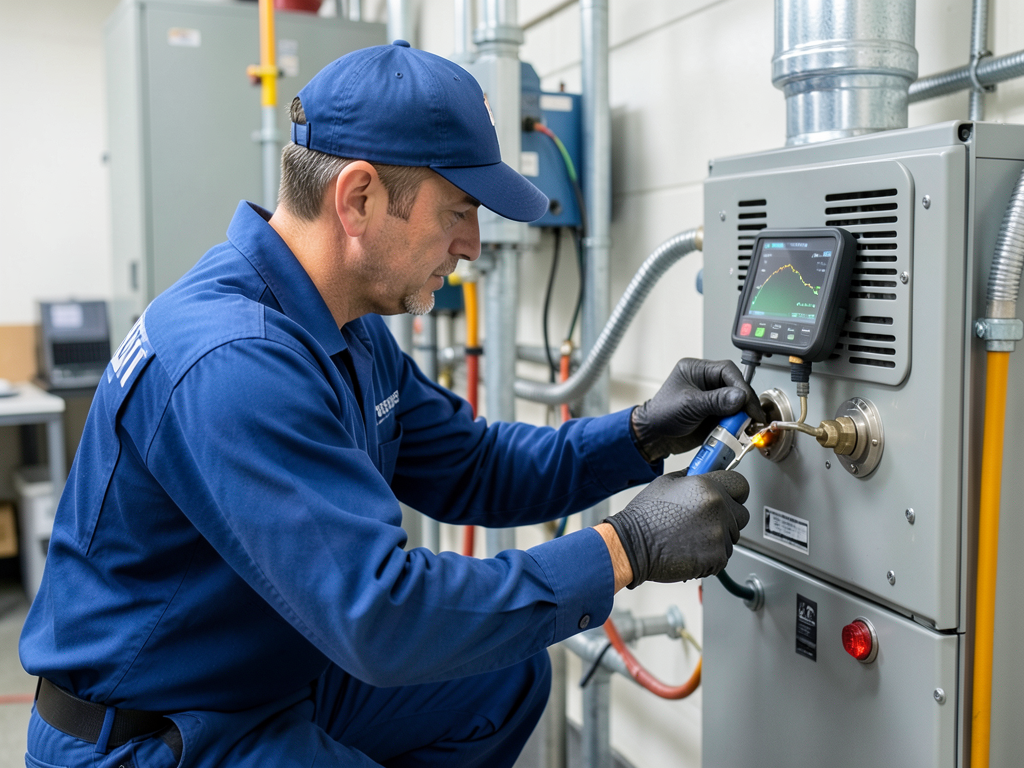
Technician performing combustion analysis on a high-efficiency furnace showing proper flame color and gas pressure readings.
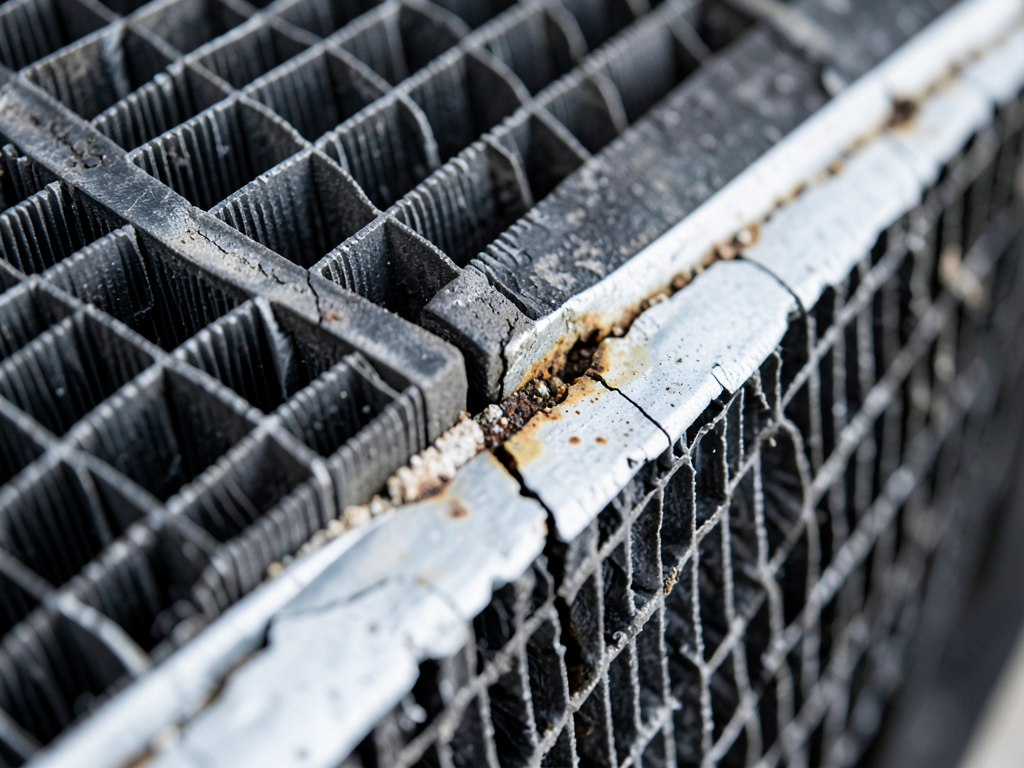
Close-up of a cracked heat exchanger with corrosion around the seam indicating potential carbon monoxide leak point.
Technician using a combustion analyzer to measure oxygen and carbon monoxide levels during a furnace tune up.
Take Action Before Winter Hits Farmington Hills
Don’t wait for your furnace to fail on the coldest night of the year. A thorough tune up now prevents emergency repairs when temperatures plummet. Our technicians know Farmington Hills homes inside and out from the 1960s ranches to newer constructions.
Call (313) 552-7177 today to schedule your comprehensive furnace inspection. We’ll check every critical component test all safety systems and ensure your system runs at peak efficiency all winter long. Pick up the phone and call (313) 552-7177 before the next arctic blast hits Farmington Hills.
{
“@context”: “https://schema.org”,
“@type”: “BlogPosting”,
“headline”: “Avoiding a Winter Breakdown with the Most Thorough Furnace Tune Up in Farmington Hills”,
“description”: “Prevent furnace failures this winter in Farmington Hills with our 24-point tune-up. Avoid breakdowns and costly repairs with expert HVAC service.”,
“wordCount”: 1593,
“datePublished”: “2026-03-09T16:29:00.000Z”,
“dateModified”: “2026-03-09T16:29:00.000Z”,
“inLanguage”: “en-US”,
“mainEntityOfPage”: {
“@type”: “WebPage”,
“@id”: “https://acehvacdetroit.com”
},
“publisher”: {
“@type”: “LocalBusiness”,
“name”: “Ace HVAC Detroit”,
“url”: “https://acehvacdetroit.com”
},
“author”: {
“@type”: “Organization”,
“name”: “Ace HVAC Detroit”,
“url”: “https://acehvacdetroit.com”
},
“image”: {
“@type”: “ImageObject”,
“url”: “https://acehvacdetroit.com/wp-content/uploads/2026/03/avoiding-a-winter-breakdown-with-the-most-thorough-1.png”
}
}
{
“@context”: “https://schema.org”,
“@type”: “HVACBusiness”,
“name”: “Ace HVAC Detroit”,
“url”: “https://acehvacdetroit.com”,
“address”: {
“@type”: “PostalAddress”,
“addressLocality”: “Detroit”
},
“areaServed”: {
“@type”: “City”,
“name”: “Detroit”
}
}
{
“@context”: “https://schema.org”,
“@type”: “FAQPage”,
“mainEntity”: [
{
“@type”: “Question”,
“name”: “How long does a furnace tune up take?”,
“acceptedAnswer”: {
“@type”: “Answer”,
“text”: “A thorough 24-point inspection typically requires 60-90 minutes depending on furnace accessibility and any issues discovered.”
}
},
{
“@type”: “Question”,
“name”: “What areas do you serve in Farmington Hills?”,
“acceptedAnswer”: {
“@type”: “Answer”,
“text”: “We service all of Farmington Hills including the 48334 48335 and 48336 zip codes. Our technicians are familiar with neighborhood-specific challenges from older homes near downtown to newer construction in the north end.”
}
},
{
“@type”: “Question”,
“name”: “Is a tune up really necessary every year?”,
“acceptedAnswer”: {
“@type”: “Answer”,
“text”: “Yes annual maintenance prevents 70% of emergency repairs. Small problems caught early save hundreds in repair costs and prevent dangerous situations like carbon monoxide leaks.”
}
},
{
“@type”: “Question”,
“name”: “What if my furnace is under warranty?”,
“acceptedAnswer”: {
“@type”: “Answer”,
“text”: “Most manufacturers require annual professional maintenance to keep warranties valid. Skipping tune ups can void coverage when you need it most.”
}
},
{
“@type”: “Question”,
“name”: “How much does a typical tune up cost?”,
“acceptedAnswer”: {
“@type”: “Answer”,
“text”: “Standard tune ups range from $150-$250 in Farmington Hills. High-efficiency or difficult-to-access units may cost slightly more. Emergency winter service carries premium rates.”
}
}
]
}
{
“@context”: “https://schema.org”,
“@type”: “HowTo”,
“name”: “Complete Furnace Tune Up Process”,
“step”: [
{
“@type”: “HowToStep”,
“position”: 1,
“name”: “Safety System Check”,
“text”: “Test carbon monoxide detectors flame rollout switches and limit controls. Verify emergency shutoff valves function properly. How to Find Reliable Emergency Furnace Repair in Detroit Before the Next Deep Freeze.”
},
{
“@type”: “HowToStep”,
“position”: 2,
“name”: “Heat Exchanger Inspection”,
“text”: “Examine metal chambers for cracks corrosion or holes using a mirror and flashlight. Even small cracks allow carbon monoxide to leak into living spaces.”
},
{
“@type”: “HowToStep”,
“position”: 3,
“name”: “Burner Assembly Cleaning”,
“text”: “Remove dust soot and debris from burner ports. Clean flame sensors to ensure proper ignition.”
},
{
“@type”: “HowToStep”,
“position”: 4,
“name”: “Blower Motor Service”,
“text”: “Lubricate bearings check belt tension and clean blower wheel. Measure amp draw to verify motor efficiency.”
},
{
“@type”: “HowToStep”,
“position”: 5,
“name”: “Air Filter Replacement”,
“text”: “Install new filter sized for your system. Check return air pathways for blockages.”
},
{
“@type”: “HowToStep”,
“position”: 6,
“name”: “Gas Pressure Verification”,
“text”: “Measure manifold pressure against manufacturer specifications. Adjust if needed for optimal combustion.”
},
{
“@type”: “HowToStep”,
“position”: 7,
“name”: “Thermocouple Testing”,
“text”: “Check pilot safety device response time. Replace if reaction is slow or inconsistent.”
},
{
“@type”: “HowToStep”,
“position”: 8,
“name”: “Flue Pipe Inspection”,
“text”: “Examine vent connections for rust holes or disconnections. Verify proper slope for condensation drainage.”
},
{
“@type”: “HowToStep”,
“position”: 9,
“name”: “Electrical Component Check”,
“text”: “Test capacitors contactors and relays. Tighten all electrical connections.”
},
{
“@type”: “HowToStep”,
“position”: 10,
“name”: “Combustion Analysis”,
“text”: “Measure oxygen carbon monoxide and stack temperature. Adjust air shutters for cleanest burn.”
},
{
“@type”: “HowToStep”,
“position”: 11,
“name”: “Ductwork Inspection”,
“text”: “Check accessible ducts for leaks disconnections or collapsed sections. Measure static pressure.”
},
{
“@type”: “HowToStep”,
“position”: 12,
“name”: “Thermostat Calibration”,
“text”: “Verify temperature accuracy and cycle timing. Replace batteries if needed.”
},
{
“@type”: “HowToStep”,
“position”: 13,
“name”: “Ignition System Test”,
“text”: “Check hot surface igniter or spark module operation. Measure resistance if applicable.”
},
{
“@type”: “HowToStep”,
“position”: 14,
“name”: “Gas Valve Operation”,
“text”: “Verify valve opens fully and holds pressure. Check for gas leaks with soap solution.”
},
{
“@type”: “HowToStep”,
“position”: 15,
“name”: “Pressure Switch Function”,
“text”: “Test switch activation and deactivation. Verify proper venting pressure.”
},
{
“@type”: “HowToStep”,
“position”: 16,
“name”: “Rollout Switch Check”,
“text”: “Confirm safety switch trips at correct temperature. Test reset function.”
},
{
“@type”: “HowToStep”,
“position”: 17,
“name”: “Limit Control Testing”,
“text”: “Verify high-limit switch shuts down furnace at unsafe temperatures.”
},
{
“@type”: “HowToStep”,
“position”: 18,
“name”: “Fan Control Calibration”,
“text”: “Check fan on/off temperatures. Adjust if cycling is erratic.”
},
{
“@type”: “HowToStep”,
“position”: 19,
“name”: “Condensate Drain Cleaning”,
“text”: “Clear blockages in drain lines. Treat with algaecide to prevent future clogs.”
},
{
“@type”: “HowToStep”,
“position”: 20,
“name”: “Belts and Pulleys”,
“text”: “Inspect for wear cracks or glazing. Adjust tension or replace as needed.”
},
{
“@type”: “HowToStep”,
“position”: 21,
“name”: “Airflow Measurement”,
“text”: “Test temperature rise across heat exchanger. Verify airflow meets design specifications.”
},
{
“@type”: “HowToStep”,
“position”: 22,
“name”: “Sound Level Check”,
“text”: “Listen for unusual noises that indicate bearing wear or loose components.”
},
{
“@type”: “HowToStep”,
“position”: 23,
“name”: “System Performance Test”,
“text”: “Run furnace through complete heating cycle. Monitor operation for smooth starts and stops.”
},
{
“@type”: “HowToStep”,
“position”: 24,
“name”: “Final Safety Verification”,
“text”: “Retest all safety controls. Document findings and recommendations.”
}
],
“image”: “https://acehvacdetroit.com/wp-content/uploads/2026/03/avoiding-a-winter-breakdown-with-the-most-thorough-1.png”
}
{
“@context”: “https://schema.org”,
“@type”: “BreadcrumbList”,
“itemListElement”: [
{
“@type”: “ListItem”,
“position”: 1,
“name”: “Home”,
“item”: “https://acehvacdetroit.com”
},
{
“@type”: “ListItem”,
“position”: 2,
“name”: “Blog”,
“item”: “https://acehvacdetroit.com/blog”
},
{
“@type”: “ListItem”,
“position”: 3,
“name”: “Avoiding a Winter Breakdown with the Most Thorough Furnace Tune Up in Farmington Hills”
}
]
}
{
“@context”: “https://schema.org”,
“@type”: “Service”,
“serviceType”: “HVAC”,
“provider”: {
“@type”: “LocalBusiness”,
“name”: “Ace HVAC Detroit”,
“url”: “https://acehvacdetroit.com”
},
“areaServed”: {
“@type”: “City”,
“name”: “Detroit”
},
“description”: “Prevent furnace failures this winter in Farmington Hills with our 24-point tune-up. Avoid breakdowns and costly repairs with expert HVAC service.”
}