
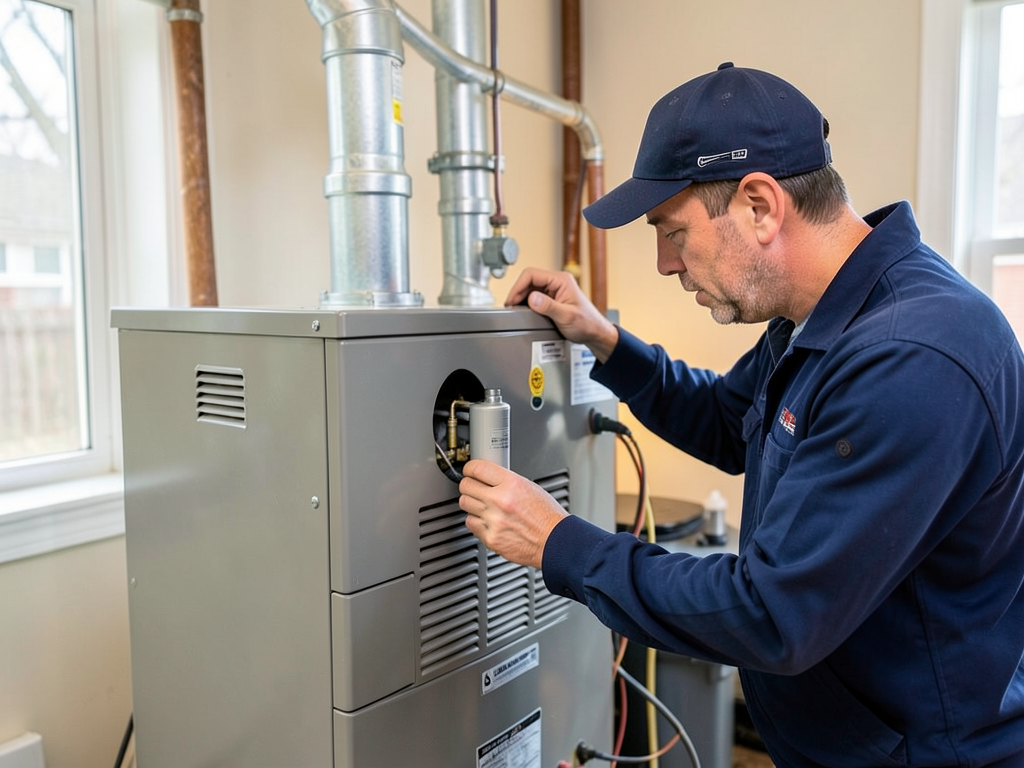
Comparing Steam and Evaporative Humidifiers for Large Homes in Rochester
Choosing between steam and evaporative humidifiers for your large Rochester home depends on several factors including your home’s size, your heating system, and your maintenance preferences. Rochester’s climate presents unique challenges with dry winter air that can drop indoor relative humidity below 20%, causing static electricity, respiratory discomfort, and damage to wood flooring and furniture. Storm Damage HVAC Repair.
How Steam and Evaporative Humidifiers Work
Steam humidifiers create humidity by boiling water independently of your furnace, while evaporative humidifiers use your furnace’s heat to evaporate water from a wick or pad. Steam units provide faster humidity response and work with any heating system, including heat pumps. Evaporative units are more energy-efficient but require your furnace to be running to produce humidity.
Key Differences Between Steam and Evaporative Humidifiers
| Feature | Steam Humidifier | Evaporative Humidifier |
|---|---|---|
| Installation Cost | $600-$1,200 | $250-$600 |
| Monthly Operating Cost | $15-$30 (electricity) | $5-$15 (water) |
| Humidity Output | 10-34 gallons per day | 6-17 gallons per day |
| Maintenance Frequency | Every 6-12 months | Every 3-6 months |
| Ideal Square Footage | 2,500+ sq ft | 1,500-3,000 sq ft |
Why Rochester Homes Need Special Consideration
Rochester’s location in Oakland County means dealing with hard water that contains high mineral content. This affects steam humidifiers by causing scale buildup in the boiling chamber, requiring more frequent cleaning or replacement of the electrode canister. Evaporative units in Rochester often need more frequent pad changes due to mineral deposits that reduce efficiency.
The 2021 Michigan Plumbing Code requires proper drainage for all whole-house humidifiers to prevent water damage. Steam units need a dedicated drain line, while evaporative units require overflow protection. Both must comply with local mechanical permit requirements when installed in Rochester homes. The Best Local AC Installation Specialists for Homeowners in Royal Oak.
Maintenance Requirements for Each Type
Steam humidifiers require replacing the electrode canister every 6-12 months depending on water hardness. The boiling chamber needs cleaning to remove mineral scale, and the water level sensor should be checked annually. Most steam units have a pressure relief valve that must be tested to prevent dangerous pressure buildup.
Evaporative humidifiers need the water panel or pad replaced every 3-6 months. The water distribution tray should be cleaned to prevent mold growth, and the drain line needs inspection for clogs. The humidistat requires calibration to ensure accurate humidity control.
Which Humidifier Works Best for Your Rochester Home?
For homes over 3,000 square feet or those with high ceilings, steam humidifiers provide better humidity distribution. They work independently of your furnace, making them ideal for Rochester’s variable winter temperatures. Steam units also handle larger air volumes more effectively than evaporative models.
Evaporative humidifiers work well for homes between 1,500 and 3,000 square feet with forced-air heating systems. They’re more energy-efficient and cost less to operate long-term. However, they won’t work with heat pump systems unless you have a dual-fuel setup with a gas furnace.
Energy Costs and Efficiency in Rochester
Steam humidifiers use electricity to boil water, typically adding $15-$30 monthly to your DTE Energy bill during winter months. Evaporative units use minimal electricity but waste 30-50% of water through the drain, which can add $5-$15 monthly to water costs depending on usage.
The energy efficiency difference becomes more significant in Rochester’s climate where furnaces run frequently. Steam units provide immediate humidity but at a higher operational cost. Evaporative units are slower to respond but more economical for continuous operation.
Installation Considerations for Rochester Homes
Steam humidifiers require a 110V or 220V electrical connection and a dedicated drain line. They install directly into the ductwork near the furnace. The installation must include a pressure relief valve and overflow protection to meet Michigan mechanical codes. Why You Need a Dedicated Air Conditioning Repair Service in Birmingham Michigan.
Evaporative units install on the return or supply side of the furnace and connect to the water supply and drain. They require less electrical work but need proper water filtration to prevent mineral buildup. The installation must ensure the water panel is accessible for regular maintenance.
Health and Comfort Benefits
Both humidifier types help maintain optimal indoor humidity levels between 30-50%, reducing respiratory irritation and static electricity. Steam units produce cleaner steam without minerals or microorganisms, while evaporative units may introduce some airborne minerals depending on water quality.
Proper humidity control protects wood flooring, musical instruments, and artwork from cracking due to dry air. It also reduces dust mite populations and can help prevent the spread of airborne viruses, which is particularly important during Rochester’s cold and flu season.
Smart Home Integration
Modern steam and evaporative humidifiers offer Wi-Fi connectivity for remote monitoring and control. They integrate with smart thermostats from Honeywell, Ecobee, and Nest, allowing automatic humidity adjustments based on outdoor temperature and indoor conditions. Some models provide maintenance alerts and water usage tracking through smartphone apps. Modern HVAC Solutions for Historic Grosse Pointe Homes (Without Ruining the Aesthetics).
The humidistat control is crucial for both types. Steam units typically have more precise digital controls, while evaporative units may use simpler analog controls. Smart integration helps optimize performance and prevent over-humidification that can lead to condensation and mold growth.
Cost Comparison Over Five Years
| Cost Factor | Steam Humidifier | Evaporative Humidifier |
|---|---|---|
| Initial Purchase | $600-$1,200 | $250-$600 |
| Installation | $300-$500 | $200-$400 |
| 5-Year Maintenance | $400-$800 | $200-$400 |
| 5-Year Operating Cost | $900-$1,500 | $300-$750 |
| Total 5-Year Cost | $2,200-$3,000 | $950-$2,150 |
Making Your Decision
Consider your home’s specific needs when choosing between steam and evaporative humidifiers. Steam units provide superior performance for larger homes and those with special humidity requirements like hardwood flooring or musical instruments. They’re also better for heat pump systems that don’t produce enough heat for evaporative units.
Evaporative humidifiers offer better value for smaller to medium-sized homes with forced-air heating. They’re simpler to maintain and cost less to operate long-term. The decision ultimately depends on your home’s size, heating system, and how much you’re willing to spend on installation and operation.
Call (313) 552-7177 today to schedule your inspection and get a personalized recommendation for your Rochester home. Our NATE-certified technicians will evaluate your specific needs and help you choose the right humidifier for optimal comfort and efficiency.
Frequently Asked Questions
How much does it cost to install a whole-house humidifier in Rochester?
Installation costs range from $200 to $500 depending on the type of humidifier and your home’s existing infrastructure. Steam units typically cost more to install due to electrical requirements.
Can I install a humidifier myself?
DIY installation is possible but not recommended. Professional installation ensures proper sizing, code compliance, and warranty protection. Incorrect installation can cause water damage or electrical hazards. Fast and Professional Boiler Repair Services in Corktown and Midtown Detroit.
How often should I replace the humidifier pad or canister?
Evaporative pads need replacement every 3-6 months, while steam electrode canisters typically last 6-12 months depending on water hardness and usage patterns.
Will a humidifier increase my energy bills?
Yes, but the increase is modest. Steam units add $15-$30 monthly to electricity costs, while evaporative units add minimal electricity costs but may increase water usage by $5-$15 monthly.
What humidity level should I maintain in winter?
Maintain 30-50% relative humidity. Lower levels prevent condensation on windows, while higher levels can cause moisture problems in walls and attics.
Can a humidifier damage my furnace?
When properly installed and maintained, humidifiers won’t damage your furnace. However, poor installation or lack of maintenance can cause corrosion or electrical issues.
Do I need a permit to install a whole-house humidifier in Rochester?
Most installations require a mechanical permit from the City of Rochester. Professional installers typically handle permit requirements as part of the installation process.
How do I know if my home needs a humidifier?
Signs include static electricity, dry skin and throat, cracking wood furniture, and condensation on windows. A hygrometer can measure indoor humidity levels to determine if supplementation is needed.
Can I use a humidifier with a heat pump system?
Yes, but steam humidifiers work better with heat pumps since they don’t rely on furnace heat. Evaporative units may not produce enough humidity with heat pump-only systems.
What maintenance do I need to perform?
Regular maintenance includes replacing pads or canisters, cleaning mineral deposits, checking water connections, and testing humidistat accuracy. Professional maintenance annually ensures optimal performance. For more information, visit EPA Indoor Air Quality Guidelines. For more information, visit ASHRAE Humidification Standards.