
Converting Your Old Chimney Venting to a High Efficiency Sidewall Exit in Wyandotte
Older Wyandotte homes often rely on aging masonry chimneys to vent natural draft furnaces. These systems lose significant energy through the flue and pose safety risks as chimney liners deteriorate. Upgrading to a high-efficiency furnace with sidewall venting eliminates chimney dependency, improves energy savings, and meets modern safety codes. This guide covers the technical requirements, local code compliance, and practical steps for converting your Wyandotte home’s venting system. Modern HVAC Solutions for Historic Grosse Pointe Homes (Without Ruining the Aesthetics).
Why High-Efficiency Furnaces Need Different Venting
High-efficiency furnaces extract more heat from combustion gases, leaving them cool and acidic. Traditional chimneys cannot handle these conditions because condensation corrodes masonry and metal liners. Modern units use sealed plastic venting systems that direct exhaust outside through a sidewall opening, preventing backdraft and protecting indoor air quality.
Key Differences Between Venting Systems
| Feature | Traditional Chimney | High-Efficiency Sidewall |
|---|---|---|
| Material | Masonry or metal | PVC or CPVC |
| Venting Method | Natural draft | Fan-assisted |
| Energy Loss | High | Minimal |
| Condensate Handling | Not applicable | Requires drain line |
Choosing the Right Vent Pipe Material
High-efficiency furnaces require specific plastic venting materials rated for acidic condensate and high temperatures. PVC Schedule 40 works for most installations, but CPVC handles higher heat in some models. Polypropylene offers superior chemical resistance and is ideal for extreme conditions. Selecting the wrong material risks vent failure and carbon monoxide leaks. The Best Local AC Installation Specialists for Homeowners in Royal Oak.
Material Comparison for Michigan Conditions
| Material | Max Temp | Best Use | Cost Range |
|---|---|---|---|
| PVC Schedule 40 | 140°F | Standard 90%+ AFUE | $$ |
| CPVC | 180°F | High-heat models | $$$ |
| Polypropylene | 230°F | Industrial or harsh | $$$$ |
Understanding Michigan Venting Code Requirements
Michigan Residential Code Section M1601 governs furnace venting. Sidewall terminations must maintain specific clearances from windows, doors, and air intakes to prevent exhaust re-entry. In Wyandotte, frost lines reach 42 inches, requiring buried vent runs to be installed below this depth or properly insulated. Vent pipes must slope back toward the furnace at 1/4 inch per foot to drain condensate. Michigan Residential Code.
Required Clearance Distances
- 12 inches above grade or snow level
- 12 inches from operable windows or doors
- 3 feet from gas meters or other combustion appliances
- 12 inches from adjacent walls or fences
Step-by-Step Conversion Process
Converting from chimney to sidewall venting involves several critical steps. Each phase ensures safe operation and code compliance.
- Assessment and Planning
Inspect existing chimney condition, measure vent distances, and determine optimal sidewall exit point. Check local permit requirements through Wyandotte Building Department.
- Permitting
Obtain mechanical permit from the city. Submit furnace specifications and venting diagrams showing compliance with Michigan Code.
- Installation Preparation
Shut off gas and power. Remove old vent connector from chimney. Prepare wall opening with proper framing and flashing.
- Vent Pipe Assembly
Install vent pipes using correct primer and cement. Maintain required slope. Use approved elbows to navigate obstacles without exceeding bend limits.
- Termination Installation
Mount termination cap with proper clearances. Install rodent guard and frost shield if needed for Wyandotte winters.
- Condensate Management
Connect condensate drain line to floor drain or pump. Install neutralizer to protect plumbing from acidic water.
- Testing and Inspection
Pressure test vent system. Verify proper draft with manometer. Conduct carbon monoxide safety check. Schedule final inspection with city.
Common Installation Mistakes to Avoid
Even small errors in venting installation can cause dangerous conditions. Understanding typical mistakes helps prevent costly rework and safety hazards.. Read more about Understanding AFUE Ratings and How Much They Really Save Dearborn Homeowners.
Top Installation Errors
- Incorrect pipe slope causing water traps
- Insufficient clearance to windows or air intakes
- Using incorrect cement or primer for plastic pipes
- Over-bending vent pipes beyond manufacturer limits
- Improper termination cap installation allowing rain entry
- Neglecting condensate neutralizer installation
Wyandotte-Specific Considerations
Wyandotte’s location along the Detroit River creates unique challenges for furnace venting. High humidity levels increase condensation risks, while frequent freeze-thaw cycles can block vent terminations with ice. Many Wyandotte homes built between 1920-1950 have brick construction that requires careful penetration sealing to prevent moisture intrusion.
The city’s building department enforces strict mechanical code compliance. Recent inspections have focused on proper vent clearances from property lines, especially in older neighborhoods where homes sit close together. Snow accumulation from Lake Erie-effect storms can exceed 24 inches, making proper vent height critical. Storm Damage HVAC Repair.
Safety Testing After Installation
Proper testing ensures your new venting system operates safely. Carbon monoxide detectors should be installed on every level of your home, with one within 10 feet of sleeping areas. Professional testing includes draft measurement, flue gas analysis, and visual inspection of all connections. Fast and Professional Boiler Repair Services in Corktown and Midtown Detroit.
Safety Check Procedures
- Verify proper draft pressure at vent termination
- Check for CO levels below 25 ppm at furnace
- Inspect all pipe joints for leaks using smoke test
- Confirm condensate drain flows freely
- Test all safety switches and pressure sensors
Energy Efficiency Benefits
Converting to high-efficiency venting delivers immediate energy savings. Modern furnaces achieve 90-98% AFUE ratings compared to 60-70% for older models. Eliminating chimney drafts prevents heated air loss during off-cycles. Condensate heat recovery further improves efficiency by capturing waste heat.
Many Wyandotte homeowners see 20-30% reductions in heating costs after conversion. DTE Energy offers rebates for high-efficiency equipment, potentially covering 10-15% of installation costs. The investment typically pays for itself within 5-7 years through energy savings. DTE Energy Rebates.
Maintenance Requirements
High-efficiency venting systems require regular maintenance to ensure safe operation. Annual inspections should check vent terminations for blockages, verify pipe integrity, and test safety controls. Condensate traps need periodic cleaning to prevent clogs.
Recommended Maintenance Schedule
- Monthly: Visual inspection of vent termination
- Seasonally: Check for ice or snow blockage
- Annually: Professional system cleaning and testing
- Every 5 years: Complete vent system inspection
Frequently Asked Questions
Can I keep my old chimney if I convert to high-efficiency?
Most homeowners choose to seal the chimney after conversion to prevent drafts and moisture issues. However, if you plan to keep a fireplace, the chimney can remain open while the furnace vents separately.
How long does a conversion typically take?
Most conversions require 1-2 days for complete installation and testing. Permitting may add 1-2 weeks depending on Wyandotte’s building department schedule.
Will I need to modify my furnace location?
Sidewall venting often allows you to keep your furnace in the same location. However, if the ideal vent path requires extensive piping, moving the unit might reduce material costs.
What happens if my vent freezes in winter?
Proper installation includes heat tape on exposed pipes and termination caps designed to prevent ice buildup. If freezing occurs, the furnace’s pressure switch will shut down operation as a safety measure.
Cost Considerations
Conversion costs vary based on home configuration and chosen equipment. Basic conversions typically range from $3,000-$5,000, while complex installations with extensive pipe runs may reach $7,000-$10,000. These costs include permits, materials, and professional installation.
Additional expenses may include chimney sealing ($500-$1,500) or electrical upgrades if required. Factor in potential energy rebates and long-term utility savings when evaluating the investment.
Choosing a Qualified Contractor
High-efficiency venting requires specialized knowledge and proper licensing. Look for contractors with NATE certification, Michigan mechanical licenses, and specific experience with sidewall venting conversions in older homes.
Ask potential contractors about their experience with Wyandotte building codes, permit handling, and warranty offerings. Request references from similar conversion projects in your area.

Diagram showing proper sidewall vent termination clearances from windows, doors, and ground level according to Michigan Residential Code.
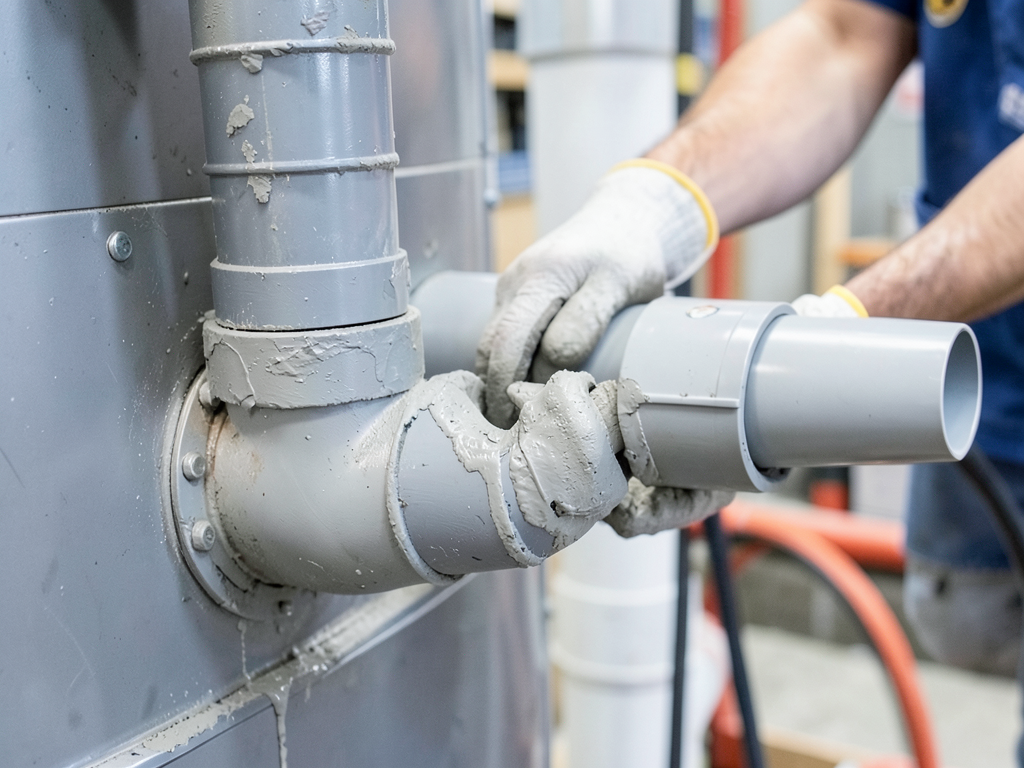
Photo of a completed high-efficiency furnace conversion showing PVC vent pipe routing through exterior wall with proper slope and termination cap.
Close-up of condensate neutralizer installation showing connection to drain line and warning label about acidic water disposal.
Ready to Upgrade Your Wyandotte Home?
Converting your old chimney venting to high-efficiency sidewall exit improves safety, increases energy efficiency, and eliminates chimney maintenance headaches. With proper installation and code compliance, you’ll enjoy reliable heating for years to come. How to Find Reliable Emergency Furnace Repair in Detroit Before the Next Deep Freeze.
Call (313) 552-7177 today to schedule your free consultation and learn how we can help you make the switch. Our licensed technicians understand Wyandotte’s specific requirements and will handle everything from permitting to final inspection.
Don’t wait until winter arrives. Pick up the phone and call (313) 552-7177 now to ensure your home stays warm and safe this heating season.
{
“@context”: “https://schema.org”,
“@type”: “BlogPosting”,
“headline”: “Converting Your Old Chimney Venting to a High Efficiency Sidewall Exit in Wyandotte”,
“description”: “Upgrade your Wyandotte home’s heating system by converting old chimney venting to modern high-efficiency sidewall exits. Learn codes, safety, and installation.”,
“wordCount”: 1396,
“datePublished”: “2026-05-23T10:31:00.000Z”,
“dateModified”: “2026-05-23T10:31:00.000Z”,
“inLanguage”: “en-US”,
“mainEntityOfPage”: {
“@type”: “WebPage”,
“@id”: “https://acehvacdetroit.com”
},
“publisher”: {
“@type”: “LocalBusiness”,
“name”: “Ace HVAC Detroit”,
“url”: “https://acehvacdetroit.com”
},
“author”: {
“@type”: “Organization”,
“name”: “Ace HVAC Detroit”,
“url”: “https://acehvacdetroit.com”
},
“image”: {
“@type”: “ImageObject”,
“url”: “https://acehvacdetroit.com/wp-content/uploads/2026/03/converting-your-old-chimney-venting-to-a-high-effi-1.png”
}
}
{
“@context”: “https://schema.org”,
“@type”: “HVACBusiness”,
“name”: “Ace HVAC Detroit”,
“url”: “https://acehvacdetroit.com”,
“address”: {
“@type”: “PostalAddress”,
“addressLocality”: “Detroit”
},
“areaServed”: {
“@type”: “City”,
“name”: “Detroit”
}
}
{
“@context”: “https://schema.org”,
“@type”: “FAQPage”,
“mainEntity”: [
{
“@type”: “Question”,
“name”: “Can I keep my old chimney if I convert to high-efficiency?”,
“acceptedAnswer”: {
“@type”: “Answer”,
“text”: “Most homeowners choose to seal the chimney after conversion to prevent drafts and moisture issues. However, if you plan to keep a fireplace, the chimney can remain open while the furnace vents separately.”
}
},
{
“@type”: “Question”,
“name”: “How long does a conversion typically take?”,
“acceptedAnswer”: {
“@type”: “Answer”,
“text”: “Most conversions require 1-2 days for complete installation and testing. Permitting may add 1-2 weeks depending on Wyandotte’s building department schedule.”
}
},
{
“@type”: “Question”,
“name”: “Will I need to modify my furnace location?”,
“acceptedAnswer”: {
“@type”: “Answer”,
“text”: “Sidewall venting often allows you to keep your furnace in the same location. However, if the ideal vent path requires extensive piping, moving the unit might reduce material costs.”
}
},
{
“@type”: “Question”,
“name”: “What happens if my vent freezes in winter?”,
“acceptedAnswer”: {
“@type”: “Answer”,
“text”: “Proper installation includes heat tape on exposed pipes and termination caps designed to prevent ice buildup. If freezing occurs, the furnace’s pressure switch will shut down operation as a safety measure.”
}
},
{
“@type”: “Question”,
“name”: “Ready to Upgrade Your Wyandotte Home?”,
“acceptedAnswer”: {
“@type”: “Answer”,
“text”: “Converting your old chimney venting to high-efficiency sidewall exit improves safety, increases energy efficiency, and eliminates chimney maintenance headaches. With proper installation and code compliance, you’ll enjoy reliable heating for years to come. How to Find Reliable Emergency Furnace Repair in Detroit Before the Next Deep Freeze.”
}
}
]
}
{
“@context”: “https://schema.org”,
“@type”: “HowTo”,
“name”: “How to Convert Chimney Venting to Sidewall”,
“step”: [
{
“@type”: “HowToStep”,
“position”: 1,
“name”: “Assessment and Planning”,
“text”: “Inspect existing chimney condition, measure vent distances, and determine optimal sidewall exit point. Check local permit requirements through Wyandotte Building Department.”
},
{
“@type”: “HowToStep”,
“position”: 2,
“name”: “Permitting”,
“text”: “Obtain mechanical permit from the city. Submit furnace specifications and venting diagrams showing compliance with Michigan Code.”
},
{
“@type”: “HowToStep”,
“position”: 3,
“name”: “Installation Preparation”,
“text”: “Shut off gas and power. Remove old vent connector from chimney. Prepare wall opening with proper framing and flashing.”
},
{
“@type”: “HowToStep”,
“position”: 4,
“name”: “Vent Pipe Assembly”,
“text”: “Install vent pipes using correct primer and cement. Maintain required slope. Use approved elbows to navigate obstacles without exceeding bend limits.”
},
{
“@type”: “HowToStep”,
“position”: 5,
“name”: “Termination Installation”,
“text”: “Mount termination cap with proper clearances. Install rodent guard and frost shield if needed for Wyandotte winters.”
},
{
“@type”: “HowToStep”,
“position”: 6,
“name”: “Condensate Management”,
“text”: “Connect condensate drain line to floor drain or pump. Install neutralizer to protect plumbing from acidic water.”
},
{
“@type”: “HowToStep”,
“position”: 7,
“name”: “Testing and Inspection”,
“text”: “Pressure test vent system. Verify proper draft with manometer. Conduct carbon monoxide safety check. Schedule final inspection with city.”
}
],
“image”: “https://acehvacdetroit.com/wp-content/uploads/2026/03/converting-your-old-chimney-venting-to-a-high-effi-1.png”
}
{
“@context”: “https://schema.org”,
“@type”: “BreadcrumbList”,
“itemListElement”: [
{
“@type”: “ListItem”,
“position”: 1,
“name”: “Home”,
“item”: “https://acehvacdetroit.com”
},
{
“@type”: “ListItem”,
“position”: 2,
“name”: “Blog”,
“item”: “https://acehvacdetroit.com/blog”
},
{
“@type”: “ListItem”,
“position”: 3,
“name”: “Converting Your Old Chimney Venting to a High Efficiency Sidewall Exit in Wyandotte”
}
]
}
{
“@context”: “https://schema.org”,
“@type”: “Service”,
“serviceType”: “HVAC”,
“provider”: {
“@type”: “LocalBusiness”,
“name”: “Ace HVAC Detroit”,
“url”: “https://acehvacdetroit.com”
},
“areaServed”: {
“@type”: “City”,
“name”: “Detroit”
},
“description”: “Upgrade your Wyandotte home’s heating system by converting old chimney venting to modern high-efficiency sidewall exits. Learn codes, safety, and installation.”
}