
Heating and Cooling Your New Backyard ADU or Tiny Home in Detroit
Building a backyard ADU or tiny home in Detroit means preparing for Michigan’s brutal winters and humid summers. The right HVAC system keeps your small space comfortable year-round while meeting local building codes and energy efficiency standards. This guide covers everything you need to know about heating and cooling your Detroit ADU, from system selection to installation requirements. Michigan Residential Code.
The Unique Challenges of Tiny Home Climate Control in Detroit
Detroit’s climate creates specific challenges for small space heating and cooling. Our winters regularly drop below zero, while summer humidity often exceeds 80 percent. These extreme conditions demand HVAC systems that can handle both ends of the temperature spectrum efficiently.
Space constraints in tiny homes and ADUs make traditional HVAC installations difficult. Limited wall space means you need compact units that don’t sacrifice performance. The high insulation values required for energy efficiency in small spaces also create ventilation challenges that must be addressed.
Detroit’s aging electrical infrastructure in many neighborhoods means you need to consider power requirements carefully. Some areas still operate on older electrical panels that may need upgrades to support modern HVAC equipment.
Golden Nugget #1: Detroit’s climate zone falls under Zone 5 for heating and Zone 4 for cooling according to the International Energy Conservation Code, requiring specific insulation and HVAC sizing that differs from national averages.
Top 4 HVAC Solutions for Small Spaces
Choosing the right HVAC system for your Detroit ADU depends on your space, budget, and comfort preferences. Here are the four most effective options for tiny homes and accessory dwelling units.
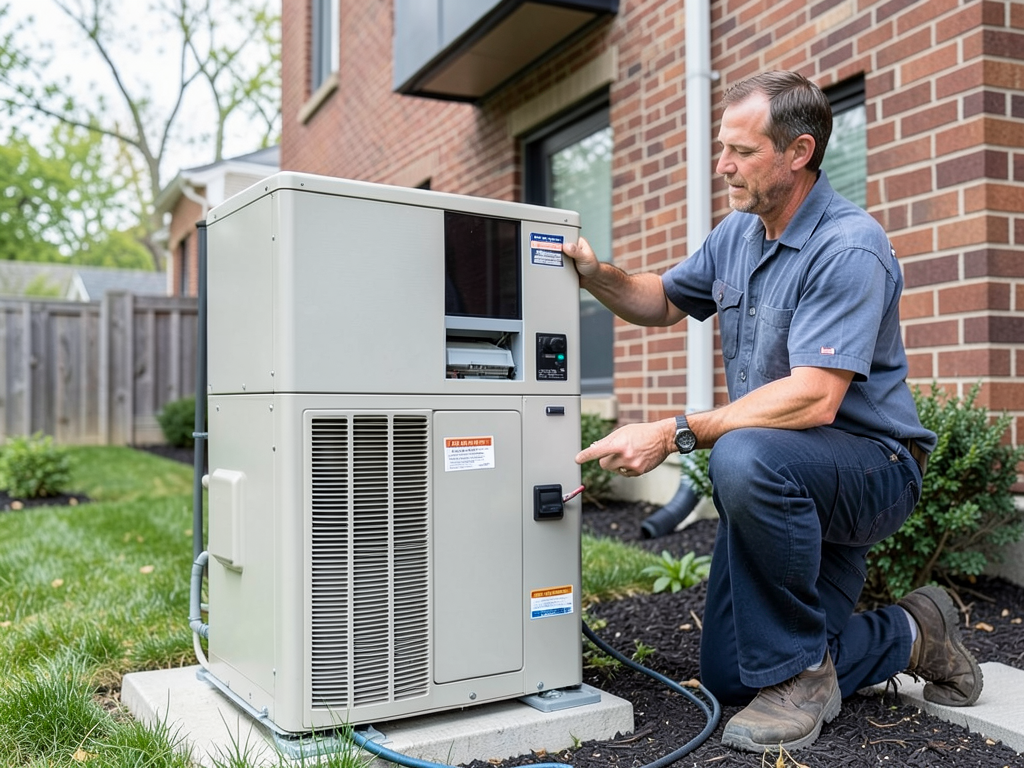
Diagram showing four different HVAC system types installed in a typical 400-square-foot ADU layout.
Ductless Mini-Split Systems
Mini-splits offer the most efficient solution for tiny homes. These systems consist of an outdoor compressor unit connected to one or more indoor air handlers. They require no ductwork, making them ideal for small spaces where every square foot counts.
Modern mini-splits achieve SEER2 ratings up to 22, meaning they use significantly less electricity than traditional systems. For Detroit winters, look for models with cold-climate ratings that can operate efficiently at temperatures as low as -15°F.
Installation typically takes one to two days and requires mounting the indoor unit on an exterior wall and running refrigerant lines through a small hole. The compact design allows for ceiling, wall, or floor mounting depending on your space layout.
Through-the-Wall Heat Pumps
Through-the-wall units work well when you need both heating and cooling in a single, compact package. These self-contained units mount directly in an exterior wall and don’t require outdoor equipment.
Modern through-the-wall heat pumps can heat effectively down to 20°F, making them suitable for most Detroit winters. However, they may need supplemental heating during extreme cold snaps when temperatures drop below zero.
These units typically cost less upfront than mini-splits but use more electricity over time. They work best in spaces under 500 square feet where the single-unit design simplifies installation.
High-Velocity HVAC Systems
High-velocity systems use small, flexible ducts that fit in tight spaces. The ducts are only two inches in diameter, allowing installation in walls, ceilings, and even floor cavities where traditional ductwork won’t fit.
These systems deliver conditioned air at high speeds, creating better air circulation in small spaces. The compact air handlers can fit in closets or utility areas, preserving your living space.
While more expensive to install than mini-splits, high-velocity systems provide whole-home comfort without the wall-mounted indoor units that some homeowners prefer to avoid.
Electric Baseboard Heat with Window AC
For the most budget-friendly option, electric baseboard heating paired with window air conditioning units provides basic climate control. This combination works best in mild climates or as a temporary solution. Why You Need a Dedicated Air Conditioning Repair Service in Birmingham Michigan.
Electric baseboards are inexpensive to purchase but costly to operate, especially during Detroit’s long heating season. Window AC units provide cooling but can be noisy and obstruct windows.
This option requires the least installation work but offers the lowest energy efficiency and comfort levels compared to other systems.
Sizing Your Unit: BTU Calculations for Detroit Winters
Proper sizing ensures your HVAC system maintains comfort without wasting energy. For tiny homes and ADUs, accurate calculations are even more critical since oversizing wastes valuable space and money.
Detroit’s climate requires approximately 30-35 BTU per square foot for heating in well-insulated tiny homes. This higher requirement compared to national averages accounts for our extreme winter temperatures.
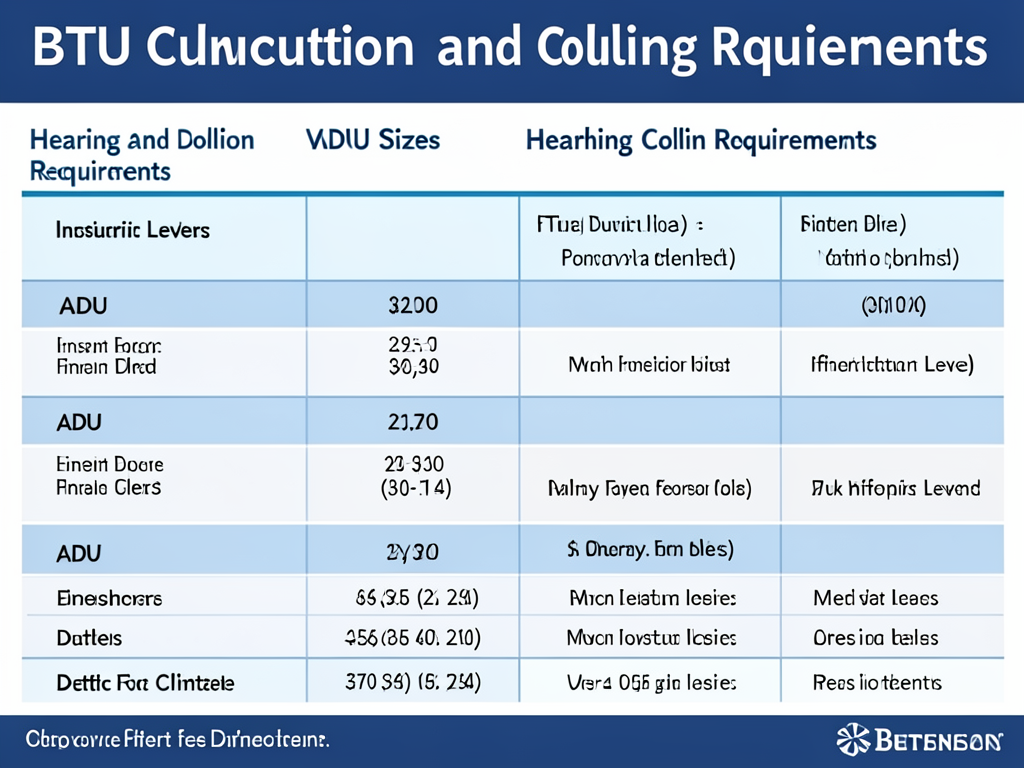
BTU calculation chart showing heating and cooling requirements for various ADU sizes with different insulation levels.
Factors affecting your BTU requirements include:
- Insulation quality and R-values
- Number and size of windows
- Ceiling height
- Local climate zone
- Air infiltration rates
For a typical 400-square-foot ADU in Detroit with good insulation, you’ll need approximately 12,000-14,000 BTU for heating and 9,000-11,000 BTU for cooling.
Golden Nugget #2: Michigan’s 2023 energy code updates require R-20 minimum wall insulation and R-49 ceiling insulation for new ADUs, which can reduce your heating load by up to 30 percent compared to older construction standards.
Off-Grid vs. On-Grid Considerations
Power availability significantly impacts your HVAC choices for Detroit ADUs. Most properties connect to DTE Energy’s grid, but some tiny home owners prefer off-grid solutions. DTE Energy rebates.
On-grid systems offer the most reliable performance and lowest upfront costs. Mini-splits and heat pumps connect easily to standard 240-volt circuits and provide consistent heating and cooling throughout the year. How to Find Reliable Emergency Furnace Repair in Detroit Before the Next Deep Freeze.
Off-grid options require careful planning. Solar-powered HVAC systems need substantial battery storage to handle Detroit’s cloudy winters. A typical 400-square-foot ADU might need 8-10 kW of solar panels plus 20+ kWh of battery storage to run a heat pump through a winter night.
Propane furnaces provide an alternative for off-grid locations. Modern direct-vent propane units achieve 95 percent efficiency and can heat small spaces effectively. However, you’ll need propane delivery service and proper ventilation for safe operation.
Golden Nugget #3: DTE Energy offers specific rebates for high-efficiency mini-split installations in ADUs, with current incentives up to $500 per ton of cooling capacity for units meeting SEER2 requirements of 18 or higher.
Local Regulations and Tiny House Zoning in Detroit
Detroit’s zoning laws for ADUs and tiny homes continue evolving. Current regulations require permits for all HVAC installations and specific compliance with mechanical codes.
The City of Detroit requires mechanical permits for any heating or cooling system installation. This includes mini-splits, heat pumps, and even window units in some cases. Permit fees typically range from $75 to $200 depending on system size.
Building codes mandate carbon monoxide detectors for any space with combustion heating. This applies to propane furnaces, gas fireplaces, and even some wood stoves commonly used in tiny homes.
Ventilation requirements are particularly strict for tiny homes due to their airtight construction. The Michigan Residential Code requires either mechanical ventilation or operable windows that provide at least 4 percent of floor area for fresh air exchange.
For off-grid systems, electrical inspections verify proper grounding and circuit protection. Propane installations require additional inspections for gas line sizing and venting compliance with National Fire Protection Association standards.
Installation Cost Breakdown for Detroit Market
HVAC installation costs in Detroit vary based on system type, installation complexity, and local labor rates. Here’s what you can expect for a typical 400-square-foot ADU.
| System Type | Equipment Cost | Installation Cost | Total Cost |
|---|---|---|---|
| Ductless Mini-Split | $2,500 – $4,000 | $1,200 – $2,000 | $3,700 – $6,000 |
| Through-the-Wall Heat Pump | $1,200 – $2,000 | $800 – $1,500 | $2,000 – $3,500 |
| High-Velocity System | $3,500 – $5,000 | $2,500 – $4,000 | $6,000 – $9,000 |
| Electric Baseboard + Window AC | $800 – $1,500 | $300 – $800 | $1,100 – $2,300 |
These estimates include basic installation but not electrical upgrades, permits, or specialized ductwork modifications that may be necessary for your specific property.
Energy Efficiency and Operating Costs
Energy efficiency directly impacts your monthly utility bills, especially during Detroit’s long heating season. Understanding operating costs helps you choose the most economical system for your needs.
Mini-splits typically cost $30-$50 per month to operate during winter in a 400-square-foot ADU, assuming average Detroit electricity rates of $0.16 per kWh. Through-the-wall heat pumps cost $40-$70 per month due to lower efficiency ratings.
Propane furnaces cost approximately $80-$120 per month during winter, depending on propane prices and furnace efficiency. While the upfront equipment cost is lower, operating costs are significantly higher than electric heat pumps.
High-efficiency systems often qualify for federal tax credits under the Inflation Reduction Act, providing up to 30 percent of equipment costs as a credit. DTE Energy also offers rebates for qualifying high-efficiency equipment, potentially saving you $500 or more on installation.
Maintenance Requirements for Small Space HVAC
Proper maintenance extends equipment life and maintains efficiency in your tiny home HVAC system. Small spaces accumulate dust and debris quickly, making regular cleaning essential.
Air filters should be checked monthly and replaced every 2-3 months. In tiny homes, filters often need more frequent replacement due to limited air volume and higher dust concentration.
Outdoor units require annual cleaning to remove leaves, dirt, and debris that can reduce efficiency. In Detroit, fall leaf accumulation and spring pollen create particular challenges for outdoor equipment.
Condensate drains in mini-splits should be checked annually for clogs that can cause water damage. The small spaces in ADUs mean any water leaks can cause significant damage quickly. Storm Damage HVAC Repair.
Professional maintenance every two years ensures refrigerant levels remain optimal and electrical connections stay secure. This preventive care helps avoid costly emergency repairs during extreme weather. Fast and Professional Boiler Repair Services in Corktown and Midtown Detroit.
Choosing the Right HVAC Contractor in Detroit
Selecting an experienced contractor familiar with tiny homes and ADUs makes a significant difference in system performance and installation quality. Look for contractors with specific experience in small space HVAC applications.
Verify contractor licensing through the Michigan Department of Licensing and Regulatory Affairs. Detroit requires HVAC contractors to hold valid state licenses and carry appropriate insurance coverage.
Ask potential contractors about their experience with specific system types you’re considering. A contractor who has installed dozens of mini-splits in tiny homes will understand the unique challenges these installations present.
Get multiple quotes but don’t automatically choose the lowest price. Quality installation often matters more than equipment brand for system longevity and efficiency.
Golden Nugget #4: Detroit’s building code section 1303.4 specifically addresses HVAC sizing for small residential units, requiring Manual J calculations for any system over 5 tons or in spaces under 1,000 square feet.
Frequently Asked Questions
What’s the most energy-efficient HVAC option for a Detroit ADU?
Ductless mini-split heat pumps offer the best energy efficiency for Detroit ADUs, achieving SEER2 ratings up to 22 while providing reliable heating down to -15°F in cold-climate models.
Do I need a permit to install HVAC in my backyard ADU?
Yes, Detroit requires mechanical permits for all HVAC installations. Permit fees range from $75 to $200 depending on system size and complexity.
How long does HVAC installation take for a tiny home?
Most mini-split installations take one to two days. Through-the-wall units can be installed in a single day, while high-velocity systems may require three to five days depending on complexity.
Can I install the HVAC system myself to save money?
DIY HVAC installation is not recommended and may violate local codes. Professional installation ensures proper sizing, safe operation, and warranty protection for your equipment.
What maintenance does a tiny home HVAC system need?
Monthly filter checks, annual outdoor unit cleaning, and professional maintenance every two years keep your system running efficiently and prevent costly repairs.
Get Professional HVAC Help for Your Detroit ADU
Choosing the right HVAC system for your Detroit ADU or tiny home requires expertise in both small space design and Michigan’s extreme climate. The wrong choice can mean uncomfortable living conditions and high utility bills for years to come.
Our team specializes in HVAC solutions for tiny homes and accessory dwelling units throughout the Detroit metro area. We understand the unique challenges of heating and cooling small spaces efficiently while meeting all local building codes and energy requirements.
We offer free consultations to evaluate your specific needs, assess your property’s electrical capacity, and recommend the most cost-effective solution for your budget. Our installations include all necessary permits, professional workmanship, and comprehensive warranties on both equipment and labor.
Don’t let Michigan’s harsh winters or humid summers make your ADU uncomfortable. Call (313) 552-7177 today to schedule your free consultation. We’ll help you choose the perfect HVAC system that keeps your tiny home comfortable year-round while maximizing energy efficiency and minimizing operating costs.
Pick up the phone and call (313) 552-7177 before the next storm hits. Your comfort can’t wait, and neither should you.
Learn more about our specialized HVAC services for historic Detroit homes
See why Royal Oak homeowners trust us with their HVAC installations