
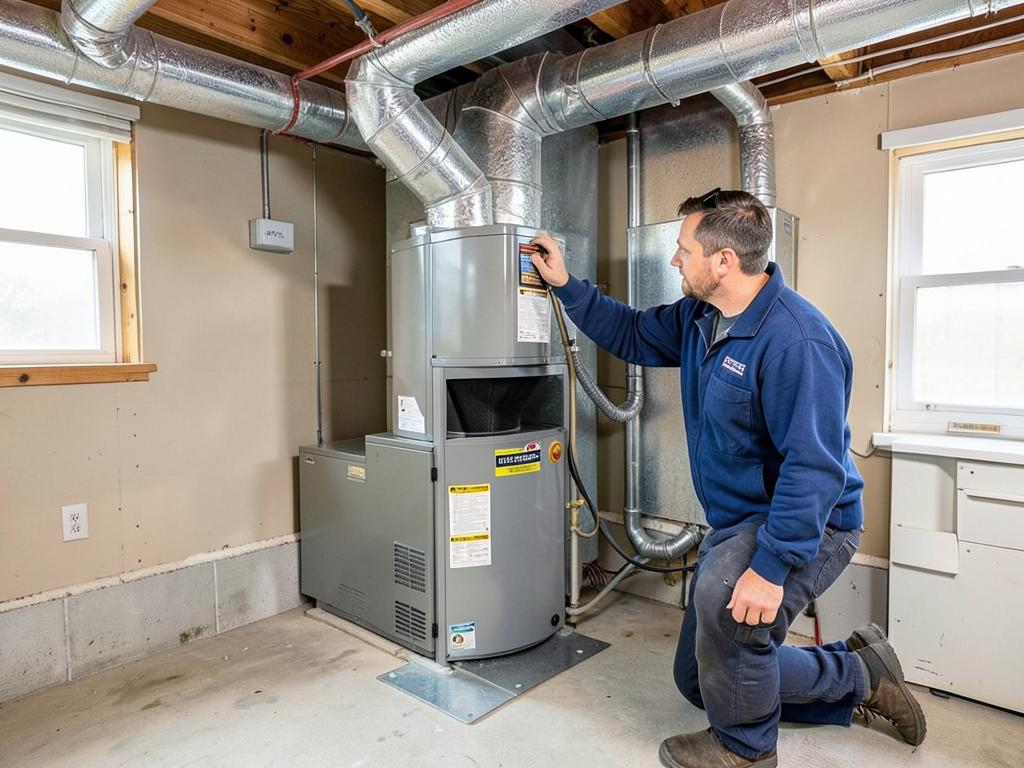
Improving Your Indoor Air Quality in West Bloomfield with Whole House Filtration
West Bloomfield homeowners face unique air quality challenges thanks to Michigan’s dramatic seasonal shifts and the area’s proximity to lakes. From spring pollen storms to winter’s sealed-up homes trapping dust and pet dander, your indoor air can be five times more polluted than outdoor air. Whole house filtration systems offer a comprehensive solution that portable units simply cannot match. Storm Damage HVAC Repair.
Professional installation of high-efficiency filters and air purification technology can remove up to 99.97% of airborne particles, including allergens, mold spores, and even some bacteria. This means fewer allergy symptoms, less dust buildup, and a healthier living environment for your family. The Best Local AC Installation Specialists for Homeowners in Royal Oak.
How Michigan’s Climate Affects Your Home’s Air Quality
West Bloomfield’s location near multiple lakes creates a microclimate that significantly impacts indoor air. Summer humidity levels often exceed 80%, creating ideal conditions for mold growth and dust mite populations. Winter brings the opposite problem: sealed homes with limited ventilation trap pollutants inside.
The area’s seasonal pollen patterns are particularly aggressive. Tree pollen peaks in April and May, grass pollen dominates June and July, and ragweed takes over August through October. Without proper filtration, these allergens circulate continuously through your HVAC system.
Whole House vs. Portable Air Purifiers: The Technical Difference
Portable air purifiers clean only one room at a time and require frequent filter changes. Whole house systems integrate directly with your existing HVAC equipment, treating all the air in your home as it passes through the system.
The key advantage is air exchange rate. A whole house system processes your entire home’s air volume 4-6 times per hour, while a portable unit might filter a single room’s air only 2-3 times per hour. This continuous circulation ensures consistent air quality throughout every space.
Whole house systems also eliminate the noise and floor space requirements of multiple portable units. They operate silently within your ductwork, with only the sound of your regular HVAC system.
HEPA Filtration Technology Explained
High-Efficiency Particulate Air (HEPA) filters capture particles as small as 0.3 microns with 99.97% efficiency. To put this in perspective, a human hair is about 70 microns wide. These filters trap pollen, pet dander, dust mites, and even some bacteria and viruses. EPA Indoor Air Quality Information.
Standard HVAC filters typically capture particles 10 microns or larger. Upgrading to HEPA filtration means capturing particles 30 times smaller than what standard filters can trap.
The filtration process works through a combination of interception, impaction, and diffusion. Larger particles crash into filter fibers, medium particles get caught trying to navigate the maze-like structure, and microscopic particles bounce around until they hit a fiber.
UV-C Germicidal Lights for HVAC Systems
Ultraviolet germicidal irradiation (UV-C) technology adds another layer of protection by neutralizing microorganisms that pass through your system. UV-C light at 254 nanometers damages the DNA of bacteria, viruses, and mold spores, preventing them from reproducing.
Installation typically occurs near the evaporator coil where condensation creates a breeding ground for mold. The UV light keeps this area sanitized, preventing mold growth that could spread throughout your ductwork.
Many West Bloomfield homeowners report reduced musty odors and less frequent allergy symptoms after installing UV-C systems. The technology works continuously, providing 24/7 protection without affecting your system’s energy efficiency.
Humidity Control Solutions for Michigan Homes
Michigan’s humidity swings create air quality problems year-round. Summer humidity promotes mold growth and makes your air conditioner work harder. Winter dryness can cause respiratory irritation and static electricity.
Whole house dehumidifiers integrate with your HVAC system to maintain optimal humidity levels between 30-50%. This range prevents mold growth while keeping your air comfortable. These systems can remove up to 90 pints of moisture per day from your home’s air.
During winter months, whole house humidifiers add moisture back into the air, preventing the dry throat and sinus problems that plague many Michigan residents. Properly humidified air also feels warmer, potentially allowing you to lower your thermostat setting.
Air Scrubber Plus Technology
Air Scrubber Plus systems use NASA-inspired technology to create oxidizing molecules that actively neutralize contaminants in your home. Unlike passive filters that only trap particles, Air Scrubber Plus technology sends cleaning molecules throughout your entire home.
The system produces hydro-peroxides, hydroxyls, and super-oxide ions that break down volatile organic compounds (VOCs), odors, and biological contaminants. These molecules circulate through your home, reaching areas that filters cannot access.
Installation takes less than an hour and integrates with your existing ductwork. The technology is particularly effective at reducing cooking odors, pet smells, and chemical fumes from household cleaners.
Smart Home Integration and Modern Thermostats
Modern whole house filtration systems can integrate with smart home platforms like Nest, Ecobee, and Honeywell Home. This allows you to monitor air quality in real-time and receive alerts when filters need replacement. Modern HVAC Solutions for Historic Grosse Pointe Homes (Without Ruining the Aesthetics).
Smart integration also enables automatic fan operation. Your system can run the fan independently of heating or cooling cycles, ensuring continuous air filtration even when temperature control isn’t needed.
Many systems now offer mobile apps that track filter life, air quality metrics, and energy usage. This data helps you optimize performance and schedule maintenance proactively.
Installation Process and Timeline
Professional installation of a whole house filtration system typically takes 2-4 hours, depending on your existing HVAC configuration. The process begins with an assessment of your current system to ensure compatibility. Fast and Professional Boiler Repair Services in Corktown and Midtown Detroit.
Installation involves mounting the filter housing, connecting it to your ductwork, and wiring it to your HVAC control board. For UV-C systems, the light assembly mounts near the evaporator coil or in the return air duct.
After installation, technicians test the system for proper airflow and seal all connections to prevent air bypass. They also program any smart features and demonstrate operation to the homeowner.
Maintenance Requirements and Filter Replacement
Whole house filtration systems require minimal maintenance compared to portable units. Most HEPA filters need replacement every 6-12 months, depending on usage and environmental factors.
UV-C bulbs typically last 12-24 months before losing effectiveness. Many systems include indicator lights that alert you when replacement is needed.
Professional maintenance includes checking seal integrity, cleaning filter housings, and testing system performance. Annual maintenance ensures optimal efficiency and extends the life of your equipment.
Cost Considerations and Energy Efficiency
Initial investment for whole house filtration ranges from $800 to $2,500, depending on system complexity and home size. While this exceeds the cost of portable units, the long-term benefits often justify the expense.
Energy costs increase minimally, typically $3-7 per month, as the system only adds slight resistance to airflow. Many homeowners find this offset by reduced HVAC maintenance needs and improved system efficiency.
Factor in the cost savings from reduced allergy medication, fewer doctor visits, and extended HVAC equipment life when evaluating the investment.
Common Air Quality Problems in West Bloomfield Homes
Older homes in West Bloomfield often have duct systems that accumulate dust and debris over decades. This contamination continuously recirculates through your home unless properly filtered.
Lake-effect humidity creates persistent moisture problems in basements and crawl spaces, leading to mold growth that can spread through your HVAC system. Whole house filtration helps contain these issues.
Many West Bloomfield homes use natural gas for heating, creating potential carbon monoxide concerns. While not a filtration issue, proper air quality systems often include monitoring capabilities for added safety.
Benefits Beyond Allergy Relief
Whole house filtration provides benefits that extend far beyond allergy symptom reduction. Cleaner air means less dust accumulation on furniture and electronics, reducing cleaning time and protecting sensitive equipment.
Improved air quality can lead to better sleep quality, as your body isn’t constantly fighting airborne irritants. Many users report waking up with clearer sinuses and less morning congestion.
For homes with young children or elderly residents, cleaner air reduces the risk of respiratory infections and can help manage chronic conditions like asthma.
Frequently Asked Questions
Will whole house filtration reduce my energy bills?
While the system itself uses minimal additional energy, cleaner coils and ductwork can improve your HVAC efficiency by 5-15%. This can lead to modest energy savings over time.
How long does installation take?
Most installations complete within 2-4 hours. Complex systems or homes with difficult access may require additional time, but disruption to your daily routine is minimal.
Can I install this myself?
Professional installation ensures proper integration with your existing HVAC system and maintains warranty coverage. DIY installation risks improper sealing, reduced efficiency, and potential system damage.
What about radon?
Whole house filtration does not address radon gas. If you’re concerned about radon, separate mitigation systems are required. However, filtration can help remove radon decay products that attach to dust particles.
Choosing the Right System for Your Home
System selection depends on your specific concerns and home characteristics. For allergy sufferers, HEPA filtration with activated carbon provides the most comprehensive solution. For odor control, Air Scrubber Plus technology excels.
Home size determines filter capacity requirements. A 2,000 square foot home needs different specifications than a 4,000 square foot estate. Professional assessment ensures you get the right system for your needs.
Consider your existing HVAC equipment age and condition. Older systems may need modifications to accommodate high-efficiency filters without restricting airflow.
Call (313) 552-7177 Today to Schedule Your Inspection
Don’t let another season pass with poor indoor air quality affecting your family’s health and comfort. Our West Bloomfield air quality specialists can assess your home’s specific needs and recommend the perfect filtration solution.
Call (313) 552-7177 today to schedule your comprehensive air quality inspection. We’ll test your current air quality, evaluate your HVAC system, and provide a detailed quote with no pressure or hidden fees. For more information, visit ASHRAE Air Filtration Standards.
Breathe easier tomorrow. Call (313) 552-7177 now and take the first step toward cleaner, healthier air in your West Bloomfield home.
{
“@context”: “https://schema.org”,
“@type”: “BlogPosting”,
“headline”: “Improving Your Indoor Air Quality in West Bloomfield with Whole House Filtration”,
“description”: “Breathe cleaner air in your West Bloomfield home with professional whole house filtration. Learn how HEPA systems and UV lights combat Michigan’s seasonal allergens.”,
“wordCount”: 1665,
“datePublished”: “2026-02-26T14:18:00.000Z”,
“dateModified”: “2026-02-26T14:18:00.000Z”,
“inLanguage”: “en-US”,
“mainEntityOfPage”: {
“@type”: “WebPage”,
“@id”: “https://acehvacdetroit.com”
},
“publisher”: {
“@type”: “LocalBusiness”,
“name”: “Ace HVAC Detroit”,
“url”: “https://acehvacdetroit.com”
},
“author”: {
“@type”: “Organization”,
“name”: “Ace HVAC Detroit”,
“url”: “https://acehvacdetroit.com”
},
“image”: {
“@type”: “ImageObject”,
“url”: “https://acehvacdetroit.com/wp-content/uploads/2026/03/improving-your-indoor-air-quality-in-west-bloomfie-1-1.png”
}
}
{
“@context”: “https://schema.org”,
“@type”: “HVACBusiness”,
“name”: “Ace HVAC Detroit”,
“url”: “https://acehvacdetroit.com”,
“address”: {
“@type”: “PostalAddress”,
“addressLocality”: “Detroit”
},
“areaServed”: {
“@type”: “City”,
“name”: “Detroit”
}
}
{
“@context”: “https://schema.org”,
“@type”: “FAQPage”,
“mainEntity”: [
{
“@type”: “Question”,
“name”: “Will whole house filtration reduce my energy bills?”,
“acceptedAnswer”: {
“@type”: “Answer”,
“text”: “While the system itself uses minimal additional energy, cleaner coils and ductwork can improve your HVAC efficiency by 5-15%. This can lead to modest energy savings over time.”
}
},
{
“@type”: “Question”,
“name”: “How long does installation take?”,
“acceptedAnswer”: {
“@type”: “Answer”,
“text”: “Most installations complete within 2-4 hours. Complex systems or homes with difficult access may require additional time, but disruption to your daily routine is minimal.”
}
},
{
“@type”: “Question”,
“name”: “Can I install this myself?”,
“acceptedAnswer”: {
“@type”: “Answer”,
“text”: “Professional installation ensures proper integration with your existing HVAC system and maintains warranty coverage. DIY installation risks improper sealing, reduced efficiency, and potential system damage.”
}
},
{
“@type”: “Question”,
“name”: “What about radon?”,
“acceptedAnswer”: {
“@type”: “Answer”,
“text”: “Whole house filtration does not address radon gas. If you’re concerned about radon, separate mitigation systems are required. However, filtration can help remove radon decay products that attach to dust particles.”
}
}
]
}
{
“@context”: “https://schema.org”,
“@type”: “BreadcrumbList”,
“itemListElement”: [
{
“@type”: “ListItem”,
“position”: 1,
“name”: “Home”,
“item”: “https://acehvacdetroit.com”
},
{
“@type”: “ListItem”,
“position”: 2,
“name”: “Blog”,
“item”: “https://acehvacdetroit.com/blog”
},
{
“@type”: “ListItem”,
“position”: 3,
“name”: “Improving Your Indoor Air Quality in West Bloomfield with Whole House Filtration”
}
]
}
{
“@context”: “https://schema.org”,
“@type”: “Service”,
“serviceType”: “HVAC”,
“provider”: {
“@type”: “LocalBusiness”,
“name”: “Ace HVAC Detroit”,
“url”: “https://acehvacdetroit.com”
},
“areaServed”: {
“@type”: “City”,
“name”: “Detroit”
},
“description”: “Breathe cleaner air in your West Bloomfield home with professional whole house filtration. Learn how HEPA systems and UV lights combat Michigan’s seasonal allergens.”
}