
Is a MERV 13 Filter Too Powerful for Your Grosse Ile HVAC System?
High-efficiency air filters sound great for cleaner indoor air but they can also put serious strain on your HVAC system. MERV 13 filters trap more particles than standard filters but they also create higher static pressure. If your Grosse Ile home has an older furnace or narrow ductwork the extra resistance can cause your blower motor to work harder than it was designed to. That extra strain leads to higher energy bills, reduced airflow, and even system breakdowns during Michigan’s coldest winters.
Before you upgrade to a MERV 13 filter you need to know if your HVAC system can handle the pressure drop. This guide explains how static pressure works, what happens when it’s too high, and how to keep your system running safely and efficiently in Grosse Ile.
Understanding MERV 13 and HVAC Static Pressure
MERV stands for Minimum Efficiency Reporting Value. It measures how well a filter captures airborne particles. A MERV 13 filter removes 90% of particles between 1 and 3 microns including pollen, mold spores, and some bacteria. That’s much better than a basic MERV 8 filter which only captures about 70% of those particles.
The trade-off is pressure drop. As air moves through a filter it meets resistance. Higher MERV ratings mean denser filter media and more resistance. This resistance is measured in inches of water column (in. w.c.). Most residential HVAC systems are designed for a total external static pressure (TESP) of 0.5 in. w.c. or less. A MERV 13 filter can add 0.2 to 0.3 in. w.c. of pressure drop on its own. If your system already has high static pressure from dirty coils, undersized ducts, or a failing blower motor the extra resistance can push it over the limit.
Is MERV 13 Too Restrictive for Detroit Homes?
Detroit’s housing stock includes many homes built between the 1940s and 1970s. These homes often have narrow sheet metal ducts designed for gravity furnaces that moved air slowly by natural convection. When those systems were converted to forced-air furnaces the blowers had to push air through the same small ducts at much higher velocities.
In Grosse Ile many of these older duct systems still exist. A MERV 13 filter in a home with 6-inch round ducts and a standard permanent split capacitor (PSC) blower motor can cause serious airflow problems. PSC motors run at one speed and cannot adjust to higher static pressure. They simply work harder until they overheat or fail.
Modern homes in newer Detroit suburbs often have larger ductwork and electronically commutated motor (ECM) blowers. ECM motors can sense static pressure and adjust their speed to maintain proper airflow. These systems handle MERV 13 filters much better but they still need to be tested to confirm safe operation. Modern HVAC Solutions for Historic Grosse Pointe Homes (Without Ruining the Aesthetics).
The Data: MERV 8 vs. MERV 11 vs. MERV 13 Pressure Drop
Filter resistance varies by media type and surface area. Here’s how common 1-inch pleated filters compare:
| Filter Type | Initial Pressure Drop | Typical Lifespan | Best For |
|---|---|---|---|
| MERV 8 | 0.08 in. w.c. | 60-90 days | Basic dust and pollen |
| MERV 11 | 0.15 in. w.c. | 45-60 days | Pet dander and mold spores |
| MERV 13 | 0.25 in. w.c. | 30-45 days | Fine particles and bacteria |
A 4-inch thick MERV 13 media filter has much lower resistance than a 1-inch filter because it has more surface area. A 4-inch filter might only add 0.10 in. w.c. of pressure drop while a 1-inch MERV 13 can add 0.25 in. w.c. or more.
Signs Your Filter is Killing Your Blower Motor
Restricted airflow from a high-resistance filter shows up in several ways. You might notice weak airflow from vents even when the system is running. Rooms may heat or cool unevenly because air isn’t reaching them. The system may run longer cycles trying to satisfy the thermostat.
A struggling blower motor often makes a humming sound before it fails. You might hear whistling noises from vents or gaps in the ductwork as air fights to get through. In extreme cases the evaporator coil can freeze over because not enough warm air passes over it to absorb heat. Frozen coils cause the system to shut down completely until they thaw.
During heating season a high-pressure drop can cause the heat exchanger to overheat. Modern furnaces have limit switches that shut the burners off if the heat exchanger gets too hot. This creates short cycling where the system turns on and off repeatedly without ever reaching the set temperature.
How to Safely Use MERV 13 in Michigan
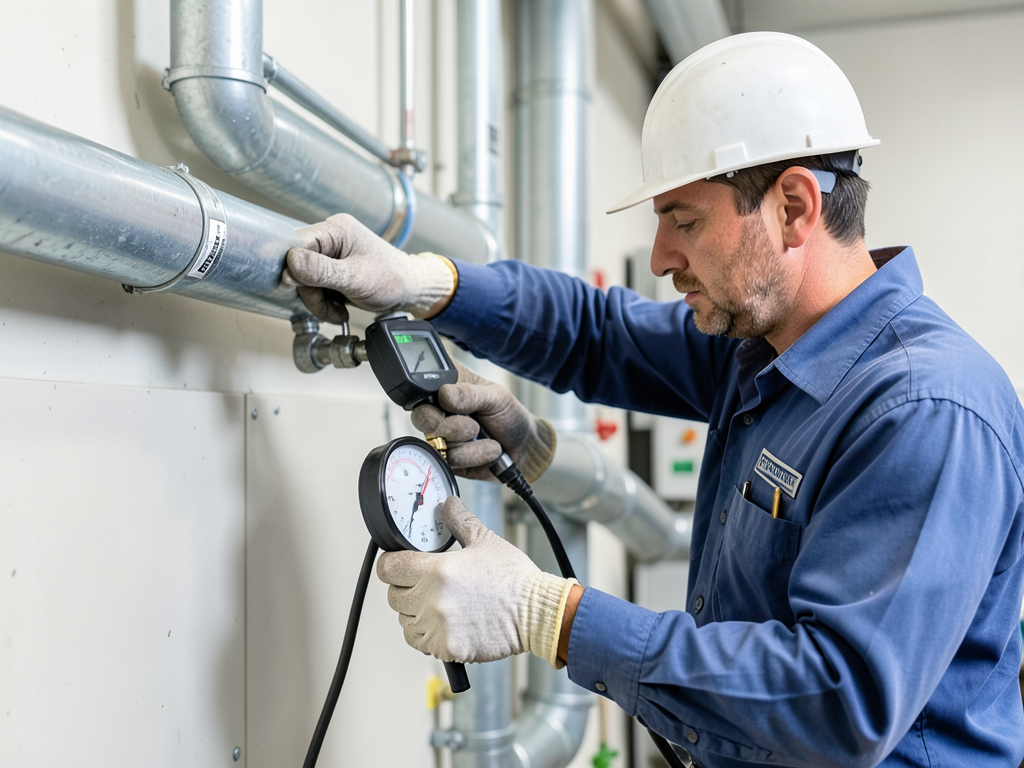
The first step is testing your system’s total external static pressure. A technician uses a manometer to measure pressure at the return and supply ducts. If the reading is above 0.45 in. w.c. with your current filter you need to make changes before upgrading.
One option is switching to a 4-inch media filter cabinet. These install in the return duct and provide much more surface area than a 1-inch filter. They trap the same particles as a 1-inch MERV 13 but with half the pressure drop. The cabinet costs more upfront but the filters last longer and protect your system better.
If your ductwork is too small to handle the extra resistance you may need duct modifications. Adding return air pathways or increasing duct size reduces static pressure. This work requires cutting into walls or ceilings so it’s best done during a larger renovation or when replacing the furnace.
Another solution is upgrading to an ECM blower motor. ECM motors cost more than PSC motors but they adjust their speed based on system demand. They maintain proper airflow even with a high-efficiency filter. Many new furnaces come with ECM motors standard.
Professional Static Pressure Testing in Detroit
Static pressure testing takes about 30 minutes and requires no system shutdown. The technician drills small test ports in the ductwork, inserts pressure probes, and reads the manometer. They test the system with the current filter installed then again with any proposed upgrade.
In Detroit’s humid summers and freezing winters proper airflow is critical for both comfort and equipment life. A system that struggles in mild weather will fail when temperatures hit extremes. Testing gives you concrete data instead of guesswork.
If your system cannot handle MERV 13 you still have options. MERV 11 filters remove most pollen and mold spores while keeping pressure drop low. HEPA filters and electronic air cleaners can provide hospital-grade filtration without restricting airflow. These systems work with your existing ductwork and protect your investment. EPA guide to air cleaners and filters.
Call (313) 552-7177 today to schedule your static pressure test. Our Detroit HVAC experts will measure your system’s performance and recommend the safest, most effective filtration solution for your home.
Frequently Asked Questions
Can a MERV 13 filter damage my furnace?
Yes if your system has high static pressure or an undersized duct system. The extra resistance makes the blower motor work harder which can cause overheating and premature failure.
What’s the difference between MERV 11 and MERV 13?
MERV 13 filters capture smaller particles including some bacteria and smoke. They provide better air quality but create more resistance than MERV 11 filters.. Read more about Keeping Wildfire Smoke and Outdoor Pollutants Out of Your Metro Detroit Home.
How often should I change a MERV 13 filter?
Most 1-inch MERV 13 filters need replacement every 30-45 days. Thicker 4-inch media filters can last 6-12 months but should still be checked regularly.
Is a 4-inch filter better than a 1-inch filter?
Yes for most systems. 4-inch filters have more surface area so they trap the same particles with less pressure drop and last longer between changes.
Can I just remove my filter to improve airflow?
No. Running without a filter allows dust and debris to accumulate on coils and motors. This causes more damage than a high-efficiency filter ever could. Storm Damage HVAC Repair.
Ready to breathe easier without risking your HVAC system? Call (313) 552-7177 to schedule your professional static pressure test. We’ll help you choose the right filter for cleaner air and reliable performance all year long. For more information, visit ASHRAE 52.2 Standard.
You may also find this helpful. Managing Severe Fall Allergies in Sterling Heights with High-Performance Air Filtration.
You may also find this helpful. Removing Chemical Smells and VOCs from Your Newly Built Troy Home.
{
“@context”: “https://schema.org”,
“@type”: “BlogPosting”,
“headline”: “Is a MERV 13 Filter Too Powerful for Your Grosse Ile HVAC System?”,
“description”: “Find out if MERV 13 filters harm your Grosse Ile HVAC system. Learn pressure drop impacts, signs of restricted airflow, and safe solutions from Detroit’s HVAC experts.”,
“wordCount”: 1357,
“datePublished”: “2026-05-21T06:08:00.000Z”,
“dateModified”: “2026-05-21T06:08:00.000Z”,
“inLanguage”: “en-US”,
“mainEntityOfPage”: {
“@type”: “WebPage”,
“@id”: “https://acehvacdetroit.com”
},
“publisher”: {
“@type”: “LocalBusiness”,
“name”: “Ace HVAC Detroit”,
“url”: “https://acehvacdetroit.com”
},
“author”: {
“@type”: “Organization”,
“name”: “Ace HVAC Detroit”,
“url”: “https://acehvacdetroit.com”
},
“image”: {
“@type”: “ImageObject”,
“url”: “https://acehvacdetroit.com/wp-content/uploads/2026/03/is-a-merv-13-filter-too-powerful-for-your-grosse-i-1.png”
}
}
{
“@context”: “https://schema.org”,
“@type”: “HVACBusiness”,
“name”: “Ace HVAC Detroit”,
“url”: “https://acehvacdetroit.com”,
“address”: {
“@type”: “PostalAddress”,
“addressLocality”: “Detroit”
},
“areaServed”: {
“@type”: “City”,
“name”: “Detroit”
}
}
{
“@context”: “https://schema.org”,
“@type”: “FAQPage”,
“mainEntity”: [
{
“@type”: “Question”,
“name”: “Is MERV 13 Too Restrictive for Detroit Homes?”,
“acceptedAnswer”: {
“@type”: “Answer”,
“text”: “Detroit’s housing stock includes many homes built between the 1940s and 1970s. These homes often have narrow sheet metal ducts designed for gravity furnaces that moved air slowly by natural convection. When those systems were converted to forced-air furnaces the blowers had to push air through the same small ducts at much higher velocities.”
}
},
{
“@type”: “Question”,
“name”: “Can a MERV 13 filter damage my furnace?”,
“acceptedAnswer”: {
“@type”: “Answer”,
“text”: “Yes if your system has high static pressure or an undersized duct system. The extra resistance makes the blower motor work harder which can cause overheating and premature failure.”
}
},
{
“@type”: “Question”,
“name”: “What’s the difference between MERV 11 and MERV 13?”,
“acceptedAnswer”: {
“@type”: “Answer”,
“text”: “MERV 13 filters capture smaller particles including some bacteria and smoke. They provide better air quality but create more resistance than MERV 11 filters.”
}
},
{
“@type”: “Question”,
“name”: “How often should I change a MERV 13 filter?”,
“acceptedAnswer”: {
“@type”: “Answer”,
“text”: “Most 1-inch MERV 13 filters need replacement every 30-45 days. Thicker 4-inch media filters can last 6-12 months but should still be checked regularly.”
}
},
{
“@type”: “Question”,
“name”: “Is a 4-inch filter better than a 1-inch filter?”,
“acceptedAnswer”: {
“@type”: “Answer”,
“text”: “Yes for most systems. 4-inch filters have more surface area so they trap the same particles with less pressure drop and last longer between changes.”
}
},
{
“@type”: “Question”,
“name”: “Can I just remove my filter to improve airflow?”,
“acceptedAnswer”: {
“@type”: “Answer”,
“text”: “No. Running without a filter allows dust and debris to accumulate on coils and motors. This causes more damage than a high-efficiency filter ever could. Storm Damage HVAC Repair.”
}
}
]
}
{
“@context”: “https://schema.org”,
“@type”: “BreadcrumbList”,
“itemListElement”: [
{
“@type”: “ListItem”,
“position”: 1,
“name”: “Home”,
“item”: “https://acehvacdetroit.com”
},
{
“@type”: “ListItem”,
“position”: 2,
“name”: “Blog”,
“item”: “https://acehvacdetroit.com/blog”
},
{
“@type”: “ListItem”,
“position”: 3,
“name”: “Is a MERV 13 Filter Too Powerful for Your Grosse Ile HVAC System?”
}
]
}
{
“@context”: “https://schema.org”,
“@type”: “Service”,
“serviceType”: “HVAC”,
“provider”: {
“@type”: “LocalBusiness”,
“name”: “Ace HVAC Detroit”,
“url”: “https://acehvacdetroit.com”
},
“areaServed”: {
“@type”: “City”,
“name”: “Detroit”
},
“description”: “Find out if MERV 13 filters harm your Grosse Ile HVAC system. Learn pressure drop impacts, signs of restricted airflow, and safe solutions from Detroit’s HVAC experts.”
}