
Managing Severe Fall Allergies in Sterling Heights with High-Performance Air Filtration
Fall allergies in Sterling Heights hit hard every September through October when ragweed pollen counts spike across Macomb County. If you wake up congested, sneeze constantly, or deal with itchy eyes during Michigan’s autumn months, the air inside your home might be making things worse. Standard fiberglass furnace filters only catch large dust particles, letting microscopic allergens like ragweed pollen and mold spores circulate freely through your HVAC system.
The solution starts with understanding MERV ratings and choosing filters designed for Michigan’s specific allergy season. A properly selected high-efficiency filter can trap up to 90% of airborne allergens while maintaining proper airflow for your furnace or air conditioner. This guide breaks down exactly what Sterling Heights homeowners need to know about managing severe fall allergies through better air filtration.
Why Detroit Ragweed Season Requires a Specific Filter Strategy
Ragweed plants release pollen from mid-August through October, with peak counts often occurring in mid-September when cool nights and warm days create perfect conditions for pollen release. Detroit’s location near Lake St. Clair and the Clinton River creates microclimates where ragweed thrives in disturbed soil along roadways and abandoned lots.
According to the Asthma and Allergy Foundation of America, a single ragweed plant can produce up to one billion pollen grains. These lightweight particles travel for miles on the wind, meaning you don’t need ragweed in your yard to suffer from symptoms. Sterling Heights’ mix of suburban lawns and wooded areas creates ideal conditions for ragweed to flourish. Asthma and Allergy Foundation of America.
Local air quality data from the Michigan Department of Environment, Great Lakes, and Energy shows that ragweed pollen counts in Macomb County frequently exceed 100 grains per cubic meter during peak season. This level triggers moderate to severe allergy symptoms in sensitive individuals. The Best Local AC Installation Specialists for Homeowners in Royal Oak.
Understanding MERV Ratings: Which Level Stops Pollen?
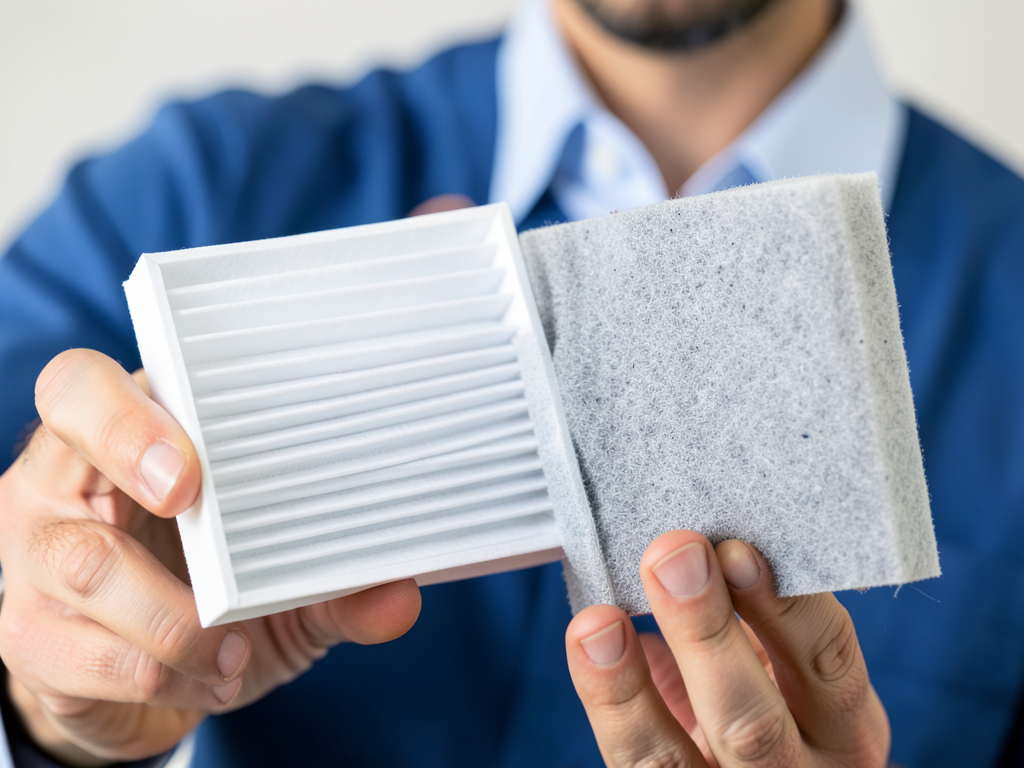
MERV stands for Minimum Efficiency Reporting Value and measures how effectively a filter captures particles of different sizes. For allergy sufferers in Sterling Heights, understanding these ratings is crucial because not all filters perform equally against pollen and other allergens.
| MERV Rating | Pollen Capture Efficiency | Best For | Airflow Impact |
|---|---|---|---|
| MERV 8 | 70-85% for particles 3-10 microns | Dust, lint, mold spores | Minimal |
| MERV 11 | 85-95% for particles 1-3 microns | Pollen, pet dander, dust mites | Low |
| MERV 13 | 90-98% for particles 0.3-1 microns | Fine allergens, smoke, bacteria | Moderate |
Pollen grains range from 10 to 100 microns in size, with ragweed pollen typically measuring 15-25 microns. This means MERV 11 filters can capture most pollen grains, while MERV 13 filters provide additional protection against smaller particles that can penetrate deeper into your lungs.
However, higher MERV ratings create more resistance to airflow. Your HVAC system’s blower motor must work harder to push air through dense filter media. Older furnaces in Sterling Heights’ established neighborhoods like Upton or Dodge Park may struggle with MERV 13 filters, potentially leading to reduced efficiency or system strain.
The National Air Filtration Association recommends MERV 11 as the sweet spot for most residential applications, providing excellent allergen removal without significantly impacting system performance. For homes with severe allergy sufferers or recent respiratory issues, MERV 13 may be worth the slight efficiency trade-off.
Top 4 Recommended Filters for Allergy Relief in Michigan
Based on Detroit-area HVAC system compatibility and local allergen profiles, these filter types offer the best balance of performance and practicality for Sterling Heights homes.
- 3M Filtrete MPR 1500-2200 Series – These filters use electrostatic technology to attract and capture particles. The MPR 1500 (roughly equivalent to MERV 12) captures pollen, pet dander, and dust while maintaining good airflow. They last up to three months and cost around $15-25 each.
- Arm & Hammer Odor & Allergen Reduction Filter – Features activated carbon to help with both allergens and household odors. MERV 11 rated, these filters trap pollen and other allergens while the baking soda helps neutralize odors from pets, cooking, or mustiness common in Michigan basements.
- Honeywell Elite Allergen Pleated Filter – True MERV 11 filter with a pleated design that increases surface area for better particle capture. The reinforced cardboard frame prevents collapse under pressure, making them ideal for older HVAC systems common in Sterling Heights’ 1960s-1980s homes.
- Aprilaire Space-Gard Replacement Filter – Designed for Aprilaire whole-house air cleaners, these MERV 13 filters provide hospital-grade filtration. They require professional installation but capture particles as small as 0.3 microns, including bacteria and smoke.
When selecting filters, always check your HVAC system’s specifications. Most manufacturers recommend specific MERV ratings to maintain warranty coverage and optimal performance. Installing a filter with too high a MERV rating can void warranties and cause system damage. Storm Damage HVAC Repair.
The Trade-off: High-Efficiency Filters vs. HVAC System Strain
Installing a high-MERV filter creates additional resistance in your HVAC system. Think of it like breathing through a dust mask versus an oxygen mask – both filter air, but one requires significantly more effort. Your furnace blower motor experiences the same challenge.
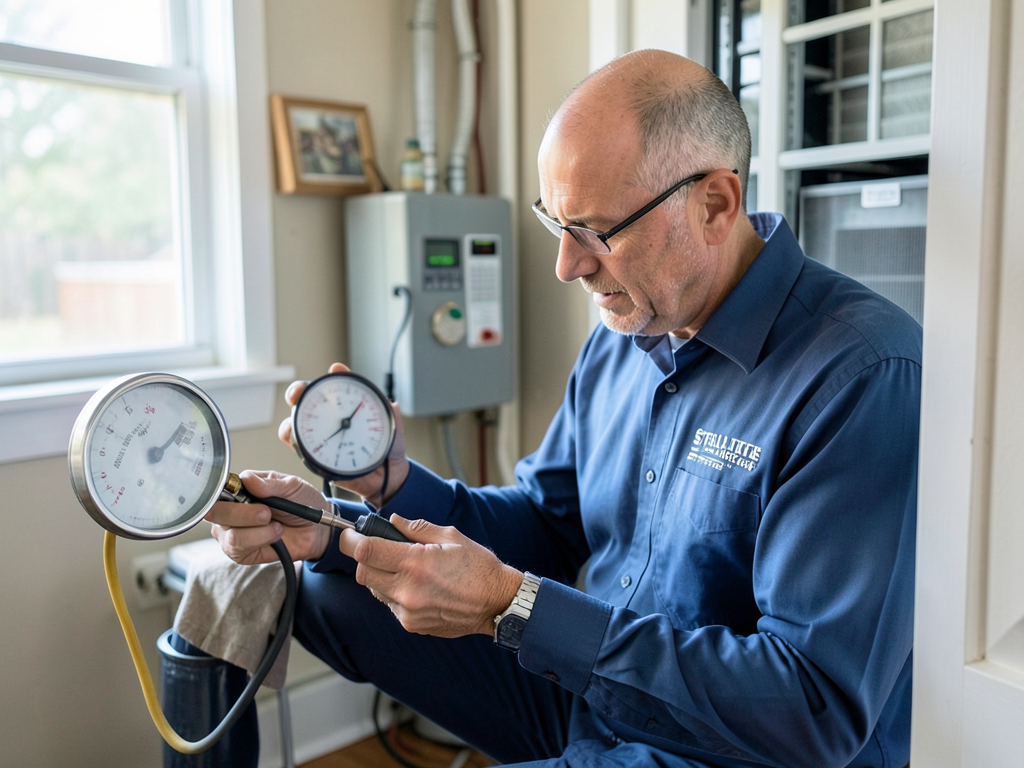
During diagnostic testing, HVAC technicians use a manometer to measure static pressure across the filter. Normal residential systems operate at 0.5 inches of water column (WC) static pressure. A MERV 13 filter might increase this to 0.8-1.0 WC, while a MERV 8 filter might only increase it to 0.6 WC.
Most modern furnaces can handle up to 0.8 WC without issues. However, systems older than 15 years or those with undersized blowers may struggle. Signs of filter-related strain include: Modern HVAC Solutions for Historic Grosse Pointe Homes (Without Ruining the Aesthetics).
- Longer heating or cooling cycles
- Reduced airflow from vents
- Unusual humming or straining sounds from the blower compartment
- Hot air from supply vents during cooling mode
If you notice these symptoms after upgrading to a higher MERV filter, you may need to step down to MERV 11 or have your system evaluated for compatibility. Some HVAC contractors offer static pressure testing as part of seasonal maintenance to ensure your filtration upgrade isn’t compromising system efficiency.
When to Change Your Filter During Peak Pollen Months
During ragweed season in Sterling Heights, your filter works overtime capturing pollen, so replacement schedules need adjustment. Standard 90-day replacement intervals won’t cut it when pollen counts are high.
Here’s a seasonal replacement guide for Michigan allergy sufferers:
- Early September
Start with a fresh filter as ragweed season begins. This gives you maximum efficiency when pollen counts start climbing.
- Mid-September
Check your filter. If it appears gray or you can see visible debris, replace it even if you’ve only had it for 30 days.
- Early October
Replace again. By now, the filter has captured significant pollen and may be restricting airflow.
- Late October
Final replacement of the season as ragweed counts decline but mold spores from fallen leaves increase.
Visual inspection is more reliable than calendar dates. Hold your filter up to a bright light – if you can’t see light through it, airflow is restricted and it needs replacement. During peak season, checking monthly ensures your system maintains optimal performance. How to Find Reliable Emergency Furnace Repair in Detroit Before the Next Deep Freeze.
Consider setting calendar reminders for the first of each month during September and October. Many HVAC professionals offer filter subscription services that deliver the right filter to your door when it’s time for replacement. Fast and Professional Boiler Repair Services in Corktown and Midtown Detroit.
Professional IAQ Solutions Beyond the Standard Filter
While high-quality furnace filters form the foundation of indoor air quality improvement, severe allergy sufferers in Sterling Heights may benefit from additional solutions. Whole-house air purifiers and UV light systems can dramatically reduce airborne allergens.
Electronic air cleaners use electrically charged plates to capture particles as small as 0.1 microns – far smaller than standard filters can trap. These systems install directly into your HVAC ductwork and can remove up to 99% of airborne particles, including pollen, mold spores, and bacteria.
UV germicidal irradiation systems use ultraviolet light to kill mold, bacteria, and viruses that pass through your HVAC system. While they don’t capture particles like pollen, they prevent biological growth on your cooling coil and in your ductwork – common problems in Michigan’s humid summers.
HEPA bypass systems offer the highest level of filtration, capturing 99.97% of particles 0.3 microns or larger. However, they require professional installation and may need ductwork modifications in older Sterling Heights homes.
According to the EPA’s Guide to Air Cleaners in the Home, properly sized air cleaning systems can reduce indoor particle concentrations by up to 50% when used in conjunction with source control and improved ventilation.
Before investing in whole-house solutions, have an HVAC professional perform an indoor air quality assessment. They’ll measure current particle levels, check your system’s static pressure, and recommend solutions specific to your home’s needs and your allergy severity.
Frequently Asked Questions
What’s the difference between MERV, MPR, and FPR ratings?
MERV (Minimum Efficiency Reporting Value) is the industry standard rating used by most filter manufacturers. MPR (Microparticle Performance Rating) is 3M’s rating system, and FPR (Filter Performance Rating) is Home Depot’s system. They measure similar characteristics but use different scales. For comparison, MERV 11 roughly equals MPR 1500-1900.
Can I use a HEPA filter in my home furnace?
True HEPA filters are too dense for most residential HVAC systems and would severely restrict airflow. However, you can install HEPA bypass systems that work alongside your existing equipment or use portable HEPA air purifiers in specific rooms for additional filtration.
How do I know if my allergies are from indoor or outdoor air?
Track your symptoms throughout the day. If you feel better when outside or after opening windows, outdoor allergens may be the culprit. If symptoms persist indoors regardless of outdoor conditions, indoor allergens like dust mites, pet dander, or mold could be responsible. An indoor air quality test can provide definitive answers.
Will a better filter reduce my energy bills?
High-quality filters can actually improve system efficiency by keeping internal components cleaner. However, filters that are too dense for your system can increase energy consumption by forcing the blower motor to work harder. The key is finding the right balance for your specific HVAC equipment.
How often should I replace my filter during Michigan winters?
During winter months when your furnace runs constantly, check your filter monthly. Replace it when it appears dirty or every 60-90 days at minimum. Homes with pets, recent construction, or located near busy roads may need more frequent changes.
Take Control of Your Indoor Air Quality Today
Don’t let fall allergies control your life in Sterling Heights. The right air filtration strategy can reduce your symptoms by up to 70% while protecting your HVAC system from strain. Start with a MERV 11 filter from a reputable manufacturer, check it monthly during peak season, and consider professional IAQ testing if symptoms persist.
Ready to breathe easier this fall? Call (313) 552-7177 today to schedule your indoor air quality assessment. Our Detroit-area HVAC experts will evaluate your current system, recommend the perfect filter solution for your home, and show you exactly how to maintain it through ragweed season and beyond.
Don’t wait until symptoms become unbearable. Pick up the phone and call (313) 552-7177 before the next high pollen day hits Sterling Heights. Your lungs will thank you.
You may also find this helpful. Removing Chemical Smells and VOCs from Your Newly Built Troy Home.
{
“@context”: “https://schema.org”,
“@type”: “BlogPosting”,
“headline”: “Managing Severe Fall Allergies in Sterling Heights with High-Performance Air Filtration”,
“description”: “Find the best air filters for ragweed and pollen in Sterling Heights. Learn MERV ratings, local pollen calendars, and HVAC solutions from Detroit experts.”,
“wordCount”: 1895,
“datePublished”: “2026-06-05T15:59:00.000Z”,
“dateModified”: “2026-06-05T15:59:00.000Z”,
“inLanguage”: “en-US”,
“mainEntityOfPage”: {
“@type”: “WebPage”,
“@id”: “https://acehvacdetroit.com”
},
“publisher”: {
“@type”: “LocalBusiness”,
“name”: “Ace HVAC Detroit”,
“url”: “https://acehvacdetroit.com”
},
“author”: {
“@type”: “Organization”,
“name”: “Ace HVAC Detroit”,
“url”: “https://acehvacdetroit.com”
},
“image”: {
“@type”: “ImageObject”,
“url”: “https://acehvacdetroit.com/wp-content/uploads/2026/03/managing-severe-fall-allergies-in-sterling-heights-1.png”
}
}
{
“@context”: “https://schema.org”,
“@type”: “HVACBusiness”,
“name”: “Ace HVAC Detroit”,
“url”: “https://acehvacdetroit.com”,
“address”: {
“@type”: “PostalAddress”,
“addressLocality”: “Detroit”
},
“areaServed”: {
“@type”: “City”,
“name”: “Detroit”
}
}
{
“@context”: “https://schema.org”,
“@type”: “FAQPage”,
“mainEntity”: [
{
“@type”: “Question”,
“name”: “Understanding MERV Ratings: Which Level Stops Pollen?”,
“acceptedAnswer”: {
“@type”: “Answer”,
“text”: “MERV stands for Minimum Efficiency Reporting Value and measures how effectively a filter captures particles of different sizes. For allergy sufferers in Sterling Heights, understanding these ratings is crucial because not all filters perform equally against pollen and other allergens.”
}
},
{
“@type”: “Question”,
“name”: “What’s the difference between MERV, MPR, and FPR ratings?”,
“acceptedAnswer”: {
“@type”: “Answer”,
“text”: “MERV (Minimum Efficiency Reporting Value) is the industry standard rating used by most filter manufacturers. MPR (Microparticle Performance Rating) is 3M’s rating system, and FPR (Filter Performance Rating) is Home Depot’s system. They measure similar characteristics but use different scales. For comparison, MERV 11 roughly equals MPR 1500-1900.”
}
},
{
“@type”: “Question”,
“name”: “Can I use a HEPA filter in my home furnace?”,
“acceptedAnswer”: {
“@type”: “Answer”,
“text”: “True HEPA filters are too dense for most residential HVAC systems and would severely restrict airflow. However, you can install HEPA bypass systems that work alongside your existing equipment or use portable HEPA air purifiers in specific rooms for additional filtration.”
}
},
{
“@type”: “Question”,
“name”: “How do I know if my allergies are from indoor or outdoor air?”,
“acceptedAnswer”: {
“@type”: “Answer”,
“text”: “Track your symptoms throughout the day. If you feel better when outside or after opening windows, outdoor allergens may be the culprit. If symptoms persist indoors regardless of outdoor conditions, indoor allergens like dust mites, pet dander, or mold could be responsible. An indoor air quality test can provide definitive answers.”
}
},
{
“@type”: “Question”,
“name”: “How often should I replace my filter during Michigan winters?”,
“acceptedAnswer”: {
“@type”: “Answer”,
“text”: “During winter months when your furnace runs constantly, check your filter monthly. Replace it when it appears dirty or every 60-90 days at minimum. Homes with pets, recent construction, or located near busy roads may need more frequent changes.”
}
}
]
}
{
“@context”: “https://schema.org”,
“@type”: “HowTo”,
“name”: “Filter Replacement Schedule”,
“step”: [
{
“@type”: “HowToStep”,
“position”: 1,
“name”: “Early September”,
“text”: “Start with a fresh filter as ragweed season begins. This gives you maximum efficiency when pollen counts start climbing.”
},
{
“@type”: “HowToStep”,
“position”: 2,
“name”: “Mid-September”,
“text”: “Check your filter. If it appears gray or you can see visible debris, replace it even if you’ve only had it for 30 days.”
},
{
“@type”: “HowToStep”,
“position”: 3,
“name”: “Early October”,
“text”: “Replace again. By now, the filter has captured significant pollen and may be restricting airflow.”
},
{
“@type”: “HowToStep”,
“position”: 4,
“name”: “Late October”,
“text”: “Final replacement of the season as ragweed counts decline but mold spores from fallen leaves increase.”
}
],
“image”: “https://acehvacdetroit.com/wp-content/uploads/2026/03/managing-severe-fall-allergies-in-sterling-heights-1.png”
}
{
“@context”: “https://schema.org”,
“@type”: “BreadcrumbList”,
“itemListElement”: [
{
“@type”: “ListItem”,
“position”: 1,
“name”: “Home”,
“item”: “https://acehvacdetroit.com”
},
{
“@type”: “ListItem”,
“position”: 2,
“name”: “Blog”,
“item”: “https://acehvacdetroit.com/blog”
},
{
“@type”: “ListItem”,
“position”: 3,
“name”: “Managing Severe Fall Allergies in Sterling Heights with High-Performance Air Filtration”
}
]
}
{
“@context”: “https://schema.org”,
“@type”: “Service”,
“serviceType”: “HVAC”,
“provider”: {
“@type”: “LocalBusiness”,
“name”: “Ace HVAC Detroit”,
“url”: “https://acehvacdetroit.com”
},
“areaServed”: {
“@type”: “City”,
“name”: “Detroit”
},
“description”: “Find the best air filters for ragweed and pollen in Sterling Heights. Learn MERV ratings, local pollen calendars, and HVAC solutions from Detroit experts.”
}