
Understanding AFUE Ratings and How Much They Really Save Dearborn Homeowners
AFUE stands for Annual Fuel Utilization Efficiency and it measures how well your furnace converts fuel into heat. For Dearborn homeowners facing Michigan’s harsh winters, understanding this rating can mean the difference between wasting hundreds of dollars and keeping your home warm efficiently. A furnace with 95% AFUE wastes only 5 cents of every dollar spent on fuel, while an 80% unit wastes 20 cents. In our climate where furnaces run for months on end, that efficiency gap adds up quickly.
What AFUE Ratings Actually Mean for Your Dearborn Home
AFUE is calculated as the ratio of annual heat output compared to the total annual fossil fuel energy consumed. For example, a 90% AFUE furnace produces 90 BTUs of heat for every 100 BTUs of natural gas input. The remaining 10% escapes through the flue. This rating reflects real-world performance across an entire heating season, not just peak efficiency.
In Dearborn’s Zone 5 climate, furnaces run approximately 2,200 hours per heating season. At current DTE Energy rates, that efficiency difference between an 80% and 95% AFUE unit can save the average homeowner $300-$400 annually. The savings are even more significant in older Dearborn homes with less insulation, where furnaces work harder to maintain comfort. DTE Energy furnace rebates.
Comparing Standard vs High-Efficiency Furnace Technology
Traditional 80% AFUE furnaces use a single heat exchanger and vent exhaust through metal flue pipes. These non-condensing units lose heat through both the flue and incomplete combustion. High-efficiency models at 90%+ AFUE add a secondary heat exchanger that captures additional heat from water vapor in exhaust gases.
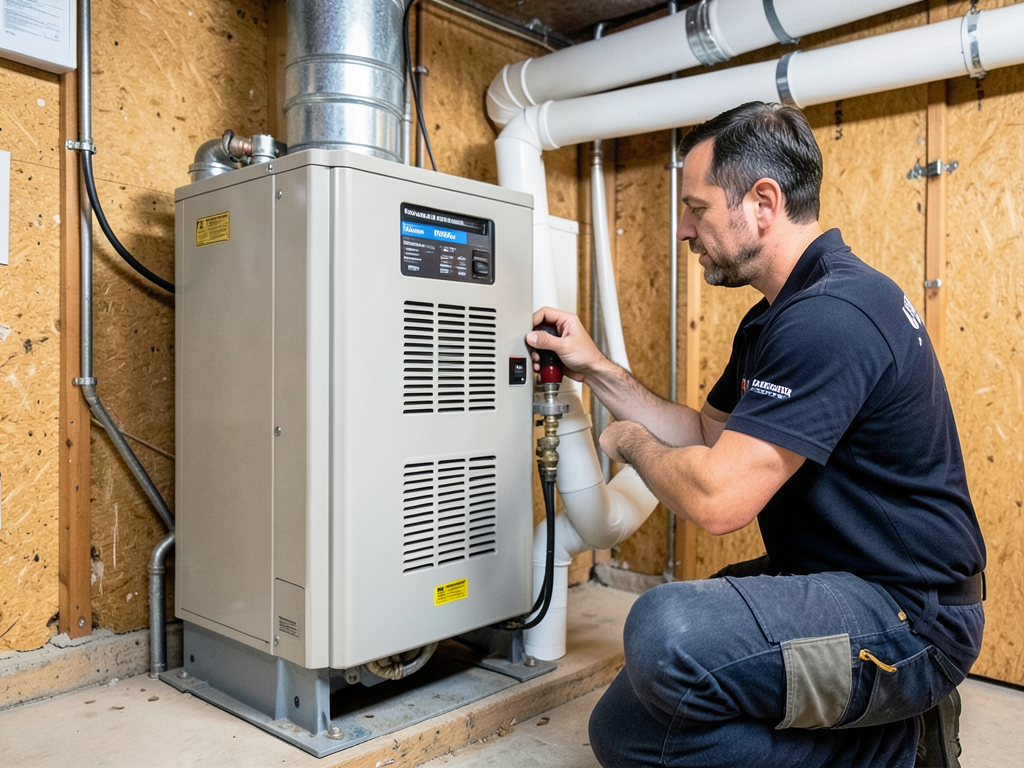
The secondary exchanger causes exhaust to cool below 140°F, creating condensation that must be drained. This is why high-efficiency furnaces require PVC venting instead of metal. In Dearborn’s older homes, this transition often means upgrading venting systems during replacement.
Modern high-efficiency units also feature variable-speed blowers that adjust airflow based on demand. This reduces electricity consumption and provides more consistent temperatures compared to single-speed motors in standard units. Modern HVAC Solutions for Historic Grosse Pointe Homes (Without Ruining the Aesthetics).
Why Detroit Winters Demand Higher AFUE Ratings
Michigan’s Climate Zone 5 requires minimum 78% AFUE for new installations, but Dearborn homeowners benefit from going beyond this baseline. Our region experiences 7,500+ heating degree days annually, nearly double what southern states face. The Best Local AC Installation Specialists for Homeowners in Royal Oak.
The extended heating season in Dearborn means efficiency improvements compound over time. A 95% AFUE furnace operating 6-7 months annually recovers its higher upfront cost in 5-7 years through utility savings. After that break-even point, the savings directly benefit your household budget.
During polar vortex events when temperatures plummet below zero, high-efficiency furnaces maintain performance while older units struggle. The secondary heat exchanger in 95% AFUE models extracts more usable heat from the same fuel volume, providing better comfort during extreme cold snaps.
Calculating Your Energy Savings in Michigan
The following table shows estimated annual savings for a typical Dearborn home upgrading from an older 70% AFUE furnace to modern high-efficiency units. These calculations assume 75,000 BTU heating load, 2,200 annual heating hours, and current DTE natural gas rates.
| AFUE Rating | Annual Fuel Use (therms) | Annual Cost | Savings vs 70% AFUE |
|---|---|---|---|
| 70% (old) | 2,357 | $2,357 | – |
| 80% | 2,063 | $2,063 | $294 |
| 90% | 1,833 | $1,833 | $524 |
| 95% | 1,737 | $1,737 | $620 |
These savings assume current DTE Energy natural gas pricing and typical Dearborn home characteristics. Homes with poor insulation or oversized units may see even greater returns.
Beyond AFUE: Other Efficiency Factors
While AFUE measures combustion efficiency, other factors impact overall system performance. Ductwork leaks in Dearborn’s older homes can waste 20-30% of heated air before it reaches rooms. A high-efficiency furnace paired with leaky ducts may never achieve its rated performance.
Variable-speed blowers reduce electricity consumption and improve comfort by maintaining more consistent temperatures. These motors use up to 75% less electricity than traditional single-speed units, adding to overall efficiency gains.
Smart thermostats optimize furnace cycles based on your schedule and weather conditions. In Dearborn’s climate, programmable setbacks during work hours can save an additional 10-15% without sacrificing comfort when you return home.
DTE Energy and Michigan Rebates for High-Efficiency Furnaces
DTE Energy offers rebates up to $400 for furnaces with 95% AFUE or higher. These incentives, combined with federal tax credits, can offset 15-20% of installation costs. The 2023 Inflation Reduction Act extended tax credits for high-efficiency HVAC equipment through 2032.
Consumers Energy provides similar rebates for qualifying equipment. These programs change annually, so checking current offers before purchasing is essential. Some Dearborn contractors bundle rebate paperwork with installation services to simplify the process.
Utility rebates typically require specific efficiency thresholds and may mandate professional installation. Working with a licensed Michigan HVAC contractor ensures compliance and maximizes available incentives. Fast and Professional Boiler Repair Services in Corktown and Midtown Detroit.
Installation Considerations for Dearborn Homes
Older Dearborn homes built before 1980 often need venting modifications for high-efficiency furnaces. The PVC venting required for condensing units must terminate at least 12 inches above ground and maintain proper clearances from windows and air intakes.
Condensate drainage presents another consideration. High-efficiency furnaces produce 5-10 gallons of acidic water monthly that must drain properly. In Dearborn homes with finished basements, this may require installing new drain lines or condensate pumps.
Combustion air requirements also change with efficiency ratings. While 80% furnaces draw air from the surrounding space, sealed combustion 90%+ units require dedicated air intake pipes. This sealed system prevents backdrafting and improves safety in tightly sealed modern homes. Why You Need a Dedicated Air Conditioning Repair Service in Birmingham Michigan.
AFUE vs Heat Pump Efficiency in Michigan
Heat pumps use different efficiency metrics (HSPF for heating, SEER2 for cooling) and operate differently than furnaces. While modern cold-climate heat pumps work efficiently down to 0°F, they typically require backup heat below that temperature in Michigan.
For Dearborn homeowners, dual-fuel systems combining a high-efficiency furnace with a heat pump offer flexibility. The heat pump handles moderate temperatures efficiently, while the gas furnace provides reliable heat during extreme cold without the efficiency drop heat pumps experience at very low temperatures. How to Find Reliable Emergency Furnace Repair in Detroit Before the Next Deep Freeze.
The choice between all-gas, all-electric, or dual-fuel depends on your home’s characteristics, utility rates, and comfort preferences. Natural gas remains less expensive than electricity for heating in most of Michigan.
Impact on Home Value and Resale
High-efficiency HVAC systems increasingly influence homebuyer decisions in Dearborn’s competitive market. Energy-efficient upgrades can increase resale value by $2,000-$3,000, with the premium growing as energy costs rise.
Buyers appreciate the lower utility bills and improved comfort high-efficiency systems provide. In Dearborn’s older housing stock, a new high-efficiency furnace signals a well-maintained home and can be a deciding factor when comparing similar properties.
The peace of mind from a reliable, efficient heating system also appeals to buyers concerned about winter heating costs and system failures during extreme weather events.
Making the Right Choice for Your Dearborn Home
Selecting the appropriate AFUE rating depends on several factors specific to your situation. Home size, insulation quality, and expected ownership duration all influence the optimal choice.
For Dearborn homeowners planning to stay 5+ years, 95% AFUE typically provides the best long-term value. The energy savings and potential rebates offset the higher upfront cost within the expected ownership period.
Those planning shorter ownership might find 90% AFUE a better balance of efficiency and cost. The savings remain substantial while reducing initial investment.
Budget-conscious homeowners should consider that even upgrading from a very old 60% AFUE unit to a modern 80% model provides significant savings and improved reliability.
Professional Assessment and Installation
Proper furnace sizing requires a Manual J load calculation considering your home’s specific characteristics. Oversized furnaces cycle on and off frequently, reducing efficiency and comfort while increasing wear.
Michigan’s climate demands proper installation to achieve rated efficiency. Duct sealing, combustion air supply, and venting all impact real-world performance. Professional installation ensures your investment delivers promised savings.
Look for NATE-certified technicians familiar with Dearborn’s housing stock and local building codes. They understand the unique challenges of retrofitting high-efficiency equipment in older homes.
Maintenance for Optimal Efficiency
Annual professional maintenance keeps high-efficiency furnaces operating at peak performance. Dirty filters, sensors, and burners can reduce efficiency by 10-15%, negating much of the efficiency advantage.
During maintenance, technicians check for proper venting, combustion efficiency, and condensate drainage. These checks prevent performance degradation and identify potential issues before they cause system failures.
DIY tasks like monthly filter changes also impact efficiency. High-efficiency furnaces with variable-speed blowers may run longer cycles, making clean filters even more critical for maintaining airflow and efficiency.
The Bottom Line for Dearborn Homeowners
Understanding AFUE ratings empowers you to make informed decisions about heating system investments. In Dearborn’s demanding climate, the efficiency difference between standard and high-efficiency furnaces translates directly to lower utility bills and improved comfort.
While higher AFUE units require greater upfront investment, the combination of energy savings, utility rebates, and improved reliability often provides compelling returns. The extended heating season in our region amplifies the benefits of efficiency improvements.
Ready to explore high-efficiency options for your Dearborn home? Call (313) 552-7177 today to schedule a free efficiency assessment and learn about current rebates available for your upgrade.
Frequently Asked Questions
What AFUE rating should I choose for my Dearborn home?
For most Dearborn homeowners planning to stay 5+ years, 95% AFUE provides the best balance of efficiency, comfort, and return on investment. The energy savings and available rebates typically offset the higher upfront cost within that timeframe.
Are high-efficiency furnaces worth the extra cost?
Yes, in Dearborn’s climate where furnaces run extensively, high-efficiency units (90%+ AFUE) often pay for themselves through utility savings within 5-7 years. Combined with available rebates, the long-term savings typically exceed the initial cost premium.
What rebates are available for high-efficiency furnaces in Dearborn?
DTE Energy offers rebates up to $400 for furnaces with 95% AFUE or higher. Consumers Energy provides similar incentives. Federal tax credits through the 2023 Inflation Reduction Act also apply to qualifying high-efficiency equipment.
Do I need to upgrade my venting for a high-efficiency furnace?
Most likely yes. High-efficiency furnaces require PVC venting instead of metal flue pipes due to lower exhaust temperatures. Homes built before 1980 often need venting modifications during furnace replacement. For more information, visit Department of Energy furnace efficiency guide.