
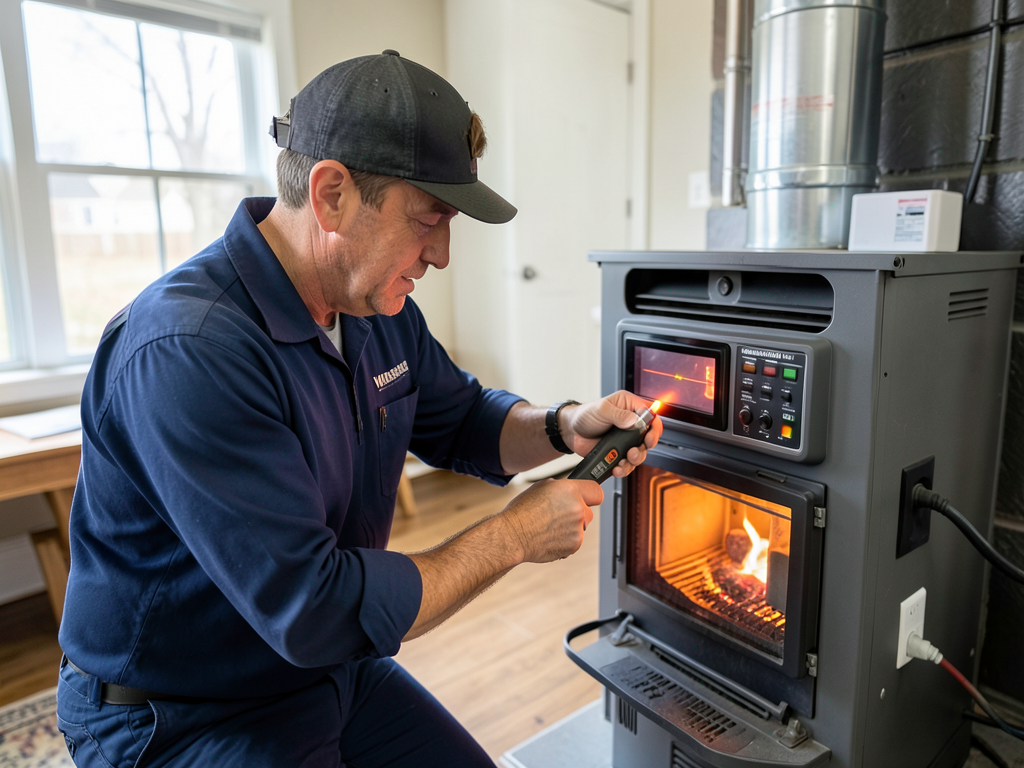
Why the Color of Your Furnace Flame Matters for Your Family’s Safety in Warrendale
The color of your furnace flame tells a story about what is happening inside your heating system. A blue flame means your furnace burns fuel efficiently and safely. A yellow, orange, red, or green flame signals trouble that could put your family at risk. Warrendale homes built in the 1950s and 1960s often have older gas furnaces that need careful monitoring. Understanding what your flame color means helps you catch problems before they become dangerous.
Detroit’s harsh winters put extra stress on heating systems. When temperatures drop below zero the furnace runs constantly. This heavy use can expose weaknesses in older equipment. The flame color changes as dirt builds up or parts wear out. Learning to read these changes gives you an early warning system for potential carbon monoxide leaks or equipment failure.
Safety First: When to Call an Emergency HVAC Tech
Some flame colors require immediate action. If you see a bright yellow or orange flame that dances wildly or if you smell a strange odor coming from your vents you need to act fast. Carbon monoxide is odorless and colorless but a malfunctioning furnace can produce it in dangerous amounts. The Centers for Disease Control recommends installing carbon monoxide detectors on every level of your home and testing them monthly. Centers for Disease Control and Prevention.
Symptoms of carbon monoxide exposure include headache dizziness nausea and confusion. If multiple family members feel sick at the same time with these symptoms leave your home immediately and call 911. Open windows if you can do so quickly. Do not try to investigate the problem yourself. Professional technicians have special equipment to test for carbon monoxide and diagnose furnace problems safely. Fast and Professional Boiler Repair Services in Corktown and Midtown Detroit.
Warrendale residents should know that Detroit building codes require carbon monoxide detectors in all sleeping areas. The Michigan Residential Code Section R315 mandates these safety devices in homes with fuel-burning appliances. This law exists because carbon monoxide kills dozens of people in Michigan each year. A working detector gives you time to escape when your furnace malfunctions.
The Ideal Flame: Why Blue is Best
A healthy furnace flame burns blue with a small inner cone and steady shape. This blue color means the gas mixes properly with oxygen and burns completely. Complete combustion produces maximum heat and minimal harmful byproducts. The flame should be about one to one and a half inches long with a slightly lighter blue outer flame surrounding a deeper blue inner cone.
Blue flames indicate your furnace operates at peak efficiency. You get more heat from less fuel which means lower utility bills. The burner ports remain clean and the heat exchanger stays free of soot buildup. This clean burning also means fewer pollutants enter your home’s air. Modern high-efficiency furnaces are designed to maintain this ideal blue flame throughout their service life. Modern HVAC Solutions for Historic Grosse Pointe Homes (Without Ruining the Aesthetics).
The physics behind blue flames involves the temperature and chemical reaction of burning natural gas. Natural gas contains methane which needs the right mixture of air to burn completely. When the ratio is correct the flame reaches temperatures around 3, 500 degrees Fahrenheit. This intense heat excites the gas molecules and produces the characteristic blue light. Too little air creates a yellow flame and releases carbon monoxide.
Yellow or Orange Flames: The Sign of Incomplete Combustion
Yellow or orange flames indicate incomplete combustion. This happens when the gas and air mixture is wrong or when dirt blocks the burner ports. The flame burns cooler and produces carbon monoxide instead of carbon dioxide. Carbon monoxide is poisonous because it binds to your blood cells and prevents oxygen from reaching your organs.
Several problems cause yellow flames. Dust and lint can clog the burner ports over time. Warrendale’s older homes often have basements that accumulate dust and debris. The air shutter that controls the air-to-gas ratio might need adjustment. A cracked heat exchanger can also cause yellow flames by allowing air to mix with the gas in the wrong way.
Yellow flames waste fuel and create dangerous conditions. The furnace must work harder to produce the same amount of heat which increases your energy bills. More importantly incomplete combustion can fill your home with carbon monoxide. The Consumer Product Safety Commission reports that heating systems are the second leading cause of carbon monoxide poisoning in homes. Consumer Product Safety Commission.
If you notice yellow flames check your air filter first. A dirty filter restricts airflow and can cause incomplete combustion. Replace the filter if it looks gray or clogged. If the flame remains yellow after changing the filter you need professional service. A technician will clean the burners adjust the air shutter and test for carbon monoxide to ensure your system operates safely.
Red or Green Flames: Rare but Dangerous Signs
Red flames indicate burning debris or severe soot buildup inside your furnace. This color means something is burning that should not be burning. Sometimes rust flakes from the heat exchanger can cause red flames. More often red flames mean plastic insulation or wiring is burning somewhere in the system. This creates a fire hazard and releases toxic chemicals into your home.
Green flames are even more unusual and always indicate a serious problem. Green color comes from burning copper or copper-based materials. In furnaces this usually means the heat exchanger is corroding and releasing copper particles into the flame. A cracked or severely corroded heat exchanger can allow exhaust gases to mix with the flame causing the green color.
Both red and green flames require immediate professional attention. Turn off your furnace at the thermostat and the gas valve if you feel comfortable doing so. Do not use your furnace until a qualified technician inspects it. Heat exchanger problems can release carbon monoxide and other dangerous gases directly into your home’s air supply.
Warrendale’s older homes often have cast iron heat exchangers that last 25 to 30 years. Modern furnaces use stainless steel heat exchangers that resist corrosion better but can still crack from metal fatigue. The extreme temperature changes in Detroit winters cause metal to expand and contract thousands of times each year. This stress eventually creates cracks that grow larger over time.
Detroit Winter Maintenance: How Extreme Cold Affects Your Burners
Detroit’s winter temperatures can drop below zero for weeks at a time. This extreme cold affects how your furnace operates. Gas pressure drops when temperatures fall because the gas contracts. Your furnace needs more gas to produce the same amount of heat. If the gas pressure is too low the flame becomes weak and yellow.
High humidity during winter can also affect flame color. Warrendale experiences lake effect snow and moisture from Lake St. Clair. This moisture can mix with dust and create a paste that clogs burner ports. The result is an orange or yellow flame that flickers irregularly. Regular cleaning prevents this buildup from causing problems.
The heavy use during polar vortex events can reveal weaknesses in older systems. A furnace that works fine during mild weather might struggle when running constantly for days. The flame sensor can become dirty and fail to detect the flame properly. This causes the furnace to shut off repeatedly as a safety feature. Each shutdown cycle stresses the system more.
Professional maintenance before winter helps prevent these problems. A technician will check gas pressure clean the burners and inspect the heat exchanger for cracks. They also test the flame sensor and clean it if needed. This preseason service costs much less than emergency repairs during a cold snap. Many Warrendale homeowners schedule maintenance in October before the first hard freeze. How to Find Reliable Emergency Furnace Repair in Detroit Before the Next Deep Freeze.
Next Steps: Professional Inspection vs. DIY Cleaning
Some furnace maintenance you can do yourself but other tasks require professional tools and training. You can change air filters vacuum around the furnace and keep the area clean. These simple steps improve airflow and prevent dust from entering the burners. However adjusting gas pressure cleaning burner ports or inspecting the heat exchanger requires specialized knowledge.
DIY cleaning has limits. You might clean the visible parts of the burners but miss problems inside the heat exchanger. A cracked heat exchanger often looks normal from the outside. Only a trained technician with a combustion analyzer can detect these hidden dangers. The analyzer measures carbon monoxide levels and oxygen content in the exhaust gases.
Professional inspection includes several tests that homeowners cannot perform safely. Technicians use a manometer to measure gas pressure at the burner. They check the temperature rise across the heat exchanger to ensure it operates within safe limits. They also test the limit switch that prevents overheating. These measurements help identify problems before they become emergencies.
Consider professional service if your furnace is over 15 years old or if you notice any flame color changes. Warrendale homes with original furnaces from the 1970s or earlier face higher risks. The cost of annual maintenance is small compared to the risk of carbon monoxide poisoning or a complete system failure during a cold snap. Many local HVAC companies offer maintenance plans that include annual inspections and priority service. The Best Local AC Installation Specialists for Homeowners in Royal Oak.
Flame Color Diagnostic Chart
| Flame Color | Common Causes | Danger Level | Recommended Action |
|---|---|---|---|
| Blue | Proper air-to-gas ratio clean burners | Safe | Monitor monthly |
| Yellow/Orange | Dirty burners incorrect air mix | High | Professional service immediately |
| Red | Burning debris rust or wiring | Critical | Shut off furnace call emergency service |
| Green | Copper corrosion heat exchanger damage | Critical | Shut off furnace evacuate if needed |
Carbon Monoxide Safety Checklist
- Install carbon monoxide detectors on every level of your home
- Test detectors monthly and replace batteries annually
- Have your furnace inspected annually by a qualified technician
- Never use gas ovens or portable generators indoors
- Know the symptoms of carbon monoxide poisoning
- Keep furnace area clean and free of clutter
- Replace furnace filters every 1-3 months
Frequently Asked Questions
How often should I check my furnace flame color?
Check your furnace flame color once a month when you replace your air filter. Look through the observation window if your furnace has one. If you cannot see the flame easily consider scheduling a professional inspection to ensure your system operates safely.
Can a dirty air filter cause yellow flames?
Yes a dirty air filter restricts airflow to your furnace which can cause incomplete combustion and yellow flames. Always check and replace your air filter before assuming more serious problems exist. A clean filter improves efficiency and helps maintain the proper blue flame.
What should I do if I see a yellow flame at night?
If you discover a yellow flame during evening hours and cannot reach an HVAC company immediately turn off your furnace at the thermostat and the gas valve if you know how. Open windows for ventilation and evacuate your home if anyone feels sick. Call for emergency service first thing in the morning.
How long do furnace heat exchangers typically last?
Most furnace heat exchangers last 15 to 30 years depending on the material and usage. Cast iron exchangers often last 25 to 30 years while modern stainless steel units typically last 15 to 20 years. Harsh Detroit winters with frequent temperature swings can shorten this lifespan.
Is it normal for the flame to change color slightly when the furnace starts?
Yes it is normal for the flame to appear slightly orange or yellow during the first few seconds when the furnace starts. This happens because the burners are cold and the gas mixture is not yet optimal. The flame should turn steady blue within 30 seconds once the system warms up.
Protect Your Family with Professional Furnace Safety Inspection
Your family’s safety depends on a properly functioning furnace. The color of your flame tells you whether your heating system operates efficiently or poses a danger. Warrendale’s older homes with aging furnaces need extra attention to prevent carbon monoxide leaks and system failures. Do not wait until your furnace breaks down on the coldest night of the year.
Professional technicians have the tools and training to diagnose problems that homeowners cannot see. They use combustion analyzers to measure carbon monoxide levels and ensure your furnace burns fuel safely. They also check for cracks in the heat exchanger that could release deadly gases into your home. This expertise provides peace of mind during Detroit’s harsh winters.
Call (313) 552-7177 today to schedule your furnace safety inspection. Our NATE-certified technicians serve Warrendale and all of Metro Detroit with 24/7 emergency service. We will check your flame color test for carbon monoxide and ensure your system operates at peak efficiency. Do not risk your family’s safety with an aging furnace that might be producing dangerous gases right now.
Pick up the phone and call (313) 552-7177 before the next cold snap hits. A quick inspection now prevents emergency repairs later and keeps your family warm and safe all winter long. Our team understands the unique challenges of heating older Warrendale homes and we bring the right tools and expertise to every job.
Remember that carbon monoxide detectors are your last line of defense but they cannot prevent the problem. Only professional maintenance and timely repairs keep your furnace operating safely. Trust the local experts who understand Detroit’s climate and building codes. Your family’s safety is worth the investment in professional care.
Visit our website at acehvacdetroit. com to learn more about our maintenance plans and emergency services. We offer flexible scheduling and transparent pricing with no hidden fees. When it comes to your family’s safety choose the company that puts safety first every time.
You may also find this helpful. Converting Your Old Chimney Venting to a High Efficiency Sidewall Exit in Wyandotte.
{
“@context”: “https://schema.org”,
“@type”: “BlogPosting”,
“headline”: “Why the Color of Your Furnace Flame Matters for Your Family’s Safety in Warrendale”,
“description”: “Learn what different furnace flame colors mean and why they matter for safety in Warrendale homes. Get expert HVAC tips from local Detroit technicians.”,
“wordCount”: 2302,
“datePublished”: “2026-05-05T07:51:00.000Z”,
“dateModified”: “2026-05-05T07:51:00.000Z”,
“inLanguage”: “en-US”,
“mainEntityOfPage”: {
“@type”: “WebPage”,
“@id”: “https://acehvacdetroit.com”
},
“publisher”: {
“@type”: “LocalBusiness”,
“name”: “Ace HVAC Detroit”,
“url”: “https://acehvacdetroit.com”
},
“author”: {
“@type”: “Organization”,
“name”: “Ace HVAC Detroit”,
“url”: “https://acehvacdetroit.com”
},
“image”: {
“@type”: “ImageObject”,
“url”: “https://acehvacdetroit.com/wp-content/uploads/2026/03/why-the-color-of-your-furnace-flame-matters-for-yo-1.png”
}
}
{
“@context”: “https://schema.org”,
“@type”: “HVACBusiness”,
“name”: “Ace HVAC Detroit”,
“url”: “https://acehvacdetroit.com”,
“address”: {
“@type”: “PostalAddress”,
“addressLocality”: “Detroit”
},
“areaServed”: {
“@type”: “City”,
“name”: “Detroit”
}
}
{
“@context”: “https://schema.org”,
“@type”: “FAQPage”,
“mainEntity”: [
{
“@type”: “Question”,
“name”: “How often should I check my furnace flame color?”,
“acceptedAnswer”: {
“@type”: “Answer”,
“text”: “Check your furnace flame color once a month when you replace your air filter. Look through the observation window if your furnace has one. If you cannot see the flame easily consider scheduling a professional inspection to ensure your system operates safely.”
}
},
{
“@type”: “Question”,
“name”: “Can a dirty air filter cause yellow flames?”,
“acceptedAnswer”: {
“@type”: “Answer”,
“text”: “Yes a dirty air filter restricts airflow to your furnace which can cause incomplete combustion and yellow flames. Always check and replace your air filter before assuming more serious problems exist. A clean filter improves efficiency and helps maintain the proper blue flame.”
}
},
{
“@type”: “Question”,
“name”: “What should I do if I see a yellow flame at night?”,
“acceptedAnswer”: {
“@type”: “Answer”,
“text”: “If you discover a yellow flame during evening hours and cannot reach an HVAC company immediately turn off your furnace at the thermostat and the gas valve if you know how. Open windows for ventilation and evacuate your home if anyone feels sick. Call for emergency service first thing in the morning.”
}
},
{
“@type”: “Question”,
“name”: “How long do furnace heat exchangers typically last?”,
“acceptedAnswer”: {
“@type”: “Answer”,
“text”: “Most furnace heat exchangers last 15 to 30 years depending on the material and usage. Cast iron exchangers often last 25 to 30 years while modern stainless steel units typically last 15 to 20 years. Harsh Detroit winters with frequent temperature swings can shorten this lifespan.”
}
},
{
“@type”: “Question”,
“name”: “Is it normal for the flame to change color slightly when the furnace starts?”,
“acceptedAnswer”: {
“@type”: “Answer”,
“text”: “Yes it is normal for the flame to appear slightly orange or yellow during the first few seconds when the furnace starts. This happens because the burners are cold and the gas mixture is not yet optimal. The flame should turn steady blue within 30 seconds once the system warms up.”
}
}
]
}
{
“@context”: “https://schema.org”,
“@type”: “BreadcrumbList”,
“itemListElement”: [
{
“@type”: “ListItem”,
“position”: 1,
“name”: “Home”,
“item”: “https://acehvacdetroit.com”
},
{
“@type”: “ListItem”,
“position”: 2,
“name”: “Blog”,
“item”: “https://acehvacdetroit.com/blog”
},
{
“@type”: “ListItem”,
“position”: 3,
“name”: “Why the Color of Your Furnace Flame Matters for Your Family’s Safety in Warrendale”
}
]
}
{
“@context”: “https://schema.org”,
“@type”: “Service”,
“serviceType”: “HVAC”,
“provider”: {
“@type”: “LocalBusiness”,
“name”: “Ace HVAC Detroit”,
“url”: “https://acehvacdetroit.com”
},
“areaServed”: {
“@type”: “City”,
“name”: “Detroit”
},
“description”: “Learn what different furnace flame colors mean and why they matter for safety in Warrendale homes. Get expert HVAC tips from local Detroit technicians.”
}