
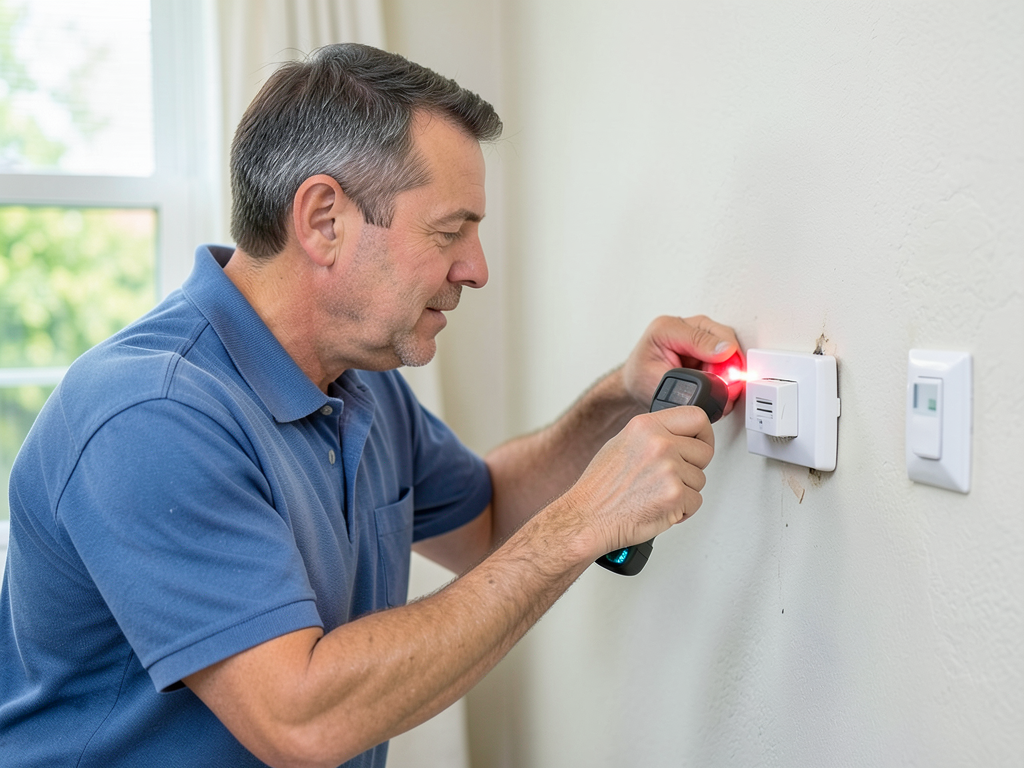
Why Your Garden City Thermostat is Lying to You (And Where it Should Actually Be)
Your thermostat is supposed to keep your home comfortable. But what if it is reading the wrong temperature? Bad thermostat placement can make your HVAC system run too much or too little. That means higher energy bills and uneven comfort. In Detroit’s extreme weather, this is a bigger problem than most homeowners realize. Energy Star thermostat guidelines.
Many Garden City homes have thermostats mounted in spots that cause “ghost readings.” These are false temperature signals from drafts, sunlight, or nearby heat sources. The result is your furnace or AC working overtime for no reason. This guide shows you where your thermostat should go and why the wrong spot can cost you $500 or more per year.. Read more about What to Do When Your Furnace Starts and Immediately Stops in Farmington Hills.
The Golden Rule for Thermostat Placement in Detroit Homes
The best location for a thermostat is on an interior wall. It should be about five feet from the floor and away from any heat sources or drafts. This height puts the sensor at the average human breathing level. That gives the most accurate reading of the room’s true temperature.
In Detroit’s older Garden City neighborhoods, many homes were built before modern HVAC design standards. Builders often mounted thermostats near doors or on exterior walls. These spots are the worst possible locations. An exterior wall thermostat can be 5-10 degrees colder than the room average in winter. That makes your furnace run constantly. Modern HVAC Solutions for Historic Grosse Pointe Homes (Without Ruining the Aesthetics).
Interior walls in central hallways or common areas work best. These spots avoid direct sunlight, kitchen heat, and cold drafts from windows or doors. The goal is to measure the temperature where people actually live and breathe.
5 Places to Never Put Your Thermostat
Bad thermostat placement is common in Garden City homes. Here are the five worst spots and why they fail:
- Above or near kitchen appliances – Ovens, stoves, and refrigerators create heat that tricks the sensor into thinking the whole house is warmer than it is.
- Directly across from windows – Sunlight creates a “solar gain” effect. The thermostat reads high and shuts off the heat too early in winter.
- Near exterior doors – Every time someone opens the door, cold or hot air rushes past the sensor. This causes short cycling where the system turns on and off rapidly.
- In bathrooms or laundry rooms – Steam and humidity from showers or washers make the thermostat read higher than the rest of the house.
- Above air vents – Supply vents blow conditioned air directly on the sensor. This creates false readings that make the system think the target temperature is already reached.
Short cycling from bad placement wears out your HVAC system faster. Compressors and motors fail years earlier than they should. That means expensive repairs or replacement much sooner.
Specific Advice for Detroit’s Garden City Homes
Garden City has many mid-century ranch homes built in the 1950s and 1960s. These houses often have single-story open floor plans with original ductwork. The original thermostat locations in these homes are frequently problematic.
Older Garden City homes typically have less insulation than modern construction. This makes thermostat placement even more critical. A thermostat on a poorly insulated exterior wall in January can read 15 degrees colder than the room average. Your furnace runs constantly trying to heat a space that is already warm.
Many Garden City homes have finished basements with thermostats mounted near the top of basement stairs. This is a terrible location. Basement stairs create a chimney effect where warm air rises past the sensor. The thermostat thinks the basement is warmer than it is and shuts off the heat. Meanwhile, the main floor stays cold.
The solution is to move the thermostat to an interior wall in the main living area. This might be a hallway near the center of the house or an open wall in the living room. The key is keeping it away from any heat sources or cold spots.
Smart Thermostats vs. Traditional: Does Placement Change?
Smart thermostats like Nest or Ecobee have better sensors than old dial models. But they still need proper placement to work correctly. These devices can learn your schedule and adjust temperatures automatically. However, they cannot overcome bad location physics.
Ecobee models come with remote sensors you can place in different rooms. This helps balance temperatures in multi-room homes. But the main thermostat still needs correct placement. Put it in a bad spot and all the smart features in the world won’t help.
Smart thermostats also have features like motion sensing and learning algorithms. These can compensate somewhat for minor placement issues. But they cannot fix a thermostat that is five degrees off due to being on a cold exterior wall.
The best approach is proper placement first, then add smart features. Move your thermostat to the right spot, then upgrade to a smart model if you want the extra features.
The Impact on HVAC Longevity: How Bad Placement Leads to Short-Cycling
Short cycling is when your HVAC system turns on and off rapidly. This happens when the thermostat gets false readings and thinks the target temperature is reached. The system shuts off, then the actual room temperature drops and it turns back on.
This constant on-off cycling is terrible for your equipment. Compressors in air conditioners are designed to run for longer cycles. Rapid cycling causes overheating and premature failure. The same is true for furnace burners and blowers.
In Detroit’s climate, short cycling in winter is especially damaging. Your furnace might be cycling every few minutes instead of running for 15-20 minute stretches. This reduces efficiency by 20-30% and increases wear on every component.
The cost adds up quickly. A compressor replacement on a central AC unit can cost $1,500-2,500. A new furnace blower motor is $400-600. These failures often happen years earlier than they should due to short cycling from bad thermostat placement.
Energy Star Guidelines and Michigan Building Code Requirements
The EPA’s Energy Star program recommends specific thermostat placement guidelines. These align with Michigan’s Residential Code requirements for new construction. Both specify interior wall mounting at least 52-60 inches from the floor. Michigan Department of Environment, Great Lakes, and Energy.
Michigan’s code also addresses zoning requirements for larger homes. Multi-zone systems need multiple thermostats placed to control different areas independently. This prevents the upstairs from being 10 degrees warmer than downstairs in winter.
For Garden City’s older homes, these modern standards were not in place when they were built. That’s why so many have thermostats in bad locations. Retrofitting to current standards can save significant energy and extend equipment life.
The Michigan Department of Environment, Great Lakes, and Energy recommends annual HVAC inspections. Part of this inspection should check thermostat placement and calibration. Many Garden City homeowners skip this step and miss easy efficiency gains.
Call (313) 552-7177 Today to Schedule Your Inspection
Don’t let your thermostat lie to you anymore. Bad placement is costing you money every single day. Our Garden City HVAC technicians can evaluate your current setup and recommend the best solution.
We’ll check for drafts, measure temperature variations, and ensure your thermostat is in the optimal location. This simple change can cut your energy bills by 15-25% while making your home more comfortable.
Call (313) 552-7177 today to schedule your inspection. We serve all of Garden City and the greater Detroit metro area. Don’t wait until your system fails on the coldest day of the year.
Frequently Asked Questions
Can I move my thermostat myself?
Moving a thermostat involves running new low-voltage wiring and patching walls. While DIY is possible, improper wiring can damage your HVAC system. Professional installation ensures proper function and avoids costly mistakes. The Best Local AC Installation Specialists for Homeowners in Royal Oak.
How much does thermostat relocation cost?
Professional thermostat relocation typically costs $200-400 depending on wiring complexity and wall repairs needed. This investment often pays for itself within one heating season through energy savings. Fast and Professional Boiler Repair Services in Corktown and Midtown Detroit.
Will a smart thermostat fix bad placement?
Smart thermostats improve features but cannot overcome bad physics. They still need proper placement to function correctly. Think of them as an upgrade to a well-placed basic thermostat, not a fix for poor location.
How can I tell if my thermostat is in a bad spot?
Signs include uneven temperatures between rooms, frequent short cycling, and higher than expected energy bills. If your home feels drafty near the thermostat or if it’s near windows, kitchen, or exterior doors, it’s likely in a poor location.
You may also find this helpful. How to Tell if Your Rivertown Loft Has an Oversized or Undersized AC System.
{
“@context”: “https://schema.org”,
“@type”: “BlogPosting”,
“headline”: “Why Your Garden City Thermostat is Lying to You (And Where it Should Actually Be)”,
“description”: “Is your thermostat giving you false readings? Learn the truth about thermostat placement in Detroit homes and how bad positioning can cost you hundreds in energy bills.”,
“wordCount”: 1443,
“datePublished”: “2026-04-20T09:44:00.000Z”,
“dateModified”: “2026-04-20T09:44:00.000Z”,
“inLanguage”: “en-US”,
“mainEntityOfPage”: {
“@type”: “WebPage”,
“@id”: “https://acehvacdetroit.com”
},
“publisher”: {
“@type”: “LocalBusiness”,
“name”: “Ace HVAC Detroit”,
“url”: “https://acehvacdetroit.com”
},
“author”: {
“@type”: “Organization”,
“name”: “Ace HVAC Detroit”,
“url”: “https://acehvacdetroit.com”
},
“image”: {
“@type”: “ImageObject”,
“url”: “https://acehvacdetroit.com/wp-content/uploads/2026/03/why-your-garden-city-thermostat-is-lying-to-you-an-1.png”
}
}
{
“@context”: “https://schema.org”,
“@type”: “HVACBusiness”,
“name”: “Ace HVAC Detroit”,
“url”: “https://acehvacdetroit.com”,
“address”: {
“@type”: “PostalAddress”,
“addressLocality”: “Detroit”
},
“areaServed”: {
“@type”: “City”,
“name”: “Detroit”
}
}
{
“@context”: “https://schema.org”,
“@type”: “FAQPage”,
“mainEntity”: [
{
“@type”: “Question”,
“name”: “Smart Thermostats vs. Traditional: Does Placement Change?”,
“acceptedAnswer”: {
“@type”: “Answer”,
“text”: “Smart thermostats like Nest or Ecobee have better sensors than old dial models. But they still need proper placement to work correctly. These devices can learn your schedule and adjust temperatures automatically. However, they cannot overcome bad location physics.”
}
},
{
“@type”: “Question”,
“name”: “Can I move my thermostat myself?”,
“acceptedAnswer”: {
“@type”: “Answer”,
“text”: “Moving a thermostat involves running new low-voltage wiring and patching walls. While DIY is possible, improper wiring can damage your HVAC system. Professional installation ensures proper function and avoids costly mistakes. The Best Local AC Installation Specialists for Homeowners in Royal Oak.”
}
},
{
“@type”: “Question”,
“name”: “How much does thermostat relocation cost?”,
“acceptedAnswer”: {
“@type”: “Answer”,
“text”: “Professional thermostat relocation typically costs $200-400 depending on wiring complexity and wall repairs needed. This investment often pays for itself within one heating season through energy savings. Fast and Professional Boiler Repair Services in Corktown and Midtown Detroit.”
}
},
{
“@type”: “Question”,
“name”: “Will a smart thermostat fix bad placement?”,
“acceptedAnswer”: {
“@type”: “Answer”,
“text”: “Smart thermostats improve features but cannot overcome bad physics. They still need proper placement to function correctly. Think of them as an upgrade to a well-placed basic thermostat, not a fix for poor location.”
}
},
{
“@type”: “Question”,
“name”: “How can I tell if my thermostat is in a bad spot?”,
“acceptedAnswer”: {
“@type”: “Answer”,
“text”: “Signs include uneven temperatures between rooms, frequent short cycling, and higher than expected energy bills. If your home feels drafty near the thermostat or if it’s near windows, kitchen, or exterior doors, it’s likely in a poor location.”
}
}
]
}
{
“@context”: “https://schema.org”,
“@type”: “BreadcrumbList”,
“itemListElement”: [
{
“@type”: “ListItem”,
“position”: 1,
“name”: “Home”,
“item”: “https://acehvacdetroit.com”
},
{
“@type”: “ListItem”,
“position”: 2,
“name”: “Blog”,
“item”: “https://acehvacdetroit.com/blog”
},
{
“@type”: “ListItem”,
“position”: 3,
“name”: “Why Your Garden City Thermostat is Lying to You (And Where it Should Actually Be)”
}
]
}
{
“@context”: “https://schema.org”,
“@type”: “Service”,
“serviceType”: “HVAC”,
“provider”: {
“@type”: “LocalBusiness”,
“name”: “Ace HVAC Detroit”,
“url”: “https://acehvacdetroit.com”
},
“areaServed”: {
“@type”: “City”,
“name”: “Detroit”
},
“description”: “Is your thermostat giving you false readings? Learn the truth about thermostat placement in Detroit homes and how bad positioning can cost you hundreds in energy bills.”
}