
Why Your New Center Apartment Smells Like Burning Dust Every Time the Heat Kicks On
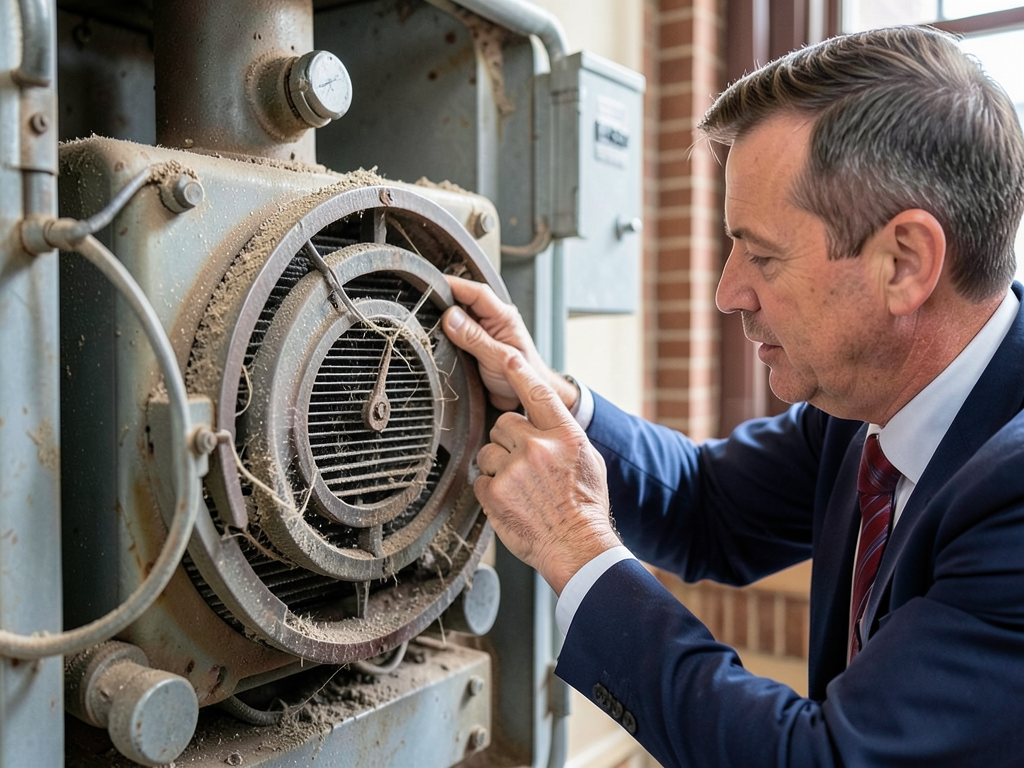
That burning dust smell when your furnace first fires up is a common experience for Detroit apartment dwellers, especially in historic New Center buildings. This odor is usually caused by dust and debris that has settled on the heat exchanger and burners during the off-season. When the system ignites, the accumulated particles burn off, creating that familiar burning smell.. Read more about How to Keep Pet Hair and Dander Out of Your Royal Oak HVAC System.
Most of the time, this is normal and harmless. However, if the smell persists beyond the first few heating cycles or is accompanied by other symptoms like smoke or a gas odor, it could indicate a more serious issue. New Center apartments often have older HVAC systems that may need professional attention to ensure safe and efficient operation. Fast and Professional Boiler Repair Services in Corktown and Midtown Detroit.
Common Causes of Burning Dust Smells in New Center Apartments
Understanding the source of the burning dust smell can help you determine whether it’s a harmless seasonal occurrence or a sign of a potential problem. Here are the most common causes:
Dust Accumulation on Heat Exchanger
During the summer months when your furnace sits idle, dust naturally settles on the heat exchanger and other internal components. When you first turn on the heat in the fall or winter, this dust burns off, creating the characteristic odor. This is especially common in Detroit’s older apartment buildings where systems may not have been properly cleaned before the heating season.. Read more about Protecting Your HVAC System from Construction Dust and Debris in Brush Park.
Dirty Air Filters
A clogged air filter can cause your furnace to work harder than necessary, potentially leading to overheating. When the system overheats, it can produce a burning smell that may be mistaken for dust. Detroit’s older buildings often have HVAC systems that haven’t been properly maintained, making this a common issue.
Debris in Ductwork
Over time, dust, pet hair, and other debris can accumulate in your apartment’s ductwork. When the furnace kicks on, this debris gets blown through the system and can create burning odors. This is particularly common in New Center’s historic buildings, many of which have original ductwork that hasn’t been cleaned in decades.
Electrical Issues
While less common, electrical problems can also cause burning smells. A failing blower motor or capacitor might produce an electrical burning odor that’s distinct from the typical dust smell. If you notice a sharp, acrid smell rather than a dusty one, this could indicate an electrical issue requiring immediate attention.
When to Be Concerned About Burning Smells
While a brief burning dust smell is usually normal, certain signs indicate you should contact an HVAC professional immediately. Here’s what to watch for:
Duration of the Smell
If the burning smell persists for more than 30-60 minutes after your furnace first turns on, or if it returns during subsequent heating cycles, this could indicate a problem that needs professional attention.
Accompanying Symptoms
Watch for these warning signs that suggest a more serious issue:
- Smoke or visible soot
- Gas odor (rotten egg smell)
- Carbon monoxide detector activation
- Unusual noises from the furnace
- Reduced heating efficiency
Visual Inspection
Check for these visual indicators of potential problems:
- Yellow or flickering burner flame (should be blue)
- Rust or corrosion on the furnace
- Cracks in the heat exchanger
- Excessive soot around vents
Detroit-Specific HVAC Considerations
Living in New Center presents unique HVAC challenges due to the area’s historic architecture and climate. Understanding these factors can help you better maintain your system and recognize when professional help is needed.
Historic Building Challenges
New Center’s apartment buildings, many constructed in the early 20th century, often feature original HVAC systems that weren’t designed for today’s heating demands. These older systems may have narrow ductwork, inefficient heat exchangers, and components that are difficult to replace with modern parts. Modern HVAC Solutions for Historic Grosse Pointe Homes (Without Ruining the Aesthetics).
Michigan Climate Impact
Detroit’s extreme seasonal temperature swings put additional stress on HVAC systems. The rapid transition from cooling to heating season means your furnace may sit idle for six months, allowing significant dust accumulation. Additionally, Michigan’s high humidity levels during summer can contribute to moisture buildup in dormant systems. Michigan Building Authority.
Local Building Codes
According to the Michigan Mechanical Code, all residential HVAC systems must have proper ventilation and meet specific efficiency standards. Many of New Center’s older buildings may not fully comply with current codes, potentially affecting system performance and safety.
DIY Troubleshooting Steps
Before calling an HVAC professional, you can perform these basic checks to ensure your system is operating safely:
Check and Replace Air Filters
A dirty air filter is one of the most common causes of burning smells and reduced efficiency. Locate your furnace filter (usually in a slot near the return air duct or inside the furnace cabinet) and check if it’s clogged with dust. Replace it with a new filter if it appears dirty. This simple step can often resolve burning odors and improve system performance.. Read more about Dealing With That Weird Dirty Sock Smell Coming From Your Berkley AC Unit.
Inspect Vents and Registers
Make sure all supply and return vents are open and unobstructed. Blocked vents can cause pressure imbalances that lead to overheating. Also check for visible debris around vents that might be getting drawn into the system.
Test Carbon Monoxide Detectors
Ensure your carbon monoxide detectors are functioning properly by pressing the test button. If you don’t have detectors installed, this is an essential safety measure for any home with combustion appliances. Michigan law requires carbon monoxide detectors in all dwellings with fuel-burning appliances.
Check Thermostat Settings
Verify that your thermostat is set to “Heat” mode and the temperature is set higher than the current room temperature. Sometimes incorrect settings can cause the system to cycle improperly, leading to unusual odors.
Professional HVAC Services for New Center Residents
When DIY troubleshooting doesn’t resolve the issue, it’s time to call a professional HVAC technician. Here’s what to expect from a comprehensive service visit:
System Inspection
A qualified technician will perform a thorough inspection of your entire HVAC system, including the heat exchanger, burners, blower motor, and electrical components. They’ll check for signs of wear, corrosion, or damage that could be causing the burning smell. Storm Damage HVAC Repair.
Cleaning and Maintenance
Professional cleaning involves removing dust and debris from critical components, including the heat exchanger, burners, and blower assembly. This not only eliminates burning odors but also improves system efficiency and extends equipment life.
Safety Testing
Technicians will test for carbon monoxide leaks, check gas pressure, and verify that all safety controls are functioning properly. This is particularly important in older New Center buildings where systems may not meet current safety standards.
Efficiency Optimization
Professional service includes checking and adjusting system settings for optimal performance. This can help reduce energy costs while ensuring your apartment stays comfortable throughout Detroit’s harsh winter months.
Preventing Future Burning Smells
Regular maintenance is the key to preventing burning smells and other HVAC issues. Here are some preventive measures you can take:
Annual Professional Maintenance
Schedule professional HVAC maintenance before the heating season begins. This allows technicians to clean your system, identify potential issues, and ensure everything is operating safely before you need consistent heat.
Regular Filter Changes
Replace your air filter every 1-3 months, depending on factors like pet ownership, allergies, and air quality. More frequent changes may be necessary in older buildings with dustier air.
Keep Vents Clean
Vacuum around vents and registers regularly to prevent dust from being drawn into your system. Consider having your ductwork professionally cleaned every 3-5 years, especially in older buildings.
Monitor System Performance
Pay attention to how your system operates throughout the heating season. Unusual noises, reduced airflow, or inconsistent heating can all indicate developing problems that are easier to address early.
Cost Considerations for HVAC Services in Detroit
Understanding typical service costs can help you budget for necessary repairs and maintenance. While prices vary based on the specific issue and system age, here are some general ranges for common HVAC services in the Detroit area:
| Service Type | Typical Cost Range | What’s Included |
|---|---|---|
| Basic System Inspection | $75 – $150 | Visual inspection, basic testing, recommendations |
| Annual Maintenance Service | $150 – $300 | Comprehensive cleaning, safety checks, efficiency testing |
| Emergency Service Call | $150 – $250 | After-hours service, diagnostic fee |
| Air Filter Replacement | $20 – $60 | Standard filter, installation |
| Duct Cleaning | $300 – $500 | Whole system cleaning, vent sanitization |
Local Resources for Detroit Residents
New Center residents have access to several resources for HVAC assistance and information:
Detroit Building Authority
The Detroit Building Authority provides information on building codes and permit requirements for HVAC work in the city. They can help you understand what’s required for major system repairs or replacements in your apartment building.
DTE Energy Programs
DTE Energy offers various programs for energy efficiency improvements, including rebates for high-efficiency HVAC equipment. These programs can help offset the cost of system upgrades or repairs. DTE Energy.
Local HVAC Contractors
Choose HVAC contractors who are familiar with New Center’s unique building stock and have experience working in historic properties. Look for companies with good reviews, proper licensing, and insurance coverage.
Frequently Asked Questions
How long should a burning dust smell last when I first turn on my heat?
A brief burning dust smell (15-30 minutes) is normal when you first turn on your heat for the season. If the smell persists longer or returns during subsequent heating cycles, contact an HVAC professional.
Is it safe to run my furnace if it smells like burning dust?
If the smell is clearly from dust and dissipates quickly, it’s generally safe to continue running your system. However, if you’re unsure about the source of the smell or if it’s accompanied by other symptoms, turn off your furnace and contact a professional.
How often should I have my HVAC system professionally serviced?
Annual professional maintenance is recommended for most systems, ideally before the heating season begins. Older systems or those in historic buildings may benefit from twice-yearly service.
What’s the difference between a normal burning dust smell and a dangerous electrical burning smell?
A normal burning dust smell is dusty and slightly sweet, while an electrical burning smell is sharp, acrid, and may resemble burning plastic or rubber. Electrical smells indicate a potentially serious problem requiring immediate attention.
Can I prevent burning smells by cleaning my furnace myself?
While you can change filters and keep vents clean, most furnace components require professional cleaning and adjustment. DIY cleaning of internal components can be dangerous and may void your warranty.
Call for Professional Help
If you’re experiencing persistent burning smells or other HVAC issues in your New Center apartment, don’t wait for a small problem to become a major repair. Professional HVAC technicians have the tools and expertise to diagnose and resolve issues quickly and safely.
Call (313) 552-7177 today to schedule your inspection. Our experienced technicians understand the unique challenges of Detroit’s historic buildings and can provide the expert service your system needs.
Don’t let HVAC problems compromise your comfort or safety this winter. Pick up the phone and call (313) 552-7177 before the next cold snap hits. We’re here to help New Center residents stay warm and safe all season long.
{
“@context”: “https://schema.org”,
“@type”: “BlogPosting”,
“headline”: “Why Your New Center Apartment Smells Like Burning Dust Every Time the Heat Kicks On”,
“description”: “Does your New Center apartment smell like burning dust when the heat turns on? Learn the common causes, safety risks, and when to call an HVAC expert in Detroit.”,
“wordCount”: 1856,
“datePublished”: “2026-04-17T10:29:00.000Z”,
“dateModified”: “2026-04-17T10:29:00.000Z”,
“inLanguage”: “en-US”,
“mainEntityOfPage”: {
“@type”: “WebPage”,
“@id”: “https://acehvacdetroit.com”
},
“publisher”: {
“@type”: “LocalBusiness”,
“name”: “Ace HVAC Detroit”,
“url”: “https://acehvacdetroit.com”
},
“author”: {
“@type”: “Organization”,
“name”: “Ace HVAC Detroit”,
“url”: “https://acehvacdetroit.com”
},
“image”: {
“@type”: “ImageObject”,
“url”: “https://acehvacdetroit.com/wp-content/uploads/2026/03/why-your-new-center-apartment-smells-like-burning-1.png”
}
}
{
“@context”: “https://schema.org”,
“@type”: “HVACBusiness”,
“name”: “Ace HVAC Detroit”,
“url”: “https://acehvacdetroit.com”,
“address”: {
“@type”: “PostalAddress”,
“addressLocality”: “Detroit”
},
“areaServed”: {
“@type”: “City”,
“name”: “Detroit”
}
}
{
“@context”: “https://schema.org”,
“@type”: “FAQPage”,
“mainEntity”: [
{
“@type”: “Question”,
“name”: “How long should a burning dust smell last when I first turn on my heat?”,
“acceptedAnswer”: {
“@type”: “Answer”,
“text”: “A brief burning dust smell (15-30 minutes) is normal when you first turn on your heat for the season. If the smell persists longer or returns during subsequent heating cycles, contact an HVAC professional.”
}
},
{
“@type”: “Question”,
“name”: “Is it safe to run my furnace if it smells like burning dust?”,
“acceptedAnswer”: {
“@type”: “Answer”,
“text”: “If the smell is clearly from dust and dissipates quickly, it’s generally safe to continue running your system. However, if you’re unsure about the source of the smell or if it’s accompanied by other symptoms, turn off your furnace and contact a professional.”
}
},
{
“@type”: “Question”,
“name”: “How often should I have my HVAC system professionally serviced?”,
“acceptedAnswer”: {
“@type”: “Answer”,
“text”: “Annual professional maintenance is recommended for most systems, ideally before the heating season begins. Older systems or those in historic buildings may benefit from twice-yearly service.”
}
},
{
“@type”: “Question”,
“name”: “What’s the difference between a normal burning dust smell and a dangerous electrical burning smell?”,
“acceptedAnswer”: {
“@type”: “Answer”,
“text”: “A normal burning dust smell is dusty and slightly sweet, while an electrical burning smell is sharp, acrid, and may resemble burning plastic or rubber. Electrical smells indicate a potentially serious problem requiring immediate attention.”
}
},
{
“@type”: “Question”,
“name”: “Can I prevent burning smells by cleaning my furnace myself?”,
“acceptedAnswer”: {
“@type”: “Answer”,
“text”: “While you can change filters and keep vents clean, most furnace components require professional cleaning and adjustment. DIY cleaning of internal components can be dangerous and may void your warranty.”
}
}
]
}
{
“@context”: “https://schema.org”,
“@type”: “BreadcrumbList”,
“itemListElement”: [
{
“@type”: “ListItem”,
“position”: 1,
“name”: “Home”,
“item”: “https://acehvacdetroit.com”
},
{
“@type”: “ListItem”,
“position”: 2,
“name”: “Blog”,
“item”: “https://acehvacdetroit.com/blog”
},
{
“@type”: “ListItem”,
“position”: 3,
“name”: “Why Your New Center Apartment Smells Like Burning Dust Every Time the Heat Kicks On”
}
]
}
{
“@context”: “https://schema.org”,
“@type”: “Service”,
“serviceType”: “HVAC”,
“provider”: {
“@type”: “LocalBusiness”,
“name”: “Ace HVAC Detroit”,
“url”: “https://acehvacdetroit.com”
},
“areaServed”: {
“@type”: “City”,
“name”: “Detroit”
},
“description”: “Does your New Center apartment smell like burning dust when the heat turns on? Learn the common causes, safety risks, and when to call an HVAC expert in Detroit.”
}