
Why Your Upstairs Rooms in Jefferson-Chalmers Are Always Too Hot and How to Fix It
Living in a two-story home in Jefferson-Chalmers should mean comfortable temperatures on every floor. Yet many homeowners find themselves constantly adjusting the thermostat, only to discover the upstairs bedrooms remain stubbornly hot while the first floor feels fine. This common problem stems from several factors unique to Detroit’s historic homes and climate.. Read more about The Detroit Homeowner’s Guide to Smart Vents and Room-by-Room Temperature Control.
The good news is that uneven cooling isn’t just something you have to live with. Understanding the specific causes affecting your Jefferson-Chalmers home is the first step toward finding the right solution. Whether it’s issues with your ductwork, insulation problems, or your HVAC system struggling to keep up with Michigan’s humidity, there are proven fixes that can restore comfort to every room in your house.
Why Your Jefferson-Chalmers Home Has Hot Upstairs Rooms
Jefferson-Chalmers features many historic homes built in the early 1900s, with architectural styles ranging from craftsman bungalows to colonial revivals. These beautiful homes often have the same frustrating problem: the second floor becomes an oven during Detroit’s humid summers while the main level stays relatively cool.
The physics of heat rising plays a major role. Hot air naturally moves upward, and without proper air circulation, your upstairs becomes a heat trap. This effect is magnified in older Jefferson-Chalmers homes where original ductwork may be too narrow or improperly designed for modern cooling demands. Modern HVAC Solutions for Historic Grosse Pointe Homes (Without Ruining the Aesthetics).
Detroit’s climate adds another layer of complexity. Our summers bring high humidity levels that make temperatures feel even hotter. When your air conditioning runs, it must not only cool the air but also remove moisture. Many older systems in Jefferson-Chalmers weren’t designed to handle today’s humidity levels, leading to inadequate cooling upstairs. Why You Need a Dedicated Air Conditioning Repair Service in Birmingham Michigan.
Common Culprits Behind Uneven Cooling
Several issues commonly cause hot upstairs rooms in Jefferson-Chalmers homes. Understanding which ones affect your house is crucial for finding the right fix.
Ductwork problems top the list. Many historic homes have original duct systems that weren’t designed for air conditioning. These ducts may be too small, have too many bends, or suffer from leaks that prevent cool air from reaching upstairs rooms effectively.. Read more about How to Add Air Conditioning to a Finished Attic in a Huntington Woods Home.
Blocked or closed air vents also create problems. Sometimes homeowners close vents in unused rooms to save energy, but this actually increases pressure in the duct system and reduces airflow to other areas. Furniture placed over vents or dirty filters can have similar effects.. Read more about Why Closing Vents in Unused Rooms is Actually Raising Your Energy Bills.
Insufficient attic insulation allows heat to penetrate through the ceiling. In Jefferson-Chalmers, many homes have original insulation that doesn’t meet current R-value recommendations for Michigan’s climate zone. This means your upstairs is constantly bombarded by heat from above.
Thermostat location matters more than most people realize. If your thermostat is on the first floor, it may shut off the AC before upstairs rooms reach comfortable temperatures. This creates a cycle where the system runs just enough to cool the main level but leaves upstairs bedrooms sweltering.
How Detroit’s Climate Affects Your Cooling System
Living in Detroit means dealing with extreme seasonal changes that stress your HVAC system in different ways. During summer months, our high humidity requires your air conditioner to work overtime not just cooling air but removing moisture.
When humidity levels climb above 60%, your AC must run longer cycles to achieve the same cooling effect. This extended operation can expose weaknesses in your system, particularly if you have an older unit or inadequate ductwork. The result is upstairs rooms that never quite reach comfortable temperatures.
Detroit’s temperature swings also affect how your home retains heat. During the day, sunlight heats your roof and walls. At night, this stored heat radiates back into your living spaces. Upstairs rooms feel this effect most strongly because they’re closest to the attic and roof.
Seasonal maintenance becomes crucial in our climate. A system that works fine in spring may struggle when July humidity hits. This is especially true for homes in Jefferson-Chalmers where original HVAC systems may have been upgraded piecemeal over the years rather than replaced entirely.
Professional Solutions for Consistent Comfort
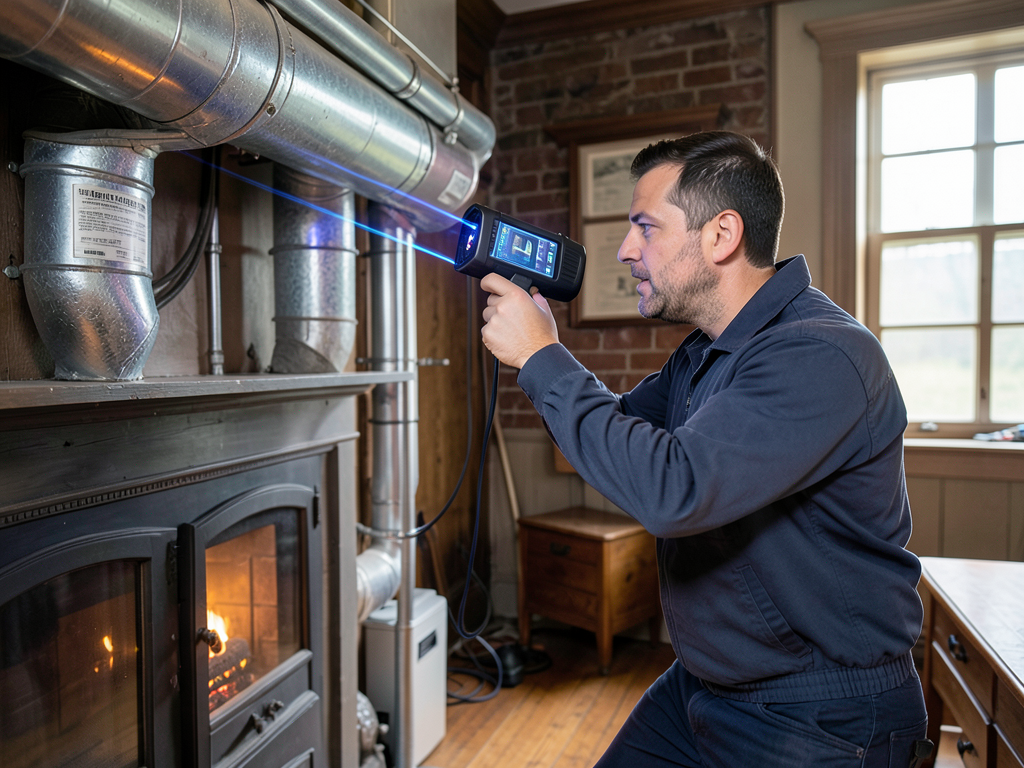
Professional HVAC contractors have several tools to diagnose and fix uneven cooling. The first step is always a comprehensive system evaluation to identify exactly what’s causing your upstairs rooms to stay hot. Fast and Professional Boiler Repair Services in Corktown and Midtown Detroit.
Ductwork inspection and sealing often reveals surprising problems. Using specialized equipment, technicians can measure airflow at each vent and identify leaks, blockages, or undersized ducts. Many Jefferson-Chalmers homes benefit from duct sealing, which can improve airflow to upstairs rooms by 20-30%.
Adding zoning systems allows different areas of your home to be heated and cooled independently. This is particularly effective for two-story homes where upstairs and downstairs have different temperature needs. A zoning system uses dampers in your ductwork and multiple thermostats to direct cooling where it’s needed most.
Upgrading to a variable-speed blower motor can dramatically improve comfort. Unlike single-speed motors that run at full blast or not at all, variable-speed units adjust their output based on demand. This provides more consistent temperatures and better humidity control throughout your home.
Improving attic insulation to current R-49 standards for Michigan can reduce heat gain through your ceiling by up to 25%. This means your upstairs rooms stay cooler with less air conditioning required.
DIY Troubleshooting Steps to Try First
Before calling a professional, several simple checks might solve your hot upstairs problem. These steps cost little but can sometimes provide significant improvement.
Check all air vents to ensure they’re fully open and not blocked by furniture, curtains, or rugs. Even partially closed vents can significantly reduce airflow to upstairs rooms.
Replace your air filter if it’s dirty. A clogged filter restricts airflow throughout your entire system, making it harder to cool upstairs areas. During heavy use months, check your filter monthly and replace it when it looks dirty.
Adjust your ceiling fans to rotate counterclockwise in summer. This creates a cooling breeze that can make rooms feel several degrees cooler. Fans don’t actually lower room temperature but improve comfort through air movement.
Close blinds and curtains on south and west-facing windows during the hottest parts of the day. This simple step can reduce heat gain in upstairs rooms by 10-15%.
Check your thermostat schedule to ensure it’s not turning off the AC too early in the evening. Many programmable thermostats default to energy-saving settings that may not provide adequate cooling for upstairs bedrooms.
When to Call a Detroit HVAC Expert
Some cooling problems require professional diagnosis and repair. If you’ve tried basic troubleshooting without success, it’s time to bring in an expert who understands Jefferson-Chalmers homes specifically. EPA guide to HVAC systems and indoor air quality.
Strange noises from your HVAC system indicate mechanical problems that could be affecting performance. Grinding, squealing, or rattling sounds suggest worn bearings, loose components, or other issues that reduce efficiency and cooling capacity.
Uneven cooling that suddenly worsens may signal refrigerant leaks, compressor problems, or other system failures. These issues typically require specialized tools and expertise to diagnose and repair properly.
If your system is over 15 years old, it may simply be too small or inefficient to handle your home’s cooling needs. Modern high-efficiency systems can provide better comfort while using less energy, often paying for themselves through utility savings.
Professional duct testing can reveal problems invisible to homeowners. Using pressure testing equipment, technicians can measure exactly how much air is leaking from your ducts and identify specific locations that need sealing or repair.
Energy audits provide comprehensive analysis of your home’s heating and cooling performance. These audits use thermal imaging and other diagnostic tools to identify heat loss areas, insulation gaps, and system inefficiencies specific to your Jefferson-Chalmers home.
Cost Considerations and Energy Savings
Fixing hot upstairs rooms involves various investment levels, from simple DIY fixes to complete system overhauls. Understanding the cost range helps you make informed decisions about which solutions make sense for your situation.
Basic troubleshooting and maintenance typically cost $75-200 and may solve your problem without major investment. This includes duct cleaning, filter replacement, and system tune-ups that improve efficiency.
Duct sealing and insulation improvements range from $500-2,000 depending on your home’s size and the extent of work needed. These improvements often pay for themselves within 2-3 years through reduced energy bills.
Zoning systems represent a larger investment of $2,000-5,000 but provide the most dramatic improvement in comfort. For two-story Jefferson-Chalmers homes, zoning often solves upstairs cooling problems completely while allowing different temperature settings for different areas.
Complete HVAC system replacement costs $5,000-12,000 but may be necessary for very old or undersized systems. Modern high-efficiency units with variable-speed technology provide superior comfort and can reduce cooling costs by 20-40%.
Many Detroit homeowners qualify for rebates through DTE Energy’s energy efficiency programs. These rebates can cover 10-30% of improvement costs for qualifying upgrades like high-efficiency equipment, duct sealing, and insulation improvements.
Maintaining Comfort Year-Round
Once you’ve solved your upstairs cooling problem, regular maintenance keeps your system running efficiently. This is especially important in Jefferson-Chalmers where older homes have unique challenges.
Schedule professional maintenance twice yearly – once before cooling season and once before heating season. This ensures your system is ready for Detroit’s extreme temperature swings and catches small problems before they become major issues.
Monitor your energy bills for unexpected increases, which often indicate system problems. A sudden 15-20% increase in cooling costs suggests your system is working harder than necessary, possibly due to duct leaks, refrigerant issues, or other efficiency problems.
Consider upgrading your thermostat to a smart model that learns your schedule and preferences. These devices can optimize your system’s operation for both comfort and efficiency, often reducing energy use by 10-15% without sacrificing comfort.
Keep vegetation trimmed at least 2 feet away from your outdoor condenser unit. Restricted airflow around this unit reduces efficiency and can cause your system to struggle with cooling demands.
Check your attic insulation annually, especially after severe weather. High winds can shift loose insulation, creating gaps that allow heat to penetrate your living spaces. Maintaining proper insulation is crucial for keeping upstairs rooms comfortable.
Choosing the Right HVAC Contractor
Not all HVAC contractors have experience with historic Detroit homes. When selecting someone to fix your hot upstairs rooms, look for specific qualifications and experience with Jefferson-Chalmers properties.
NATE certification indicates technicians have demonstrated knowledge of current HVAC technology and best practices. This certification requires passing exams and continuing education, ensuring contractors stay current with industry developments.
Experience with historic homes is crucial. Contractors familiar with Jefferson-Chalmers architecture understand the unique challenges of working in older homes with original ductwork, plaster walls, and other period features that require special handling.
Look for contractors who offer comprehensive diagnostic services rather than just replacing equipment. A good contractor will use tools like airflow meters, thermal imaging, and pressure testing to identify the specific causes of your cooling problems.
Check reviews specifically mentioning two-story home cooling issues. Contractors who have successfully solved similar problems in other Jefferson-Chalmers homes are more likely to provide effective solutions for your situation.
Ask about warranties and guarantees. Quality contractors stand behind their work with written guarantees on both equipment and labor, giving you protection if problems recur after repairs.
Frequently Asked Questions
Why is my upstairs always hotter than downstairs even with the AC running?
Heat naturally rises and accumulates upstairs, especially in homes with inadequate ductwork or insulation. Your HVAC system may also be sized for the main floor only, or your thermostat may be located where it doesn’t accurately represent upstairs temperatures.
How much does it cost to fix uneven cooling in a two-story home?
Costs vary widely from $75 for basic maintenance to $5,000+ for zoning systems or major duct modifications. Most homeowners spend $500-2,000 on effective solutions like duct sealing and insulation improvements that provide good return on investment.
Can closing vents in unused rooms help cool upstairs areas?
No, closing vents actually increases pressure in your duct system and can reduce overall airflow, making upstairs cooling worse. Your HVAC system is designed to heat and cool your entire home, and restricting airflow creates imbalances that hurt performance.
How do I know if my ductwork needs repair or replacement?
Signs include uneven temperatures between rooms, excessive dust, high energy bills, and rooms that are difficult to heat or cool. Professional duct testing can measure airflow and identify leaks, but if your home is over 30 years old with original ducts, replacement may be the most cost-effective solution.
Will a bigger air conditioner solve my upstairs cooling problem?
Not necessarily. An oversized AC unit can actually make humidity problems worse by cooling air too quickly without removing sufficient moisture. The right solution often involves improving ductwork, adding zoning, or enhancing insulation rather than simply installing a larger unit.
Ready to Solve Your Hot Upstairs Problem?
Don’t spend another summer sweating through nights in your upstairs bedrooms. The experts at Ace HVAC Detroit understand the unique challenges of keeping historic Jefferson-Chalmers homes comfortable year-round. Our technicians use advanced diagnostic tools to identify exactly why your upstairs rooms stay hot and recommend solutions that fit your home and budget.
Call (313) 552-7177 today to schedule your comprehensive cooling assessment. We’ll show you exactly what’s causing your upstairs temperature problems and provide a clear plan to restore comfort to every room in your home. Our team is ready to help you enjoy cool, comfortable upstairs bedrooms all summer long.
Pick up the phone and call (313) 552-7177 before the next heat wave hits. Your upstairs rooms don’t have to stay hot – let us show you how to fix them for good. For more information, visit U.S. Department of Energy home cooling guide.
{
“@context”: “https://schema.org”,
“@type”: “BlogPosting”,
“headline”: “Why Your Upstairs Rooms in Jefferson-Chalmers Are Always Too Hot and How to Fix It”,
“description”: “Struggling with hot upstairs rooms in your Jefferson-Chalmers home? Discover the real causes and professional solutions for uneven cooling in Detroit’s historic neighborhoods.”,
“wordCount”: 2307,
“datePublished”: “2026-04-10T10:56:00.000Z”,
“dateModified”: “2026-04-10T10:56:00.000Z”,
“inLanguage”: “en-US”,
“mainEntityOfPage”: {
“@type”: “WebPage”,
“@id”: “https://acehvacdetroit.com”
},
“publisher”: {
“@type”: “LocalBusiness”,
“name”: “Ace HVAC Detroit”,
“url”: “https://acehvacdetroit.com”
},
“author”: {
“@type”: “Organization”,
“name”: “Ace HVAC Detroit”,
“url”: “https://acehvacdetroit.com”
},
“image”: {
“@type”: “ImageObject”,
“url”: “https://acehvacdetroit.com/wp-content/uploads/2026/03/why-your-upstairs-rooms-in-jefferson-chalmers-are-1.png”
}
}
{
“@context”: “https://schema.org”,
“@type”: “HVACBusiness”,
“name”: “Ace HVAC Detroit”,
“url”: “https://acehvacdetroit.com”,
“address”: {
“@type”: “PostalAddress”,
“addressLocality”: “Detroit”
},
“areaServed”: {
“@type”: “City”,
“name”: “Detroit”
}
}
{
“@context”: “https://schema.org”,
“@type”: “FAQPage”,
“mainEntity”: [
{
“@type”: “Question”,
“name”: “Why is my upstairs always hotter than downstairs even with the AC running?”,
“acceptedAnswer”: {
“@type”: “Answer”,
“text”: “Heat naturally rises and accumulates upstairs, especially in homes with inadequate ductwork or insulation. Your HVAC system may also be sized for the main floor only, or your thermostat may be located where it doesn’t accurately represent upstairs temperatures.”
}
},
{
“@type”: “Question”,
“name”: “How much does it cost to fix uneven cooling in a two-story home?”,
“acceptedAnswer”: {
“@type”: “Answer”,
“text”: “Costs vary widely from $75 for basic maintenance to $5,000+ for zoning systems or major duct modifications. Most homeowners spend $500-2,000 on effective solutions like duct sealing and insulation improvements that provide good return on investment.”
}
},
{
“@type”: “Question”,
“name”: “Can closing vents in unused rooms help cool upstairs areas?”,
“acceptedAnswer”: {
“@type”: “Answer”,
“text”: “No, closing vents actually increases pressure in your duct system and can reduce overall airflow, making upstairs cooling worse. Your HVAC system is designed to heat and cool your entire home, and restricting airflow creates imbalances that hurt performance.”
}
},
{
“@type”: “Question”,
“name”: “How do I know if my ductwork needs repair or replacement?”,
“acceptedAnswer”: {
“@type”: “Answer”,
“text”: “Signs include uneven temperatures between rooms, excessive dust, high energy bills, and rooms that are difficult to heat or cool. Professional duct testing can measure airflow and identify leaks, but if your home is over 30 years old with original ducts, replacement may be the most cost-effective solution.”
}
},
{
“@type”: “Question”,
“name”: “Will a bigger air conditioner solve my upstairs cooling problem?”,
“acceptedAnswer”: {
“@type”: “Answer”,
“text”: “Not necessarily. An oversized AC unit can actually make humidity problems worse by cooling air too quickly without removing sufficient moisture. The right solution often involves improving ductwork, adding zoning, or enhancing insulation rather than simply installing a larger unit.”
}
},
{
“@type”: “Question”,
“name”: “Ready to Solve Your Hot Upstairs Problem?”,
“acceptedAnswer”: {
“@type”: “Answer”,
“text”: “Don’t spend another summer sweating through nights in your upstairs bedrooms. The experts at Ace HVAC Detroit understand the unique challenges of keeping historic Jefferson-Chalmers homes comfortable year-round. Our technicians use advanced diagnostic tools to identify exactly why your upstairs rooms stay hot and recommend solutions that fit your home and budget.”
}
}
]
}
{
“@context”: “https://schema.org”,
“@type”: “BreadcrumbList”,
“itemListElement”: [
{
“@type”: “ListItem”,
“position”: 1,
“name”: “Home”,
“item”: “https://acehvacdetroit.com”
},
{
“@type”: “ListItem”,
“position”: 2,
“name”: “Blog”,
“item”: “https://acehvacdetroit.com/blog”
},
{
“@type”: “ListItem”,
“position”: 3,
“name”: “Why Your Upstairs Rooms in Jefferson-Chalmers Are Always Too Hot and How to Fix It”
}
]
}
{
“@context”: “https://schema.org”,
“@type”: “Service”,
“serviceType”: “HVAC”,
“provider”: {
“@type”: “LocalBusiness”,
“name”: “Ace HVAC Detroit”,
“url”: “https://acehvacdetroit.com”
},
“areaServed”: {
“@type”: “City”,
“name”: “Detroit”
},
“description”: “Struggling with hot upstairs rooms in your Jefferson-Chalmers home? Discover the real causes and professional solutions for uneven cooling in Detroit’s historic neighborhoods.”
}