


Southfield sits in Oakland County where continental climate extremes test every component of residential heating and cooling systems. January temperatures drop below 15 degrees while July peaks above 85 with humidity levels that make central air work overtime. This thermal swing forces furnaces and air conditioners through intense seasonal workloads that accelerate wear on heat exchangers, compressors, and blower motors.
The clay-heavy soil common throughout Southfield neighborhoods retains moisture and shifts with freeze-thaw cycles. This ground movement affects ductwork running through crawl spaces and basements, creating air leaks that waste energy and reduce system efficiency. Homes near Telegraph Road and the I-696 corridor often experience increased particulate matter from traffic, clogging filters faster and reducing indoor air quality.
Many Southfield homes were built between 1950 and 1980 with original ductwork and insulation that no longer meets current efficiency standards. Upgrading these systems requires understanding older home construction, asbestos protocols, and how to integrate modern high-efficiency equipment with existing infrastructure. Michigan's energy codes continue evolving, requiring 95% AFUE minimum for new furnace installations and proper refrigerant handling certifications for all AC service work.
Ace HVAC Detroit has served Oakland County residents for years, building a reputation on honest diagnostics and repairs that last. We don't oversell equipment replacements when a repair makes financial sense, and we don't push maintenance contracts you don't need. Our technicians arrive in stocked trucks with common parts for Carrier, Lennox, Trane, Rheem, and Bryant systems, which means faster repairs without multiple trips.
We focus on Southfield and surrounding communities because local presence matters when your furnace fails at 11 PM on a Saturday. Our dispatch prioritizes emergency calls based on weather conditions and household vulnerability. Families with young children, elderly residents, and medical equipment that requires climate control get priority scheduling during extreme weather events.
Every technician on our team holds current EPA 608 certification for refrigerant handling, NATE certification for technical competence, and Michigan trade licenses. We train continuously on new equipment technology, smart thermostat integration, and variable-speed system diagnostics. This expertise shows up in accurate troubleshooting that fixes problems the first time instead of guessing with parts replacement.
Our pricing structure is straightforward. You receive written estimates before work begins, itemized invoices when we finish, and warranty documentation on parts and labor. We explain what failed, why it failed, and what you can do to prevent future issues. This transparency builds trust with homeowners who've been burned by contractors who vanish after taking deposits or blame homeowners for equipment failures.

When temperatures drop below freezing or climb above 90 degrees, waiting days for HVAC repair isn't acceptable. We dispatch technicians within hours for emergency calls across Southfield, arriving with diagnostic tools and common replacement parts to restore comfort fast. Our trucks stock blower motors, capacitors, contactors, and ignition components for quick repairs.

We test your system completely before recommending repairs or replacement. You receive a written diagnostic report explaining what's working, what's failing, and realistic cost comparisons between repair and replacement options. We never pressure immediate decisions on major equipment purchases. Our goal is helping you make informed choices based on your home and budget.
Every Ace HVAC Detroit technician holds EPA 608 certification for safe refrigerant handling and NATE certification proving technical competence across heating and cooling systems. We invest in continuous training on variable-speed technology, smart thermostat programming, and zone control systems. This expertise means accurate diagnostics and repairs that solve problems permanently.
We concentrate our service area in Southfield and nearby Oakland County communities, which means faster response times and familiarity with local home construction patterns. Our technicians understand the HVAC challenges specific to this region's climate, soil conditions, and housing stock. This local knowledge translates to better service and realistic recommendations.
Ace HVAC Detroit handles every aspect of residential heating and cooling from emergency repairs to complete system replacements. Our service range covers furnace repair and installation, central air conditioning service, heat pump systems, ductwork modification, indoor air quality improvements, and smart thermostat integration. We work on all major brands and system types common to Southfield homes.
Our approach separates services into emergency repairs that restore immediate comfort, planned maintenance that prevents breakdowns, and system upgrades that improve efficiency and performance. This structure helps homeowners understand what they need now versus what can wait for budget planning. We diagnose problems thoroughly, explain options clearly, and execute work that meets Michigan building codes and manufacturer specifications.
Whether you need a failed compressor replaced on a 15-year-old AC unit, a new high-efficiency furnace installed in a 1960s ranch home, or ductwork sealed to stop energy waste, our technicians bring the experience and certifications to complete the job correctly. We pull permits when required, coordinate inspections, and provide warranty documentation on all parts and labor.
Equipment breakdowns happen without warning, and Michigan weather doesn't wait for convenient timing. We provide same-day emergency service for furnace failures, AC breakdowns, heat pump malfunctions, and thermostat problems. Our technicians arrive prepared to diagnose and repair common failures immediately, carrying blower motors, capacitors, contactors, flame sensors, and circuit boards for major brands. We troubleshoot systematically to identify root causes instead of replacing parts randomly. Emergency repairs include complete system testing to verify proper operation before we leave your home.
When repair costs approach replacement value or your equipment exceeds 15 years of service, installing new high-efficiency systems makes financial sense. We perform Manual J load calculations to size equipment correctly for your home's square footage, insulation levels, and window efficiency. Our installations include matching indoor and outdoor components, proper refrigerant charging, ductwork assessment, and thermostat programming. We handle permit applications, building inspections, and utility rebate paperwork. New system installations come with manufacturer warranties on equipment and our labor guarantee on installation quality.
Regular maintenance extends equipment life and prevents failures during extreme weather. Our furnace tune-ups include heat exchanger inspection, burner cleaning, ignition testing, safety control verification, and combustion analysis. AC maintenance covers refrigerant charge verification, condenser coil cleaning, electrical connection tightening, and condensate drain clearing. We identify worn components before they fail and provide written recommendations for repairs that can prevent future breakdowns. Maintenance visits include filter replacement and thermostat calibration to optimize system efficiency and reduce energy costs throughout heating and cooling seasons.
Southfield's climate extremes and housing characteristics create predictable HVAC problems that homeowners face repeatedly. Understanding these common issues helps you recognize warning signs before minor problems become expensive emergencies. The freeze-thaw cycles that affect Southfield foundations also impact HVAC components, while high summer humidity stresses air conditioning systems beyond their design limits.
Many problems stem from deferred maintenance, inadequate insulation, or original equipment that's outlived its useful service life. Homes built before 1990 often have undersized ductwork, minimal insulation, and single-pane windows that force heating and cooling systems to run continuously without achieving comfort. Recognizing these patterns helps homeowners make informed decisions about repairs versus upgrades that actually solve comfort and efficiency problems permanently.
When indoor AC coils freeze, airflow stops and cooling capacity drops to zero. This happens from restricted airflow caused by dirty filters, closed supply vents, or failed blower motors. Low refrigerant from leak points also causes freezing. We diagnose the root cause, thaw coils safely, fix airflow restrictions or refrigerant leaks, and verify proper system operation before leaving your home.
Heat exchangers crack from repeated thermal expansion during heating cycles, especially in furnaces over 15 years old. Cracks allow combustion gases to mix with household air, creating carbon monoxide risks. We inspect heat exchangers with cameras during tune-ups and recommend immediate replacement when cracks appear. This isn't optional maintenance. Cracked heat exchangers require furnace replacement for safety.
Basement and crawl space ductwork develops leaks from age, pest damage, and foundation settlement. These leaks waste 20 to 30 percent of heated and cooled air before reaching living spaces. We pressure test duct systems, seal leak points with mastic and metal tape, and insulate ducts in unconditioned spaces. Proper duct sealing improves comfort and reduces energy bills immediately.
Systems that start and stop every few minutes waste energy and fail prematurely from excessive wear on compressors and blower motors. Short cycling stems from oversized equipment, thermostat problems, dirty filters, or refrigerant issues. We diagnose the specific cause through systematic testing, then fix the underlying problem instead of just replacing failed components that will fail again from the same root cause.
From your first phone call through final payment, we focus on clear communication and realistic expectations. Our dispatch team asks detailed questions about your HVAC problem to send the right technician with appropriate tools and parts. You receive confirmation calls with arrival windows, not vague "sometime today" promises that waste your time waiting.
When our technician arrives, expect a systematic diagnostic process with testing equipment, not guesswork. We explain what we're checking and why, then provide written findings with repair options and costs before starting work. You make informed decisions based on facts, not pressure tactics. After completing repairs or installations, we test system performance thoroughly and explain operation, maintenance requirements, and warranty coverage. This professional approach means you understand what you paid for and how to maintain your investment.
When you call Ace HVAC Detroit, our dispatch team asks specific questions about your heating or cooling problem, when it started, and what symptoms you notice. This information helps us send the right technician with appropriate parts and tools. You receive a confirmation call with a specific arrival window, typically two to four hours, and a call when the technician is 15 minutes away. We respect your time with reliable scheduling and honest updates if unexpected delays occur.
Our technicians arrive with diagnostic equipment and service manuals for all major brands. Expect a complete system evaluation, not quick assumptions about what's broken. We test electrical components, measure refrigerant pressures, check airflow, inspect heat exchangers, and verify safety controls. After completing diagnostics, you receive a written explanation of what failed, why it happened, and repair options with costs. We start work only after you approve the scope and price.
After completing repairs or installations, we test your system through complete heating or cooling cycles to verify proper operation. You receive warranty documentation on parts and labor, written maintenance recommendations, and operating instructions for any new equipment or controls. We follow up within a week to confirm your system is performing correctly. If problems develop with our work, we return promptly to make it right at no additional charge.
We've refined our service process to eliminate confusion and deliver consistent results. Each step focuses on accurate diagnosis, transparent pricing, and quality work that fixes problems permanently instead of temporarily patching symptoms.
Call our dispatch team to describe your HVAC problem and schedule service within your availability. We provide specific arrival windows and confirmation calls. When the technician arrives, expect a complete system evaluation using diagnostic equipment and testing protocols. We identify the root cause of your heating or cooling problem, not just obvious symptoms. After completing diagnostics, you receive a written explanation of what's wrong, what caused the failure, and repair options with itemized costs.
Review the written estimate and ask questions about repair options, costs, and alternatives. We explain the difference between essential repairs and recommended upgrades so you decide what fits your budget. After you approve the work, our technician completes repairs using quality parts and proper installation techniques. For major work, we pull required permits and schedule inspections. You watch progress and ask questions throughout the repair process.
Before leaving your home, we test your HVAC system through complete heating or cooling cycles to verify proper operation. You receive warranty documentation on parts and labor, itemized invoices, and written maintenance recommendations. We explain how to operate any new equipment or controls and answer questions about system care. Our team follows up within a week to confirm everything is working correctly and address any concerns about system performance.
Professional HVAC work in Michigan requires adherence to state mechanical codes, EPA refrigerant regulations, and manufacturer installation specifications. The Michigan Residential Code adopts the International Residential Code with state amendments that specifically address our climate zone requirements. Furnace installations must meet minimum 95% AFUE efficiency standards, and proper combustion air supply is mandatory for all fuel-burning appliances.
EPA Section 608 regulations govern refrigerant handling for all air conditioning and heat pump work. Only certified technicians can purchase, handle, or charge refrigerant systems. Refrigerant recovery during service prevents atmospheric release, and leak repair is required before recharging systems containing more than 50 pounds of refrigerant. These aren't optional guidelines. They're federal regulations with significant penalties for violations.
Proper equipment sizing requires Manual J load calculations that account for home square footage, insulation R-values, window efficiency, air infiltration rates, and local climate data. Oversized equipment short cycles and wastes energy while undersized systems run continuously without achieving comfort. Our technicians perform these calculations for every installation to match equipment capacity with actual heating and cooling loads.
Ductwork design follows Manual D methodology for proper airflow distribution. Supply ducts must deliver conditioned air to each room based on calculated heat loss and gain, while return ducts must provide adequate airflow to the air handler. Undersized ducts create high static pressure that reduces equipment efficiency and lifespan. We measure and modify ductwork when installations require capacity beyond existing duct systems.
Permit requirements vary by project scope. Furnace and AC replacements require mechanical permits in most Oakland County municipalities. We handle permit applications, schedule required inspections, and ensure work meets code requirements. This protects you from liability and ensures proper installation that qualifies for manufacturer warranties and utility rebates.
Federal law requires EPA 608 certification for anyone handling refrigerants in air conditioning and heat pump systems. This certification proves competence in refrigerant recovery, leak detection, and proper charging procedures. All Ace HVAC Detroit technicians maintain current certifications and follow mandatory refrigerant handling protocols. We recover old refrigerant before repairs, fix leaks before recharging, and document refrigerant quantities for environmental compliance and customer records.
Proper equipment sizing depends on accurate Manual J load calculations, not guessing based on square footage alone. These calculations factor insulation levels, window efficiency, air infiltration, occupancy, and local climate data to determine precise heating and cooling requirements. Oversized equipment costs more upfront, wastes energy, and fails prematurely from short cycling. We perform detailed load calculations for every installation to match equipment capacity with your home's actual requirements.
Most furnace or AC replacements take six to ten hours depending on equipment location, ductwork modifications, and permit inspection schedules. Complex installations involving ductwork replacement, electrical service upgrades, or structural modifications require additional time. We provide realistic timelines during estimates and communicate promptly about delays from parts availability or inspection scheduling. Rushing installations to meet arbitrary deadlines compromises quality and creates future problems.
Michigan adopts the International Residential Code with state amendments for our climate zone. Furnace installations require 95% minimum AFUE efficiency, proper combustion air supply, and sealed venting for high-efficiency equipment. Gas piping must meet sizing requirements for BTU input, and electrical connections must match equipment specifications. We follow these code requirements on every installation and coordinate required inspections to ensure compliance and protect your investment.
This video explains common HVAC problems affecting Southfield Michigan homes and what homeowners should know about furnace repair, air conditioning service, and system replacements. Topics include frozen evaporator coils, cracked heat exchangers, ductwork leaks, equipment sizing requirements, Michigan mechanical codes, and EPA refrigerant regulations. Ace HVAC Detroit provides emergency HVAC repair and installation services throughout Southfield and Oakland County with certified technicians who follow proper diagnostic procedures and code requirements.
Ace HVAC Detroit focuses service delivery throughout Southfield and nearby Oakland County communities where we've built relationships with homeowners who value honest work and reliable service. Our service area extends from the neighborhoods near Evergreen Road and Telegraph Road through the residential areas surrounding Civic Center and the districts near Lawrence Technological University. We respond quickly to calls from homes in the tree-lined streets of the northwest side where many properties date to the 1950s and 1960s, bringing experience with older home HVAC systems and ductwork configurations common to that era.
The areas near Ten Mile Road and the communities extending toward Eight Mile Road present unique HVAC challenges from varied home construction styles and ages. Ranch homes built in the post-war boom often have minimal insulation and original ductwork sized for lower efficiency equipment. We help homeowners in these neighborhoods balance repair costs against upgrade benefits when deciding whether to fix aging systems or invest in modern high-efficiency replacements.
Southfield's position along major corridors like I-696 and the Lodge Freeway puts our service area within quick response distance for emergency calls during temperature extremes. We serve homes near Northwestern Highway, the residential areas around Southfield Town Center, and properties throughout the civic district where municipal buildings and established neighborhoods create diverse HVAC service needs. Our technicians know these areas well from years of service calls, which translates to faster response and familiarity with common problems affecting homes in specific neighborhoods.
The communities extending toward Royal Oak, Farmington Hills, and Oak Park fall within our regular service territory. We understand how housing density, lot sizes, and construction periods affect HVAC system design and maintenance requirements across different parts of Oakland County. This geographic focus allows us to maintain faster response times than companies spread across multiple counties, and our technicians develop expertise in the specific challenges affecting homes in this region from foundation settlement patterns to soil drainage characteristics that impact basement ductwork.
Whether you live near the Southfield Municipal Complex, in the residential neighborhoods surrounding local schools, or in the developing areas near major commercial districts, Ace HVAC Detroit brings the same commitment to honest service and quality work. We're not expanding service territory beyond what we can cover reliably because local presence matters when your furnace fails during a polar vortex or your AC quits during a July heat wave.
The $5000 rule helps you decide whether to repair or replace your system. Add your system's age to the repair cost. If the total exceeds $5000, replacement makes better financial sense. For example, a 12-year-old unit needing a $1200 compressor repair equals $6200, suggesting replacement. In Southfield, where Michigan winters stress aging equipment, this guideline prevents throwing money at a dying system. Factor in rising energy bills and potential mid-winter failures. A new unit offers better efficiency, lower utility costs, and reliable heating during those brutal February freezes.
The average HVAC system in Southfield runs between several thousand dollars for a basic setup to significantly more for high-efficiency models. Cost depends on system size, efficiency rating, brand, and installation complexity. Southfield homes vary widely in square footage and insulation quality, which affects sizing requirements. Single-stage units cost less upfront but waste energy. Variable-speed systems cost more initially but cut utility bills during Michigan's temperature extremes. Ductwork condition, thermostat upgrades, and permits also influence final pricing. Get multiple quotes and compare efficiency ratings, not just sticker prices.
Replacing HVAC for a 2000 square foot Southfield home typically requires a 3 to 4-ton system. Total investment varies based on efficiency level, ductwork condition, and equipment brand. Michigan's cold winters demand reliable heating capacity, while humid summers require proper dehumidification. Homes in older Southfield neighborhoods may need duct sealing or insulation upgrades to maximize efficiency. Two-stage or variable-speed systems cost more upfront but deliver better comfort and lower energy bills. Factor in local permits and removal of old equipment. Installation complexity affects labor costs significantly.
The $5000 rule helps you decide whether to repair or replace your system. Add your system's age to the repair cost. If the total exceeds $5000, replacement makes better financial sense. For example, a 12-year-old unit needing a $1200 compressor repair equals $6200, suggesting replacement. In Southfield, where Michigan winters stress aging equipment, this guideline prevents throwing money at a dying system. Factor in rising energy bills and potential mid-winter failures. A new unit offers better efficiency, lower utility costs, and reliable heating during those brutal February freezes.
The average HVAC system in Southfield runs between several thousand dollars for a basic setup to significantly more for high-efficiency models. Cost depends on system size, efficiency rating, brand, and installation complexity. Southfield homes vary widely in square footage and insulation quality, which affects sizing requirements. Single-stage units cost less upfront but waste energy. Variable-speed systems cost more initially but cut utility bills during Michigan's temperature extremes. Ductwork condition, thermostat upgrades, and permits also influence final pricing. Get multiple quotes and compare efficiency ratings, not just sticker prices.
Replacing HVAC for a 2000 square foot Southfield home typically requires a 3 to 4-ton system. Total investment varies based on efficiency level, ductwork condition, and equipment brand. Michigan's cold winters demand reliable heating capacity, while humid summers require proper dehumidification. Homes in older Southfield neighborhoods may need duct sealing or insulation upgrades to maximize efficiency. Two-stage or variable-speed systems cost more upfront but deliver better comfort and lower energy bills. Factor in local permits and removal of old equipment. Installation complexity affects labor costs significantly.
An HVAC service call in Southfield generally includes a diagnostic fee covering technician travel time and initial inspection. This fee often applies toward repair costs if you proceed with the work. Emergency calls during Michigan winters or weekend requests cost more than scheduled maintenance visits. The diagnostic visit identifies the problem, but actual repair costs vary based on parts and labor needed. Furnace issues during January cold snaps or AC failures in July heat waves may carry premium pricing. Regular maintenance prevents costly emergency calls and extends equipment life.
Your HVAC may qualify for federal tax credits if you install qualifying high-efficiency equipment. The Inflation Reduction Act offers credits for systems meeting specific efficiency thresholds. Heat pumps, central air conditioners with high SEER2 ratings, and qualifying furnaces can reduce your tax burden. Michigan residents benefit from these incentives given our heating demands. You must install equipment by December 31st of the tax year to claim credits. Keep manufacturer certifications and installation receipts. Consult a tax professional to confirm eligibility, as requirements change annually and depend on your specific circumstances.
The 3-minute rule protects your compressor from damage. After shutting down your AC, wait at least 3 minutes before restarting. This allows refrigerant pressures to equalize throughout the system. Restarting too quickly forces the compressor to work against high pressure, risking burnout or shortened lifespan. Southfield homeowners frequently adjust thermostats during unpredictable Michigan weather, making this rule critical. Most modern thermostats include built-in delays. If your system cycles rapidly or struggles to start, you may have a failing compressor, refrigerant issues, or thermostat problems requiring professional diagnosis.
Installing AC in a 1500 square foot Southfield house requires a properly sized system, typically 2 to 3 tons depending on insulation, window count, and sun exposure. Total cost includes equipment, labor, ductwork installation or modification, electrical work, and permits. Homes without existing ductwork cost significantly more than adding AC to a forced-air heating system. Southfield's humid summers demand adequate dehumidification capacity. Mini-split systems offer a ductless alternative for homes with challenging layouts. Efficiency ratings impact long-term operating costs. Get a proper load calculation before buying equipment.
An HVAC system typically lasts 15 to 20 years with proper maintenance. Michigan's temperature extremes shorten lifespan compared to milder climates. Furnaces in Southfield work harder during January cold snaps, while AC units battle July humidity. Systems running year-round age faster than those used seasonally. Regular filter changes, annual tune-ups, and prompt repairs extend equipment life. Poor installation, oversized or undersized units, and neglected maintenance cut lifespan dramatically. Once your system hits 12 to 15 years, budget for replacement. Efficiency drops and repair frequency increases as components wear out.
The most affordable HVAC system upfront is a single-stage gas furnace paired with a basic air conditioner. These units meet minimum efficiency standards and cost less to install. However, affordable does not mean economical long-term. Southfield's climate demands reliable heating, and cheap systems waste energy during Michigan winters. You pay less initially but more monthly on utility bills. Consider total cost of ownership over 15 years. Mid-tier two-stage systems balance upfront cost with efficiency. Financing options spread payments over time. Avoid rock-bottom pricing, which often signals poor installation or inferior equipment.
The best months to buy an HVAC system in Southfield are October through November or March through April. Contractors are less busy during shoulder seasons, offering better pricing and faster installation. Avoid buying during July heat waves or January deep freezes when demand spikes and emergency pricing applies. Fall purchases let you test heating before winter arrives. Spring installations ensure AC works before summer humidity hits. You gain negotiating leverage when contractors want to fill schedules. Plan ahead rather than waiting for failure. Emergency replacements during peak seasons cost more and limit equipment choices.
An HVAC service call in Southfield generally includes a diagnostic fee covering technician travel time and initial inspection. This fee often applies toward repair costs if you proceed with the work. Emergency calls during Michigan winters or weekend requests cost more than scheduled maintenance visits. The diagnostic visit identifies the problem, but actual repair costs vary based on parts and labor needed. Furnace issues during January cold snaps or AC failures in July heat waves may carry premium pricing. Regular maintenance prevents costly emergency calls and extends equipment life.
Your HVAC may qualify for federal tax credits if you install qualifying high-efficiency equipment. The Inflation Reduction Act offers credits for systems meeting specific efficiency thresholds. Heat pumps, central air conditioners with high SEER2 ratings, and qualifying furnaces can reduce your tax burden. Michigan residents benefit from these incentives given our heating demands. You must install equipment by December 31st of the tax year to claim credits. Keep manufacturer certifications and installation receipts. Consult a tax professional to confirm eligibility, as requirements change annually and depend on your specific circumstances.
The 3-minute rule protects your compressor from damage. After shutting down your AC, wait at least 3 minutes before restarting. This allows refrigerant pressures to equalize throughout the system. Restarting too quickly forces the compressor to work against high pressure, risking burnout or shortened lifespan. Southfield homeowners frequently adjust thermostats during unpredictable Michigan weather, making this rule critical. Most modern thermostats include built-in delays. If your system cycles rapidly or struggles to start, you may have a failing compressor, refrigerant issues, or thermostat problems requiring professional diagnosis.
Installing AC in a 1500 square foot Southfield house requires a properly sized system, typically 2 to 3 tons depending on insulation, window count, and sun exposure. Total cost includes equipment, labor, ductwork installation or modification, electrical work, and permits. Homes without existing ductwork cost significantly more than adding AC to a forced-air heating system. Southfield's humid summers demand adequate dehumidification capacity. Mini-split systems offer a ductless alternative for homes with challenging layouts. Efficiency ratings impact long-term operating costs. Get a proper load calculation before buying equipment.
An HVAC system typically lasts 15 to 20 years with proper maintenance. Michigan's temperature extremes shorten lifespan compared to milder climates. Furnaces in Southfield work harder during January cold snaps, while AC units battle July humidity. Systems running year-round age faster than those used seasonally. Regular filter changes, annual tune-ups, and prompt repairs extend equipment life. Poor installation, oversized or undersized units, and neglected maintenance cut lifespan dramatically. Once your system hits 12 to 15 years, budget for replacement. Efficiency drops and repair frequency increases as components wear out.
The most affordable HVAC system upfront is a single-stage gas furnace paired with a basic air conditioner. These units meet minimum efficiency standards and cost less to install. However, affordable does not mean economical long-term. Southfield's climate demands reliable heating, and cheap systems waste energy during Michigan winters. You pay less initially but more monthly on utility bills. Consider total cost of ownership over 15 years. Mid-tier two-stage systems balance upfront cost with efficiency. Financing options spread payments over time. Avoid rock-bottom pricing, which often signals poor installation or inferior equipment.
The best months to buy an HVAC system in Southfield are October through November or March through April. Contractors are less busy during shoulder seasons, offering better pricing and faster installation. Avoid buying during July heat waves or January deep freezes when demand spikes and emergency pricing applies. Fall purchases let you test heating before winter arrives. Spring installations ensure AC works before summer humidity hits. You gain negotiating leverage when contractors want to fill schedules. Plan ahead rather than waiting for failure. Emergency replacements during peak seasons cost more and limit equipment choices.
We invite you to explore our service area and locate our business on the map. Ace HVAC is strategically positioned to efficiently serve all residential and commercial clients within the Detroit metropolitan area and surrounding communities, ensuring prompt response times and convenient access to our expert heating and cooling solutions whenever you need us.
Address:
Southfield, MI, 48075
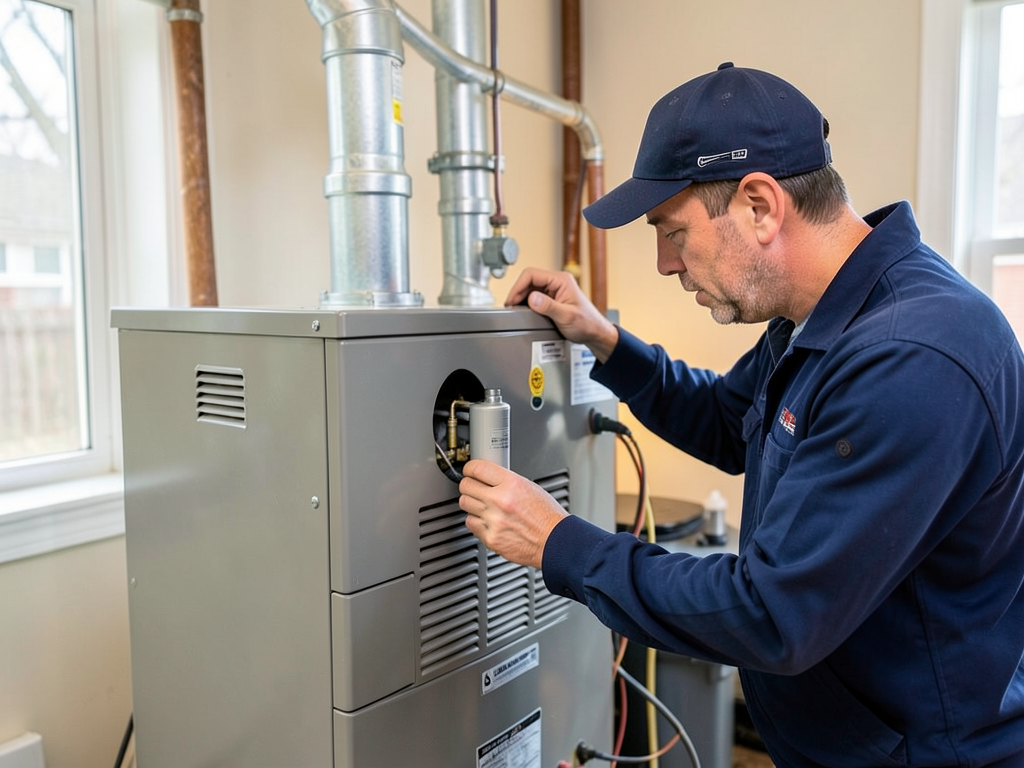
Comparing Steam and Evaporative Humidifiers for Large Homes in Rochester Choosing between steam and evaporative humidifiers for your large Rochester home depends on several factors including your home's size, your heating system, and your maintenance…
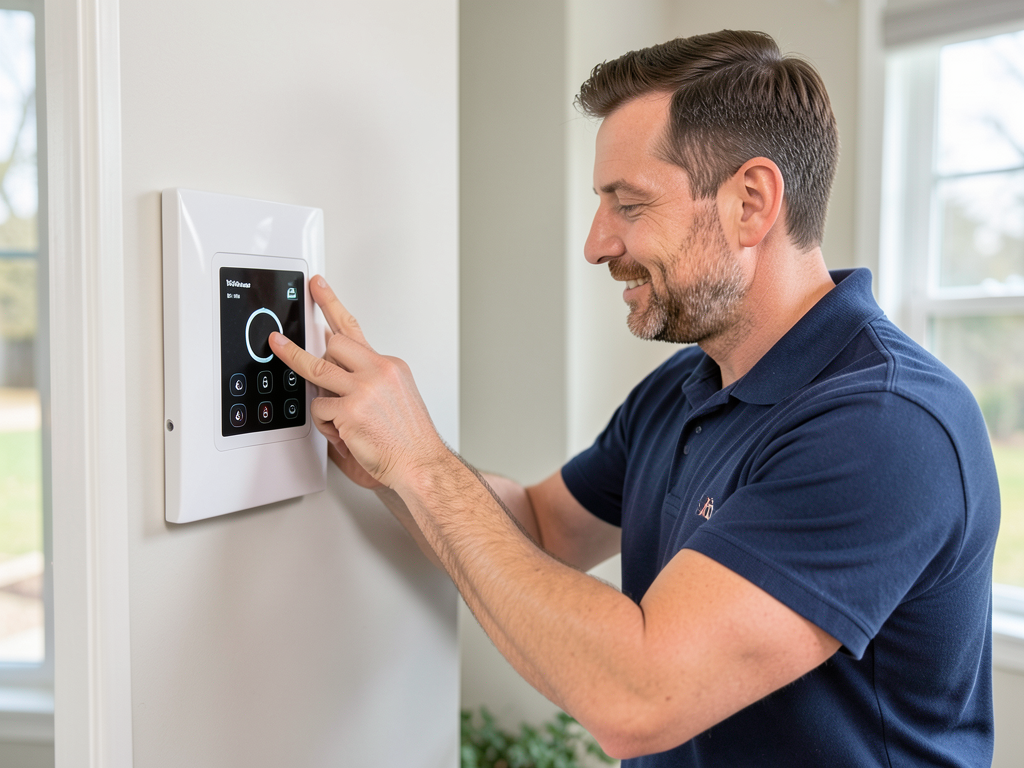
Adapting HVAC Controls for Seniors Aging in Place in West Bloomfield Seniors in West Bloomfield…
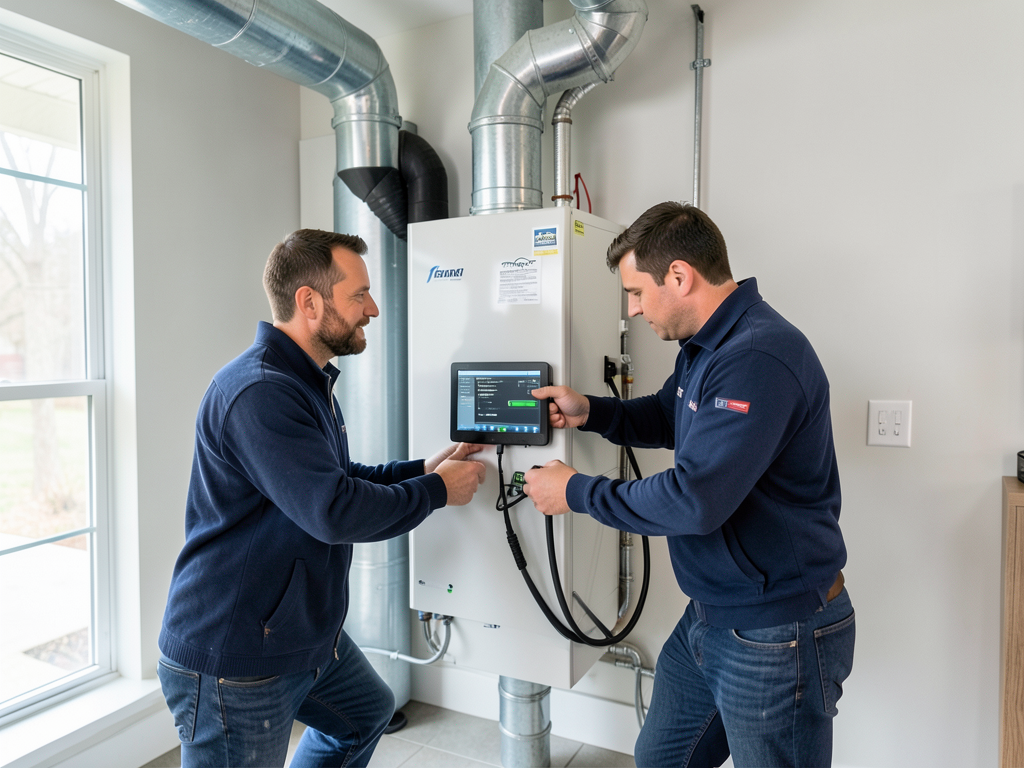
Removing Chemical Smells and VOCs from Your Newly Built Troy Home That new home smell…
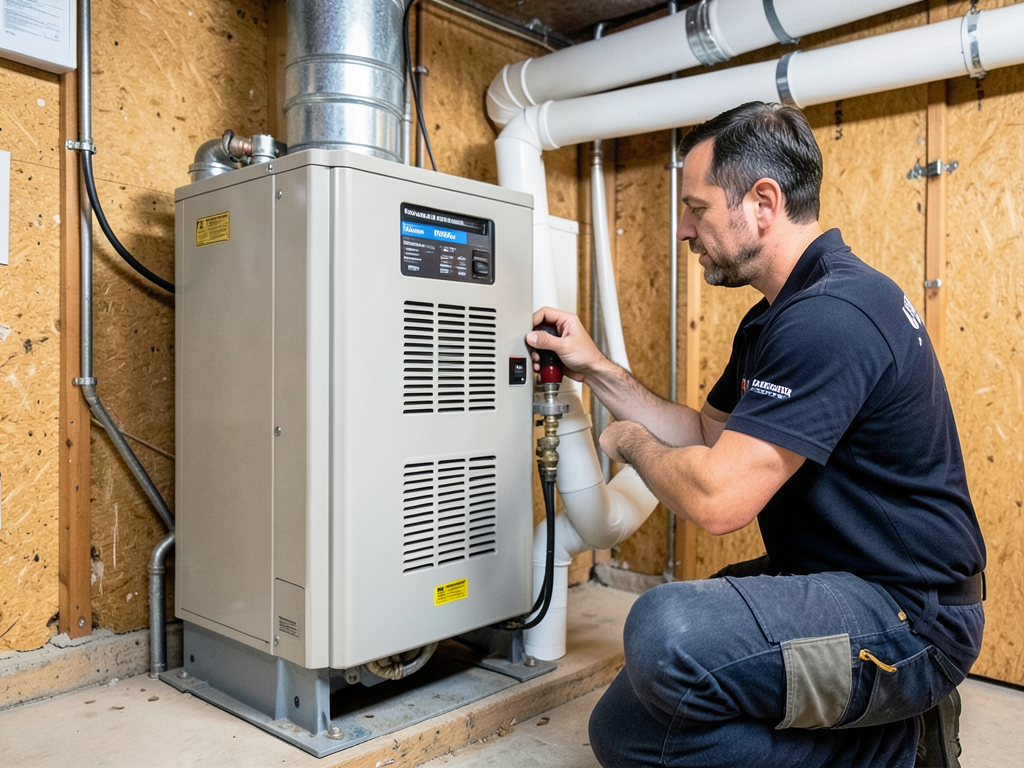
Understanding AFUE Ratings and How Much They Really Save Dearborn Homeowners AFUE stands for Annual…
Your comfort matters. Whether you need emergency repairs or want to discuss system replacement options, call Ace HVAC Detroit at (313) 552-7177 right now. We answer phones, schedule service quickly, and arrive prepared to fix your heating or cooling problem correctly the first time.