Menu

Geothermal Heating & Cooling in Detroit – Cut Your Energy Bills by Up to 70% Year-Round

Ground source heat pumps tap into Detroit's stable underground temperatures to deliver the most efficient climate control available, reducing your dependence on natural gas and grid electricity while providing consistent comfort through Michigan's temperature extremes.

Slider Image 1
Slider Image 2
Slider Image 3
Slider Image 4
Slider Image 5
Slider Image 7
Slider Image 8
Slider Image 9
Slider Image 10
Slider Image 11

Why Detroit Property Owners Are Switching to Geothermal HVAC Systems

Detroit winters hit below zero. Summers spike into the 90s with brutal humidity. Your conventional furnace and air conditioner work overtime fighting these extremes, burning through fuel and electricity while your utility bills climb every season.

Traditional HVAC systems lose efficiency when outdoor temperatures become extreme. When your air conditioner struggles in 95-degree heat or your furnace fights subzero cold, you are paying premium rates for diminished performance. Detroit's freeze-thaw cycles also stress conventional outdoor units, shortening their lifespan and increasing repair frequency.

Geothermal heat pumps solve this problem by accessing the earth's constant 50-55 degree temperature just below the frost line. Instead of generating heat through combustion or fighting outdoor air temperatures, ground-coupled heat pumps move existing thermal energy between your home and the ground. This geoexchange process works identically in January and July because subsurface temperatures remain stable year-round.

The system uses a closed-loop network of underground pipes filled with water or antifreeze solution. In winter, the fluid absorbs ground heat and carries it to your heat pump, which concentrates and distributes it through your ductwork. In summer, the process reverses, pulling heat from your indoor air and depositing it into the cooler ground.

Detroit's clay-heavy soil and adequate water table make geothermal installations particularly effective in Southeast Michigan. The soil composition provides excellent thermal conductivity, and the region's geology supports both vertical and horizontal loop configurations. Properties throughout Wayne County, from historic neighborhoods near Woodward Avenue to newer developments in the suburbs, can accommodate geothermal HVAC systems.

You eliminate the combustion risks of furnaces, reduce your carbon footprint, and operate the most efficient climate control system available. Ground source heat pumps deliver four units of energy for every one unit of electricity consumed.

Why Detroit Property Owners Are Switching to Geothermal HVAC Systems
How Geothermal Systems Deliver Superior Performance in Michigan Climate

How Geothermal Systems Deliver Superior Performance in Michigan Climate

Geothermal systems outperform conventional HVAC because they work with physics, not against weather. The technology transfers heat rather than creating it, which requires far less energy than combustion or electric resistance heating.

The ground loop field is the foundation of system performance. We calculate your loop size based on heating and cooling loads, soil thermal conductivity, and available land area. Vertical loops use bore holes drilled 150-400 feet deep in a compact footprint. Horizontal loops require more surface area but install at 6-10 feet depth in trenches. Pond loops submerge coils in nearby water bodies when available. Each configuration matches your property constraints and geological conditions.

The heat pump unit inside your home contains a compressor, heat exchanger, and refrigerant circuit. It connects to your existing ductwork or can pair with radiant floor heating for maximum efficiency. The system includes a desuperheater that captures waste heat to preheat your domestic hot water, adding another efficiency layer.

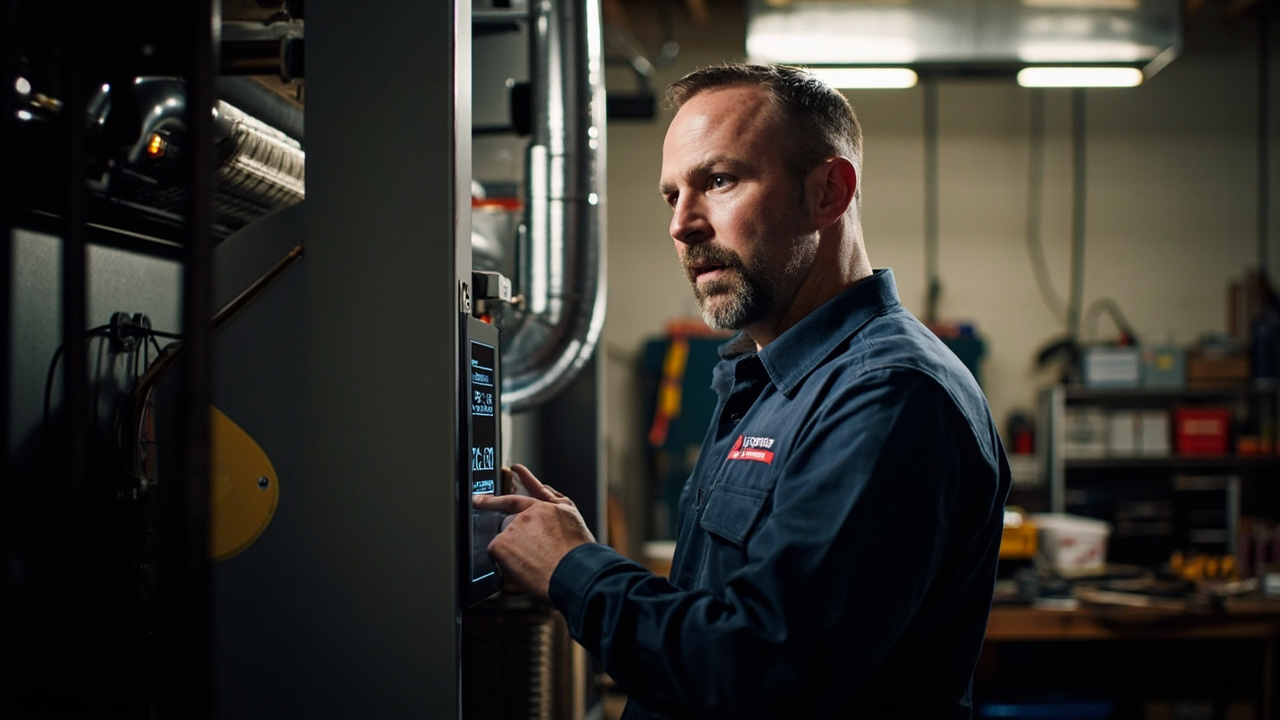
Advanced controls optimize system operation by monitoring indoor conditions, ground loop temperatures, and auxiliary heat staging. Variable-speed compressors adjust output to match your real-time demand, eliminating the on-off cycling that wastes energy in single-stage equipment.

Detroit's building codes and utility incentives have evolved to support geothermal adoption. DTE Energy offers rebates for qualified installations, and federal tax credits cover up to 30% of project costs through 2032. We handle permitting through Wayne County and coordinate utility interconnection requirements.

The installation timeline runs 3-7 days depending on loop configuration. We protect your landscaping during trenching, restore all disturbed areas, and pressure-test the ground loop before commissioning. Ace HVAC Detroit uses fusion welding on all polyethylene pipe connections to eliminate leak potential and ensure decades of reliable operation.

Your Geothermal Installation Timeline

Geothermal Heating & Cooling in Detroit – Cut Your Energy Bills by Up to 70% Year-Round
01

Site Assessment and System Design

We evaluate your property's soil composition, available land area, and existing HVAC infrastructure. A thermal load calculation determines your required system capacity. We test soil thermal conductivity, identify underground utilities through MISS DIG, and select the optimal loop configuration. You receive a detailed proposal showing equipment specifications, loop field layout, projected energy savings, and total project investment.
02

Ground Loop Installation

Drilling rigs or excavation equipment create your loop field based on the approved design. We install high-density polyethylene pipe in vertical bores or horizontal trenches, then fusion-weld all connections. The closed-loop system gets filled with heat transfer fluid and pressure-tested for 48 hours to verify integrity. All excavated areas receive final grading and restoration to match your existing landscape.
03

Heat Pump Installation and Commissioning

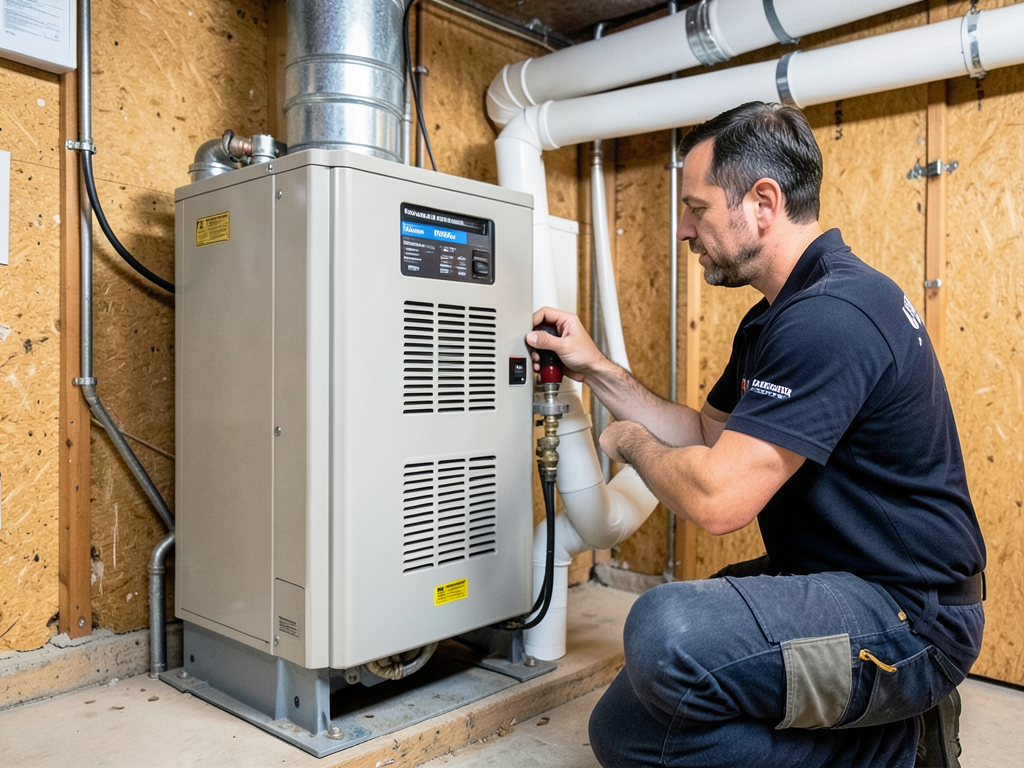
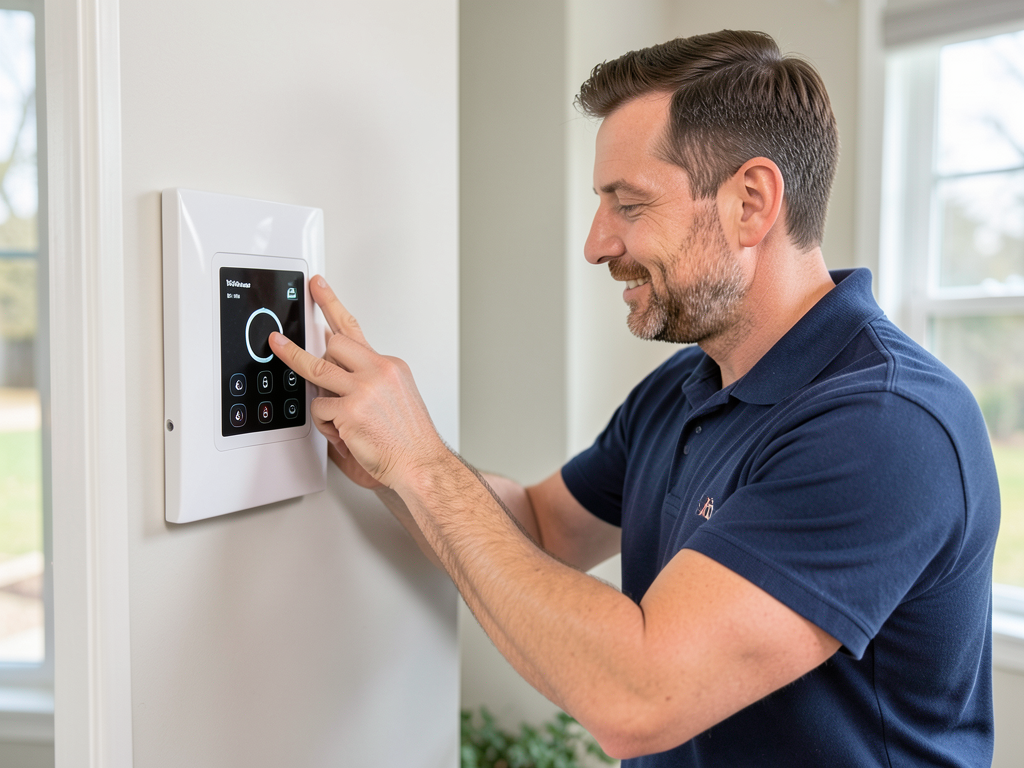
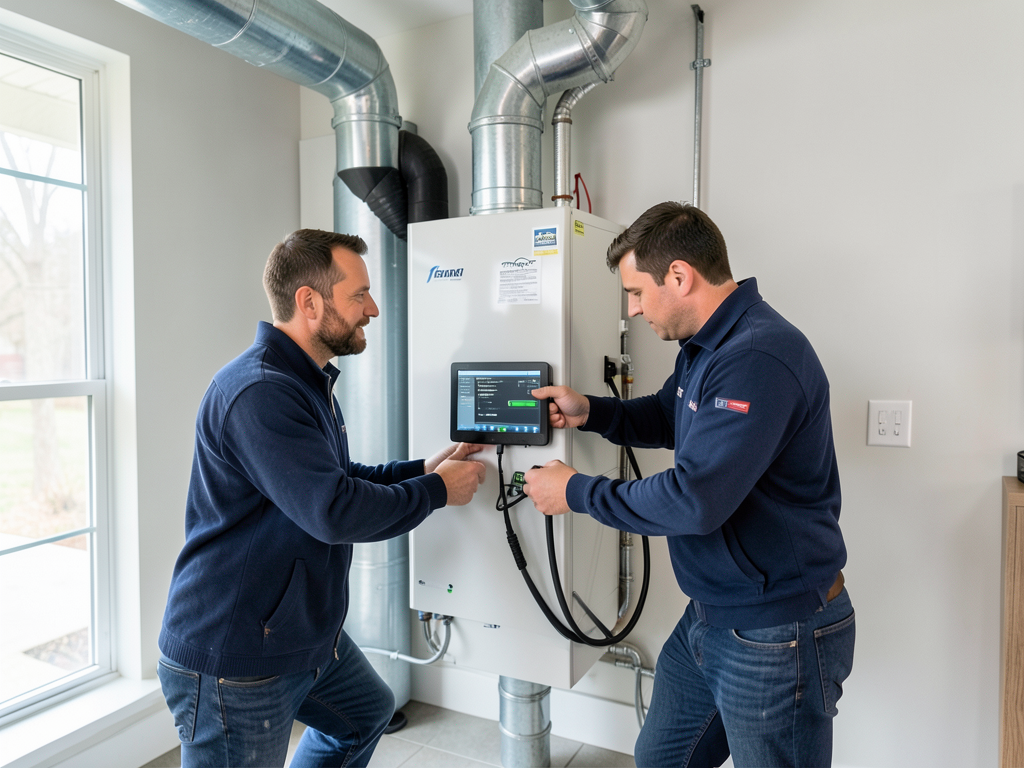
The indoor heat pump unit mounts in your mechanical room or basement and connects to your ductwork. We integrate the desuperheater with your water heater, install the programmable thermostat, and verify all electrical connections meet code. System commissioning includes refrigerant charge verification, airflow balancing, and control calibration. We demonstrate operation, provide maintenance guidelines, and register your equipment warranty.

Why Detroit Homeowners Trust Ace HVAC Detroit for Geothermal Installations

Geothermal systems represent a significant investment and require specialized expertise. Most HVAC contractors lack the geological knowledge, drilling relationships, and engineering background to design and install ground source heat pumps correctly. We bring that specific experience to every Detroit-area project.

Our technicians hold International Ground Source Heat Pump Association (IGSHPA) accreditation, the industry standard for geothermal competency. This training covers loop design calculations, soil thermal properties, heat pump sizing, and refrigerant handling specific to geoexchange systems. We partner with licensed drilling contractors who understand Southeast Michigan's subsurface conditions and have completed hundreds of local bore installations.

Detroit's building stock ranges from century-old homes with radiator heat to modern construction with forced air systems. We adapt geothermal solutions to both scenarios. Older homes may benefit from transitioning to radiant floor heating, which operates efficiently at the lower water temperatures geothermal systems produce. Homes with existing ductwork can often use that infrastructure with minimal modification.

We navigate Wayne County permitting requirements, which include mechanical permits for heat pump installation and potential zoning review for ground loop fields. Properties in historic districts may face additional oversight. Our familiarity with local building officials and inspection procedures keeps your project moving without delays.

The geology beneath Detroit varies from dense clay to sandy loam, affecting thermal conductivity and drilling conditions. We conduct site-specific soil analysis rather than using generic assumptions. This precision ensures your loop field performs as calculated and eliminates the undersized installations that plague amateur geothermal projects.

You work with a single point of accountability from design through commissioning. We coordinate drilling, excavation, mechanical installation, and electrical integration. Our service area covers Wayne, Oakland, and Macomb Counties, and we maintain long-term relationships with our geothermal customers for ongoing maintenance and support.

What Your Geothermal Project Includes

Project Timeline and Installation Process

Site assessment and engineering design require 1-2 weeks. Ground loop installation takes 2-4 days for vertical systems or 3-5 days for horizontal configurations, weather dependent. Indoor heat pump installation and system commissioning add another 2-3 days. Total project duration runs 3-4 weeks from signed contract to operational system. We schedule installations during optimal weather windows to protect your property and ensure efficient excavation. Spring and fall offer ideal conditions, though we complete projects year-round when scheduling requires it.

Comprehensive Site Evaluation

Your consultation includes property survey, soil analysis, and thermal load calculation. We examine your current HVAC system, ductwork condition, and insulation levels. Underground utility locations get marked through MISS DIG before any excavation. We identify the most cost-effective loop configuration for your available land area and discuss aesthetic considerations for yard restoration. You receive a detailed proposal showing equipment specifications, energy savings projections, available incentives, and financing options. The assessment takes 60-90 minutes and includes answering all questions about geothermal technology and long-term performance expectations.

System Performance and Efficiency

You receive consistent heating and cooling regardless of outdoor temperature extremes. The system operates quietly without the outdoor condenser noise conventional air conditioners produce. Indoor air quality improves because geothermal heat pumps provide superior humidity control and eliminate combustion byproducts. Energy consumption drops 40-70% compared to conventional HVAC, with the largest savings occurring during Detroit's coldest and hottest periods when traditional systems work hardest. The desuperheater integration reduces water heating costs by preheating your domestic hot water using waste heat from the refrigeration cycle.

Long-Term Support and Maintenance

Ground loops carry a 50-year life expectancy and require no maintenance. The indoor heat pump equipment needs annual service including filter changes, coil cleaning, refrigerant level checks, and electrical connection inspection. We offer maintenance agreements covering these requirements and priority service scheduling. Manufacturer warranties cover parts for 5-10 years depending on component. The ground loop warranty typically extends 25-50 years. We maintain detailed service records and provide system performance monitoring to verify your energy savings match projections. Our technicians respond to service calls within 24 hours and stock common replacement parts for minimal downtime.

Frequently Asked Questions

You Have Questions,
We Have Answers

What is the downside of geothermal heating? +

The primary downside is upfront cost. Geothermal systems require drilling or trenching to install ground loops, which runs significantly higher than traditional HVAC equipment. In Detroit, clay soil and seasonal frost lines can complicate installation and add expense. You also need adequate yard space for horizontal loops or budget for vertical drilling. Some older Detroit homes lack existing ductwork, adding another cost layer. Installation disrupts landscaping temporarily. However, once installed, operating costs drop dramatically compared to natural gas furnaces or standard air conditioners. The investment pays back over time through lower monthly utility bills and decades of reliable performance.

Is geothermal heating and cooling worth it? +

Yes, for most Detroit homeowners planning to stay long-term. Geothermal cuts heating and cooling costs by 30 to 60 percent compared to conventional systems. With Michigan winters demanding heavy furnace use and humid summers requiring constant air conditioning, the energy savings compound quickly. Federal tax credits cover 30 percent of installation costs through 2032, shortening payback periods. Geothermal systems last 25 years for indoor components and 50-plus years for ground loops. You eliminate fuel price volatility and reduce your carbon footprint. If you plan to move within five years, payback may not justify the investment. For decade-plus homeowners, geothermal delivers strong financial and comfort returns.

How much does it cost to put geothermal in a 2000 sq ft house? +

Expect to invest between $20,000 and $40,000 for a complete geothermal system in a 2,000-square-foot Detroit home. Cost varies based on soil conditions, loop type, and existing ductwork. Horizontal loops require more yard space but cost less than vertical drilling. Clay soil common in metro Detroit can increase excavation difficulty. Older homes without ducts need additional investment for distribution systems. After the 30 percent federal tax credit, net costs drop to $14,000 to $28,000. Financing options through utilities or specialized lenders spread payments over time. Compare this to furnace and AC replacement costs, then factor in 50 percent lower monthly energy bills for accurate ROI calculations.

How does the 30% tax credit work for geothermal? +

The federal government offers a 30 percent tax credit on total geothermal installation costs through 2032, then steps down to 26 percent in 2033 and 22 percent in 2034. This covers equipment, labor, ground loops, and necessary electrical work. If you spend $30,000 on a system, you claim $9,000 directly off your federal tax liability when filing. You must own the home and have enough tax liability to absorb the credit, though unused portions can roll forward to subsequent years. Keep all invoices and contractor documentation. The system must meet Energy Star requirements. Consult a tax professional to maximize your credit and understand Michigan state incentives that may stack on top.

Why is my electric bill so high with geothermal? +

High electric bills with geothermal often signal system inefficiency or incorrect sizing. Your heat pump may be undersized for Detroit winters, forcing auxiliary electric resistance heat to engage frequently. This backup heat consumes massive power. Thermostat settings matter. Running the system in emergency heat mode bypasses the efficient heat pump entirely. Ductwork leaks waste conditioned air. Dirty filters restrict airflow and reduce efficiency. Ground loop issues, like low fluid levels or air pockets, force the compressor to work harder. Compare your usage to pre-geothermal bills and check for a spike in winter months. A qualified technician should test system performance, check refrigerant levels, and verify proper loop operation to restore expected savings.

What is the life expectancy of a geothermal system? +

Geothermal systems offer exceptional longevity. Indoor heat pump components last 20 to 25 years with proper maintenance, comparable to quality furnaces but outlasting standard air conditioners. The ground loop, buried in your Detroit yard, lasts 50 years or longer since it contains no moving parts and operates in stable underground temperatures. Heat exchangers and pumps may need replacement once during the system's life. Compare this to furnaces requiring replacement every 15 to 20 years and air conditioners failing after 12 to 15 years. You replace the indoor unit once or twice in your homeownership, but the expensive ground loop remains functional for half a century, delivering ongoing value.

What is the biggest problem when using geothermal energy? +

The biggest problem is high installation cost and finding experienced contractors. Geothermal requires specialized knowledge of ground loop design, soil thermal properties, and heat pump sizing that many HVAC technicians lack. In Detroit, installers must account for clay soil, frost depth, and lot size constraints. Poor installation causes permanent efficiency losses. Inadequate loop sizing leaves you with high bills and uncomfortable temperatures. Vertical drilling requires specialized equipment not all contractors own. Homeowners also underestimate yard disruption during installation. Once installed correctly, geothermal systems run reliably for decades. The challenge lies in upfront investment and securing a qualified installer who understands Detroit soil conditions and climate demands.

What size yard do I need for geothermal? +

Yard size depends on loop type and home heating load. Horizontal loops for a typical Detroit home need roughly 1,200 to 2,500 square feet of yard space, with trenches four to six feet deep. This works for suburban properties but challenges urban lots. Vertical loops require minimal surface area, drilling 150 to 400 feet down in a compact footprint, ideal for smaller city lots. Pond loops work if you have a nearby water body with adequate depth and volume. A qualified installer assesses your property, soil type, and heating needs to recommend the best configuration. Limited yard space does not disqualify you from geothermal, it just shifts you toward vertical drilling solutions.

Does geothermal require a lot of maintenance? +

Geothermal requires minimal maintenance compared to furnaces and air conditioners. Change or clean air filters monthly during heavy use. Annual professional inspections check refrigerant levels, electrical connections, and loop fluid pressure. The ground loop itself needs no maintenance. No combustion means no carbon monoxide risk, no flue cleaning, and no ignition component failures. Detroit homeowners avoid furnace tune-ups and AC coil cleanings. You may need to top off loop fluid every few years or flush the system once per decade. Outdoor components face less weather stress than traditional condensers. Overall, geothermal systems demand less attention and fewer service calls, reducing long-term ownership hassle and costs.

Is geothermal worth it in 2025? +

Yes, geothermal makes strong financial sense in 2025 for Detroit homeowners. The 30 percent federal tax credit remains available through 2032, maximizing savings on installation. Energy costs continue rising, making geothermal's efficiency more valuable. Michigan winters demand heavy heating, where geothermal excels over natural gas or propane. Improved heat pump technology handles sub-zero temperatures better than older models. Financing options have expanded, easing upfront barriers. If you plan to stay in your home for 10-plus years, geothermal delivers measurable ROI through lower utility bills, increased home value, and reduced carbon emissions. The technology is proven, reliable, and increasingly affordable with available incentives.

How Detroit's Soil Composition Affects Geothermal Heat Pump Performance

Southeast Michigan sits on glacial till deposits that left behind clay-rich soil with excellent thermal mass properties. This dense soil conducts heat efficiently, allowing shorter ground loops compared to sandy or rocky terrain. The water table depth in metro Detroit ranges from 5-20 feet in most areas, providing additional thermal stability for horizontal loop fields. Properties near the Detroit River or inland lakes can utilize pond loop configurations that offer the highest efficiency at lower installation costs. The region's geology eliminated the bedrock drilling challenges common in northern Michigan, making vertical bore installations straightforward and cost-effective.

Wayne County adopted updated mechanical codes recognizing geothermal systems as the efficiency standard for new construction and major renovations. Detroit's commitment to reducing carbon emissions and improving housing stock quality has accelerated geothermal adoption in both residential and commercial properties. Ace HVAC Detroit has completed installations from Indian Village historic homes to Grosse Pointe lakefront properties to commercial buildings in the downtown core. Our relationships with local inspectors, drilling contractors, and utility providers streamline the approval process and ensure your project meets all regulatory requirements without unnecessary delays or complications.
HVAC Services in The Detroit Area

We invite you to explore our service area and locate our business on the map. Ace HVAC is strategically positioned to efficiently serve all residential and commercial clients within the Detroit metropolitan area and surrounding communities, ensuring prompt response times and convenient access to our expert heating and cooling solutions whenever you need us.

Address:
Ace HVAC Detroit, 7300 Woodward Ave, Detroit, MI, 48202

Additional Services We Offer

Our news updates

Latest Articles & News from The Blogs

Why Financing Your Detroit HVAC System Makes Sense Detroit homeowners face extreme seasonal swings. Winter lows can drop below zero…

How to Choose an HVAC Financing Plan That Won't Break Your Monthly Budget

Why Financing Your Detroit HVAC System Makes Sense Detroit homeowners face extreme seasonal swings. Winter lows can drop below zero…

Why Your New Center Apartment Smells Like Burning Dust Every Time the Heat Kicks On

Why Your New Center Apartment Smells Like Burning Dust Every Time the Heat Kicks On That burning dust smell when…

Comparing the Most Reliable Furnace Brands for the Harsh Winters in Shelby Township

Comparing the Most Reliable Furnace Brands for the Harsh Winters in Shelby Township\n\nWhen a January Polar Vortex hits Shelby Township…

Contact Us

Find out if geothermal makes sense for your Detroit property. We will evaluate your site, calculate potential savings, and explain available incentives. Call Ace HVAC Detroit at (313) 552-7177 or request your consultation online. Start saving on your energy bills this year.