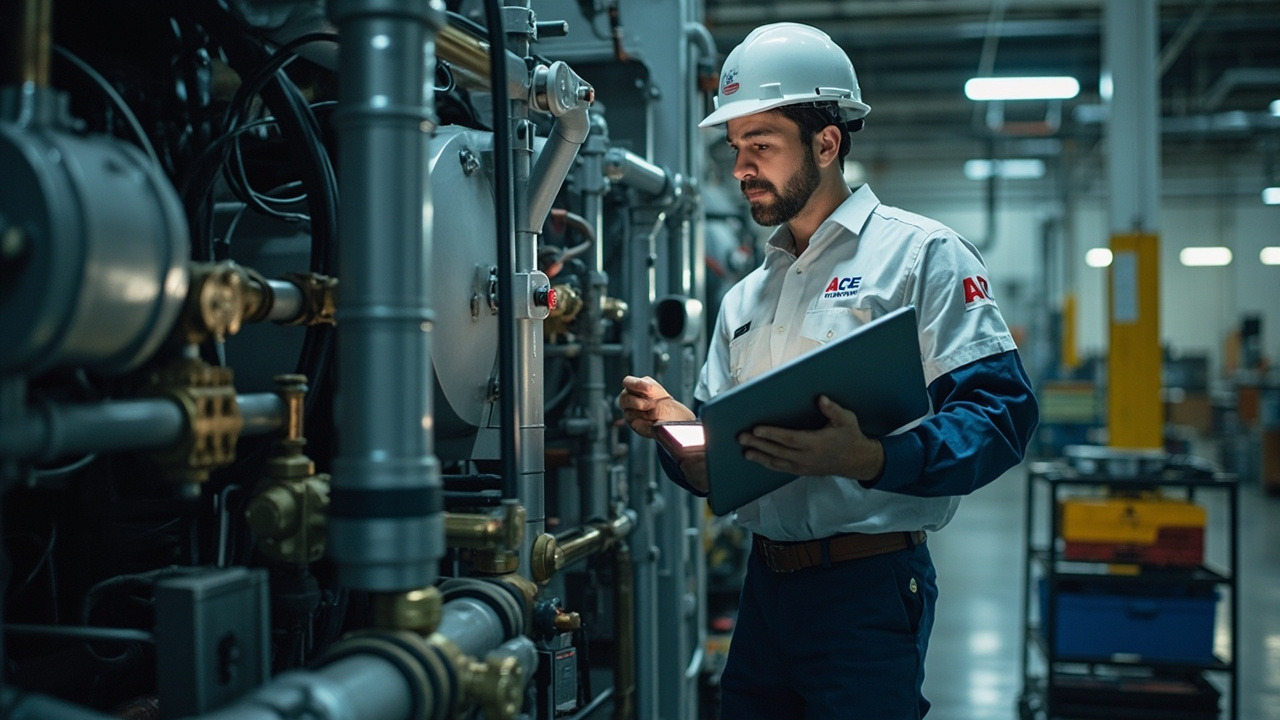


Detroit's concentrated manufacturing sector creates cooling demands found in few other markets. The automotive supplier corridor along I-94 houses injection molding operations requiring precise mold temperature control. The pharmaceutical facilities in New Center demand validated cooling systems meeting FDA requirements. Eastern Market food processors need USDA-compliant process cooling. This industrial diversity means service providers must understand vastly different cooling applications, not just generic chiller maintenance. The region's heavy industrial legacy also means facilities often run equipment decades past typical service life, requiring expertise with older compressor technologies and obsolete control systems no longer supported by original manufacturers.
Detroit industrial facilities benefit from working with service providers who understand local building codes and environmental regulations specific to Wayne County. Refrigerant management follows Michigan Department of Environment, Great Lakes, and Energy requirements that exceed federal EPA standards. Facilities discharging condenser water must comply with Detroit Water and Sewerage Department permit conditions. Older facilities undergoing equipment upgrades face city electrical inspection requirements and potential utility rebate opportunities through DTE Energy efficiency programs. Local expertise eliminates compliance surprises and identifies cost recovery opportunities unavailable to generic national service chains unfamiliar with Detroit-specific regulations and utility programs.