Menu

Carbon Monoxide Leak Detection in Detroit – Immediate Response, 24/7 Emergency Testing Available Now

When your CO detector goes off or you suspect a leak, every second counts. Carbon Monoxide Leak Detection services from Ace HVAC Detroit deploy fast to protect your family from this silent, deadly gas with professional testing and immediate containment.

Slider Image 1
Slider Image 2
Slider Image 3
Slider Image 4
Slider Image 5
Slider Image 7
Slider Image 8
Slider Image 9
Slider Image 10
Slider Image 11

Why Carbon Monoxide Leaks Demand Immediate Action in Detroit Homes

Carbon monoxide is odorless, colorless, and lethal. You cannot see it, smell it, or taste it. A leak can turn deadly before you realize what is happening. In Detroit, where older furnaces, water heaters, and boiler systems are common in homes throughout neighborhoods like Palmer Woods and Indian Village, malfunctioning equipment poses a constant risk. Winter months increase that risk. When your furnace runs continuously to fight freezing temperatures, cracked heat exchangers, blocked flue pipes, or backdrafting chimneys can send CO directly into your living space.

The symptoms mimic the flu. Headaches, dizziness, nausea, confusion. Many residents dismiss these signs until it is too late. Emergency carbon monoxide testing is not optional when an alarm sounds or symptoms appear. Professional CO leak inspection identifies the source, measures concentration levels, and stops the problem before it causes permanent harm or death. Detroit's mix of historic homes and aging HVAC infrastructure means urgent carbon monoxide check services are more critical here than in newer suburban developments. CO gas detection service must be precise, fast, and thorough. A cheap handheld meter will not locate hidden leaks in ductwork, behind walls, or inside sealed combustion chambers. You need calibrated equipment, thermal imaging, and an expert who knows where to look.

If your CO detector alarmed, if someone in your home feels sick for no reason, or if you smell exhaust near your furnace, leave immediately. Call for carbon monoxide leak testing the moment you reach safety. This is not a DIY situation. This is life or death.

Why Carbon Monoxide Leaks Demand Immediate Action in Detroit Homes
How Professional CO Leak Detection Works in Detroit Homes

How Professional CO Leak Detection Works in Detroit Homes

Carbon monoxide leak testing begins with calibrated digital analyzers that measure gas concentration in parts per million. We test ambient air in every room, near sleeping areas, and at potential leak points like furnace cabinets, water heater vents, and chimney flue connections. Ace HVAC Detroit uses multi-gas detectors that differentiate between CO and other combustion byproducts. This precision matters. A reading of 9 ppm might seem safe, but sustained exposure at that level causes cumulative damage. We document exact readings and compare them to EPA and OSHA thresholds.

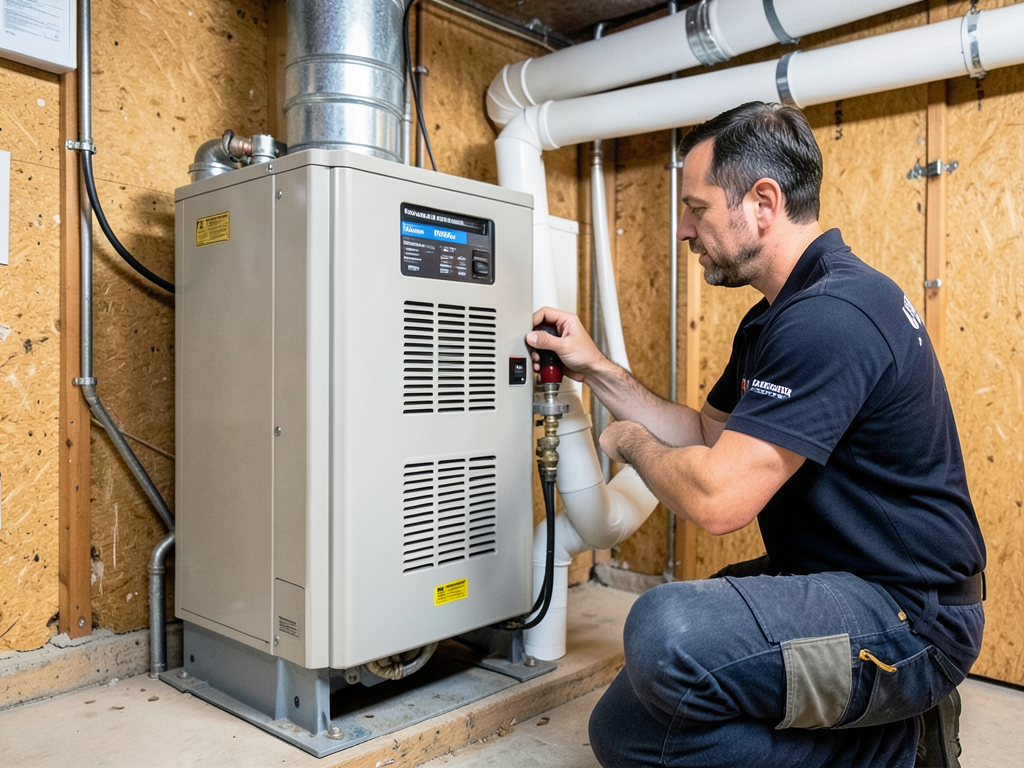
Next, we inspect every fuel-burning appliance. Furnaces get a combustion analysis. We check for cracked heat exchangers, which are the leading cause of residential CO poisoning in Detroit. A crack as thin as a credit card edge can release lethal gas into your air handler. We pull the burner assembly, inspect the exchanger with a borescope, and test flue draft pressure. If your furnace is backdrafting, combustion gases are not venting outside. They are venting into your home.

Water heaters and boilers receive the same scrutiny. We verify proper venting, check for rust or corrosion in the flue pipe, and test the draft hood. Blocked chimneys are common in older Detroit homes where masonry deteriorates or animals nest in the flue. We use smoke tests to confirm adequate draft. Professional CO leak inspection also includes checking your garage if it shares a wall with living space. Car exhaust, lawn equipment, and gas-powered tools can all introduce CO.

We do not leave until we identify the source, measure safe levels, and confirm your home is secure. This is not a quick sweep with a detector. This is systematic, methodical investigation using commercial-grade equipment.

What Happens During an Emergency CO Detection Call

Carbon Monoxide Leak Detection in Detroit – Immediate Response, 24/7 Emergency Testing Available Now
01

Immediate Dispatch and Arrival

When you call our emergency line, we dispatch a technician immediately. No appointments, no waiting until morning. We arrive with calibrated CO analyzers, thermal imaging cameras, and full diagnostic equipment. You stay outside or in a safe location while we enter and begin testing. Our first priority is confirming whether dangerous levels exist and whether it is safe for anyone to re-enter the property.
02

Source Identification and Testing

We test air quality in every room, then focus on appliances and venting systems. Furnaces, water heaters, boilers, fireplaces, and any gas-burning equipment get inspected. We measure flue draft, check heat exchangers, and use combustion analyzers to test exhaust composition. Thermal imaging reveals hot spots that indicate cracks or breaches in sealed combustion systems. This step identifies exactly where CO is entering your home.
03

Containment and Clearance Verification

Once we locate the source, we shut down the offending equipment and ventilate your home. We retest air quality every 15 minutes until CO levels drop below 9 ppm in all zones. If the furnace or water heater is the culprit, we tag it out of service and explain repair options. We provide a written report with all readings, identified hazards, and recommended corrective actions. You get clearance to return only when we confirm your home is safe.

Why Detroit Residents Trust Ace HVAC for CO Emergencies

Detroit has a unique housing stock. Homes in neighborhoods like Rosedale Park, Sherwood Forest, and University District were built between 1920 and 1950. Many still have original boilers, cast iron radiators, and gravity furnaces. These systems were not designed with modern safety controls. Cracked heat exchangers, deteriorating flue pipes, and inadequate combustion air are common. We see it every winter. A homeowner calls because their CO detector went off. We arrive and find a 60-year-old furnace with a heat exchanger that looks like Swiss cheese.

Ace HVAC Detroit has worked in these homes for years. We know the common failure points in older equipment. We understand how Detroit's freeze-thaw cycles cause chimney masonry to crack and flue liners to separate. We know that homes with finished basements often lack adequate combustion air, causing furnaces to backdraft. This is local knowledge you cannot get from a national chain or a contractor who works primarily in new construction.

Our technicians carry advanced diagnostic equipment that most residential HVAC companies do not own. Combustion analyzers, digital manometers for measuring draft pressure, infrared cameras for finding hidden cracks. We invest in this equipment because CO detection requires precision. A basic handheld detector will tell you CO is present. It will not tell you the concentration, the source, or whether levels are rising or falling. Our equipment does.

We also understand the urgency. Carbon monoxide poisoning does not wait for business hours. When you call our emergency line, you get a live person who dispatches a technician immediately. We do not route you to a call center in another state. We do not tell you to call back Monday. We respond, day or night, because we know what is at stake. Detroit families trust us because we have proven, over and over, that we show up when it matters most.

What to Expect When You Call for Emergency CO Testing

Response Time and Availability

We maintain 24/7 emergency availability year-round. When you call (313) 552-7177, we dispatch a technician to your Detroit location immediately. Most emergency CO detection calls receive response within 60 to 90 minutes, depending on your location and current call volume. We prioritize active alarms and cases where occupants are experiencing symptoms. You will receive a call from the responding technician with an estimated arrival time. We do not make you wait until the next business day. CO emergencies get handled now, not later. Our trucks carry all necessary testing equipment, so there are no delays for supply runs or equipment pickups.

On-Site Testing and Diagnosis

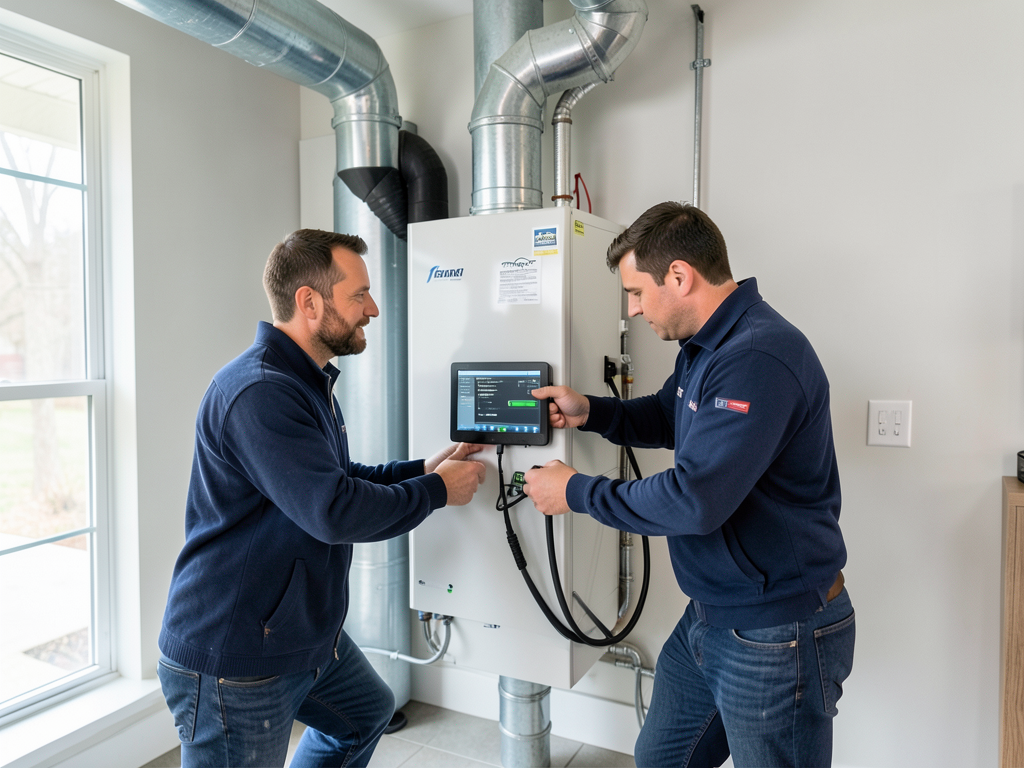
The technician arrives with calibrated multi-gas analyzers and begins testing immediately. We measure CO concentration in every room, near sleeping areas, and at all fuel-burning appliances. Furnaces receive a full combustion analysis. We inspect heat exchangers, check flue draft, and verify proper venting. Water heaters, boilers, fireplaces, and any other gas equipment get the same scrutiny. Thermal imaging identifies hot spots and hidden cracks. We document all findings, take photos, and provide a written report. You receive a complete diagnosis, not a quick sweep. We explain what we found, what it means, and what needs to happen next to make your home safe.

Immediate Safety and Clearance

If we find dangerous CO levels, we shut down the source equipment immediately and ventilate your home. We open windows, use fans, and retest air quality until readings drop to safe levels. If your furnace or water heater is the problem, we tag it out of service and explain repair or replacement options. We do not leave until we confirm your home is safe to occupy. You get a written clearance report with all air quality readings, identified hazards, and recommended corrective actions. If repairs are needed, we provide a detailed estimate and timeline. Your safety is the only priority during an emergency CO call.

Follow-Up Testing and Prevention

After we resolve the immediate danger, we recommend follow-up testing once repairs are complete. This confirms the fix worked and your home remains safe. We also provide guidance on CO detector placement, maintenance schedules, and warning signs to watch for. If your furnace or water heater needed replacement, we test the new equipment during installation and again after the first week of operation. Preventive maintenance plans include annual CO testing as part of routine service. This catches problems before they become emergencies. Many Detroit homeowners schedule fall inspections to verify their heating system is safe before winter. This proactive approach prevents middle-of-the-night emergencies and keeps your family protected.

Frequently Asked Questions

You Have Questions,
We Have Answers

How do you know if carbon monoxide is leaking? +

You cannot see, smell, or taste carbon monoxide. Physical symptoms appear first: headaches, dizziness, nausea, confusion, or flu-like feelings that worsen when you are indoors. If your CO detector alarms, evacuate immediately. Yellow or orange flames from your furnace, soot buildup near appliances, or excessive humidity on windows can signal incomplete combustion. Detroit's aging housing stock increases risk, especially during winter when furnaces run continuously. If you suspect a leak, leave your home, call 911, and contact an HVAC professional to inspect fuel-burning equipment before re-entering.

What's the most common household thing to cause a carbon monoxide leak? +

Your furnace causes most household carbon monoxide leaks. Cracked heat exchangers, blocked vents, or improper combustion allow CO to escape into living spaces instead of exhausting outside. Detroit homes with older gas furnaces face higher risk, especially units over 15 years old. Water heaters, gas ranges, and fireplaces also produce CO if malfunctioning. Neglected annual maintenance compounds the danger. Detroit's harsh winters force furnaces to work harder, accelerating wear on heat exchangers. Schedule annual inspections before heating season. Never ignore warning signs like yellow pilot lights or soot streaks near appliances.

How do you test for carbon monoxide leaks? +

Professional HVAC technicians use electronic CO analyzers to measure parts per million in your home's air. They test near fuel-burning appliances, check flue gases, and inspect vent systems for blockages or backdrafting. Low-level CO monitors can detect concentrations below what standard detectors alarm at, catching problems early. Do not rely on home test kits or smartphone apps. They lack accuracy for life-threatening situations. Detroit homeowners should request combustion analysis during annual furnace tune-ups. Technicians inspect heat exchangers with cameras, test draft pressure, and verify proper venting. Professional testing is the only reliable method.

What are two warning signs of carbon monoxide? +

Sudden headaches and dizziness are the two earliest warning signs of carbon monoxide exposure. These symptoms feel like the flu but without fever. They worsen the longer you stay indoors and improve when you leave your home. Other people and pets in your household may show symptoms simultaneously. In Detroit homes, symptoms often appear during winter when windows stay closed and furnaces run constantly. If multiple family members feel sick at the same time, evacuate immediately and call 911. Do not re-enter until emergency responders clear your home and a qualified technician identifies the source.

How long can you live in a house with a carbon monoxide leak? +

You cannot safely live in a house with a carbon monoxide leak. Even low-level exposure causes cumulative damage to your heart and brain over hours or days. High concentrations kill within minutes. Concentration and exposure time determine lethality. At 400 parts per million, you experience headaches within two hours and death within three. Detroit's cold climate means closed homes trap CO faster. You must evacuate immediately when detectors alarm or symptoms appear. Never ignore warnings or try to find the source yourself. Carbon monoxide poisoning is irreversible brain damage or death. Leave, call 911, and get professional repairs before returning.

Can my cell phone detect carbon monoxide? +

No, your cell phone cannot detect carbon monoxide. Some apps claim to use sensors, but smartphones lack the electrochemical cells needed to measure CO accurately. These apps are dangerous misinformation. You need a UL-listed carbon monoxide detector with an audible alarm. Install detectors on every level of your home, especially near sleeping areas. Detroit homeowners should use plug-in detectors with battery backup to maintain protection during power outages. Replace detectors every five to seven years. Digital displays show real-time levels. Do not trust your phone for life-threatening gas detection. Only certified detectors save lives.

How can I test for CO in my home? +

Install UL-listed carbon monoxide detectors on every floor and near bedrooms. Detectors with digital displays show real-time CO levels, even below alarm thresholds. Test detectors monthly and replace batteries twice yearly. For comprehensive testing, hire an HVAC technician with electronic CO analyzers. They measure concentrations throughout your home, inspect fuel-burning appliances, and check venting systems. Detroit homes should get annual furnace inspections before heating season. Technicians use combustion analyzers to test flue gases and heat exchanger integrity. Do not use color-changing cards or app-based tests. Professional equipment and certified detectors are the only reliable methods.

How long does it take for a stove to be on to cause carbon monoxide poisoning? +

A gas stove with all burners on high produces dangerous CO levels within 20 to 30 minutes in poorly ventilated spaces. Actual time varies by kitchen size, ventilation, and burner condition. Detroit's older homes often lack proper kitchen ventilation. Never use your stove or oven for heating. Incomplete combustion from dirty burners or improper air mixture accelerates CO buildup. Cracking windows does not guarantee safety. Modern ranges burn cleaner than older models, but all produce some CO. Install a detector within 10 feet of your kitchen. If you smell gas or see yellow flames, shut off the stove and call for repairs immediately.

What can falsely set off a carbon monoxide detector? +

High humidity, hydrogen gas from charging batteries, and cleaning chemicals with methylene chloride can trigger false alarms. Detectors near bathrooms or garages face higher false alarm rates. Paint fumes and aerosol sprays sometimes cause temporary readings. Detector age matters. Units older than seven years malfunction more often. Detroit homes with basement detectors near furnaces may alarm during startup if venting briefly backdrafts. Never ignore alarms or disable detectors. Treat every alarm as real. Evacuate, call 911, and let professionals determine if the threat is genuine. Replace old detectors and keep them away from high-moisture areas.

How long does it take for carbon monoxide poisoning to kick in? +

Symptom onset depends on concentration. At 400 parts per million, headaches start within two hours. At 1,600 parts per million, dizziness and nausea appear within 20 minutes, death within two hours. At 12,800 parts per million, unconsciousness occurs within three minutes. Detroit homes with malfunctioning furnaces can reach lethal levels overnight while families sleep. Children, elderly, and pregnant women show symptoms faster. Low-level exposure over days causes cumulative damage before symptoms appear. Do not wait for symptoms to act. If your detector alarms, evacuate immediately. Minutes matter. Carbon monoxide poisoning causes permanent brain damage or death.

Why Detroit's Aging Heating Systems Make CO Detection More Critical

Detroit has one of the oldest housing stocks in Michigan. Homes built in the 1920s through 1950s often contain original boilers, gravity furnaces, and cast iron radiators. These systems were engineered before modern safety standards existed. Heat exchangers crack after decades of freeze-thaw cycling. Flue pipes corrode from the inside due to condensation and combustion byproducts. Masonry chimneys deteriorate, causing poor draft and backdrafting. When you combine aging equipment with Detroit's harsh winters, where furnaces run almost continuously from November through March, the risk of carbon monoxide leaks increases dramatically. Emergency carbon monoxide testing is not just a precaution in Detroit. It is a necessity. Professional CO leak inspection identifies problems that homeowners cannot see or smell until symptoms appear. Urgent carbon monoxide check services save lives by catching these invisible threats before they turn fatal.

Ace HVAC Detroit has worked in every neighborhood in this city. We have inspected furnaces in Indian Village mansions, Corktown bungalows, and Palmer Woods colonials. We know the quirks of Detroit's older homes. We understand that many properties lack adequate combustion air because basements were finished without accounting for furnace requirements. We know that homes near the Detroit River face higher humidity, which accelerates corrosion in heat exchangers and flue pipes. This local expertise matters when lives are on the line. CO gas detection service requires more than just a meter. It requires understanding how Detroit's climate, housing stock, and infrastructure create unique risks. We are not just HVAC technicians. We are Detroit residents who understand what it takes to keep our neighbors safe.
HVAC Services in The Detroit Area

We invite you to explore our service area and locate our business on the map. Ace HVAC is strategically positioned to efficiently serve all residential and commercial clients within the Detroit metropolitan area and surrounding communities, ensuring prompt response times and convenient access to our expert heating and cooling solutions whenever you need us.

Address:
Ace HVAC Detroit, 7300 Woodward Ave, Detroit, MI, 48202

Additional Services We Offer

Our news updates

Latest Articles & News from The Blogs

Why Financing Your Detroit HVAC System Makes Sense Detroit homeowners face extreme seasonal swings. Winter lows can drop below zero…

How to Choose an HVAC Financing Plan That Won't Break Your Monthly Budget

Why Financing Your Detroit HVAC System Makes Sense Detroit homeowners face extreme seasonal swings. Winter lows can drop below zero…

Why Your New Center Apartment Smells Like Burning Dust Every Time the Heat Kicks On

Why Your New Center Apartment Smells Like Burning Dust Every Time the Heat Kicks On That burning dust smell when…

Comparing the Most Reliable Furnace Brands for the Harsh Winters in Shelby Township

Comparing the Most Reliable Furnace Brands for the Harsh Winters in Shelby Township\n\nWhen a January Polar Vortex hits Shelby Township…

Contact Us

If your CO detector alarmed or you suspect a leak, leave your home immediately and call (313) 552-7177. Ace HVAC Detroit responds 24/7 to carbon monoxide emergencies across Detroit. We arrive fast, test thoroughly, and do not leave until your home is safe. Call now.