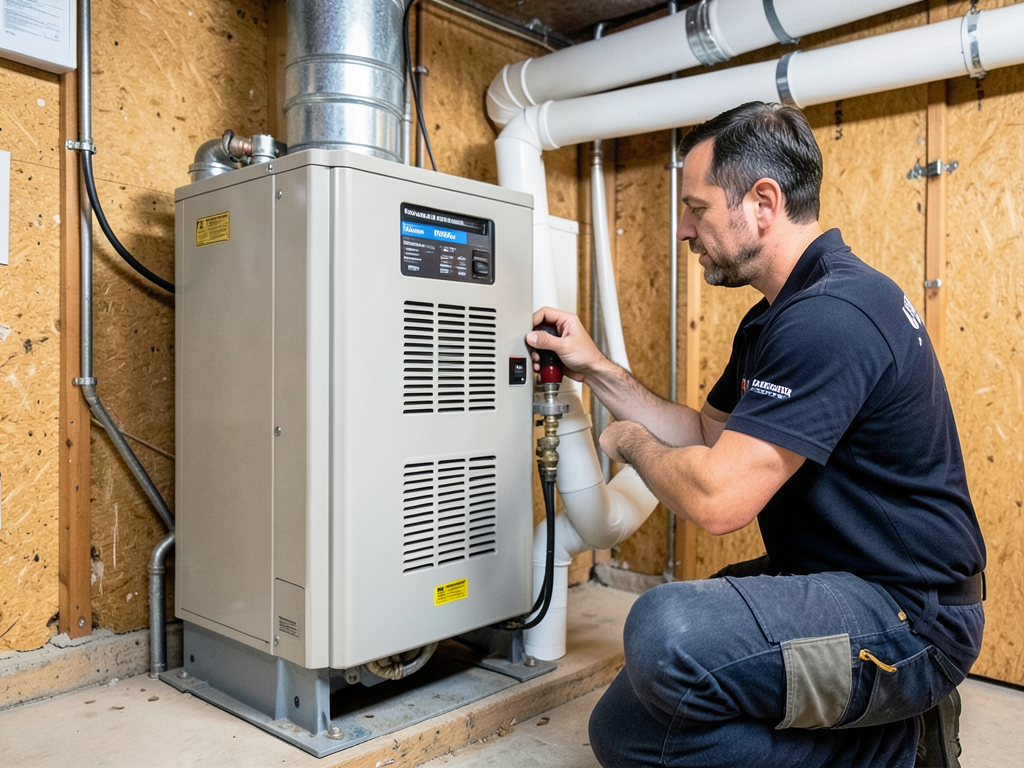
Detroit's housing stock is among the oldest in the Midwest, and many homes still run original furnaces from the 1970s and 1980s. These older units lack the safety features built into modern equipment. Heat exchangers crack after 20 years of expansion and contraction during heating cycles. Detroit's temperature swings from subzero winter nights to mild fall days force furnaces to cycle on and off constantly, accelerating metal fatigue. The result is more cracked heat exchangers per capita than cities with newer housing or milder climates. This makes recognizing carbon monoxide warning signs critical for Detroit residents.
Local HVAC technicians understand the specific equipment installed throughout Metro Detroit. We recognize the furnace brands that dominated local installations in each decade and know their common failure points. Wayne County building codes require carbon monoxide detectors in residential properties, but enforcement is inconsistent in older neighborhoods. Ace HVAC Detroit works with homeowners to bring properties up to current safety standards affordably. Our technicians live in the same communities we serve, and we take carbon monoxide safety personally because our own families face the same risks.