Menu

Commercial AC Repair in Detroit – Industrial-Grade Solutions That Keep Your Business Running

When your commercial cooling system fails, every minute of downtime costs money. Ace HVAC Detroit delivers fast, code-compliant commercial AC repair that minimizes interruptions and protects your bottom line across Detroit's industrial corridors and business districts.

Slider Image 1
Slider Image 2
Slider Image 3
Slider Image 4
Slider Image 5
Slider Image 7
Slider Image 8
Slider Image 9
Slider Image 10
Slider Image 11

Why Detroit's Manufacturing Climate Demands Reliable Commercial Cooling

Detroit's economy runs on manufacturing, logistics, and industrial production. When a warehouse along I-94 loses cooling in July, product spoilage begins within hours. When a Midtown office building's HVAC system fails during a client presentation, your reputation takes the hit.

The Midwest climate creates specific challenges for commercial air conditioning systems. Summer humidity levels averaging 70 percent force compressors to work harder, accelerating wear on contactors and capacitors. Winter temperature swings from 15 degrees to 45 degrees stress refrigerant lines and create thermal expansion issues that residential systems never face.

Detroit's industrial facilities near the Detroit River and in areas like the New Center and Eastern Market operate equipment 24/7. A single production line shutdown due to overheating can cost $10,000 per hour in lost productivity. Commercial hvac repair becomes mission-critical when employee safety regulations mandate specific temperature ranges for warehouse work environments.

The age of Detroit's commercial building stock adds another layer of complexity. Many structures built in the 1950s through 1980s house outdated rooftop units with obsolete refrigerants. When R-22 systems fail in buildings along Woodward Avenue or in the Renaissance Center district, you need a commercial cooling repair team that understands legacy equipment and can source hard-to-find components.

Business ac repair in Detroit requires knowledge of local building codes specific to Wayne County, familiarity with union labor requirements for certain facilities, and the capacity to service multi-zone systems spanning 50,000 square feet or more.

Why Detroit's Manufacturing Climate Demands Reliable Commercial Cooling
Our Diagnostic-First Approach to Industrial AC Repair

Our Diagnostic-First Approach to Industrial AC Repair

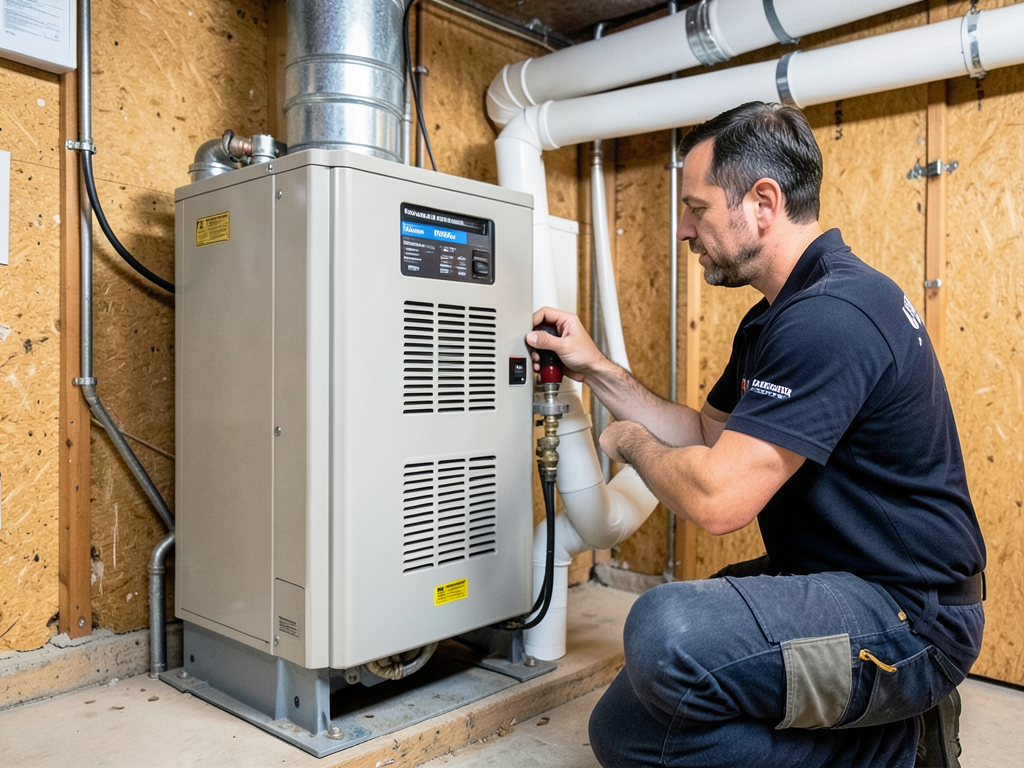
We do not throw parts at problems. Commercial air conditioning repair starts with methodical troubleshooting using calibrated instruments and thermal imaging to identify the root cause, not just the symptom.

When you report insufficient cooling in a 20,000-square-foot distribution center, our technicians arrive with manometers to measure static pressure across ductwork, amp meters to check compressor draw against nameplate specifications, and refrigerant gauges to verify subcooling and superheat values. We check economizer dampers for proper modulation, inspect variable frequency drives for fault codes, and test building automation system sensors for accuracy.

Detroit's industrial facilities often run packaged rooftop units ranging from 10 to 50 tons. These systems experience different failure patterns than residential split systems. Compressor flooding from improper charge, failed crankcase heaters in cold weather, and economizer lockout issues require commercial-specific diagnostic protocols.

We document findings with digital photos and pressure readings before presenting repair options. You receive a detailed scope of work that explains whether you need a compressor replacement, a refrigerant leak repair with nitrogen pressure testing, or a complete condenser coil swap due to corrosion from road salt exposure.

For multi-unit installations common in office parks near Southfield and Troy, we perform system-wide assessments to identify patterns. If three rooftop units show similar capacitor failures, we investigate power quality issues or voltage imbalances that could damage additional equipment.

Our commercial hvac repair methodology prioritizes business continuity. We schedule work during off-hours, stage replacement components in advance, and maintain relationships with suppliers who stock commercial-grade parts locally to avoid multi-day lead times.

How We Execute Commercial Cooling Repairs

Commercial AC Repair in Detroit – Industrial-Grade Solutions That Keep Your Business Running
01

Emergency Response and Assessment

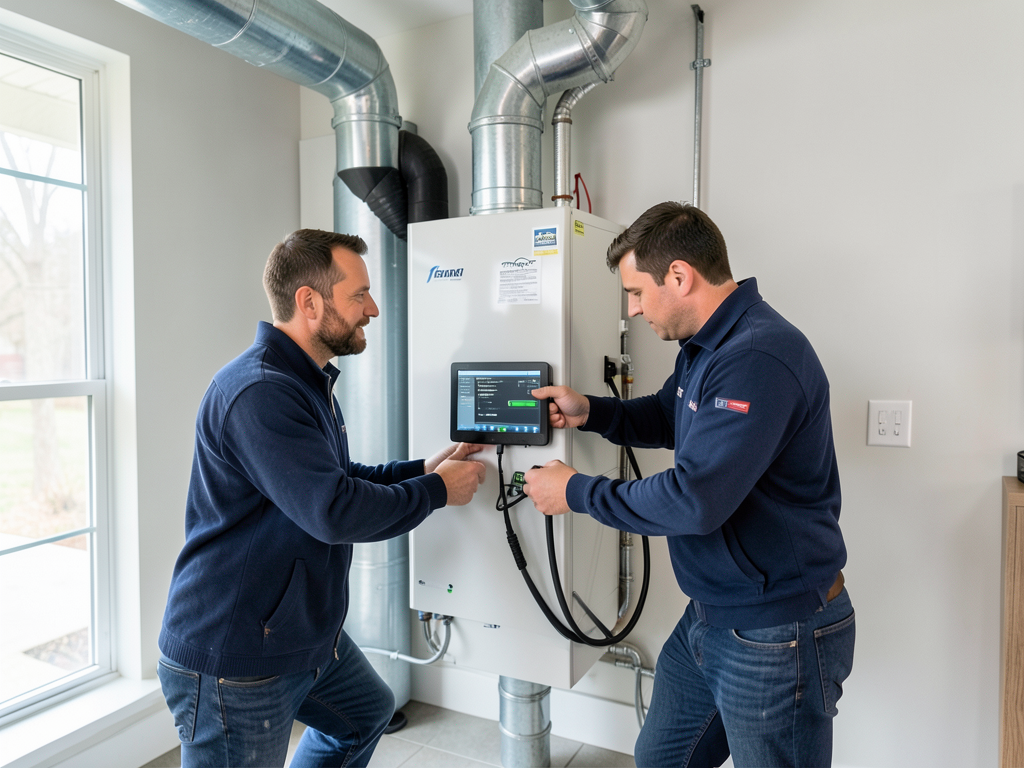
When your system fails, we dispatch a commercial-certified technician within two hours during business hours. Our trucks carry diagnostic equipment and common failure components like contactors, capacitors, and thermostatic expansion valves. We perform a complete system evaluation, checking refrigerant pressures, electrical connections, airflow across evaporator coils, and control board functionality. You receive a verbal briefing on findings and repair timeline before we begin work.
02

Precision Repair Execution

We isolate the failed component and execute repairs using OEM or commercial-grade aftermarket parts that meet original specifications. Compressor replacements include oil analysis, suction line filter-drier installation, and system flushing if burnout debris is present. Refrigerant work follows EPA Section 608 protocols with proper recovery, evacuation to 500 microns, and nitrogen pressure testing on brazes. Electrical repairs include torque testing on connections and megohm testing on compressor windings.
03

Commissioning and Documentation

After repairs, we run the system through a full cooling cycle, verifying amperage draws, temperature splits across the evaporator, and proper condensate drainage. We check safety controls including high-pressure cutouts and freeze stats. You receive a service report documenting all measurements, parts installed with model numbers, and refrigerant added with EPA-required records. We provide maintenance recommendations to prevent repeat failures and offer preventive maintenance agreements for ongoing reliability.

Why Detroit Businesses Trust Ace HVAC for Commercial Systems

Commercial air conditioning repair requires different expertise than residential service. Ace HVAC Detroit maintains technicians with NATE commercial refrigeration certifications and EPA Universal certification for handling high-pressure refrigerants used in industrial systems.

We understand Detroit's commercial building landscape. From the high-rise office towers in the Central Business District to the sprawling warehouse complexes in the I-94 Industrial Corridor near Metro Airport, we have serviced the full spectrum of commercial cooling applications. We know which rooftop unit manufacturers dominate the Detroit market and stock parts accordingly.

Detroit operates under Michigan's mechanical code with Wayne County amendments that affect refrigerant piping, equipment placement, and ventilation requirements. Our estimates account for permit requirements when repairs involve refrigerant line modifications or electrical upgrades. We coordinate with building engineers and property managers who need documentation for compliance audits.

Response time drives our operation. When a restaurant in Greektown loses cooling during dinner service or a data center in the Financial District faces server overheating, you need a team that arrives fast with the right equipment. We maintain a fleet positioned across the metro area and stock a commercial parts inventory that eliminates delays waiting for distributor deliveries.

Our client base includes manufacturing facilities that cannot afford production delays, medical offices with temperature-sensitive medications, and retail spaces where customer comfort directly impacts revenue. We have repaired everything from 3-ton precision cooling units in server rooms to 40-ton packaged systems cooling 100,000-square-foot facilities.

Detroit's business community operates on trust built through performance. We provide references from long-term commercial clients and maintain relationships with property management firms who oversee multiple locations.

What to Expect from Our Commercial AC Repair Service

Rapid Response and Minimal Downtime

Commercial cooling failures disrupt operations and cost money. We prioritize emergency calls and dispatch technicians within two hours for critical situations. Our trucks carry common commercial components including contactors rated up to 90 amps, run capacitors from 5 to 80 microfarads, and thermostatic expansion valves for various tonnage ranges. For major repairs requiring compressor or coil replacement, we source components same-day from local commercial suppliers and schedule work during your off-hours to avoid disrupting business operations. Most repairs complete within four to eight hours depending on component availability and system complexity.

Thorough System Diagnostics

We do not guess. Commercial systems require methodical troubleshooting using calibrated test equipment. Our assessment includes measuring refrigerant pressures with digital manifolds, checking electrical components with multimeters, testing airflow with anemometers, and inspecting ductwork with borescopes when necessary. We verify control sequences, check economizer operation, and test safety devices. You receive a written diagnostic report explaining what failed, why it failed, and what additional components show wear that could cause future problems. This transparency allows you to make informed decisions about immediate repairs versus comprehensive overhauls.

Code-Compliant Repairs That Last

We install commercial-grade components that match or exceed original equipment specifications. Compressor replacements include proper oil charging, filter-drier installation, and system cleanup if contamination is present. All refrigerant work follows EPA Section 608 Type II protocols with proper recovery, deep vacuum evacuation, and leak testing using nitrogen. Electrical connections are torqued to manufacturer specifications and protected with appropriate disconnect sizing. We provide documentation that satisfies building inspectors and insurance requirements. Our repairs restore full cooling capacity and system efficiency, reducing your operating costs and extending equipment life.

Preventive Maintenance Programs

Reactive repairs cost more than preventive maintenance. We offer commercial maintenance agreements that include quarterly inspections, filter changes, coil cleaning, refrigerant level verification, and electrical connection testing. Regular maintenance catches small problems before they become expensive failures. Our maintenance clients receive priority emergency service and discounted repair rates. We maintain detailed service records for each piece of equipment, tracking performance trends and recommending replacements before catastrophic failures occur. Scheduled maintenance can be performed during off-hours to avoid disrupting your operations. These programs protect your investment and provide budget predictability for facility management.

Frequently Asked Questions

You Have Questions,
We Have Answers

What is the $5000 AC rule? +

The $5000 AC rule refers to IRS guidance allowing businesses to expense equipment repairs under $5000 immediately, rather than capitalizing and depreciating the cost over time. If your commercial AC repair in Detroit costs less than this threshold, you can deduct the full amount in the current tax year. Repairs above $5000 may need to be capitalized as improvements. This impacts cash flow and tax planning for Detroit businesses managing HVAC expenses. Consult your accountant to determine if your specific repair qualifies as a deductible expense or must be treated as a capital improvement.

What are common commercial HVAC problems? +

Detroit commercial HVAC systems face unique challenges from freeze-thaw cycles and high summer humidity. Common problems include compressor failure from overwork during extreme temperature swings, refrigerant leaks due to corrosion, clogged condensate drains from Detroit's humid summers, and failing thermostats. Rooftop units experience accelerated wear from ice buildup and thermal stress. Dirty evaporator coils reduce efficiency, while electrical component failures interrupt business operations. Aging ductwork in older Detroit commercial buildings often develops leaks, reducing system performance. Regular maintenance prevents these issues from escalating into costly downtime.

What are the costs of commercial HVAC repair? +

Commercial HVAC repair costs vary based on system size, complexity, and failure type. Minor repairs like thermostat replacement or capacitor fixes run lower, while compressor replacement or refrigerant leak repairs cost significantly more. Multi-zone systems in larger Detroit facilities increase labor time and parts expenses. Emergency after-hours service commands premium rates but prevents business interruption. Rooftop unit repairs may require crane access, adding expense. Older systems often need harder-to-source parts. Detroit's seasonal temperature extremes accelerate wear, sometimes requiring more extensive repairs. Request detailed diagnostics before authorizing work to understand scope and avoid surprises.

What is the average life of a commercial air conditioner? +

Commercial air conditioners typically last 15 to 20 years with proper maintenance. Detroit's harsh climate, with sub-zero winters and humid summers, can reduce lifespan if units work harder to maintain setpoints. Rooftop units face additional stress from ice, snow load, and UV exposure. System quality, installation precision, and maintenance frequency directly impact longevity. Units running constantly in retail or data center environments wear faster than those in office buildings with occupancy-based setback schedules. After 15 years, repair costs often escalate as components fail more frequently, signaling replacement consideration for budget planning.

What is the 3 minute rule for AC? +

The 3 minute rule for AC requires waiting three minutes between shutdown and restart to protect the compressor. When you cycle power too quickly, refrigerant pressure hasn't equalized, forcing the compressor to start under high load. This strains motor windings and can cause premature failure in commercial systems. Detroit facilities with frequent power fluctuations from grid stress during peak demand periods must respect this interval. Building management systems should program minimum off-cycle delays. Ignoring this rule voids warranties and leads to compressor burnout, resulting in expensive emergency repairs and lost business productivity.

Can I write off my new AC unit on my taxes? +

Yes, businesses can write off commercial AC units through Section 179 deduction or bonus depreciation, allowing immediate expense of the full cost rather than depreciating over years. This applies to replacement units and new installations in Detroit commercial properties. The equipment must be placed in service during the tax year and used for business purposes. Repairs under $5000 can be expensed immediately as operating costs. Consult your CPA to determine the best tax strategy for your situation, as rules change and depend on your business structure and income.

What is the 2 foot rule for HVAC? +

The 2 foot rule for HVAC requires maintaining 24 inches of clearance around condenser units and air handlers for proper airflow and service access. Detroit commercial rooftop installations must account for snow accumulation and ice buildup when positioning units. Adequate clearance prevents recirculation of hot exhaust air, which reduces efficiency and overworks compressors. Technicians need access for maintenance, filter changes, and repairs without moving inventory or equipment. Violating clearance requirements reduces system performance, increases operating costs, and complicates emergency repairs. Plan equipment placement and storage areas accordingly.

What is the most common part to fail on an AC unit? +

Capacitors fail most frequently in commercial AC units. These components start the compressor and fan motors, degrading from heat, voltage fluctuations, and age. Detroit's temperature extremes accelerate capacitor failure as units cycle frequently between heating and cooling seasons. A failed capacitor prevents the compressor from starting, shutting down cooling completely. Replacement is straightforward and affordable compared to other repairs. Regular maintenance includes capacitor testing to catch weak units before failure causes business disruption. Keep spare capacitors on-site for critical cooling applications like server rooms or refrigerated storage.

How often should a commercial HVAC system be serviced? +

Commercial HVAC systems require professional service twice annually, ideally before Detroit's cooling and heating seasons. Spring maintenance prepares units for summer humidity and heat load. Fall service ensures reliable heating performance through harsh Michigan winters. High-use facilities like restaurants, data centers, or medical offices may need quarterly service. Maintenance includes filter replacement, refrigerant level checks, electrical connection inspection, condensate drain cleaning, and performance testing. Neglecting scheduled service voids warranties, increases energy costs, and causes unexpected failures during peak business hours. Preventive maintenance contracts ensure consistent service scheduling and priority emergency response.

What is the most expensive repair on an AC unit? +

Compressor replacement ranks as the most expensive commercial AC repair, often costing a significant portion of a new system's price. The compressor pumps refrigerant and drives the cooling cycle. Failure results from lack of maintenance, refrigerant leaks causing inadequate lubrication, electrical issues, or age. Detroit's extreme temperature swings stress compressors through constant cycling. Labor involves refrigerant recovery, system evacuation, brazing new components, and recharging. When compressor replacement approaches 50 percent of replacement cost on units over 10 years old, full system replacement often makes better financial sense for long-term reliability.

How Detroit's Industrial Heritage Shapes Commercial HVAC Challenges

Detroit's commercial building stock reflects decades of industrial growth. Many facilities built during the manufacturing boom of the 1950s through 1980s still house original HVAC equipment or first-generation replacements now reaching end-of-life. Buildings along the I-94 corridor and in areas like Hamtramck and Highland Park often contain rooftop units installed when R-22 refrigerant was standard. As R-22 phase-out continues, these systems face expensive repairs when leaks occur. Detroit's freeze-thaw cycles stress aging refrigerant lines, and road salt from winter maintenance accelerates condenser coil corrosion. Commercial cooling repair in these older facilities requires technicians who understand legacy systems and can source discontinued components or engineer retrofits to modern refrigerants.

Wayne County building codes require permits for refrigerant line modifications and electrical upgrades during commercial hvac repair. Ace HVAC Detroit maintains relationships with local inspectors and understands permit requirements that out-of-area contractors miss. Detroit's union workforce in many commercial facilities also means coordinating with building engineers and following established protocols for contractor access and work scheduling. We have serviced commercial properties across every Detroit neighborhood from the Renaissance Center to the New Center, from Eastern Market warehouses to Midtown office buildings. This local knowledge translates to faster repairs, proper code compliance, and working relationships that facilitate complex projects in occupied buildings.
HVAC Services in The Detroit Area

We invite you to explore our service area and locate our business on the map. Ace HVAC is strategically positioned to efficiently serve all residential and commercial clients within the Detroit metropolitan area and surrounding communities, ensuring prompt response times and convenient access to our expert heating and cooling solutions whenever you need us.

Address:
Ace HVAC Detroit, 7300 Woodward Ave, Detroit, MI, 48202

Additional Services We Offer

Our news updates

Latest Articles & News from The Blogs

Why Financing Your Detroit HVAC System Makes Sense Detroit homeowners face extreme seasonal swings. Winter lows can drop below zero…

How to Choose an HVAC Financing Plan That Won't Break Your Monthly Budget

Why Financing Your Detroit HVAC System Makes Sense Detroit homeowners face extreme seasonal swings. Winter lows can drop below zero…

Why Your New Center Apartment Smells Like Burning Dust Every Time the Heat Kicks On

Why Your New Center Apartment Smells Like Burning Dust Every Time the Heat Kicks On That burning dust smell when…

Comparing the Most Reliable Furnace Brands for the Harsh Winters in Shelby Township

Comparing the Most Reliable Furnace Brands for the Harsh Winters in Shelby Township\n\nWhen a January Polar Vortex hits Shelby Township…

Contact Us

Do not let a broken cooling system shut down your operation. Call Ace HVAC Detroit at (313) 552-7177 for fast commercial AC repair backed by certified technicians who understand Detroit's industrial cooling demands.