Menu

Furnace Blowing Cold Air in Detroit – Expert Diagnosis and Same-Day Repair

When your furnace blows cold air during a Michigan winter, you need immediate answers and fast repairs. Our certified technicians diagnose the root cause and restore your heat the same day.

Slider Image 1
Slider Image 2
Slider Image 3
Slider Image 4
Slider Image 5
Slider Image 7
Slider Image 8
Slider Image 9
Slider Image 10
Slider Image 11

Why Your Furnace Blows Cold Air in Detroit Winters

You set your thermostat to 72 degrees. The blower kicks on. But instead of warm air, you feel cold air pouring from your vents.

This is not just annoying. In Detroit, where January temperatures drop below 20 degrees and wind chill factors make it feel even colder, a heater blowing cold air is a crisis.

The problem often starts with one of four culprits. Your pilot light or igniter fails, so no combustion occurs. Your flame sensor gets coated with carbon buildup and shuts down the burners as a false safety measure. Your air filter clogs completely, choking airflow and causing the limit switch to trip. Or your thermostat sends incorrect signals to the control board.

Detroit's older housing stock, especially in neighborhoods like Corktown and Indian Village, adds another layer of complexity. Many homes have furnaces installed 15 to 20 years ago, before modern diagnostic systems became standard. When a furnace blowing cool air happens in these systems, pinpointing the failure requires hands-on testing, not just code readers.

The lake effect from the Great Lakes also creates humidity swings. Moisture corrodes electrical connections inside your furnace cabinet. A heating system blowing cold air in December often traces back to a corroded wire at the gas valve or a rusty limit switch that fails intermittently.

You need heat now. Your furnace not blowing hot air means your pipes can freeze, your family stays cold, and your energy bill skyrockets as the blower runs continuously without producing warmth. The faster you get a proper diagnosis, the faster you stop the damage.

Why Your Furnace Blows Cold Air in Detroit Winters
How We Diagnose and Fix Furnace Blowing Unheated Air

How We Diagnose and Fix Furnace Blowing Unheated Air

We do not guess. We test.

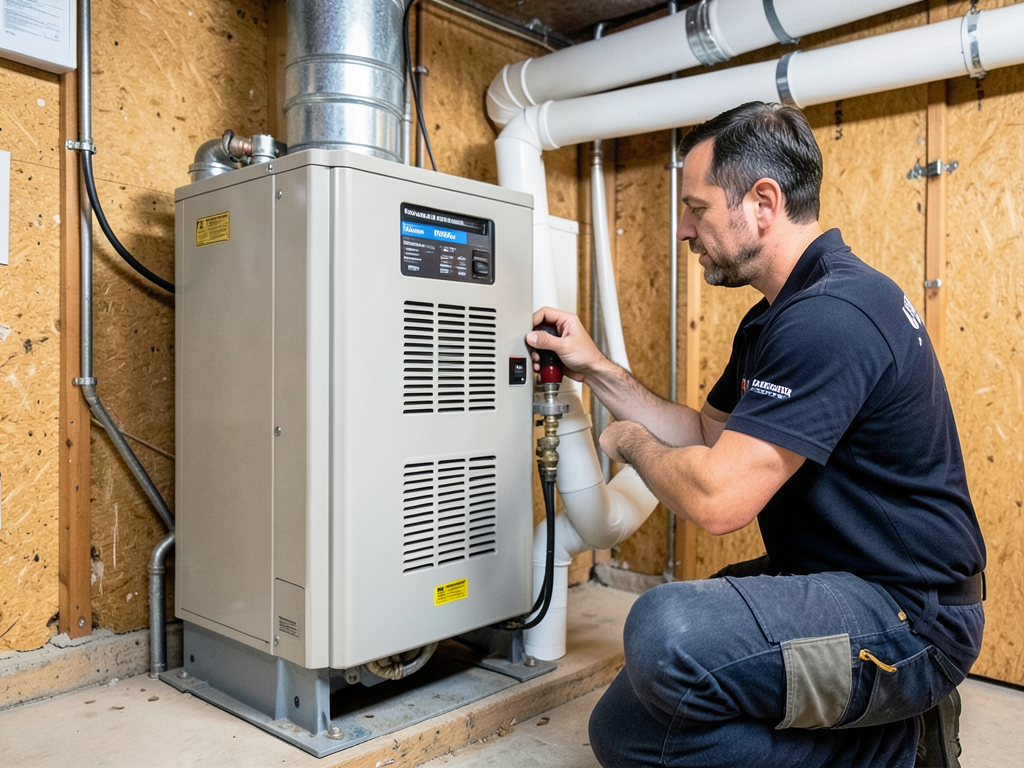
When you call about a furnace blowing cold air, we arrive with a multimeter, manometer, and combustion analyzer. These tools tell us what your system is actually doing, not what it should be doing.

First, we check thermostat voltage. If your thermostat sends 24 volts to the control board but the board does not trigger the igniter, we know the board failed. If voltage reaches the igniter but it does not glow orange, we replace the igniter.

Next, we measure gas pressure at the manifold. Your furnace needs 3.5 inches of water column for natural gas. If pressure drops below that, your gas valve is failing or your supply line has a restriction. We test flame sensor microamps with a multimeter. A good sensor reads between 0.5 and 10 microamps. Below that range, carbon buildup blocks the signal and shuts down the burners after a few seconds.

We also inspect the heat exchanger for cracks. A cracked heat exchanger can cause cold air to blow because the limit switch detects overheating and shuts off the burners. This is a safety issue. We use a mirror and flashlight to inspect every panel of the exchanger, looking for rust stains or visible cracks.

Detroit's hard water also affects humidifiers attached to furnaces. When a humidifier clogs, it restricts airflow and tricks the limit switch into cutting heat. We disconnect the humidifier during diagnosis to rule it out.

Once we identify the failure, we explain it in plain terms. You get a clear answer about what broke, why it broke, and what it takes to fix it. Then we fix it and test the system under load to confirm your furnace blows hot air again.

What Happens When You Call for Cold Air Repair

Furnace Blowing Cold Air in Detroit – Expert Diagnosis and Same-Day Repair
01

Initial System Assessment

We start by running your furnace through a full heat cycle while monitoring temperatures at the supply plenum. If the plenum stays below 100 degrees, we know combustion is not happening. We check for error codes on the control board and verify gas supply at the meter. This gives us a baseline to isolate whether the problem is electrical, mechanical, or fuel-related.
02

Component Testing and Diagnosis

We test each component in the ignition sequence: thermostat, control board, igniter, flame sensor, gas valve, and limit switches. We measure voltage, resistance, and continuity at every connection point. If your flame sensor reads low microamps, we remove it and clean the ceramic rod with steel wool. If your igniter does not draw current, we replace it on the spot.
03

Repair and Heat Restoration

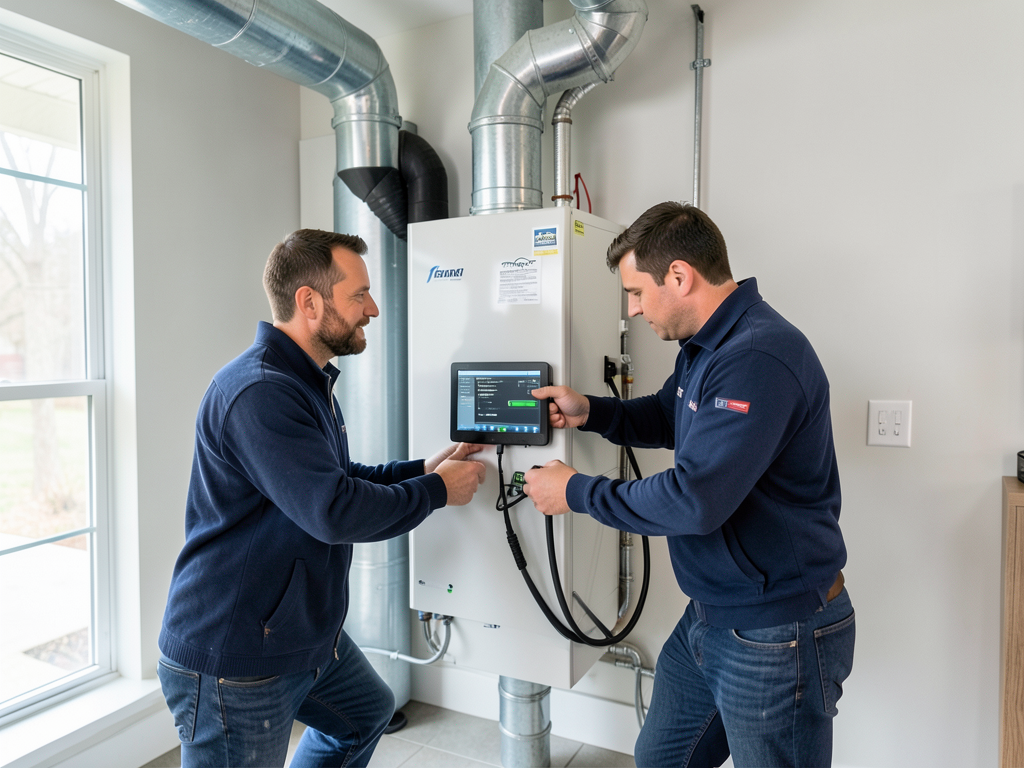
After replacing the failed part, we test your furnace through three complete cycles to confirm consistent ignition and stable flame. We measure supply air temperature to verify it reaches 120 to 140 degrees. We check for gas leaks at all connections and confirm your blower motor runs at the correct speed. You get heat back, and we make sure it stays on.

Why Detroit Homeowners Trust Ace HVAC Detroit for Furnace Repairs

Detroit winters are unforgiving. You need a technician who understands how cold affects older furnaces and how Detroit's housing stock creates unique repair challenges.

We have worked on furnaces in every Detroit neighborhood, from Midtown bungalows to Grosse Pointe colonials. We know which brands dominate the local market and which parts fail most often. We stock igniters, flame sensors, and control boards for Carrier, Lennox, Trane, Rheem, and Goodman units in our trucks, so we fix most problems the same day.

Detroit's building codes require permits for furnace replacements, but not for component repairs. We know when a repair is the right move and when you need a replacement. If your heat exchanger cracks, we do not patch it. We tell you to replace the furnace because a cracked exchanger leaks carbon monoxide. Safety comes first.

We also understand Detroit's economic reality. Many homeowners face tight budgets, especially in neighborhoods still recovering from the foreclosure crisis. We give you the straight answer about what your furnace needs, not what makes us the most money. If a $150 flame sensor fixes your heating system blowing cold air, we do not sell you a new furnace.

Our technicians are EPA-certified and trained on modern diagnostic tools. We do not rely on guesswork or outdated methods. When you call Ace HVAC Detroit, you get someone who can read a wiring diagram, measure gas pressure, and interpret error codes. That level of expertise matters when your furnace stops working in January.

We also respond fast. Most Detroit HVAC companies book repairs days out. We prioritize furnace blowing cold air calls because we know what it means to lose heat in Michigan winter.

What to Expect When We Fix Your Furnace

Same-Day Service Availability

We dispatch a technician within hours of your call, not days. Most cold air issues get resolved the same day because we stock common replacement parts in our trucks. If your furnace stops heating in the morning, you can have warm air by evening. We do not make you wait through a freezing night while your pipes risk bursting and your family layers on blankets. Speed matters in Detroit winters, and we treat every cold air call as urgent.

Comprehensive Diagnostic Process

You get a full system diagnostic, not a quick glance. We test every component in the heating sequence and measure actual voltages, temperatures, and pressures. You receive a clear explanation of what failed, why it failed, and what it takes to fix it. We show you the failed part when possible, so you see the problem firsthand. No guessing, no upselling, no vague explanations. You know exactly what broke and how we fix it.

Verified Heat Restoration

We do not leave until your furnace runs through multiple heat cycles and delivers consistent warm air. We measure supply air temperature to confirm it hits the correct range and verify your thermostat controls the system properly. You get your heat back, and we confirm it stays on. We also check your air filter and recommend a replacement schedule to prevent future cold air issues caused by restricted airflow.

Post-Repair Support and Maintenance

After we restore your heat, we walk you through basic maintenance steps to extend your furnace's life. We explain how often to change your filter, why your flame sensor needs annual cleaning, and what warning signs to watch for. If you have questions after we leave, you can call us. We also offer seasonal tune-ups to catch small problems before they turn into cold air emergencies during the next polar vortex.

Frequently Asked Questions

You Have Questions,
We Have Answers

How do you fix a furnace that blows cold air? +

Start by checking your thermostat. Confirm it is set to heat mode and the temperature is above your current room temperature. Replace the batteries if needed. Next, inspect your air filter. A clogged filter restricts airflow and forces your furnace to shut down before heating fully. Replace dirty filters immediately. Check your circuit breaker and furnace power switch to ensure power flows correctly. If the pilot light or ignitor fails, your burners will not fire. Detroit winters demand a working furnace. If these steps do not resolve the issue, call a licensed HVAC technician to diagnose flame sensor problems, gas valve issues, or blower motor failures.

Why is cold air blowing when the heat is on? +

Cold air blowing when heat is on typically means your furnace burners are not igniting. This happens when the thermostat calls for heat and the blower fan runs, but the gas valve or ignitor fails. A dirty flame sensor is a common culprit. It detects whether burners are lit. If coated with carbon buildup, it shuts off the gas as a safety measure. A tripped limit switch due to overheating also causes this problem. Detroit homes with older furnaces often face ignitor failures after years of heavy use. Check your thermostat settings first, then call a professional if burners do not light.

Why is my furnace blowing air but not warm? +

Your furnace blows air but not warm air when the heating cycle never completes. The blower motor runs, but burners fail to ignite or stay lit. A faulty ignitor, bad gas valve, or dirty flame sensor prevents combustion. Another possibility is a tripped high-limit switch caused by restricted airflow from a clogged filter. Detroit homes with basement furnaces sometimes face ductwork leaks that pull in cold air before warm air reaches living spaces. Inspect your filter and thermostat first. If burners click but do not stay lit, you need professional diagnosis. Ignitors and flame sensors require precise calibration to function correctly.

How do I reset my furnace? +

To reset your furnace, locate the reset button on the blower motor housing or near the burner assembly. Press and hold it for 30 seconds, then release. If your furnace does not have a visible reset button, turn off the power switch near the unit or flip the circuit breaker off. Wait five minutes to allow the system to fully power down. Restore power and adjust your thermostat to call for heat. Detroit area homes with older furnaces may require a pilot light relight after reset. If your furnace trips repeatedly or will not stay running after reset, do not keep resetting it. Call a technician to diagnose the underlying failure.

Should I turn off my furnace if it blows cold air? +

Yes, turn off your furnace if it blows cold air continuously without cycling properly. A furnace stuck blowing cold air wastes energy and indicates a mechanical or electrical failure. Continuing to run it may damage the blower motor or worsen underlying issues. Turn the thermostat to off and flip the furnace power switch or circuit breaker. This prevents further strain on components. In Detroit, running a malfunctioning furnace during subzero nights will not heat your home and risks freezing pipes. Inspect your air filter and thermostat settings before calling for service. If you cannot identify the problem quickly, schedule emergency HVAC service to restore heat safely.

How can I tell if my thermostat is bad? +

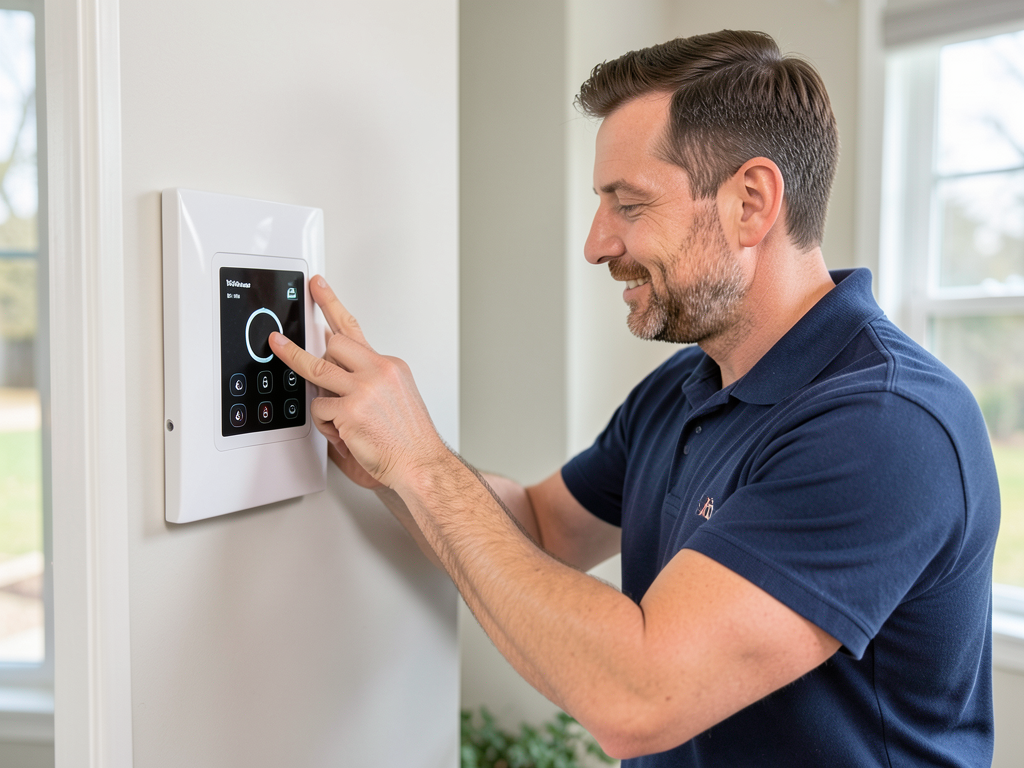
A bad thermostat shows specific symptoms. If your furnace will not turn on, cycles erratically, or blows cold air despite correct settings, suspect the thermostat. Check for a blank display, which signals dead batteries or wiring issues. Test it by raising the temperature setting five degrees and listening for the furnace to click on. If nothing happens, remove the thermostat cover and inspect wiring for loose connections or corrosion. Detroit homes with older mechanical thermostats often face calibration drift, causing inaccurate temperature readings. If your home temperature swings wildly or the furnace short cycles, replace the thermostat. Digital models improve accuracy and efficiency.

What are signs of furnace failure? +

Furnace failure shows clear warning signs before total breakdown. Listen for unusual noises like banging, squealing, or rattling during operation. These indicate blower motor problems, loose belts, or cracked heat exchangers. Watch for yellow or flickering pilot light flames instead of steady blue flames, signaling incomplete combustion and potential carbon monoxide risk. Smell gas or burning odors near the furnace. Notice frequent cycling or failure to reach set temperatures. Detroit winters stress older furnaces hard. Rust or cracks on the heat exchanger, rising energy bills, and inconsistent airflow all signal imminent failure. If your furnace exceeds 15 years old and needs repeated repairs, replacement becomes cost-effective.

What is the most expensive part to fix on a furnace? +

The heat exchanger is the most expensive furnace component to replace. It transfers heat from combustion gases to air circulating through your home. A cracked heat exchanger poses serious carbon monoxide risks and often requires full furnace replacement rather than repair. Replacement costs approach or exceed new furnace installation, especially in older units. Gas valves, blower motors, and circuit boards also carry high repair costs but remain cheaper than heat exchangers. Detroit HVAC contractors typically recommend replacement over heat exchanger repair for furnaces over 12 years old. The cost to replace a heat exchanger often justifies investing in a new, energy-efficient furnace instead.

How can I tell if my heat pump is low on refrigerant? +

Low refrigerant in a heat pump shows specific symptoms. Your system runs constantly but fails to reach set temperatures. Ice forms on the outdoor coil even when temperatures stay above freezing. You hear hissing or bubbling sounds near refrigerant lines, indicating a leak. Warm air blows from vents during heating mode instead of hot air. Energy bills increase without explanation. Detroit heat pumps work hard during winter, and refrigerant leaks develop in line sets or coil connections. Unlike furnaces, heat pumps require precise refrigerant charge to operate efficiently. Do not attempt DIY refrigerant fixes. Licensed HVAC technicians must locate leaks, repair them, and recharge the system to manufacturer specifications.

Can a bad thermostat cause cold air? +

Yes, a bad thermostat can cause your furnace to blow cold air. If the thermostat sends incorrect signals to your furnace, the heating cycle never completes properly. A faulty thermostat may trigger the blower fan without calling for burner ignition, pushing unheated air through your ducts. Loose or corroded wiring inside the thermostat disrupts communication between it and your furnace control board. Detroit homes with newer smart thermostats sometimes experience software glitches or incorrect configuration causing cold air problems. Test your thermostat by replacing batteries and confirming heat mode settings. If adjusting settings does not fix the problem, replace the thermostat or call a technician to test control board signals.

How Detroit's Freeze-Thaw Cycles Accelerate Furnace Failures

Detroit sits in a freeze-thaw zone where temperatures swing from below zero to above freezing multiple times each winter. These swings create condensation inside your furnace cabinet. When warm indoor air meets cold metal surfaces, moisture forms on electrical components. That moisture corrodes wire connections, rusts limit switches, and causes control boards to short out. A furnace blowing cold air in Detroit often traces back to a corroded connection that fails intermittently. Coastal cities deal with salt air corrosion, but Detroit deals with road salt spray that blows into intake vents and accelerates rust on heat exchangers and burner assemblies.

Detroit's housing stock includes thousands of homes built before 1970, many with original or aging HVAC systems. In neighborhoods like Rosedale Park and Palmer Woods, furnaces often sit in damp basements with poor ventilation. These conditions accelerate component failure. When you call a technician who knows Detroit's housing challenges, you get someone who understands how basement moisture affects flame sensors and how old ductwork creates airflow restrictions. Local expertise matters because a technician from the suburbs might not recognize the unique problems that come with Detroit's urban housing density and aging infrastructure.
HVAC Services in The Detroit Area

We invite you to explore our service area and locate our business on the map. Ace HVAC is strategically positioned to efficiently serve all residential and commercial clients within the Detroit metropolitan area and surrounding communities, ensuring prompt response times and convenient access to our expert heating and cooling solutions whenever you need us.

Address:
Ace HVAC Detroit, 7300 Woodward Ave, Detroit, MI, 48202

Additional Services We Offer

Our news updates

Latest Articles & News from The Blogs

Why Financing Your Detroit HVAC System Makes Sense Detroit homeowners face extreme seasonal swings. Winter lows can drop below zero…

How to Choose an HVAC Financing Plan That Won't Break Your Monthly Budget

Why Financing Your Detroit HVAC System Makes Sense Detroit homeowners face extreme seasonal swings. Winter lows can drop below zero…

Why Your New Center Apartment Smells Like Burning Dust Every Time the Heat Kicks On

Why Your New Center Apartment Smells Like Burning Dust Every Time the Heat Kicks On That burning dust smell when…

Comparing the Most Reliable Furnace Brands for the Harsh Winters in Shelby Township

Comparing the Most Reliable Furnace Brands for the Harsh Winters in Shelby Township\n\nWhen a January Polar Vortex hits Shelby Township…

Contact Us

Your furnace should blow hot air, not cold. Call Ace HVAC Detroit now at (313) 552-7177 for same-day diagnosis and repair. We answer the phone, we show up fast, and we fix it right the first time.