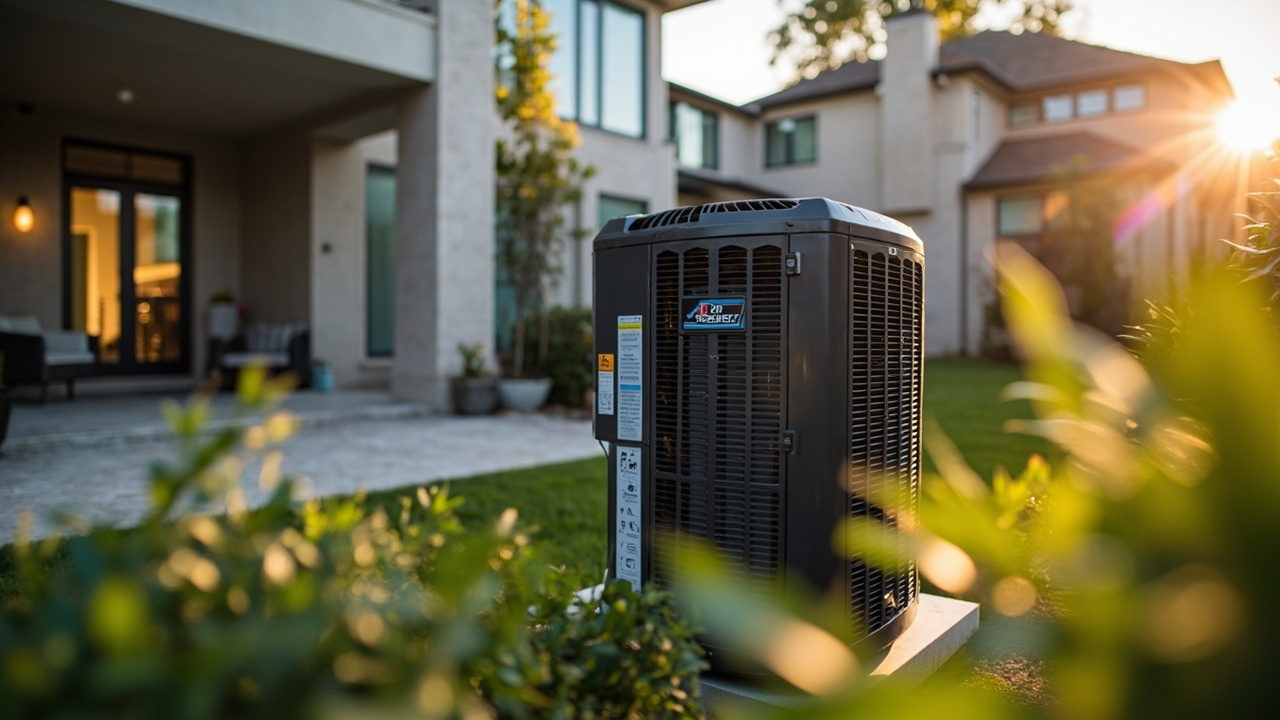
Detroit sees summer highs above 90 degrees and winter lows below zero, often with rapid temperature swings between seasons. This range forces traditional HVAC systems to operate at extreme ends of their capacity curve, where efficiency plummets. Fixed-speed compressors sized for peak summer cooling run inefficiently during spring and fall, short-cycling and wasting energy. Inverter HVAC energy efficiency becomes essential because the variable speed operation adapts to these conditions automatically, running at 30% capacity during mild weather and ramping to 100% only during genuine temperature extremes. For Detroit homeowners, this translates to substantial utility savings during the long shoulder seasons when traditional systems operate most wastefully.
Detroit's older housing stock presents unique challenges for HVAC efficiency. Many homes in neighborhoods like Rosedale Park and Green Acres feature original ductwork from the 1940s and 1950s, undersized for modern cooling demands. Inverter systems handle these constraints better because variable speed operation reduces peak airflow requirements and works within existing duct limitations. We're familiar with Detroit's building code requirements and work regularly with the city's inspection process. Local expertise matters when integrating modern inverter technology into homes built before central air conditioning became standard. You need a contractor who understands both the technology and Detroit's architectural reality.