Detroit averages 25 to 35 freeze-thaw cycles each winter, when daytime temperatures climb above freezing before dropping back below 32 degrees at night. These cycles cause ice buildup on heat pump outdoor coils. The defrost cycle reverses refrigerant flow to melt this ice, but it temporarily stops heating your home and draws heat from your indoor air. Older heat pumps defrost inefficiently, running defrost cycles too frequently or not often enough. This affects comfort and increases operating costs. Cold climate heat pumps use demand-defrost controls that monitor actual ice buildup rather than time or temperature alone.
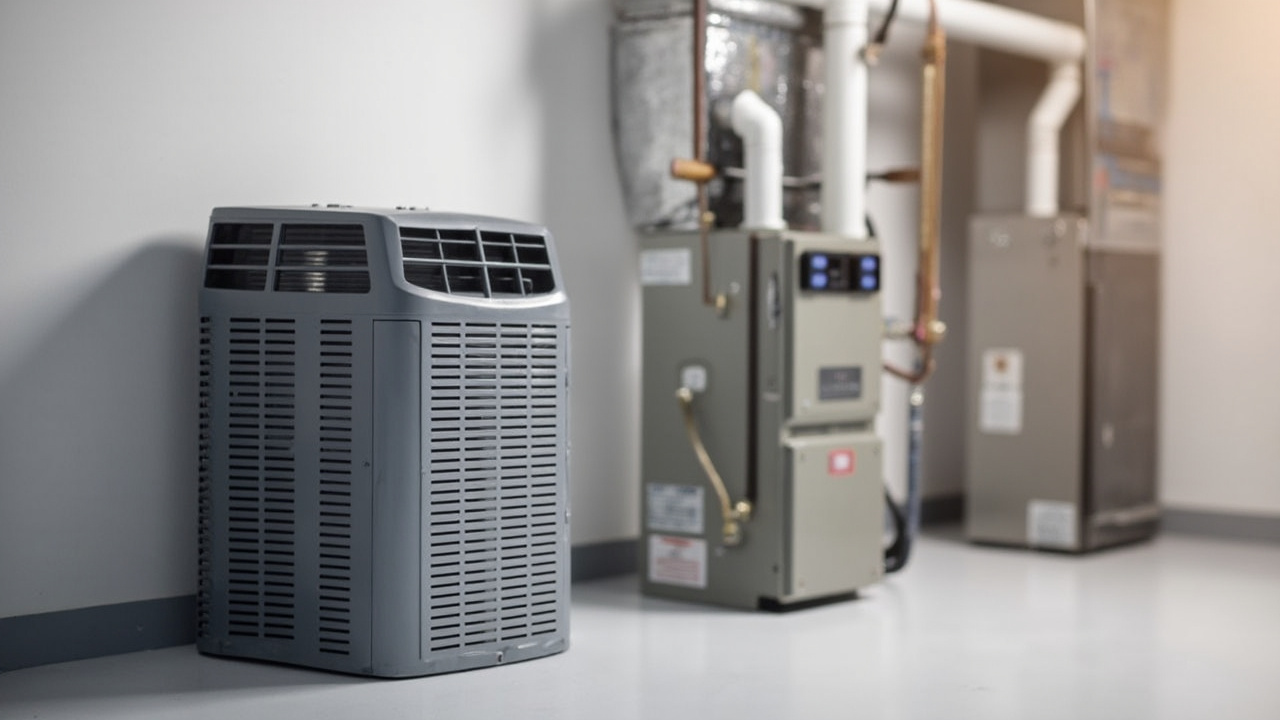
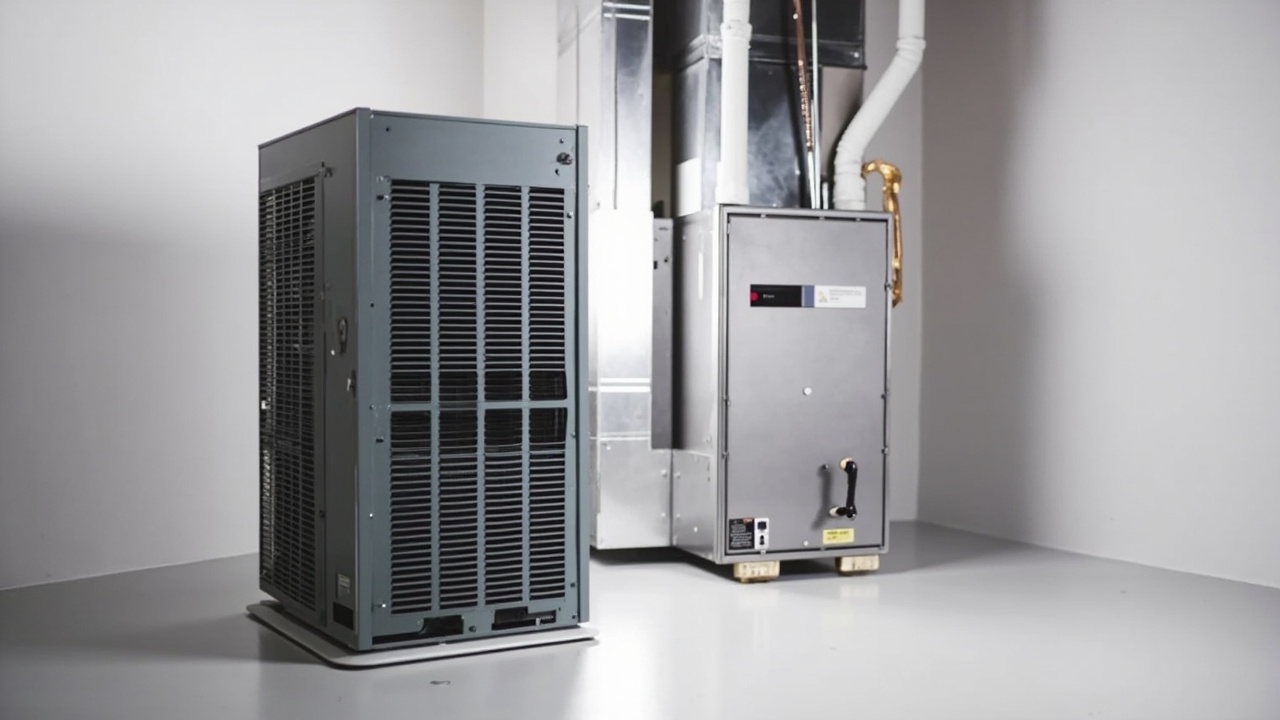
Southeast Michigan's combination of cold winters and high summer humidity makes dual-fuel systems worth considering. These pair an electric heat pump with a gas furnace backup. The heat pump handles mild weather (above 30 to 35 degrees) efficiently while the furnace takes over during deep cold. This approach delivers year-round efficiency, reduces electric heating costs during January and February, and provides redundancy if one system fails. Local contractors understand equipment sizing for dual-fuel applications and can program switchover temperatures based on your specific utility rates.