Menu

Commercial Maintenance Agreements in Detroit – Eliminate Downtime and Protect Your Bottom Line

Ace HVAC Detroit delivers commercial HVAC service contracts designed to prevent system failures before they disrupt your operations, ensuring your facility stays online and compliant year-round.

Slider Image 1
Slider Image 2
Slider Image 3
Slider Image 4
Slider Image 5
Slider Image 7
Slider Image 8
Slider Image 9
Slider Image 10
Slider Image 11

Why Detroit Commercial Facilities Need Preventive HVAC Agreements

Detroit's extreme temperature swings place intense stress on commercial HVAC equipment. Summer humidity peaks above 70 percent while January lows regularly dip below 20 degrees. Your system cycles constantly to maintain setpoints, accelerating wear on compressors, belts, and refrigerant lines.

Most commercial HVAC failures happen during peak demand periods. A breakdown during July heat or January cold does not just inconvenience occupants. It halts production lines, forces retail closures, and puts temperature-sensitive inventory at risk. The cost of a single emergency repair often exceeds the annual investment in a commercial HVAC maintenance plan.

Reactive maintenance drains budgets. Emergency service rates run three times higher than scheduled visits. Rush parts orders add markup. Overtime labor compounds the expense. Meanwhile, an inefficient system wastes energy every hour it operates outside factory specifications.

Commercial planned maintenance agreements shift your approach from crisis management to predictive control. Scheduled inspections catch refrigerant leaks, electrical faults, and airflow restrictions before they trigger shutdowns. Filter changes and coil cleanings maintain efficiency ratings. Detailed service logs create an audit trail for lease agreements and insurance claims.

Detroit facilities operating under commercial HVAC service agreements report 40 percent fewer emergency calls and extend equipment lifespan by five to seven years. The math favors prevention. A maintenance contract costs less per month than one unplanned compressor replacement.

Why Detroit Commercial Facilities Need Preventive HVAC Agreements
How Commercial HVAC Service Contracts Protect Your Investment

How Commercial HVAC Service Contracts Protect Your Investment

HVAC preventive maintenance agreements create a structured service schedule aligned with your operational calendar. Ace HVAC Detroit tailors commercial maintenance agreements to your facility type, runtime hours, and equipment configuration. A 24-hour manufacturing plant requires different protocols than a retail space open 60 hours per week.

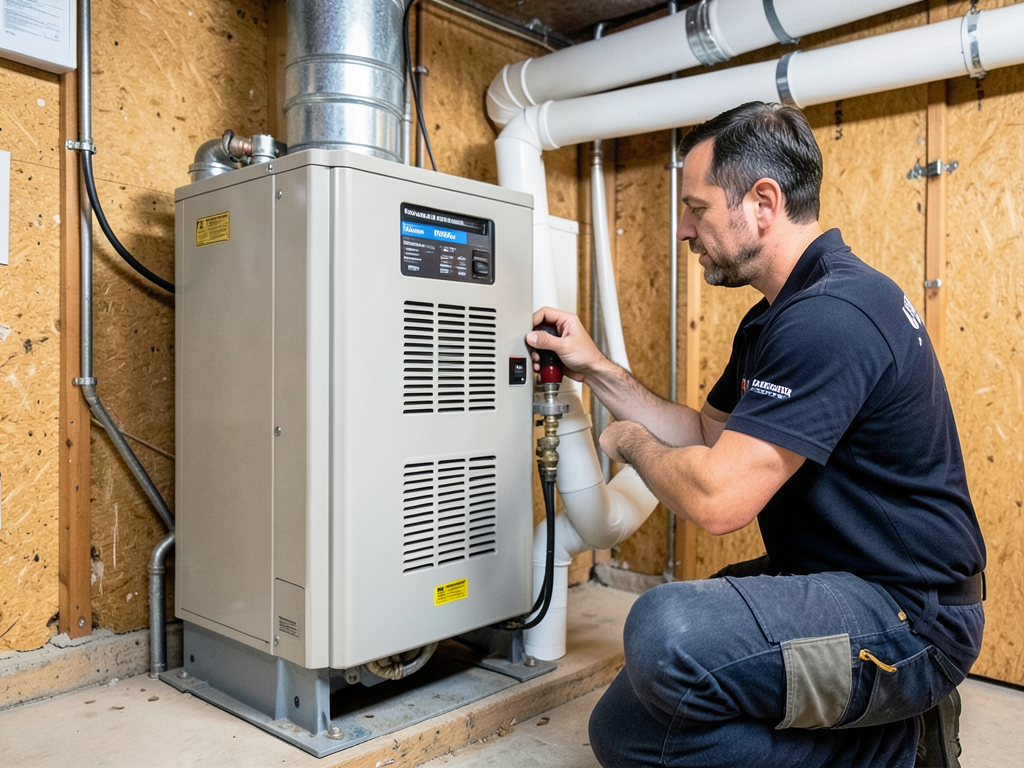
Each agreement includes quarterly inspections covering electrical connections, refrigerant charge verification, condensate drain function, and airflow measurement. Technicians test safety controls, calibrate thermostats, and document amperage draws on motors and compressors. You receive a detailed report after every visit with photographs of worn components and performance data.

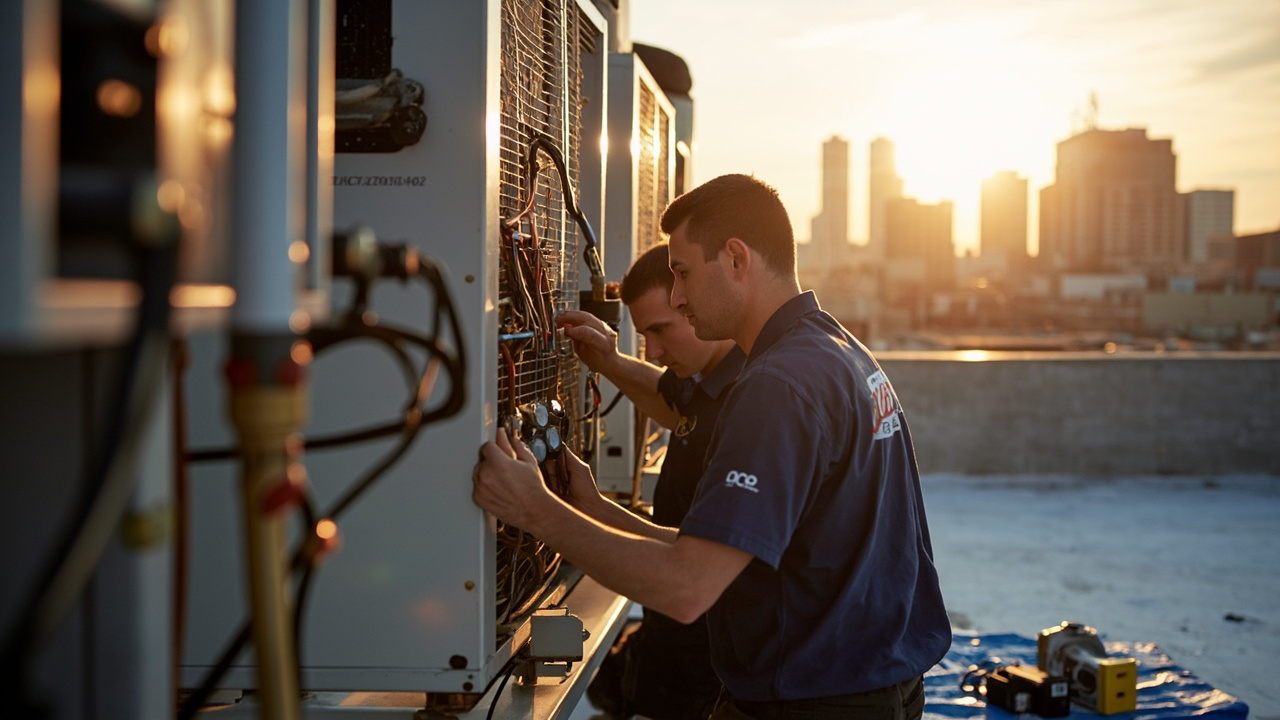
Priority scheduling guarantees your service calls move to the front of the queue. When you need an emergency repair, contract holders receive same-day response while non-contract customers wait 48 to 72 hours. Parts inventory allocation ensures critical components stay reserved for agreement holders during supply shortages.

Commercial HVAC service contracts also lock in labor rates. Your per-visit cost remains fixed regardless of market rate increases. This predictability simplifies budget forecasting and eliminates surprise expenses during fiscal planning.

Agreements include filter replacements, belt adjustments, and lubrication services that extend component life. A commercial-grade compressor costs seven thousand dollars to replace. Regular oil analysis and vibration monitoring catch bearing wear early, preventing catastrophic failure. The service agreement pays for itself by avoiding one major repair.

Detroit building codes require annual inspections for commercial HVAC systems above certain tonnage thresholds. Your maintenance agreement satisfies these compliance requirements while creating documentation for audits and certificate of occupancy renewals.

How Your Commercial Agreement Works

Commercial Maintenance Agreements in Detroit – Eliminate Downtime and Protect Your Bottom Line
01

Equipment Assessment and Baseline

Technicians inventory all HVAC equipment, record model numbers, installation dates, and current operating conditions. We test each unit for refrigerant charge, airflow volume, temperature differential, and electrical load. This baseline data establishes performance benchmarks and identifies immediate deficiencies requiring correction. You receive a comprehensive facility report with equipment lifecycle projections and recommended service intervals customized to your runtime patterns.
02

Scheduled Maintenance Execution

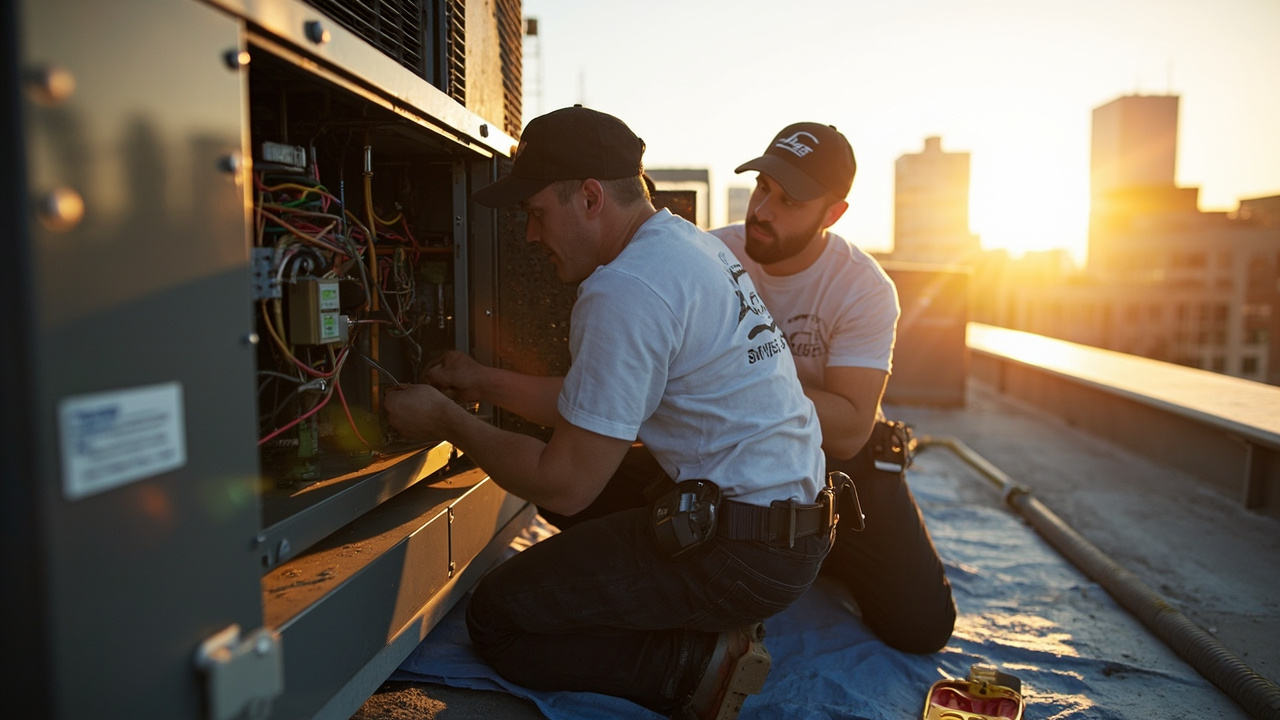
Quarterly visits follow a 47-point checklist covering mechanical, electrical, and refrigeration systems. Technicians replace filters, clean condenser coils, check refrigerant pressures, tighten electrical terminals, measure compressor oil levels, and test safety switches. Each component receives a pass or fail grade. Failed items trigger immediate repair authorization or schedule coordination to minimize operational disruption. Service logs upload to your online portal within 24 hours.
03

Performance Tracking and Optimization

Trend analysis compares current performance against historical data to identify declining efficiency or emerging problems. Rising amperage draws signal motor bearing wear. Dropping suction pressures indicate refrigerant leaks. Temperature differentials below design specifications reveal airflow blockages. Early detection allows planned repairs during low-demand periods instead of forced shutdowns during peak season. Annual reviews identify equipment candidates for replacement before failure risk becomes unacceptable.

Why Detroit Businesses Choose Ace HVAC for Service Agreements

Detroit's commercial building stock includes structures built across eight decades, from pre-war industrial facilities to modern Class A office towers. Each era brought different HVAC technologies. Ace HVAC Detroit maintains expertise across pneumatic controls, early digital systems, and current BACnet networks. Our technicians service equipment other contractors refuse because they lack the training or diagnostic tools.

We stock parts for legacy equipment that manufacturers discontinued years ago. When a 20-year-old rooftop unit needs a circuit board, most contractors quote a three-week lead time. Our parts inventory includes common failure components for units still operating across metro Detroit. Same-day repairs keep your facility running while competitors wait for shipping.

Commercial facilities cannot afford service interruptions during business hours. Ace HVAC Detroit schedules maintenance visits during off-peak periods, evenings, or weekends to avoid disrupting your operations. Manufacturing plants receive overnight service. Retail locations get early morning appointments before doors open. We adapt to your schedule instead of forcing you into ours.

Detroit winters test HVAC systems beyond their design limits. January cold snaps push heating equipment to maximum capacity for days. Ace HVAC Detroit structures preventive maintenance to prepare systems for seasonal demand spikes. Fall inspections verify heating components before winter. Spring checkups prepare cooling systems for summer loads. This proactive approach prevents failures when you need equipment most.

Our service agreements include detailed documentation meeting Detroit building code requirements and insurance policy stipulations. Maintenance logs satisfy annual inspection mandates. Equipment service histories support warranty claims. Compliance reporting simplifies your facility management responsibilities while protecting against code violations and coverage disputes.

What Your Commercial Agreement Includes

Service Frequency and Response Times

Commercial HVAC maintenance plans include quarterly inspections scheduled around your operational calendar. Manufacturing facilities receive monthly visits during production seasons. Office buildings get standard quarterly service with semi-annual deep cleans. Priority emergency response guarantees technician dispatch within four hours for agreement holders. Standard service calls receive same-day scheduling. Weekend and after-hours emergency service incurs no premium charges for contract customers. Your agreement locks in response times regardless of seasonal demand spikes when non-contract customers face multi-day delays.

Inspection Scope and Testing Protocols

Each maintenance visit follows a standardized checklist covering refrigeration circuits, electrical systems, mechanical components, and control networks. Technicians measure superheat and subcooling to verify refrigerant charge accuracy. Megohm testing checks compressor winding insulation. Amperage readings on motors identify bearing wear before failure. Combustion analysis on gas-fired equipment ensures safe operation and optimal efficiency. Airflow measurements confirm duct system performance. Control calibration verifies sensor accuracy and setpoint tracking. Every test result documents system health and creates trending data for predictive analysis.

Included Services and Consumables

Agreements cover all labor for scheduled maintenance visits. Filter replacements use commercial-grade media matched to your indoor air quality requirements. Belt adjustments and replacements prevent drive system failures. Condenser and evaporator coil cleaning maintains heat transfer efficiency. Condensate drain treatments prevent algae blockages. Control system updates install firmware patches and software upgrades. Lubrication services extend bearing and motor life. Minor refrigerant top-offs address small leaks detected during inspections. These services maintain peak system performance and prevent minor issues from becoming major failures.

Repair Discounts and Parts Priority

Commercial HVAC service agreements include 15 percent discounts on all repair labor and parts not covered by scheduled maintenance. Contract holders receive priority parts allocation during supply shortages when component availability becomes constrained. Equipment failures identified during inspections qualify for pre-approved repair scheduling, allowing you to plan downtime during low-impact periods instead of facing forced outages. Extended payment terms spread major repair costs across multiple billing cycles. These benefits reduce total ownership costs and improve budget predictability for facility managers handling multiple properties.

Frequently Asked Questions

You Have Questions,
We Have Answers

What is a standard maintenance agreement? +

A standard maintenance agreement is a contract between your business and an HVAC service provider that schedules regular equipment inspections, cleaning, and tune-ups. It typically includes filter changes, refrigerant checks, belt adjustments, and electrical component testing. In Detroit's extreme climate, where systems run hard through humid summers and subzero winters, these agreements prevent costly breakdowns during peak demand. Most contracts specify visit frequency, response times for repairs, and parts coverage. They reduce downtime, extend equipment life, and keep your facility compliant with local building codes. You pay a fixed annual or quarterly fee for predictable budgeting.

What are the different types of maintenance contracts? +

Detroit commercial properties use three main contract types. Preventive maintenance agreements cover scheduled inspections and tune-ups only. Comprehensive agreements include both preventive service and all repairs, including parts and labor. Emergency-only contracts provide priority service when equipment fails but exclude routine maintenance. Some providers offer seasonal contracts for businesses needing coverage only during cooling or heating months. Your choice depends on equipment age, facility size, and risk tolerance. Older systems in Detroit's harsh freeze-thaw cycles often justify comprehensive coverage. Newer installations may only need preventive care. Multi-site operations typically negotiate custom agreements covering multiple Detroit-area locations.

What does commercial maintenance mean? +

Commercial maintenance involves scheduled servicing of business-critical HVAC systems, building equipment, and mechanical infrastructure. It differs from residential service in scope, complexity, and urgency. Detroit commercial buildings require more robust maintenance due to larger tonnage systems, longer operating hours, and strict indoor air quality requirements. Maintenance includes rooftop unit inspections, chiller servicing, boiler tune-ups, and ductwork cleaning. The goal is preventing equipment failure that disrupts operations, violates lease agreements, or creates liability. Commercial maintenance prioritizes business continuity and regulatory compliance over comfort alone. Providers document all work for insurance and code enforcement purposes.

What is the difference between AMC and CMC contract? +

AMC means Annual Maintenance Contract. CMC means Comprehensive Maintenance Contract. The difference lies in coverage scope. An AMC provides preventive maintenance only through scheduled visits, inspections, and minor adjustments. You pay separately for repairs and replacement parts. A CMC includes both preventive service and all repair costs, including labor and parts. For Detroit businesses with aging equipment facing harsh winter conditions, CMCs reduce financial surprises. AMCs work for newer systems or tight budgets. CMCs suit operations where downtime costs exceed premium pricing. Both contract types should specify response times, visit frequency, and exclusions like refrigerant or cosmetic damage.

What are the 4 types of maintenance? +

The four maintenance types are corrective, preventive, predictive, and reliability-centered. Corrective maintenance fixes problems after failure occurs. Preventive maintenance follows scheduled intervals to stop failures before they happen. Predictive maintenance uses sensors and data to anticipate issues, common in large Detroit manufacturing facilities. Reliability-centered maintenance analyzes failure patterns to optimize schedules. Most Detroit commercial agreements focus on preventive maintenance because it balances cost and effectiveness. Your HVAC provider should recommend the right mix based on equipment criticality, age, and usage patterns. Systems serving data centers or medical offices need more aggressive approaches than warehouse units.

What should be included in a maintenance agreement? +

A solid maintenance agreement specifies visit frequency, services performed per visit, response times for emergency calls, and what parts or labor are covered. It should list your equipment by model and serial number, define normal operating hours, and clarify exclusions like vandalism or refrigerant. For Detroit properties, confirm coverage during extreme weather events when demand surges. Include documentation requirements, performance guarantees for energy efficiency, and cancellation terms. The contract should address after-hours service rates, filter supply responsibility, and priority status during heat waves or cold snaps. Verify the provider holds proper licensing and commercial insurance covering your facility type.

What are the 7 types of maintenance? +

The seven maintenance types include corrective, preventive, predictive, condition-based, predetermined, emergency, and deferred maintenance. Corrective fixes failures. Preventive follows schedules. Predictive uses monitoring technology. Condition-based responds to equipment data. Predetermined maintenance follows manufacturer intervals. Emergency maintenance addresses immediate failures. Deferred maintenance postpones non-critical work. Detroit commercial operations typically blend preventive and emergency coverage. Manufacturing facilities add predictive monitoring for critical systems. Retail spaces focus on preventive care to avoid customer-facing disruptions. Your agreement should clarify which types apply and under what circumstances. Most providers bundle preventive and emergency service, charging separately for predictive monitoring.

What are the 5 special contracts? +

The five special contract types are lump sum contracts, cost-plus contracts, time and materials contracts, unit price contracts, and guaranteed maximum price contracts. Lump sum agreements charge a fixed annual fee regardless of service frequency. Cost-plus contracts bill actual costs plus a markup. Time and materials charge hourly rates plus parts. Unit price contracts charge per service visit. Guaranteed maximum price contracts cap total annual spending. Detroit commercial properties commonly use lump sum agreements for predictable budgeting. Older buildings with unpredictable failures may prefer guaranteed maximum pricing. Negotiate terms matching your facility's maintenance history and financial planning requirements.

What are the four types of contracts? +

The four contract types are fixed-price contracts, cost-reimbursement contracts, time-and-materials contracts, and indefinite-delivery contracts. Fixed-price agreements charge set amounts regardless of provider costs. Cost-reimbursement contracts pass actual expenses to you. Time-and-materials contracts bill hourly labor plus parts at market rates. Indefinite-delivery contracts establish terms but leave quantities flexible. Detroit businesses typically use fixed-price maintenance agreements for budget certainty. Cost-reimbursement works for unpredictable facilities. Time-and-materials suits emergency-only arrangements. Choose based on equipment reliability, budget flexibility, and risk tolerance. Fixed-price contracts protect against surprise costs during Detroit's extreme seasonal demand peaks.

What are the 4 P's of maintenance? +

The four P's of maintenance are Preserve, Predict, Prevent, and Perform. Preserve means protecting equipment investments through proper care. Predict involves forecasting failures before they occur. Prevent focuses on stopping breakdowns through scheduled service. Perform emphasizes operational efficiency and uptime. Detroit commercial facilities must balance all four priorities. Harsh winters demand aggressive prevention. Competitive markets require performance optimization. Aging infrastructure needs predictive monitoring. Your maintenance agreement should address each element. Providers should document preservation efforts, share predictive data, implement preventive schedules, and track performance metrics like energy consumption and downtime hours. This approach maximizes ROI and reduces total ownership costs.

How Detroit's Industrial Legacy Shapes Commercial HVAC Requirements

Detroit's commercial building inventory includes aging industrial structures converted to modern use. Many facilities built for manufacturing now house offices, restaurants, and mixed-use spaces. Original HVAC systems sized for high bay ceilings and minimal insulation struggle to maintain comfort in reconfigured spaces. Retrofitted equipment operates outside design parameters, accelerating wear on compressors and air handlers. Commercial HVAC maintenance plans address these challenges through customized service protocols that account for mismatched equipment and unconventional installations. Regular inspections catch the unique failure modes these adapted systems experience, preventing costly breakdowns in buildings where replacement options face structural and financial constraints.

Detroit building codes require annual inspections for commercial HVAC systems above certain tonnage thresholds. Facilities operating equipment without proper maintenance documentation face citation during certificate of occupancy renewals and insurance audits. Commercial planned maintenance agreements create the compliance trail necessary to satisfy regulatory requirements while protecting your business from violations that delay lease renewals or trigger premium increases. Local inspectors recognize comprehensive service records as evidence of proper building stewardship, smoothing approval processes and demonstrating due diligence in facility management responsibilities.
HVAC Services in The Detroit Area

We invite you to explore our service area and locate our business on the map. Ace HVAC is strategically positioned to efficiently serve all residential and commercial clients within the Detroit metropolitan area and surrounding communities, ensuring prompt response times and convenient access to our expert heating and cooling solutions whenever you need us.

Address:
Ace HVAC Detroit, 7300 Woodward Ave, Detroit, MI, 48202

Additional Services We Offer

Our news updates

Latest Articles & News from The Blogs

Why Financing Your Detroit HVAC System Makes Sense Detroit homeowners face extreme seasonal swings. Winter lows can drop below zero…

How to Choose an HVAC Financing Plan That Won't Break Your Monthly Budget

Why Financing Your Detroit HVAC System Makes Sense Detroit homeowners face extreme seasonal swings. Winter lows can drop below zero…

Why Your New Center Apartment Smells Like Burning Dust Every Time the Heat Kicks On

Why Your New Center Apartment Smells Like Burning Dust Every Time the Heat Kicks On That burning dust smell when…

Comparing the Most Reliable Furnace Brands for the Harsh Winters in Shelby Township

Comparing the Most Reliable Furnace Brands for the Harsh Winters in Shelby Township\n\nWhen a January Polar Vortex hits Shelby Township…

Contact Us

Stop gambling with expensive emergency repairs. Call Ace HVAC Detroit at (313) 552-7177 to schedule your facility assessment and receive a customized commercial HVAC service contract proposal. Lock in maintenance pricing before seasonal rate increases take effect.