Menu

Gas Furnace Leak Repair in Detroit – Emergency Response Teams Dispatched in Under 60 Minutes

When you smell gas from your furnace, every second counts. Ace HVAC Detroit provides immediate gas furnace leak repair with certified technicians available 24/7 to protect your family and property from dangerous carbon monoxide exposure and explosion risk.

Slider Image 1
Slider Image 2
Slider Image 3
Slider Image 4
Slider Image 5
Slider Image 7
Slider Image 8
Slider Image 9
Slider Image 10
Slider Image 11

Why Gas Furnace Leaks Are Life-Threatening Emergencies in Detroit Homes

A gas leak in your furnace is not a repair you schedule for next week. It is an active threat to your family's safety.

Detroit's aging housing stock presents a unique problem. Many homes in neighborhoods like Warrendale, Springwells, and East English Village still run original cast iron gas lines installed in the 1940s and 50s. These lines corrode from the inside out. You cannot see the damage until gas starts hissing through cracks in the heat exchanger or at union joints.

When temperatures drop below freezing, which happens regularly from November through March in Southeast Michigan, your furnace cycles more frequently. That constant expansion and contraction accelerates metal fatigue in older units. A hairline fracture in the gas valve manifold can widen overnight.

The danger is twofold. Natural gas is explosive at concentrations between 5% and 15% in air. But the bigger silent killer is carbon monoxide. A compromised heat exchanger allows combustion gases to mix with your home's air supply. You cannot smell carbon monoxide. The first symptoms feel like the flu. Headache, dizziness, nausea. Then you lose consciousness.

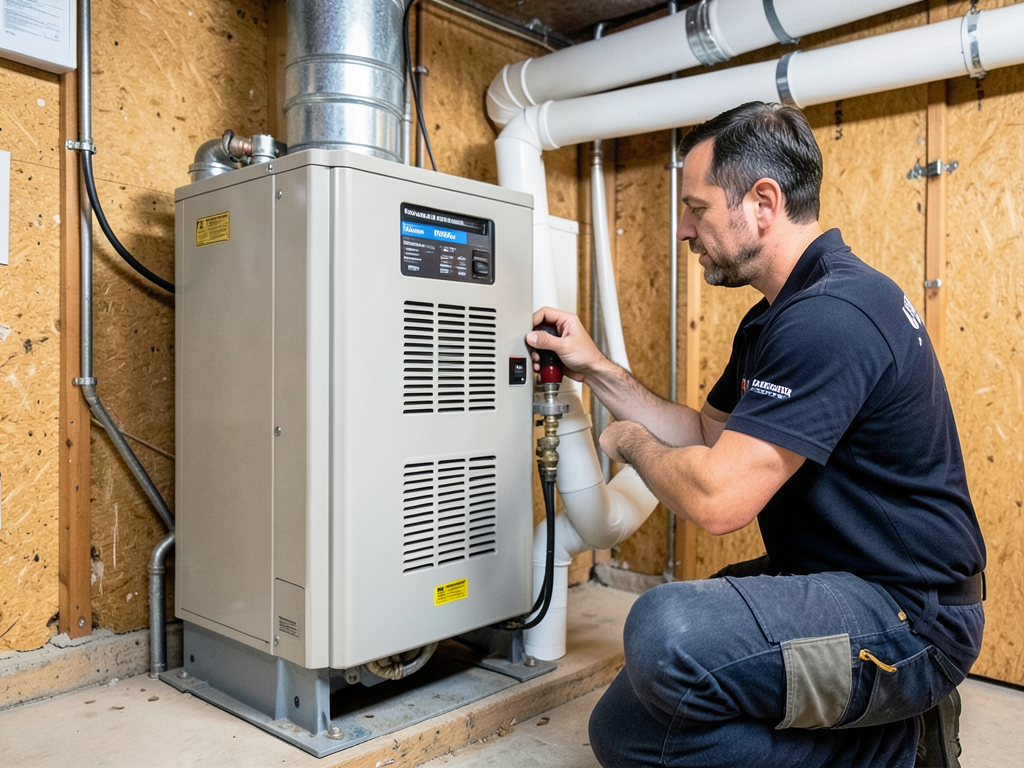
If you smell rotten eggs, hear hissing near your furnace, or see a yellow or orange flame instead of blue, you need emergency furnace gas leak service immediately. Do not wait. Do not try to fix gas leak in furnace yourself. Evacuate the home, call 911 from outside, then call us at (313) 552-7177. Our emergency gas heater leak repair teams carry combustible gas detectors and infrared cameras to locate the exact source of the leak, even in finished basements where gas lines run behind drywall.

Why Gas Furnace Leaks Are Life-Threatening Emergencies in Detroit Homes
How We Locate and Repair Gas Leaks Safely in Detroit Furnace Systems

How We Locate and Repair Gas Leaks Safely in Detroit Furnace Systems

Repairing a gas leak on a furnace requires methodical protocol. We do not guess. We verify.

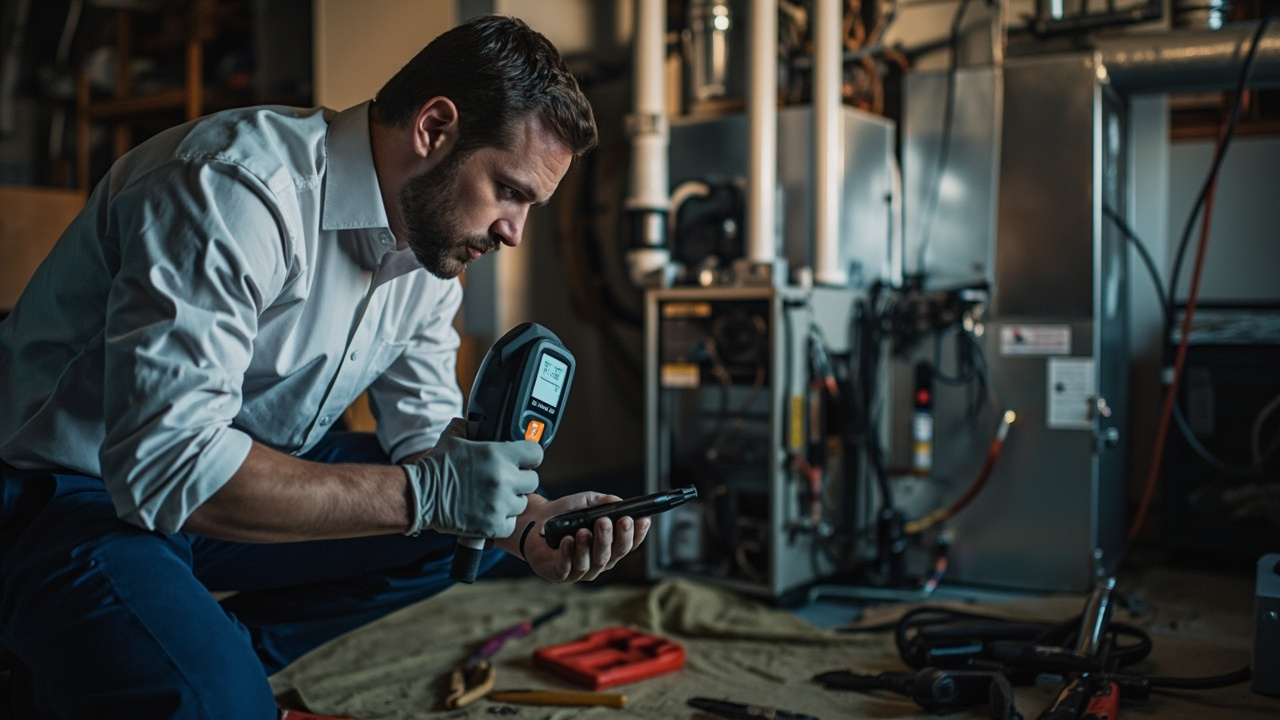
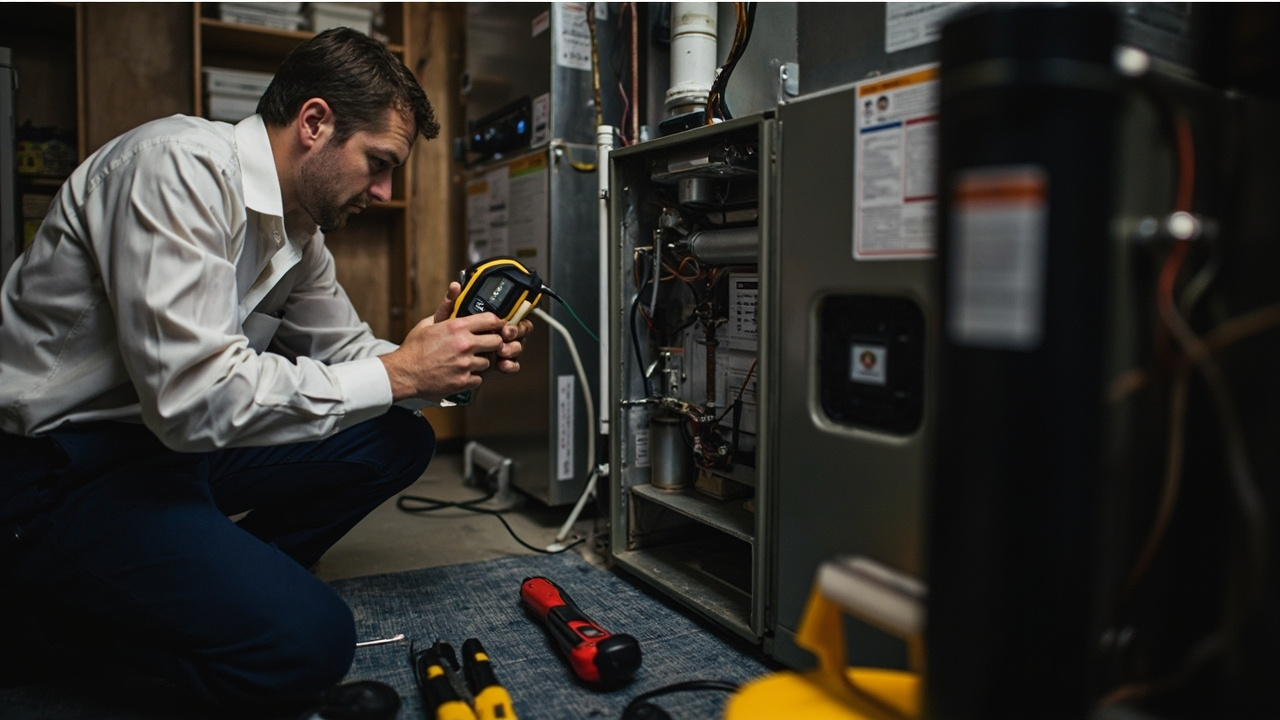
Our technicians arrive with multi-gas detectors calibrated to detect natural gas, propane, and carbon monoxide at parts-per-million sensitivity. The first action is atmospheric testing. We measure ambient gas concentration in the mechanical room, living spaces, and around all gas appliances. If levels exceed safe thresholds, we ventilate the space and coordinate with DTE Energy to shut off the meter until repairs are complete.

Next comes isolation testing. We close the manual gas valve at the furnace and observe the pressure gauge on the gas manifold. If pressure drops, the leak is downstream in the furnace itself. If pressure holds, the leak is in the supply piping. This matters because furnace gas line leak repair follows different procedures than internal component replacement.

For leaks at threaded connections or unions, we apply pipe dope rated for natural gas and torque fittings to manufacturer specifications. For corroded black iron pipe, we replace the affected section with new Schedule 40 black steel or flexible corrugated stainless steel tubing, depending on local code and the installation environment.

For leaks inside the furnace, the most common culprits are the gas valve diaphragm, cracked heat exchanger, or failed burner gaskets. A cracked heat exchanger is not repairable. The entire heat exchanger assembly must be replaced, and in furnaces over 15 years old, replacement often costs more than the unit is worth.

After completing the repair, we perform a full pressure test using a manometer to verify the system holds at operating pressure for 15 minutes with no drop. We then perform a soap bubble test at every joint and a combustion analysis to confirm proper air-to-fuel ratio and verify the flame burns clean blue with no carbon monoxide spillage.

What Happens During Your Emergency Gas Leak Service Call

Gas Furnace Leak Repair in Detroit – Emergency Response Teams Dispatched in Under 60 Minutes
01

Immediate Safety Assessment

Our technician arrives with gas detection equipment and performs a full atmospheric scan of your home. We measure natural gas and carbon monoxide levels in every room, identify the leak source using electronic sniffers and infrared imaging, and determine whether the home is safe to occupy. If gas concentration is dangerous, we coordinate utility shutoff and arrange temporary ventilation before beginning diagnostic work.
02

Leak Isolation and Repair

We isolate the furnace from the gas supply and pinpoint the exact failure point using pressure testing and visual inspection of all gas train components, including the gas valve, manifold, orifices, and heat exchanger. If the leak is at a fitting, we repair it immediately. If the heat exchanger is cracked or the gas valve is defective, we explain your options and provide transparent guidance on whether repair or replacement makes sense.
03

Testing and Clearance

After completing repairs, we restore gas service and run the furnace through multiple heating cycles while monitoring combustion efficiency, flame characteristics, and system pressure. We perform a final leak test on every gas connection and verify carbon monoxide levels remain at zero. You receive documentation of all test results, and we do not leave until your system is confirmed safe and operational.

Why Detroit Homeowners Trust Ace HVAC for Emergency Gas Leak Repairs

Gas leaks require precision and accountability. This is not a job for a handyman or a technician who learned HVAC through YouTube videos.

Ace HVAC Detroit employs only North American Technician Excellence certified technicians with specialized training in gas appliance safety and combustion analysis. We understand the specific challenges Detroit's housing stock presents. We have repaired gas leaks in century-old homes in Indian Village, mid-century brick colonials in Redford Township, and newer construction in areas like New Center and Corktown.

We know that many Detroit homes still use natural draft furnaces with standing pilot lights. These systems are more vulnerable to backdrafting and incomplete combustion than modern induced-draft units. We also know that homes with original galvanized steel gas lines face accelerated corrosion because Detroit's soil has high clay content, which retains moisture and promotes rust from the outside in.

Our response protocol is simple. You call, we answer. Day or night. Weekend or holiday. If you have a gas leak, we dispatch a truck immediately. Most service calls in Wayne County are reached within 45 to 90 minutes, depending on traffic and weather. We do not charge extra for nights or weekends during genuine emergencies.

We also communicate transparently. If your furnace is old and the repair is expensive, we tell you. If replacement makes more financial sense, we explain why. If the leak is minor and the furnace has years of life left, we fix it and move on. We do not upsell. We do not create fear to drive revenue. We give you the information you need to make the right decision for your home and your family's safety.

Detroit winters are unforgiving. A furnace that fails at 2 a.m. when it is 8 degrees outside is more than an inconvenience. It is a threat to your pipes, your home, and your family's health. You need a provider you can trust to respond fast and fix it right the first time.

What to Expect When You Call for Emergency Gas Furnace Leak Repair

Same-Day Emergency Dispatch

We maintain on-call teams 24 hours a day, 7 days a week. When you call (313) 552-7177 with a gas leak, you speak to a live person, not an answering service. We dispatch a certified technician immediately. Most Detroit-area service calls are reached within 60 to 90 minutes. Our trucks carry all common gas valve assemblies, heat exchanger components, and pipe fittings to complete most repairs on the first visit. If your home is unsafe to occupy, we help coordinate temporary housing and work with your insurance company to document the emergency.

Comprehensive Gas System Inspection

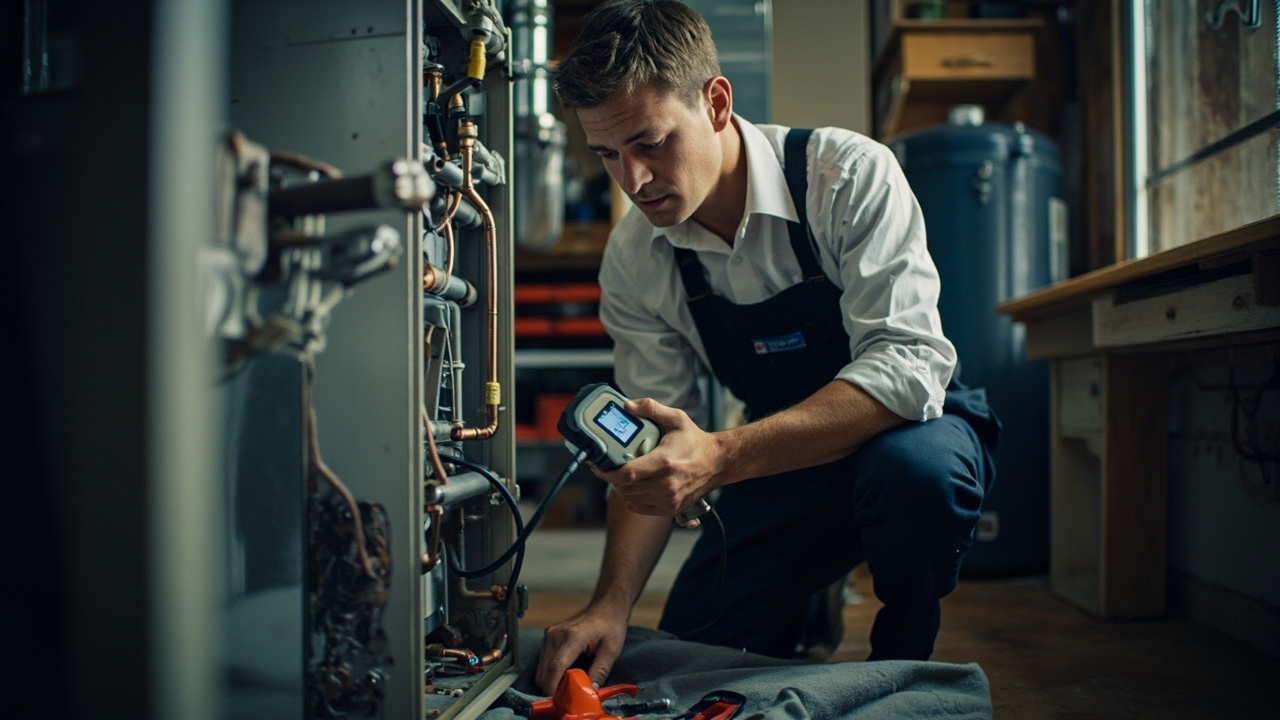
A gas leak is often a symptom of a larger issue. Our technicians perform a full evaluation of your furnace's gas train, including the manual shutoff valve, drip leg sediment trap, gas valve regulator, burner manifold, orifices, and heat exchanger integrity. We test for proper gas pressure using a manometer, inspect the venting system for blockages or backdraft conditions, and check the flame sensor and ignition system. If the heat exchanger has failed, we perform a carbon monoxide spillage test to confirm the extent of the hazard. You receive a written diagnostic report with photos and pressure test results.

Safe, Code-Compliant Repairs

All gas line repairs meet Michigan Mechanical Code and National Fuel Gas Code standards. We use only approved materials: black steel pipe, corrugated stainless steel tubing, or brass fittings rated for natural gas service. Every joint is pressure tested and leak tested using soap solution and electronic detection. After repairs, we perform a complete combustion analysis to verify the furnace operates within safe parameters for carbon monoxide, oxygen levels, and combustion efficiency. You receive documentation of all test results for your records and for insurance claims if applicable.

Follow-Up Safety Checks

After completing emergency repairs, we schedule a follow-up safety inspection within 30 days at no additional charge. This allows us to verify the repair is holding, check for any secondary issues that may have developed, and confirm your carbon monoxide detectors are functioning properly. We also provide guidance on furnace maintenance to prevent future gas leaks, including annual heat exchanger inspections and gas valve testing. If your furnace is nearing the end of its service life, we discuss replacement options and help you plan for a system upgrade before the next heating season.

Frequently Asked Questions

You Have Questions,
We Have Answers

How much does it cost to fix a leaky furnace? +

Gas furnace leak repair costs in Detroit typically range from a service call fee for minor issues to significant expense for major component replacement. Simple fixes like tightening connections or replacing a valve may cost less, while cracked heat exchangers or damaged gas lines require more investment. Detroit's freeze-thaw cycles can stress furnace components, making regular inspection critical. Emergency calls after hours cost more. The exact price depends on the leak location, parts needed, and labor time. Get a diagnostic from a licensed technician before repairs begin. Never delay repair when gas is involved.

Whose responsibility is it to fix a gas leak? +

A gas leak in your Detroit home is the property owner's responsibility to fix immediately. If you rent, contact your landlord right away, but also call your gas utility emergency line and evacuate. The gas company will shut off service and verify safety for free. Actual furnace repairs fall to the homeowner or landlord depending on your lease. In Detroit, landlords must maintain safe heating equipment under Michigan law. If you own your home, you are responsible for all repairs. Never wait for someone else to act when you smell gas. Safety comes first.

Can I fix a furnace leak myself? +

No. Never attempt DIY gas furnace leak repair. Gas leaks create explosion and carbon monoxide poisoning risks that require licensed professionals with proper detection equipment and training. Michigan law requires licensed HVAC technicians for gas appliance work. Detroit homes built in different eras have varying gas line configurations, and improper repairs can violate code or create deadly hazards. Even small leaks can accumulate in basements or crawl spaces common in Detroit housing stock. Evacuate, call your gas company emergency line, and hire a qualified technician. Your family's safety is not worth the risk.

What happens if your furnace is leaking gas? +

If your furnace leaks gas, evacuate immediately. Do not flip light switches, use phones inside, or create any spark. Gas accumulates in enclosed spaces and ignites easily. Leave your Detroit home and call 911 and your gas utility emergency line from outside. Detroit Fire Department responds to gas emergencies. The gas company will shut off your service and verify safety. Symptoms of exposure include headache, dizziness, and nausea. Once cleared, hire a licensed HVAC technician to locate and repair the leak before restoring service. Do not re-enter until professionals declare it safe.

Does homeowners insurance cover furnace leaks? +

Homeowners insurance may cover sudden gas furnace leaks if they cause property damage, but coverage varies by policy. Most standard policies exclude gradual deterioration or lack of maintenance. If a leak causes fire or explosion damage, that is typically covered. However, the repair of the furnace itself often falls under your responsibility as normal home maintenance. Review your policy or call your agent immediately after securing safety. Document all damage with photos. In Detroit's older housing stock, proving sudden failure versus neglect becomes important for claims.

What is the $5000 rule for HVAC? +

The $5000 rule is an HVAC industry guideline suggesting that if repair costs exceed $5000 and your furnace is older, replacement may be smarter financially. Calculate repair cost plus remaining furnace life. If your Detroit furnace is 15 years old and needs a $3000 heat exchanger, you are approaching replacement territory. Modern furnaces deliver better efficiency, important during Michigan winters. However, this is a guideline, not law. A licensed technician can assess your specific situation, considering your home's heating needs and budget. Emergency gas leaks require immediate repair regardless.

Are gas leaks covered under homeowners insurance? +

Gas leaks may be covered under homeowners insurance if they cause sudden property damage, but policies differ. The leak repair itself usually is not covered as it falls under home maintenance. If the leak causes fire, explosion, or carbon monoxide damage, those losses are typically covered. Your gas utility company will shut off service for free in emergencies, but hiring a technician to fix the furnace is your cost. Detroit homeowners should review their policy details and maintain their furnaces regularly. Prevention through annual inspection is cheaper than emergency repairs and potential claims.

Are gas leaks fixed for free? +

Your gas utility company in Detroit will respond to emergency leak calls and shut off service for free as a safety measure. They will verify the leak and secure your home at no charge. However, repairing your furnace to restore service is not free. You must hire a licensed HVAC technician to fix the leak, which is your responsibility as a homeowner or tenant. Some warranties or home service plans may cover repair costs depending on your coverage. Never expect free furnace repairs except in specific landlord situations or active warranty coverage.

How much money does it cost to fix a gas leak? +

Gas leak repair costs depend on the source and severity. Simple fixes like tightening a connection or replacing a valve may cost a few hundred dollars. Complex repairs like replacing gas lines or a cracked heat exchanger cost significantly more. Emergency service in Detroit carries premium pricing. Labor, parts, and diagnostic time all factor into the final bill. Detroit's aging housing stock sometimes requires additional work to bring systems to code. Get a written estimate before authorizing work. While expensive, delaying gas leak repair risks your family's safety and home.

What is the most expensive part to fix on a furnace? +

The heat exchanger is typically the most expensive furnace component to replace. This metal chamber transfers heat from combustion gases to your home's air. Cracks in heat exchangers allow carbon monoxide and gas leaks, creating deadly hazards. Replacement costs include the part and extensive labor to access it. In Detroit's older homes with aging furnaces, a cracked heat exchanger often signals full replacement makes more sense financially. Other expensive repairs include blower motors and control boards. Regular maintenance helps catch issues before catastrophic failure. A licensed technician can assess repair versus replacement value.

Why Detroit's Aging Infrastructure Makes Gas Furnace Inspections Critical

Detroit has one of the oldest housing inventories in the Midwest. More than 60% of homes in the city were built before 1960, and many still operate original heating systems or gas lines installed decades ago. Homes in neighborhoods like Grandmont Rosedale, Palmer Woods, and Bagley frequently have cast iron or bare steel gas piping that corrodes internally over time. The freeze-thaw cycling that happens every winter in Southeast Michigan accelerates metal fatigue in older furnaces. Heat exchangers crack. Gas valves fail. Union joints loosen. These are not theoretical risks. They are predictable failure modes in aging systems that require proactive inspection and immediate repair when leaks develop.

Choosing a local provider for gas furnace leak repair matters because we understand Detroit's building stock and its unique vulnerabilities. We know which furnace brands were commonly installed in Detroit homes in the 1970s and 80s, and we know their failure patterns. We know that homes near industrial corridors like Dearborn and River Rouge face higher sulfur exposure, which corrodes heat exchangers faster. We work directly with DTE Energy when gas service needs to be interrupted and restored. We are familiar with Wayne County building inspection requirements and can help you navigate permit requirements if gas line replacement is needed. Local expertise saves time, reduces risk, and ensures repairs are done correctly the first time.
HVAC Services in The Detroit Area

We invite you to explore our service area and locate our business on the map. Ace HVAC is strategically positioned to efficiently serve all residential and commercial clients within the Detroit metropolitan area and surrounding communities, ensuring prompt response times and convenient access to our expert heating and cooling solutions whenever you need us.

Address:
Ace HVAC Detroit, 7300 Woodward Ave, Detroit, MI, 48202

Additional Services We Offer

Our news updates

Latest Articles & News from The Blogs

Why Financing Your Detroit HVAC System Makes Sense Detroit homeowners face extreme seasonal swings. Winter lows can drop below zero…

How to Choose an HVAC Financing Plan That Won't Break Your Monthly Budget

Why Financing Your Detroit HVAC System Makes Sense Detroit homeowners face extreme seasonal swings. Winter lows can drop below zero…

Why Your New Center Apartment Smells Like Burning Dust Every Time the Heat Kicks On

Why Your New Center Apartment Smells Like Burning Dust Every Time the Heat Kicks On That burning dust smell when…

Comparing the Most Reliable Furnace Brands for the Harsh Winters in Shelby Township

Comparing the Most Reliable Furnace Brands for the Harsh Winters in Shelby Township\n\nWhen a January Polar Vortex hits Shelby Township…

Contact Us

If you smell gas, hear hissing, or see a discolored flame on your furnace, evacuate your home and call us immediately at (313) 552-7177. Our emergency teams are standing by 24/7 to protect your family and restore safe heating to your home.